Market
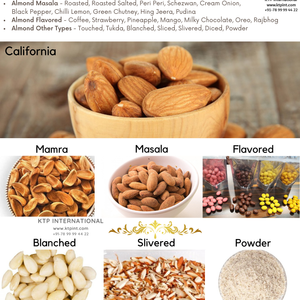
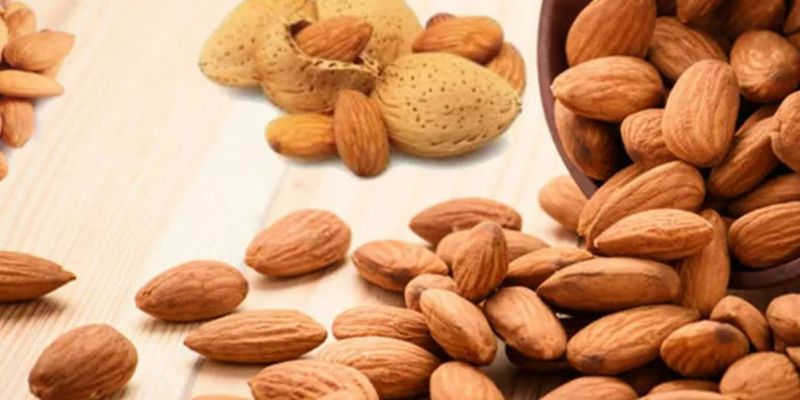
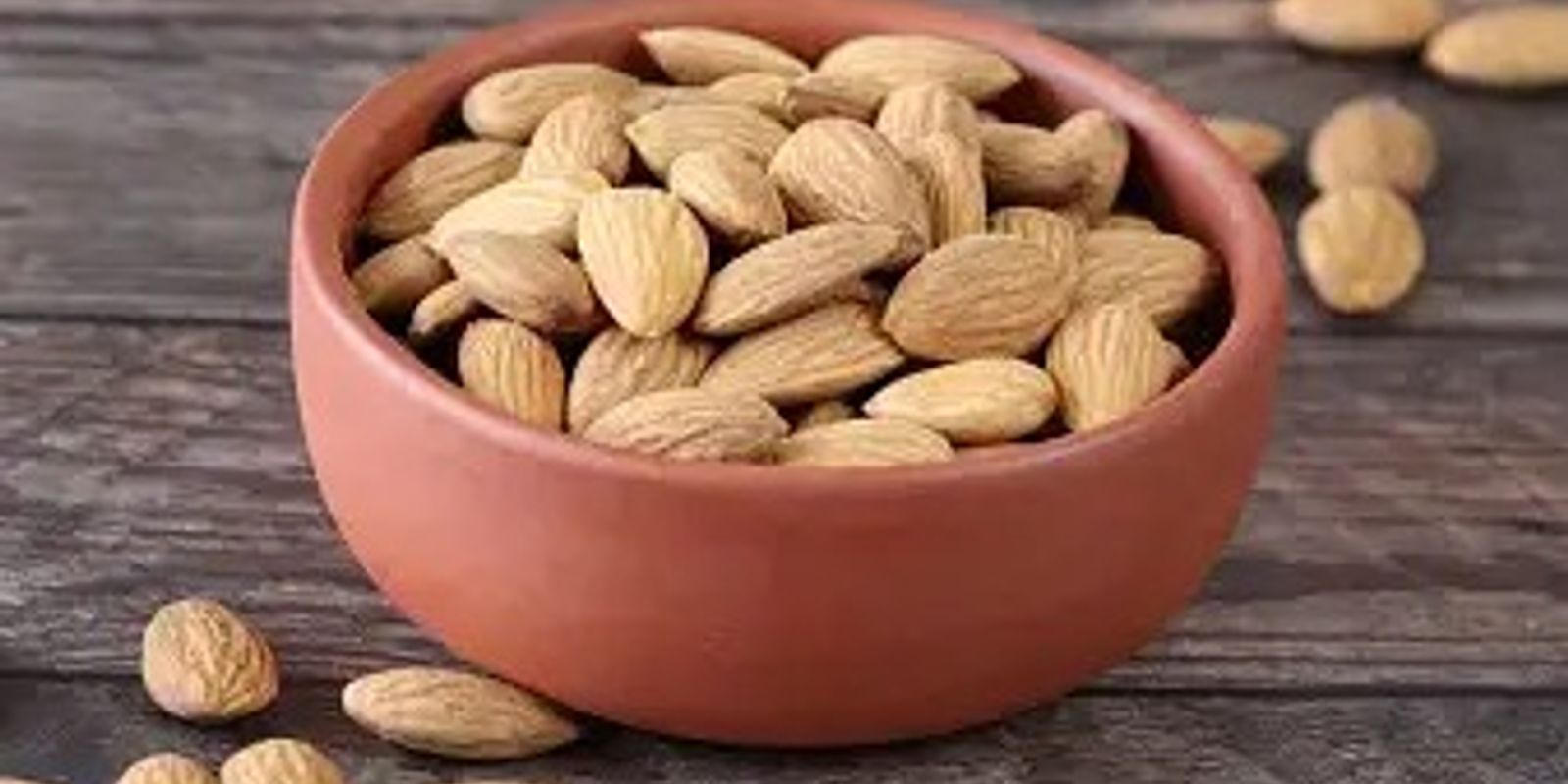
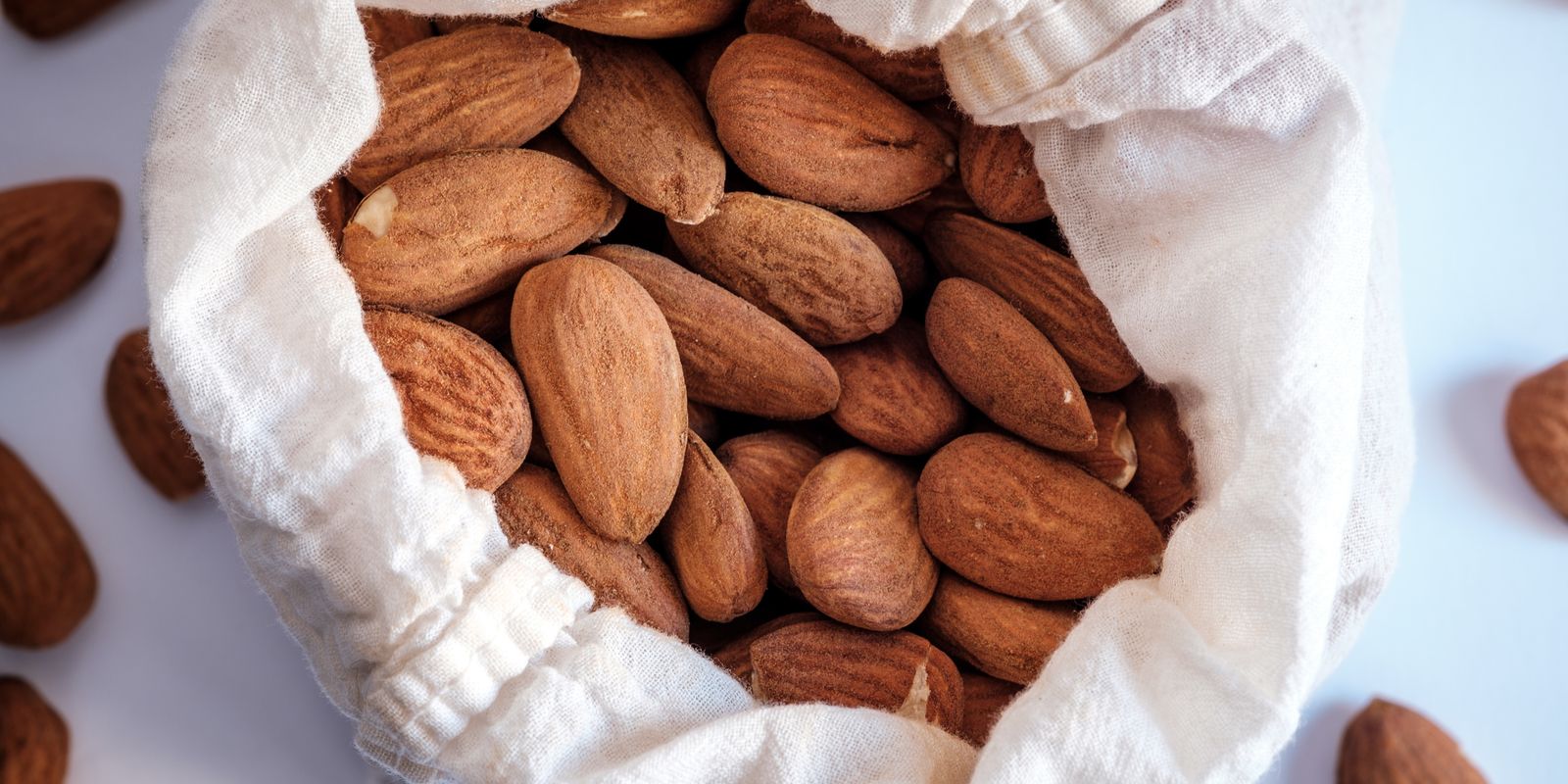
Raw in-shell almonds in India are primarily an import-driven consumer market, with domestic production concentrated in Jammu & Kashmir and smaller volumes from Himachal Pradesh. USDA FAS reports India is heavily reliant on imports for almonds, and that U.S. (California-origin) supply dominates, with Australia a distant second. In-shell imports are commonly shelled locally in India (machine cracking and hand sorting), adding value through domestic processing and supporting downstream distribution into traditional dry-fruit retail as well as modern retail and e-commerce. The most trade-disruptive risk for this product-category is non-compliance with India’s food safety requirements (notably aflatoxins for nuts), which can trigger clearance delays or rejection.
Market RoleImport-dependent consumer market (net importer)
Domestic RoleLimited domestic production mainly in Jammu & Kashmir and Himachal Pradesh; domestic output is largely absorbed by local consumption while imports fill most demand.
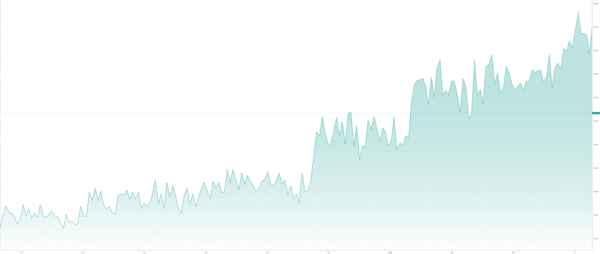
Market GrowthGrowing (mid-2020s outlook)import-led consumption growth alongside expanding packaged and e-commerce access
Risks
Food Safety HighNon-compliance with India’s FSSAI contaminants limits for nuts (notably aflatoxins) can trigger border sampling failures, clearance delays, or rejection, disrupting supply and creating recall/re-export risk.Use pre-shipment aflatoxin testing with accredited labs; enforce moisture-control specs and storage practices; require supplier COAs and maintain importer-side verification testing aligned to FSSAI limits for nuts.
Regulatory Compliance MediumUSDA FAS reports stringent almond kernel quality standards and enforcement can create customs clearance challenges (e.g., delays) if grades/specifications and physical-quality expectations are not aligned.Agree contract specs in advance (defects/foreign material, tolerances), align inspection protocols with buyer expectations, and prepare complete document sets to reduce discretionary holds.
Tariffs MediumApplied duties and tax treatment can change and have shifted historically (e.g., retaliatory tariff period and subsequent removal noted by USDA FAS), affecting landed cost and demand for imports.Monitor DGFT/CBIC updates, confirm HS code classification (0802.11.00 for in-shell almonds), and use pricing clauses or hedging approaches to manage duty/tax volatility.
Logistics MediumLong sea transit and humid storage conditions increase the risk of moisture uptake, mold, and quality degradation, which can elevate food safety non-conformance risk and reduce commercial grade acceptance.Use moisture-barrier packaging and container desiccants where appropriate; audit warehouse humidity controls; apply first-in-first-out stock rotation and maintain dry storage conditions.
FAQ
Why are in-shell almonds commonly imported into India rather than only importing shelled kernels?USDA FAS reports that imports from the United States and Australia are typically in-shell and are often shelled locally in India using machine cracking and hand sorting. This local shelling adds value within India and supports downstream processing before distribution to retail and food manufacturers.
What is the biggest reason almond shipments can be delayed or rejected at import clearance in India?A leading trade-stopper risk is food safety non-compliance, especially exceeding FSSAI contaminants limits for nuts such as aflatoxins. FSSAI can conduct document checks, inspections, and risk-based sampling/testing during import clearance, and failures can result in non-conformance actions including rejection.
Which Indian authorities and systems are most central to clearing imported almonds?Customs filing is done electronically through ICEGATE, and food imports can be referred into FSSAI’s Food Import Clearance System (FICS), which is integrated with ICEGATE under India’s single-window trade interface. Plant quarantine rules may also apply for regulated plant products, including phytosanitary certification and any specified conditions.