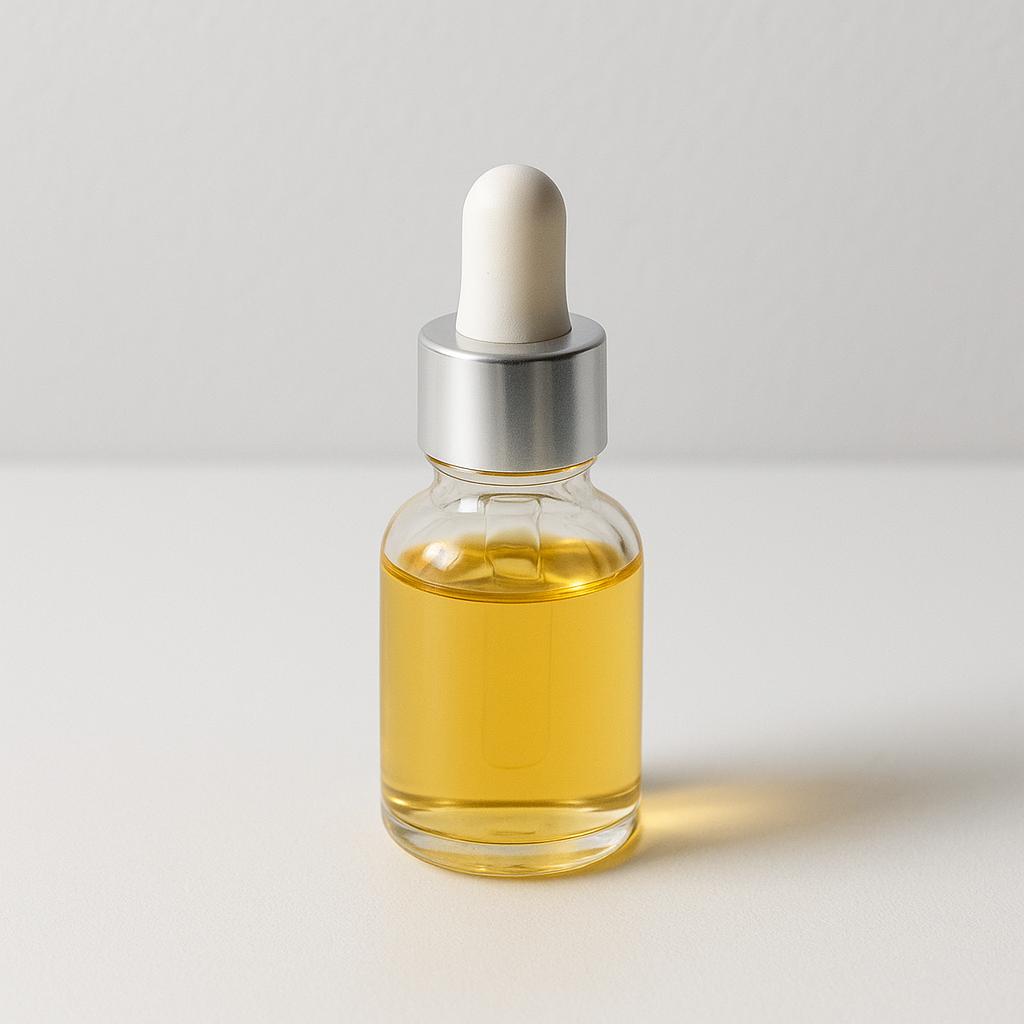
DL-알파-토코페릴 아세테이트 공급업체, 무역 및 가격 — 마켓 오버뷰 2026
상위 제품
비타민 E
최종 업데이트
2026-10-29
서치 및 소싱 팀을 위한 핵심 요약
- DL-알파-토코페릴 아세테이트 마켓 커버리지는 37개 국가에 걸쳐 있습니다.
- 이 제품에 대해 글로벌 공급망 인텔리전스 네트워크에 수출업체 496개와 수입업체 685개가 색인되어 있습니다.
- 1,050건의 공급업체 연계 거래가 상위 20개 국가에 걸쳐 요약되어 있습니다.
- 페이지 데이터 최종 업데이트일: 2026-10-29.
DL-알파-토코페릴 아세테이트에 대한 글로벌 공급업체 거래, 수출 활동 및 가격 벤치마크
상위 20개 국가에 걸친 공급업체 연계 거래 1,050건을 분석하고, 월간 단가 벤치마크로 DL-알파-토코페릴 아세테이트의 수출 경쟁력과 소싱 리스크를 추적하세요.
DL-알파-토코페릴 아세테이트 국가별 공급업체 거래 및 수출 모멘텀 전년 대비 변화
DL-알파-토코페릴 아세테이트의 긍정적/부정적 전년 대비 변화를 비교해 성장하는 공급 시장과 약화되는 수출 경로를 식별하세요.
DL-알파-토코페릴 아세테이트의 YoY 변동 상위 국가는 멕시코 (+255.5%), 콜롬비아 (+122.6%), 브라질 (+87.1%)입니다.
DL-알파-토코페릴 아세테이트 국가별 공급업체 거래 및 단가 요약
2025-11 기준으로 DL-알파-토코페릴 아세테이트 국가별 거래 건수와 월간 단가/물량을 비교해 공급업체 및 수출 시장 우선순위를 정하세요.
2026-04 기준, 노출 가능한 DL-알파-토코페릴 아세테이트 거래 단가가 있는 국가는 멕시코 (591.16 USD / kg), 일본 (179.78 USD / kg), 베트남 (19.14 USD / kg), 독일 (19.02 USD / kg), 싱가포르 (16.89 USD / kg), 외 2개국입니다.
원산지별 최신 월별 가격 보기
| 국가 | 전년 대비 변화 | 거래 건수 | 2025-11 | 2025-12 | 2026-01 | 2026-02 | 2026-03 | 2026-04 | 2026-05 | 2026-06 | 2026-07 | 2026-08 | 2026-09 | 2026-10 |
|---|---|---|---|---|---|---|---|---|---|---|---|---|---|---|
| 중국 | -30.0% | 367 | 16.14 USD / kg (577,102.3 kg) | 18.70 USD / kg (407,421.18 kg) | 16.05 USD / kg (681,587.51 kg) | 11.15 USD / kg (727,810.34 kg) | 12.87 USD / kg (98,566.08 kg) | 13.85 USD / kg (113,986.79 kg) | ||||||
| 미국 | +41.6% | 86 | - (-) | - (-) | - (-) | - (-) | - (-) | - (-) | ||||||
| 독일 | -0.2% | 81 | 24.53 USD / kg (19,304 kg) | 8.56 USD / kg (65,275 kg) | 22.08 USD / kg (1,800 kg) | 19.18 USD / kg (17,360 kg) | 18.04 USD / kg (33,010 kg) | 19.02 USD / kg (33,301 kg) | ||||||
| 스위스 | +14.8% | 76 | 22.49 USD / kg (168,317 kg) | 22.48 USD / kg (95,160 kg) | 43.07 USD / kg (45 kg) | 28.66 USD / kg (2,832.12 kg) | 30.49 USD / kg (34.01 kg) | - (-) | ||||||
| 홍콩 | -37.6% | 63 | 19.02 USD / kg (31,000 kg) | 14.92 USD / kg (35,800 kg) | - (-) | 14.28 USD / kg (16,530 kg) | 19.31 USD / kg (8,560 kg) | 14.42 USD / kg (19,700 kg) | ||||||
| 싱가포르 | -1.6% | 47 | 24.06 USD / kg (2,020 kg) | 24.67 USD / kg (14,931.25 kg) | - (-) | 37.85 USD / kg (263.47 kg) | 19.22 USD / kg (42.1 kg) | 16.89 USD / kg (5,040 kg) | ||||||
| 베트남 | +35.3% | 24 | 19.49 USD / kg (100 kg) | 19.16 USD / kg (450 kg) | 19.17 USD / kg (75 kg) | - (-) | 19.14 USD / kg (-) | 19.14 USD / kg (76.15 kg) | ||||||
| 브라질 | +87.1% | 16 | 8.17 USD / kg (1,500 kg) | 109.80 USD / kg (1,008 kg) | 66.84 USD / kg (5.25 kg) | 44.45 USD / kg (2 kg) | 91.40 USD / kg (5 kg) | - (-) | ||||||
| 일본 | - | 15 | 267.71 USD / kg (3 kg) | 264.29 USD / kg (6 kg) | 262.85 USD / kg (9 kg) | - (-) | 87.00 USD / kg (1.15 kg) | 179.78 USD / kg (20.15 kg) | ||||||
| 콜롬비아 | +122.6% | 7 | 38.94 USD / kg (1 kg) | 21.05 USD / kg (5.21 kg) | 38.65 USD / kg (3 kg) | - (-) | - (-) | - (-) |
DL-알파-토코페릴 아세테이트 Global Supply Chain Coverage
1,181개 기업
DL-알파-토코페릴 아세테이트에 대해 수출업체 496개와 수입업체 685개가 매핑되어 있습니다.
수출업체와 수입업체는 Tridge 공급망 인텔리전스의 기업 프로필 및 분석을 활용해 DL-알파-토코페릴 아세테이트 거래 상대를 식별하고, 시장 도달 범위를 벤치마킹하며, 시장별 아웃리치 우선순위를 정할 수 있습니다.
DL-알파-토코페릴 아세테이트 수출 공급업체 인텔리전스, 무역 흐름 및 가격 시그널
DL-알파-토코페릴 아세테이트에 대해 Tridge Supply Chain Intelligence에 수출업체 496개가 매핑되어 있습니다. 수출업체와 수입업체는 회사 프로필 및 분석을 활용해 공급업체 커버리지, 거래 활동, 경로 기회를 평가할 수 있습니다.
DL-알파-토코페릴 아세테이트 검증된 수출 공급업체 및 프리미엄 파트너
프리미엄 DL-알파-토코페릴 아세테이트 공급업체 3개는 국가, 산업, 연락 가능성 시그널을 포함해 신뢰할 수 있는 수출 파트너를 더 빠르게 우선순위화할 수 있게 합니다.

Zhejiang Worldbestve Biotechnology Co., Ltd.
중국
식품 제조

DSM Nutritional Products AG
스위스
축산, 식품 제조, 기타
SM Empreendimentos Farmacêuticos Ltda.
브라질
기타
프리미엄 공급업체로 가입하여 Tridge 공급망 네트워크에 참여하고 마케팅 및 수출 채널 전략을 고도화하세요.
DL-알파-토코페릴 아세테이트 상위 수출업체 및 공급업체 프로필
선도 수출업체 프로필을 검토하고 DL-알파-토코페릴 아세테이트 공급망 인텔리전스 네트워크의 전체 수출업체 496개와 비교해 보세요. 수출업체와 수입업체는 회사 프로필 및 분석을 잠금 해제해 파트너를 더 빠르게 검증할 수 있습니다.
(중국)
최근 수출 거래: 2026-07-07
최근 수출 파트너 기업: 1
산업군: 식품 제조, 식품 포장, 기타
밸류체인 역할: 식품 제조
수출 국가: 덴마크, 러시아, 미국, 인도
공급 제품: 비타민 원료, 비타민 A 보충제, 비타민 E 보충제 +5
(싱가포르)
최근 수출 거래: 2026-08-17
최근 수출 파트너 기업: 7
임직원 규모: 직원 1000명 초과
매출액: 매출 USD 1B 초과
산업군: 식품 제조, 기타
밸류체인 역할: 유통 / 도매, 식품 제조
수출 국가: 멕시코, 탄자니아, 스리랑카, 파키스탄, 대한민국, 방글라데시, 필리핀, 베트남, 인도네시아, 인도
공급 제품: 비타민 원료, 영양 분말, 가금류 사료 +5
(홍콩)
최근 수출 거래: 2026-08-14
최근 수출 파트너 기업: 5
산업군: 기타
밸류체인 역할: 유통 / 도매, 무역
수출 국가: 미국, 방글라데시, 스리랑카, 필리핀, 파키스탄, 인도네시아, 베트남, 인도
공급 제품: 비타민 원료, 가금류 사료, 비타민 E 보충제 +5
(중국)
최근 수출 거래: 2026-07-27
최근 수출 파트너 기업: 10
임직원 규모: 직원 1000명 초과
산업군: 음료 제조, 식품 제조, 식음료 서비스업, 기타
밸류체인 역할: 유통 / 도매, 농업 / 생산 / 가공 / 포장, 식품 제조, 기타
수출 국가: 터키, 인도네시아, 멕시코, 필리핀, 방글라데시, 파키스탄, 베트남, 스리랑카, 미국, 인도
공급 제품: 비타민 원료, 비타민 E 보충제, 생선 기름 +5
(스위스)
최근 수출 거래: 2026-07-03
최근 수출 파트너 기업: 9
임직원 규모: 직원 1000명 초과
매출액: 매출 USD 1B 초과
산업군: 축산, 음료 제조, 식품 제조, 기타
밸류체인 역할: 유통 / 도매, 농업 / 생산 / 가공 / 포장, 식품 제조, 무역
수출 국가: 필리핀, 방글라데시, 파키스탄, 아르헨티나, 에콰도르, 콜롬비아, 인도, 터키, 멕시코, 대한민국
공급 제품: 비타민 원료, 효소, 비타민 E 보충제 +5
(중국)
최근 수출 거래: 2026-04-19
최근 수출 파트너 기업: 4
임직원 규모: 직원 101 - 500명
산업군: 음료 제조, 식품 제조, 식음료 서비스업, 기타
밸류체인 역할: 유통 / 도매, 식품 제조, 무역
수출 국가: 카자흐스탄, 방글라데시, 미국, 필리핀, 베트남, 러시아, 대한민국, 멕시코, 인도
공급 제품: 비타민 원료, 리코펜, 비타민 E 보충제 +5
트릿지 아이에서 전체 그림 보기: 가격·거래 전체 이력 · 725,009+ 기업 프로필
DL-알파-토코페릴 아세테이트 글로벌 수출업체 커버리지
496개 기업
수출업체 수는 DL-알파-토코페릴 아세테이트의 공급 깊이와 소싱 선택지의 핵심 신호입니다.
공급망 인텔리전스 분석을 활용해 DL-알파-토코페릴 아세테이트 기회를 국가, 제품, 밸류체인 역할로 좁힌 뒤 기업 프로필을 열어 적합성을 검증하세요.
Tridge Ark · 수입 가능성 진단
DL-알파-토코페릴 아세테이트, 어디서 들여오는 게 좋을까요?
필요한 스펙과 물량만 알려주세요. 실제로 소싱이 되는지, 어떤 원산지와 공급사가 맞는지 짚어드려요.
무료 가능성 진단은 가입 없이 받을 수 있습니다.
DL-알파-토코페릴 아세테이트 수입 바이어 인텔리전스, 수요 시그널 및 가격 벤치마크
DL-알파-토코페릴 아세테이트 수요 인텔리전스를 위해 수입업체 685개가 매핑되어 있습니다. Supply Chain Intelligence 회사 프로필 및 분석으로 시장별 바이어, 유통업체, 다운스트림 수요 파트너의 우선순위를 정하세요.
DL-알파-토코페릴 아세테이트 상위 바이어, 수입업체 및 수요 파트너
선도 바이어 프로필을 검토하고 DL-알파-토코페릴 아세테이트에 대해 추적되는 전체 수입업체 685개와 비교해 보세요. 수출업체와 수입업체는 Supply Chain Intelligence 회사 프로필 및 분석을 활용해 바이어 품질과 수요 집중도를 평가할 수 있습니다.
(인도)
최근 수입 거래: 2026-09-29
최근 수입 파트너 기업: 1
산업군: 기타
밸류체인 역할: 베트남, 오만, 사우디아라비아, 네팔
(인도)
최근 수입 거래: 2026-09-29
최근 수입 파트너 기업: 4
임직원 규모: 직원 1 - 10명
산업군: 기타
밸류체인 역할: 스리랑카
(인도)
최근 수입 거래: 2026-09-29
최근 수입 파트너 기업: 1
임직원 규모: 직원 1000명 초과
산업군: 음료 제조, 식품 제조, 식음료 서비스업
밸류체인 역할: 영국, 네팔, 오스트리아
(인도)
최근 수입 거래: 2026-09-29
최근 수입 파트너 기업: 4
임직원 규모: 직원 51 - 100명
매출액: 매출 USD 5M - 10M
산업군: 식품 제조, 기타
밸류체인 역할: 방글라데시, 인도, 스리랑카
(아르헨티나)
최근 수입 거래: 2026-06-16
최근 수입 파트너 기업: 6
임직원 규모: 직원 11 - 50명
매출액: 매출 USD 5M - 10M
산업군: 작물 생산, 식품 제조, 식품 포장, 식품 도매, 기타
밸류체인 역할: -
(미국)
최근 수입 거래: 2026-07-27
최근 수입 파트너 기업: 1
산업군: 기타
밸류체인 역할: -
트릿지 아이에서 전체 그림 보기: 가격·거래 전체 이력 · 725,009+ 기업 프로필
글로벌 수입업체 커버리지
685개 기업
수입업체 수는 DL-알파-토코페릴 아세테이트에 대한 수요 측 가시성의 현재 깊이를 보여줍니다.
공급망 인텔리전스 분석과 기업 프로필을 활용해 활동 중인 DL-알파-토코페릴 아세테이트 바이어를 식별하고, 국가별 파트너 밀도를 비교하며, GTM 우선순위를 정교화하세요.
Tridge Ark · 수출 가능성 진단
우리 DL-알파-토코페릴 아세테이트, 어느 바이어에게 팔 수 있을까요?
만드시는 제품만 알려주시면 됩니다. 지금 수출할 준비가 됐는지, 어느 시장이 맞는지 봐드려요.
무료 가능성 진단은 가입 없이 받을 수 있습니다.
Classification
Product TypeIngredient
Product FormOily liquid
Industry PositionDietary Supplement And Food/Feed Fortification Ingredient
Market
DL-α-tocopheryl acetate (synthetic vitamin E acetate) is a globally traded vitamin E derivative used widely in dietary supplements and in nutrition applications where a more storage-stable form of vitamin E is preferred. International trade commonly classifies vitamin E and its derivatives under HS 2936.28, supporting cross-border movement of bulk ingredient shipments and premix inputs. Industrial production is concentrated in a limited number of large-scale chemical vitamin manufacturing networks, including major sites and companies in Switzerland and Germany as well as Chinese producers of all-rac-α-tocopheryl acetate. Because capacity is concentrated and upstream chemical infrastructure is shared across multiple vitamin product lines, operational disruptions or cost shocks can transmit quickly into global availability and pricing.
Major Producing Countries
- 스위스Large-scale vitamin E manufacturing base; Sisseln site positioned by dsm-firmenich as a major/global-scale vitamin E production facility.
- 독일Major industrial vitamin production footprint; BASF reported force majeure affecting vitamin E acetate products following upstream plant incidents.
- 중국Chinese vitamin manufacturers market all-rac-α-tocopheryl acetate (synthetic vitamin E acetate) to global customers.
Specification
Major VarietiesAll-rac-α-tocopherol (synthetic; commonly labeled DL/dl), RRR-α-tocopherol (natural; commonly labeled D/d), α-tocopheryl acetate (esterified α-tocopherol form used for stability)
Physical Attributes
- Fat-soluble vitamin E derivative commonly supplied as a viscous oil and also formulated into dispersible/powder forms for premixes and finished-dose formats.
- Esterified vitamin E forms (including α-tocopheryl acetate) are used to prolong shelf life while protecting vitamin E activity; the body hydrolyzes these esters for absorption.
Compositional Metrics
- Potency is commonly expressed as α-tocopherol activity in mg or IU, and potency conventions differ between natural and synthetic forms.
- Synthetic all-rac-α-tocopherol (commonly labeled DL/dl) is described as about half as active by weight as natural RRR-α-tocopherol in dietary supplement labeling contexts.
Grades
- Pharmacopeial/compendial grades are used in global commerce (e.g., USP/EP/JP claims appear in supplier specifications).
- Food, supplement, and feed-nutrition grades are traded depending on downstream application and regulatory requirements.
Packaging
- Bulk ingredient shipments are commonly handled in sealed drums or similar industrial containers for oily forms; formulated powders are commonly packed in lined bags/cartons suitable for dry distribution.
- Packaging commonly emphasizes protection from light, heat, and air/oxidation during storage and transport.
ProcessingEsterification is used to improve storage stability relative to free α-tocopherol in commercial supplement and fortification supply chains.Downstream formulation may include dispersible powder formats for premixes and tableting/encapsulation workflows.
Supply Chain
Value Chain
- Industrial vitamin synthesis/derivative production (including esterification) -> purification -> bulk oil handling and/or formulated powder production -> premix blending or contract manufacturing into finished supplements -> global distribution.
Demand Drivers
- Use of α-tocopheryl acetate and other esterified forms to prolong shelf life in supplements and fortified foods.
- Large, recurring demand from animal nutrition premix and feed additive channels in addition to human nutrition applications.
Temperature
- Storage and logistics typically emphasize protection from excessive heat and from light exposure to maintain quality over time.
- Minimizing oxygen exposure during storage/handling is a common quality-control objective for fat-soluble antioxidant vitamins.
Shelf Life
- Esterification (e.g., α-tocopheryl acetate) is used to improve shelf-life stability compared with non-esterified forms used for antioxidant activity.
Risks
Supply Concentration HighGlobal availability can be disrupted by incidents, outages, or cost-driven curtailments at a small number of large vitamin manufacturing networks and shared upstream chemical infrastructure. Public disclosures from major producers show that upstream incidents and production halts can constrain vitamin E derivative supply and trigger allocation/force majeure conditions that affect downstream feed and human nutrition markets.Qualify multiple suppliers across different production networks and geographies, lock in specification equivalency (assay/potency and stereoisomer labeling conventions), and hold safety stock for critical premix and supplement SKUs.
Operational Disruption MediumUnplanned plant incidents and stringent quality testing/release processes can delay shipments or restrict usable supply for human nutrition applications even after production resumes.Contract for dual-grade options where acceptable (feed vs human nutrition), pre-approve alternate lots/specs, and monitor producer advisories for lead-time changes.
Energy And Input Costs MediumHigh energy costs and broader input-cost volatility can drive capacity rationalization or temporary shutdowns, tightening global supply for vitamin E derivatives used in premixes and supplements.Use indexed pricing and forward coverage for critical periods; diversify sourcing to include producers with different regional energy exposures.
Regulatory Compliance MediumQuality compliance (identity, potency, impurities, and labeling conventions for natural vs synthetic activity) is critical in supplement supply chains and can create rejection risk if documentation or test results do not align with buyer and jurisdiction requirements.Specify required compendial alignment (as applicable), require robust CoA and traceability documentation, and audit GMP systems for high-risk suppliers.
Sustainability
- Energy and carbon footprint of large-scale chemical vitamin manufacturing, with increasing scrutiny and investment in site-level decarbonization projects.
- Chemical process waste, solvent management, and emissions control requirements in industrial vitamin production.
Labor & Social
- Industrial process safety and occupational exposure controls are material due-diligence themes in chemical manufacturing supply chains.
- Supply-chain quality assurance and traceability expectations are elevated for supplement ingredients due to downstream consumer safety and brand risk.
FAQ
Why is α-tocopheryl acetate commonly used in supplements instead of free α-tocopherol?α-tocopherol in supplements and fortified foods is often esterified (including as α-tocopheryl acetate) to prolong shelf life while protecting vitamin E activity, and the body hydrolyzes these esters for absorption.
How does synthetic (DL/all-rac) vitamin E activity compare with the natural (D/RRR) form?In dietary supplement contexts, synthetically produced all-rac-α-tocopherol (commonly labeled DL or dl) is described as only about half as active by weight as natural RRR-α-tocopherol (commonly labeled D or d), so potency conventions and labeling need to be handled carefully in procurement and formulation.
What HS category is commonly used for trade in vitamin E derivatives like tocopheryl acetate?International trade commonly classifies vitamin E and its derivatives under HS 2936.28, which covers vitamin E (tocopherols and related compounds with vitamin E activity) and its derivatives.
Sources
DL-알파-토코페릴 아세테이트 공급업체, 수출 흐름, 가격 데이터 국가 커버리지
공급업체 커버리지, 무역 흐름, 가격 벤치마크를 위해 DL-알파-토코페릴 아세테이트의 국가별 마켓 페이지를 탐색하세요.


Tridge Ark · 수출·수입 가능성 진단
DL-알파-토코페릴 아세테이트, 사는 쪽이세요 파는 쪽이세요?
어느 쪽이든 몇 가지만 답해주시면 됩니다. 어디서 살 수 있는지, 누구에게 팔 수 있는지 정리해서 보내드릴게요.
무료 가능성 진단은 가입 없이 받을 수 있습니다.
'쿠키 허용'을 클릭하면 통계 및 개인 선호도 산출을 위한 쿠키 제공에 동의하게 됩니다.
개인정보 보호정책에서 쿠키에 대한 자세한 내용을 확인할 수 있습니다.