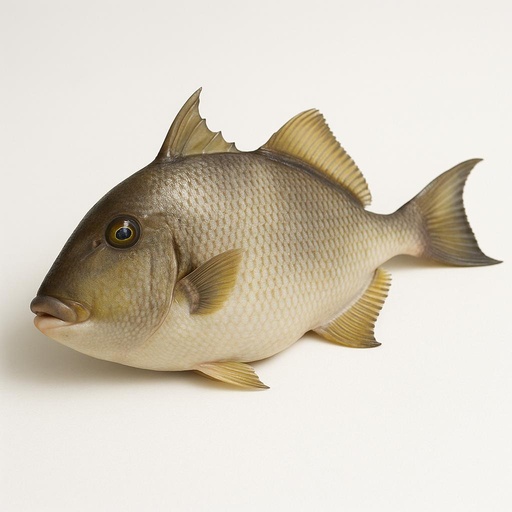
Fresh Triggerfish 공급업체, 무역 및 가격 — 마켓 오버뷰 2026
하위 제품
신선 통 트리거피쉬
파생 제품
건조 쥐치무리, 냉동 트리거피쉬
HS 코드
030289
최종 업데이트
2026-09-21
서치 및 소싱 팀을 위한 핵심 요약
- Fresh Triggerfish 마켓 커버리지는 120개 국가에 걸쳐 있습니다.
- 이 제품에 대해 글로벌 공급망 인텔리전스 네트워크에 수출업체 32개와 수입업체 52개가 색인되어 있습니다.
- 107건의 공급업체 연계 거래가 상위 6개 국가에 걸쳐 요약되어 있습니다.
- 이 페이지 데이터셋의 최신 기준 연도는 2024입니다.
- 페이지 데이터 최종 업데이트일: 2026-09-21.
Fresh Triggerfish에 대한 글로벌 공급업체 거래, 수출 활동 및 가격 벤치마크
상위 6개 국가에 걸친 공급업체 연계 거래 107건을 분석하고, 월간 단가 벤치마크로 Fresh Triggerfish의 수출 경쟁력과 소싱 리스크를 추적하세요.
Fresh Triggerfish 국가별 공급업체 거래 및 수출 모멘텀 전년 대비 변화
Fresh Triggerfish의 긍정적/부정적 전년 대비 변화를 비교해 성장하는 공급 시장과 약화되는 수출 경로를 식별하세요.
Fresh Triggerfish의 YoY 변동 상위 국가는 멕시코 (+2962.5%), 에콰도르 (+787.2%), 일본 (+81.7%)입니다.
Fresh Triggerfish 국가별 공급업체 거래 및 단가 요약
2025-10 기준으로 Fresh Triggerfish 국가별 거래 건수와 월간 단가/물량을 비교해 공급업체 및 수출 시장 우선순위를 정하세요.
2026-03 기준, 노출 가능한 Fresh Triggerfish 거래 단가가 있는 국가는 멕시코 (7.90 USD / kg), 케냐 (4.68 USD / kg)입니다.
| 국가 | 전년 대비 변화 | 거래 건수 | 2025-10 | 2025-11 | 2025-12 | 2026-01 | 2026-02 | 2026-03 | 2026-04 | 2026-05 | 2026-06 | 2026-07 | 2026-08 | 2026-09 |
|---|---|---|---|---|---|---|---|---|---|---|---|---|---|---|
| 에콰도르 | +787.2% | 69 | 0.20 USD / kg (1,766 kg) | 0.20 USD / kg (1,140 kg) | 0.20 USD / kg (1,573 kg) | 0.20 USD / kg (1,170 kg) | 0.20 USD / kg (105 kg) | - (-) | ||||||
| 멕시코 | +2962.5% | 20 | - (-) | - (-) | - (-) | 8.20 USD / kg (2,323 kg) | 7.45 USD / kg (161 kg) | 7.90 USD / kg (5,847 kg) | ||||||
| 케냐 | +8.7% | 1 | - (-) | - (-) | - (-) | - (-) | - (-) | 4.68 USD / kg (2.96 kg) | ||||||
| 인도네시아 | +18.5% | 8 | 25.63 USD / kg (4.16 kg) | 57.50 USD / kg (0.4 kg) | 50.81 USD / kg (2.289 kg) | 2.67 USD / kg (0.39 kg) | 4.12 USD / kg (1.26 kg) | - (-) | ||||||
| 일본 | +81.7% | 7 | - (-) | 21.36 USD / kg (5.58 kg) | 35.43 USD / kg (11.09 kg) | - (-) | - (-) | - (-) | ||||||
| 미국 | - | 2 | - (-) | 19.13 USD / kg (1.67 kg) | - (-) | - (-) | - (-) | - (-) |
Fresh Triggerfish Global Supply Chain Coverage
84개 기업
Fresh Triggerfish에 대해 수출업체 32개와 수입업체 52개가 매핑되어 있습니다.
수출업체와 수입업체는 Tridge 공급망 인텔리전스의 기업 프로필 및 분석을 활용해 Fresh Triggerfish 거래 상대를 식별하고, 시장 도달 범위를 벤치마킹하며, 시장별 아웃리치 우선순위를 정할 수 있습니다.
Fresh Triggerfish 수출 공급업체 인텔리전스, 무역 흐름 및 가격 시그널
Fresh Triggerfish에 대해 Tridge Supply Chain Intelligence에 수출업체 32개가 매핑되어 있습니다. 수출업체와 수입업체는 회사 프로필 및 분석을 활용해 공급업체 커버리지, 거래 활동, 경로 기회를 평가할 수 있습니다.
Fresh Triggerfish 상위 수출업체 및 공급업체 프로필
선도 수출업체 프로필을 검토하고 Fresh Triggerfish 공급망 인텔리전스 네트워크의 전체 수출업체 32개와 비교해 보세요. 수출업체와 수입업체는 회사 프로필 및 분석을 잠금 해제해 파트너를 더 빠르게 검증할 수 있습니다.
(터키)
최근 수출 거래: 2026-08-21
최근 수출 파트너 기업: 1
산업군: 음료 제조어업 및 양식업식품 제조
밸류체인 역할: 농업 / 생산 / 가공 / 포장식품 제조무역
수출 국가: 미국, 대한민국, 일본
공급 제품: Fresh Albacore Tuna, Frozen Bluefin Tuna, Fresh Bluefin Tuna +4
(인도네시아)
최근 수출 거래: 2026-08-21
최근 수출 파트너 기업: 1
산업군: 어업 및 양식업기타
밸류체인 역할: 기타
수출 국가: 베트남, 인도
공급 제품: Fresh Emperor Bream, Fresh Triggerfish, Fresh Dory +1
(아르헨티나)
최근 수출 거래: 2026-08-21
최근 수출 파트너 기업: 1
산업군: 어업 및 양식업식품 제조
밸류체인 역할: 농업 / 생산 / 가공 / 포장식품 제조무역
수출 국가: 베트남, 스페인, 호주, 가나
공급 제품: Frozen Corvina, Frozen Sea Bream, Fresh Common Shrimp and Prawn +5
(멕시코)
최근 수출 거래: 2026-05-11
최근 수출 파트너 기업: 2
임직원 규모: 직원 11 - 50명
산업군: 식품 제조
밸류체인 역할: 유통 / 도매농업 / 생산 / 가공 / 포장식품 제조
수출 국가: 캐나다, 미국
공급 제품: Fresh Grouper, Fresh Snapper, Frozen Fish Cutlet +5
(페루)
최근 수출 거래: 2026-08-21
최근 수출 파트너 기업: 1
산업군: 어업 및 양식업식품 제조식품 포장식음료 서비스업식품 도매
밸류체인 역할: 유통 / 도매농업 / 생산 / 가공 / 포장식품 제조무역
수출 국가: 큐라소, 영국, 인도, 도미니카 공화국, 프랑스, 트리니다드 토바고, 바베이도스, 미국, 마르티니크, 과들루프
공급 제품: Frozen Mahi-mahi, Frozen Parrotfish, Fresh Chinese Onion +5
(인도네시아)
최근 수출 거래: 2026-08-21
최근 수출 파트너 기업: 3
산업군: 기타
밸류체인 역할: 무역
수출 국가: 헝가리, 이탈리아, 이란, 미국, 홍콩, 독일, 싱가포르, 말레이시아, 중국, 인도
공급 제품: Fresh Dory, Fresh Triggerfish, Fresh Bluefish +5
트릿지 아이에서 전체 그림 보기: 가격·거래 전체 이력 · 725,009+ 기업 프로필
Fresh Triggerfish 글로벌 수출업체 커버리지
32개 기업
수출업체 수는 Fresh Triggerfish의 공급 깊이와 소싱 선택지의 핵심 신호입니다.
공급망 인텔리전스 분석을 활용해 Fresh Triggerfish 기회를 국가, 제품, 밸류체인 역할로 좁힌 뒤 기업 프로필을 열어 적합성을 검증하세요.
Fresh Triggerfish의 주요 수출국 (HS 코드 030289) 2024
Fresh Triggerfish의 2024년 기준, 상위 공급국 10개의 수출 물량과 금액을 비교해 핵심 공급 구조를 파악하세요.
| 순위 | 국가 | 물량 | 금액 |
|---|---|---|---|
| 1 | 네덜란드 | 14,879,130.305 kg | 183,232,910.625 USD |
| 2 | 미얀마 [버마] | 70,511,170.7 kg | 112,689,111.526 USD |
| 3 | 멕시코 | 6,296,518 kg | 65,876,892 USD |
| 4 | 덴마크 | 7,047,689.192 kg | 61,417,761.2 USD |
| 5 | 일본 | 2,914,386 kg | 49,981,367.063 USD |
| 6 | 영국 | 4,452,934.776 kg | 45,419,415.549 USD |
| 7 | 스페인 | 5,438,942.22 kg | 43,121,402.35 USD |
| 8 | 파나마 | 11,067,118 kg | 41,645,777 USD |
| 9 | 아이슬란드 | 16,321,624 kg | 38,423,442.879 USD |
| 10 | 브라질 | 5,188,897 kg | 35,487,772 USD |
Fresh Triggerfish 수출 무역 흐름 및 파트너 국가 요약
Fresh Triggerfish의 수출국-수입국 흐름을 금액, 물량, 점유율 기준으로 추적해 잠재력 높은 수출 경로를 발굴하세요.
소싱 진단
Fresh Triggerfish, 어디서 들여오는 게 좋을까요?
필요한 스펙과 물량만 알려주세요. 실제로 소싱이 되는지, 어떤 원산지와 공급사가 맞는지 짚어드려요.
무료 진단, 계정 없이 이용 가능합니다.
Fresh Triggerfish 수입 바이어 인텔리전스, 수요 시그널 및 가격 벤치마크
Fresh Triggerfish 수요 인텔리전스를 위해 수입업체 52개가 매핑되어 있습니다. Supply Chain Intelligence 회사 프로필 및 분석으로 시장별 바이어, 유통업체, 다운스트림 수요 파트너의 우선순위를 정하세요.
Fresh Triggerfish 상위 바이어, 수입업체 및 수요 파트너
선도 바이어 프로필을 검토하고 Fresh Triggerfish에 대해 추적되는 전체 수입업체 52개와 비교해 보세요. 수출업체와 수입업체는 Supply Chain Intelligence 회사 프로필 및 분석을 활용해 바이어 품질과 수요 집중도를 평가할 수 있습니다.
(일본)
최근 수입 거래: 2026-08-21
최근 수입 파트너 기업: 1
임직원 규모: 직원 101 - 500명
산업군: 식품 제조기타
밸류체인 역할: 터키, 인도, 멕시코, 대한민국, 미국, 베트남
(인도)
최근 수입 거래: 2026-08-21
최근 수입 파트너 기업: 1
산업군: 축산
밸류체인 역할: -
(영국)
최근 수입 거래: 2026-08-21
최근 수입 파트너 기업: 1
임직원 규모: 직원 11 - 50명
산업군: 기타
밸류체인 역할: -
(인도)
최근 수입 거래: 2026-08-21
최근 수입 파트너 기업: 1
산업군: 축산브로커 및 무역 대행
밸류체인 역할: -
(베트남)
최근 수입 거래: 2026-08-21
최근 수입 파트너 기업: 1
산업군: 브로커 및 무역 대행어업 및 양식업식품 제조식품 포장
밸류체인 역할: 베트남, 미국
(미국)
최근 수입 거래: 2026-05-01
최근 수입 파트너 기업: 1
임직원 규모: 직원 101 - 500명
산업군: 어업 및 양식업식품 제조식음료 서비스업
밸류체인 역할: 베트남, 인도
트릿지 아이에서 전체 그림 보기: 가격·거래 전체 이력 · 725,009+ 기업 프로필
글로벌 수입업체 커버리지
52개 기업
수입업체 수는 Fresh Triggerfish에 대한 수요 측 가시성의 현재 깊이를 보여줍니다.
공급망 인텔리전스 분석과 기업 프로필을 활용해 활동 중인 Fresh Triggerfish 바이어를 식별하고, 국가별 파트너 밀도를 비교하며, GTM 우선순위를 정교화하세요.
Fresh Triggerfish의 주요 수입 수요 국가 (HS 코드 030289) 2024
Fresh Triggerfish의 2024년 기준, 상위 수요국 10개의 수입 물량과 금액을 비교해 우선 시장을 식별하세요.
| 순위 | 국가 | 물량 | 금액 |
|---|---|---|---|
| 1 | 미국 | 35,837,034 kg | 405,032,511 USD |
| 2 | 홍콩 | 25,130,787 kg | 211,133,189.327 USD |
| 3 | 스페인 | 21,198,914.05 kg | 154,092,309.772 USD |
| 4 | 이탈리아 | 15,075,253 kg | 153,191,423.64 USD |
| 5 | 말레이시아 | 70,457,748.492 kg | 119,451,955.502 USD |
| 6 | 태국 | 152,731,339 kg | 107,918,265.72 USD |
| 7 | 포르투갈 | 6,002,170 kg | 42,352,007.172 USD |
| 8 | 네덜란드 | 7,762,375.903 kg | 40,793,087.067 USD |
| 9 | 캐나다 | 4,690,696 kg | 37,140,877.524 USD |
| 10 | 덴마크 | 7,867,834 kg | 36,566,845.5 USD |
Fresh Triggerfish 수입 무역 흐름 및 원산지 국가 요약
Fresh Triggerfish의 원산지-도착지 무역 흐름을 금액, 물량, 점유율 기준으로 분석해 수요 측 소싱 채널을 모니터링하세요.
수출 진단
우리 Fresh Triggerfish, 어느 바이어에게 팔 수 있을까요?
만드시는 제품만 알려주시면 됩니다. 지금 수출할 준비가 됐는지, 어느 시장이 맞는지 봐드려요.
무료 진단, 계정 없이 이용 가능합니다.
가격 데이터
Fresh Triggerfish 가격, 어디까지 필요하세요?
전체 가격 히스토리와 경쟁사 벤치마크를 열어드립니다. 어떤 숫자가 필요하신지만 말씀해 주시면 함께 살펴봐 드려요.
Classification
Product TypeRaw Material
Product FormFresh
Industry PositionPrimary Fishery Product
Raw Material
Commodity GroupMarine finfish (reef-associated/coastal; mixed-species market name in many channels)
Scientific NameBalistidae (triggerfishes) — commonly traded species marketed as “triggerfish” include Balistes capriscus and Balistes vetula, among others.
PerishabilityHigh
Growing Conditions
- Marine coastal waters in tropical/subtropical to temperate zones (species-dependent).
- Frequently associated with reefs and hard-bottom habitats; can occur from shallow waters down to tens of meters depth depending on region and life stage.
Main VarietiesGray triggerfish (Balistes capriscus), Queen triggerfish (Balistes vetula), Ocean triggerfish (Canthidermis sufflamen), Rough triggerfish (Canthidermis maculata)
Consumption Forms
- Fresh chilled whole fish (often gutted/iced)
- Fresh chilled fillets
- Cooked preparations (e.g., grilled, fried, stewed) depending on market
Grading Factors
- Correct species identification and documented harvest area (traceability)
- Freshness indicators (odor, eye clarity, gill color, texture)
- Physical damage and cleanliness (skin condition, bruising, scale loss)
- Size/weight consistency within lots
- Temperature history (evidence of continuous icing/chilling)
Market
Fresh triggerfish is a niche, mostly wild-caught marine finfish category typically supplied by coastal fisheries in tropical to temperate waters, rather than a globally standardized single-species commodity. In trade and labeling, “triggerfish” can refer to multiple species (e.g., gray triggerfish, queen triggerfish, ocean triggerfish), which complicates comparability across markets and datasets. Species-level production and trade statistics are often not reported separately, so global market sizing is not reliably extractable from standard public trade and catch tables without detailed national breakdowns. Key market dynamics are driven by freshness/cold-chain performance, species identification and traceability, and food-safety risk management for reef-fish toxins in certain origin areas.
Major Producing Countries
- 미국Commercially harvested gray triggerfish (Balistes capriscus) in U.S. waters under managed fisheries; commonly marketed as “Triggerfish”.
- 가나FAO West Africa programme documents seasonal abundance and stock distribution centered off Ghana for Balistes capriscus.
- 기니FAO survey synthesis describes a West African stock with center of distribution off Guinea (Balistes capriscus).
- 기니비사우FAO survey synthesis describes a West African stock with center of distribution off Guinea-Bissau (Balistes capriscus).
Supply Calendar
- Ghana (Gulf of Guinea, West Africa):Nov, DecFAO West Africa programme review reports seasonal abundance rising to a maximum in November–December for Balistes capriscus off Ghana.
Specification
Major VarietiesGray/Grey triggerfish (Balistes capriscus), Queen triggerfish (Balistes vetula), Ocean triggerfish (Canthidermis sufflamen), Rough triggerfish (Canthidermis maculata)
Physical Attributes
- Deep-bodied fish with tough/leathery skin; often sold whole (headed/gutted) or as fillets depending on market.
- Reef/hard-bottom-associated species in many fisheries; handling quality depends strongly on rapid chilling and avoiding physical damage.
Packaging
- Fresh product is typically shipped as chilled fish (no preservation other than chilling), commonly packed with ice in insulated boxes for air/short sea distribution.
Supply Chain
Value Chain
- Wild capture (handline/trap/trawl depending on fishery) -> onboard sorting -> immediate chilling/icing -> landing/auction -> grading and packing -> chilled distribution to retail/foodservice
Demand Drivers
- Primarily fresh consumption in coastal and regional markets where landed; niche demand where “triggerfish” is an accepted market name in seafood trade.
Temperature
- Cold-chain control is critical: Codex guidance defines chilling as complete when fish approaches the temperature of melting ice (approximately 0°C).
Risks
Food Safety HighCiguatera fish poisoning is a material deal-breaker risk for tropical/subtropical reef fish supply chains: ciguatoxins cannot be detected by taste/smell/appearance and are not reliably eliminated by cooking or freezing. Because seafood is traded internationally, ciguatera risk can surface in non-endemic consuming markets when fish originates from higher-risk reef areas.Require harvest-area traceability to origin waters, apply HACCP-based hazard analysis for natural toxins where relevant, follow public health advisories for reef fish, and implement supplier controls that prevent commingling/relabelling of reef-associated species and lots.
Traceability And Mislabeling Medium“Triggerfish” is used as an acceptable market name for multiple species; substitution or mislabeling can undermine buyer specifications and food-safety hazard controls (including reef-fish toxin risk management).Specify scientific name on purchase specs where possible, require documentation that links lots to species/harvest area, and consider periodic DNA-based verification for higher-risk supply chains.
Climate MediumClimate-driven coral reef deterioration and warming can increase the likelihood and geographic spread of marine toxin risks (including ciguatera) while also altering local ecosystem productivity for reef-associated fisheries.Diversify sourcing across regions, monitor toxin-risk communications from health authorities, and maintain the ability to substitute species/origins when advisories tighten.
Market Transparency MediumSpecies-level global trade and catch statistics are often not reported separately for triggerfish, limiting reliable global market sizing and making it harder to benchmark supply concentration or long-term trends.Use a combination of national fisheries reports, buyer shipment data, and customs-level ‘other fish’ categories with careful species mapping; document uncertainty explicitly in market estimates.
Sustainability
- Reef and hard-bottom habitat sensitivity: local habitat degradation and climate-linked ecosystem changes can affect availability and increase variability in landings.
- Data limitations: species-level reporting gaps can obscure stock status signals and complicate responsible sourcing programs.
Labor & Social
- Small-scale and mixed-gear fisheries are common in several producing regions, increasing the importance of traceability, vessel labor standards, and buyer due diligence in supply chains.
FAQ
What is the most critical food-safety risk for fresh triggerfish in international trade?The key deal-breaker risk is ciguatera fish poisoning in some tropical/subtropical reef-fish supply chains. CDC guidance notes the toxins are not detectable by taste or smell and are not destroyed by cooking or freezing, so prevention depends on harvest-area traceability, hazard controls, and avoiding higher-risk reef-fish sources when advised.
Why is “triggerfish” trade data hard to quantify at the global level?Triggerfish is often marketed under a shared market name that can cover multiple species, and species-level statistics are frequently not reported separately in fisheries reporting. As a result, global trade/catch totals typically sit inside broader aggregated categories unless a country publishes detailed species breakdowns.
What handling standard matters most for fresh triggerfish logistics?Maintaining continuous chilling is the most important handling requirement. Codex guidance defines chilling as complete when fish is at a temperature approaching that of melting ice (about 0°C), making rapid icing and cold-chain integrity central to quality and safety.
Sources
Fresh Triggerfish 공급업체, 수출 흐름, 가격 데이터 국가 커버리지
공급업체 커버리지, 무역 흐름, 가격 벤치마크를 위해 Fresh Triggerfish의 국가별 마켓 페이지를 탐색하세요.


전체 국가 마켓 페이지: 미국, 베트남, 프랑스, 말레이시아, 인도, 스리랑카, 미얀마 [버마], 몰타, 페루, 포르투갈, 멕시코, 브라질, 그리스, 남아프리카, 영국, 케냐, 싱가포르, 덴마크, 오만, 호주, 세네갈, 캐나다, 아이슬란드, 피지, 모로코, 독일, 칠레, 아랍에미리트, 파나마, 스위스, 캄보디아, 벨기에, 니카라과, 요르단, 스웨덴, 이스라엘, 터키, 아일랜드, 뉴질랜드, 오스트리아, 키프로스, 쿠웨이트, 브루나이, 크로아티아, 과테말라, 마카오, 튀니지, 모리셔스, 바레인, 파키스탄, 루마니아, 자메이카, 안도라, 아제르바이잔, 체코, 사우디아라비아, 엘살바도르, 불가리아, 룩셈부르크, 마다가스카르, 에콰도르, 우루과이, 핀란드, 리투아니아, 슬로베니아, 알바니아, 아르메니아, 아르헨티나, 보스니아 헤르체고비나, 바베이도스, 부르키나파소, 부룬디, 버뮤다, 바하마, 보츠와나, 콩고 민주 공화국, 코트디부아르, 콜롬비아, 도미니카 공화국, 에스토니아, 이집트, 에티오피아, 가봉, 온두라스, 헝가리, 이란, 카자흐스탄, 라이베리아, 레소토, 라트비아, 몰도바, 몬테네그로, 마케도니아, 몰디브, 모잠비크, 나미비아, 니제르, 네팔, 폴란드, 카타르, 세르비아, 슬로바키아, 토고, 우크라이나, 우간다, 우즈베키스탄, 세인트빈센트 그레나딘, 잠비아
수출·소싱 진단
Fresh Triggerfish, 사는 쪽이세요 파는 쪽이세요?
어느 쪽이든 몇 가지만 답해주시면 됩니다. 어디서 살 수 있는지, 누구에게 팔 수 있는지 정리해서 보내드릴게요.
무료 진단, 계정 없이 이용 가능합니다.
Fresh Triggerfish 연관 제품 카테고리
Fresh Triggerfish의 상위 제품, 하위 제품, 파생 제품, 원재료 제품 마켓 페이지를 둘러보세요.
하위 제품: 신선 통 트리거피쉬
'쿠키 허용'을 클릭하면 통계 및 개인 선호도 산출을 위한 쿠키 제공에 동의하게 됩니다.
개인정보 보호정책에서 쿠키에 대한 자세한 내용을 확인할 수 있습니다.