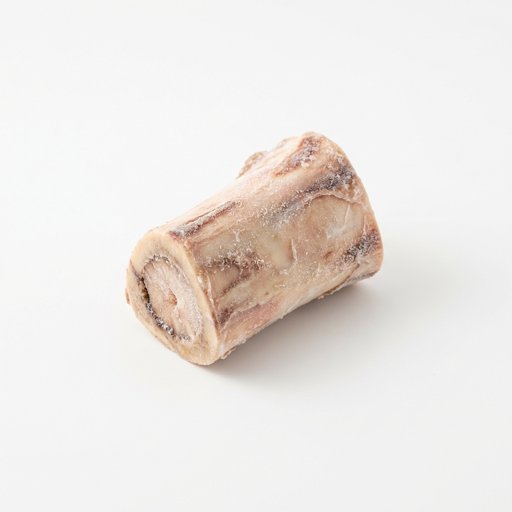
냉동 소 뼈 (종류 미특정 잡뼈 거래를 받음) 공급업체, 무역 및 가격 — 마켓 오버뷰 2026
상위 제품
소 뼈
하위 제품
냉동 소 사골, 냉동 소 도가니, 냉동 소 목뼈
파생 제품
비프 브로스, 비프 스톡
HS 코드
020629
최종 업데이트
2026-11-08
서치 및 소싱 팀을 위한 핵심 요약
- 냉동 소 뼈 (종류 미특정 잡뼈 거래를 받음) 마켓 커버리지는 131개 국가에 걸쳐 있습니다.
- 이 제품에 대해 글로벌 공급망 인텔리전스 네트워크에 수출업체 387개와 수입업체 514개가 색인되어 있습니다.
- 64,845건의 공급업체 연계 거래가 상위 20개 국가에 걸쳐 요약되어 있습니다.
- 이 페이지 데이터셋의 최신 기준 연도는 2026입니다.
- 페이지 데이터 최종 업데이트일: 2026-11-08.
냉동 소 뼈 (종류 미특정 잡뼈 거래를 받음)에 대한 글로벌 공급업체 거래, 수출 활동 및 가격 벤치마크
상위 20개 국가에 걸친 공급업체 연계 거래 64,845건을 분석하고, 월간 단가 벤치마크로 냉동 소 뼈 (종류 미특정 잡뼈 거래를 받음)의 수출 경쟁력과 소싱 리스크를 추적하세요.
냉동 소 뼈 (종류 미특정 잡뼈 거래를 받음) 국가별 공급업체 거래 및 수출 모멘텀 전년 대비 변화
냉동 소 뼈 (종류 미특정 잡뼈 거래를 받음)의 긍정적/부정적 전년 대비 변화를 비교해 성장하는 공급 시장과 약화되는 수출 경로를 식별하세요.
냉동 소 뼈 (종류 미특정 잡뼈 거래를 받음)의 YoY 변동 상위 국가는 아일랜드 (+434.8%), 브라질 (+386.7%), 니카라과 (+71.2%)입니다.
냉동 소 뼈 (종류 미특정 잡뼈 거래를 받음) 국가별 공급업체 거래 및 단가 요약
2025-12 기준으로 냉동 소 뼈 (종류 미특정 잡뼈 거래를 받음) 국가별 거래 건수와 월간 단가/물량을 비교해 공급업체 및 수출 시장 우선순위를 정하세요.
2026-05 기준, 노출 가능한 냉동 소 뼈 (종류 미특정 잡뼈 거래를 받음) 거래 단가가 있는 국가는 대한민국 (6.48 USD / kg), 뉴질랜드 (5.51 USD / kg), 니카라과 (5.22 USD / kg), 파나마 (4.35 USD / kg), 아일랜드 (4.21 USD / kg), 외 10개국입니다.
원산지별 최신 월별 가격 보기
| 국가 | 전년 대비 변화 | 거래 건수 | 2025-12 | 2026-01 | 2026-02 | 2026-03 | 2026-04 | 2026-05 | 2026-06 | 2026-07 | 2026-08 | 2026-09 | 2026-10 | 2026-11 |
|---|---|---|---|---|---|---|---|---|---|---|---|---|---|---|
| 호주 | +23.5% | 499 | 1.48 USD / kg (570,900.914 kg) | 1.16 USD / kg (1,316,721.321 kg) | 1.39 USD / kg (1,473,600.297 kg) | 1.37 USD / kg (911,713.044 kg) | 1.24 USD / kg (936,180.992 kg) | 1.32 USD / kg (924,692.214 kg) | ||||||
| 미국 | +31.1% | 138 | 1.23 USD / kg (123,027.32 kg) | 1.70 USD / kg (120,633.611 kg) | 1.26 USD / kg (851,307.318 kg) | 2.98 USD / kg (616,101.542 kg) | 1.74 USD / kg (319,973.549 kg) | 1.19 USD / kg (585,282.583 kg) | ||||||
| 멕시코 | -28.4% | 827 | 7.74 USD / kg (563,094.912 kg) | 4.63 USD / kg (192,907.379 kg) | 4.44 USD / kg (226,224.261 kg) | 4.12 USD / kg (259,098.171 kg) | 4.33 USD / kg (293,430.799 kg) | 3.78 USD / kg (60,488.97 kg) | ||||||
| 코스타리카 | - | 159 | - (-) | 1.90 USD / kg (314,976.89 kg) | 2.02 USD / kg (397,164.329 kg) | 3.02 USD / kg (427,439.828 kg) | 3.69 USD / kg (65,518.722 kg) | 2.14 USD / kg (136,766.821 kg) | ||||||
| 브라질 | +386.7% | 147 | 0.43 USD / kg (14,250 kg) | 2.96 USD / kg (220,420.448 kg) | 2.28 USD / kg (294,797.288 kg) | 1.87 USD / kg (461,709.699 kg) | 2.03 USD / kg (468,192.365 kg) | 3.41 USD / kg (222,384.59 kg) | ||||||
| 칠레 | -52.7% | 114 | - (-) | 0.98 USD / kg (24,789.08 kg) | 1.14 USD / kg (20,388.74 kg) | 1.04 USD / kg (17,898 kg) | 1.59 USD / kg (15,625.48 kg) | 1.81 USD / kg (36,062.63 kg) | ||||||
| 니카라과 | +71.2% | 106 | 6.41 USD / kg (19,340 kg) | 4.92 USD / kg (42,915.4 kg) | 3.57 USD / kg (123,932.194 kg) | 4.35 USD / kg (61,788.722 kg) | 5.12 USD / kg (21,127.743 kg) | 5.22 USD / kg (16,935.774 kg) | ||||||
| 파라과이 | -59.9% | 84 | - (-) | 0.63 USD / kg (263,341.61 kg) | 1.20 USD / kg (163,929.99 kg) | 2.14 USD / kg (463,849.44 kg) | 0.62 USD / kg (622,845.33 kg) | 0.38 USD / kg (376,727.6 kg) | ||||||
| 아일랜드 | +434.8% | 58 | - (-) | 6.46 USD / kg (18,100 kg) | 6.50 USD / kg (49,502.9 kg) | 6.91 USD / kg (266,816.4 kg) | 6.10 USD / kg (128,800 kg) | 4.21 USD / kg (204,061.08 kg) | ||||||
| 대한민국 | - | 50 | - (-) | 3.37 USD / kg (8,840 kg) | - (-) | 4.66 USD / kg (120,729.26 kg) | 4.61 USD / kg (125,557.85 kg) | 6.48 USD / kg (55,547.45 kg) |
냉동 소 뼈 (종류 미특정 잡뼈 거래를 받음) Global Supply Chain Coverage
901개 기업
냉동 소 뼈 (종류 미특정 잡뼈 거래를 받음)에 대해 수출업체 387개와 수입업체 514개가 매핑되어 있습니다.
수출업체와 수입업체는 Tridge 공급망 인텔리전스의 기업 프로필 및 분석을 활용해 냉동 소 뼈 (종류 미특정 잡뼈 거래를 받음) 거래 상대를 식별하고, 시장 도달 범위를 벤치마킹하며, 시장별 아웃리치 우선순위를 정할 수 있습니다.
냉동 소 뼈 (종류 미특정 잡뼈 거래를 받음) 수출 공급업체 인텔리전스, 무역 흐름 및 가격 시그널
냉동 소 뼈 (종류 미특정 잡뼈 거래를 받음)에 대해 Tridge Supply Chain Intelligence에 수출업체 387개가 매핑되어 있습니다. 수출업체와 수입업체는 회사 프로필 및 분석을 활용해 공급업체 커버리지, 거래 활동, 경로 기회를 평가할 수 있습니다.
냉동 소 뼈 (종류 미특정 잡뼈 거래를 받음) 검증된 수출 공급업체 및 프리미엄 파트너
프리미엄 냉동 소 뼈 (종류 미특정 잡뼈 거래를 받음) 공급업체 2개는 국가, 산업, 연락 가능성 시그널을 포함해 신뢰할 수 있는 수출 파트너를 더 빠르게 우선순위화할 수 있게 합니다.
The Organic Meat Company Limited
파키스탄
축산, 식품 제조
Highford Marketing Group Limited
뉴질랜드
기타
프리미엄 공급업체로 가입하여 Tridge 공급망 네트워크에 참여하고 마케팅 및 수출 채널 전략을 고도화하세요.
냉동 소 뼈 (종류 미특정 잡뼈 거래를 받음) 상위 수출업체 및 공급업체 프로필
선도 수출업체 프로필을 검토하고 냉동 소 뼈 (종류 미특정 잡뼈 거래를 받음) 공급망 인텔리전스 네트워크의 전체 수출업체 387개와 비교해 보세요. 수출업체와 수입업체는 회사 프로필 및 분석을 잠금 해제해 파트너를 더 빠르게 검증할 수 있습니다.
(아르헨티나)
최근 수출 거래: 2026-08-21
최근 수출 파트너 기업: 3
임직원 규모: 직원 1000명 초과
매출액: 매출 USD 1B 초과
산업군: 축산, 식품 제조
밸류체인 역할: 농업 / 생산 / 가공 / 포장, 식품 제조
수출 국가: 싱가포르, 캐나다, 브라질, 네덜란드, 이탈리아, 이스라엘, 독일, 미국, 칠레, 중국
공급 제품: 소 우둔·설도, 소 서로인, 소 도체 +5
(아르헨티나)
최근 수출 거래: 2026-06-30
최근 수출 파트너 기업: 1
임직원 규모: 직원 1000명 초과
매출액: 매출 USD 1B 초과
산업군: 축산, 식품 제조
밸류체인 역할: 유통 / 도매, 농업 / 생산 / 가공 / 포장, 식품 제조
수출 국가: 포르투갈, 스페인, 미국, 큐라소, 이탈리아, 이스라엘, 브라질, 독일, 네덜란드, 중국
공급 제품: 소 서로인, 소 우둔·설도, 소 뼈 +5
(아르헨티나)
최근 수출 거래: 2026-06-30
최근 수출 파트너 기업: 3
임직원 규모: 직원 1000명 초과
매출액: 매출 USD 1B 초과
산업군: 축산, 식품 제조, 식품 포장
밸류체인 역할: 유통 / 도매, 농업 / 생산 / 가공 / 포장, 식품 제조, 물류, 무역
수출 국가: 포르투갈, 우루과이, 이스라엘, 독일, 영국, 이탈리아, 브라질, 미국, 네덜란드, 중국
공급 제품: 소 양지, 소 서로인, 소 우둔·설도 +5
(아르헨티나)
최근 수출 거래: 2026-06-30
최근 수출 파트너 기업: 7
임직원 규모: 직원 1000명 초과
매출액: 매출 USD 500M - 1B
산업군: 축산, 식품 제조, 기타
밸류체인 역할: 농업 / 생산 / 가공 / 포장
수출 국가: 페루, 멕시코, 말레이시아, 칠레, 그리스, 포르투갈, 미국, 독일, 중국, 이스라엘
공급 제품: 소 우둔·설도, 소 서로인, 소 양지 +5
(아르헨티나)
최근 수출 거래: 2026-04-27
최근 수출 파트너 기업: 3
임직원 규모: 직원 1000명 초과
매출액: 매출 USD 1B 초과
산업군: 식품 제조
밸류체인 역할: 유통 / 도매, 농업 / 생산 / 가공 / 포장, 식품 제조
수출 국가: 포르투갈, 노르웨이, 이탈리아, 이스라엘, 브라질, 미국, 독일, 네덜란드, 칠레, 중국
공급 제품: 소 우둔·설도, 소 서로인, 소 양지 +5
(아르헨티나)
최근 수출 거래: 2026-06-30
최근 수출 파트너 기업: 2
임직원 규모: 직원 501 - 1000명
산업군: 축산, 식품 제조
밸류체인 역할: 농업 / 생산 / 가공 / 포장, 식품 제조, 무역
수출 국가: 스페인, 포르투갈, 브라질, 이탈리아, 미국, 칠레, 네덜란드, 독일, 이스라엘, 중국
공급 제품: 소 우둔·설도, 소 서로인, 소 척 +5
트릿지 아이에서 전체 그림 보기: 가격·거래 전체 이력 · 725,009+ 기업 프로필
냉동 소 뼈 (종류 미특정 잡뼈 거래를 받음) 글로벌 수출업체 커버리지
387개 기업
수출업체 수는 냉동 소 뼈 (종류 미특정 잡뼈 거래를 받음)의 공급 깊이와 소싱 선택지의 핵심 신호입니다.
공급망 인텔리전스 분석을 활용해 냉동 소 뼈 (종류 미특정 잡뼈 거래를 받음) 기회를 국가, 제품, 밸류체인 역할로 좁힌 뒤 기업 프로필을 열어 적합성을 검증하세요.
냉동 소 뼈 (종류 미특정 잡뼈 거래를 받음)의 주요 수출국 (HS 코드 020629) 2024
냉동 소 뼈 (종류 미특정 잡뼈 거래를 받음)의 2024년 기준, 상위 공급국 10개의 수출 물량과 금액을 비교해 핵심 공급 구조를 파악하세요.
| 순위 | 국가 | 물량 | 금액 |
|---|---|---|---|
| 1 | 호주 | 133,839,618.58 kg | 419,485,630.58 USD |
| 2 | 홍콩 | 175,733,779 kg | 402,639,743.43 USD |
| 3 | 미국 | 145,336,298 kg | 391,313,674 USD |
| 4 | 브라질 | 163,327,096 kg | 324,497,577 USD |
| 5 | 캐나다 | 50,015,487 kg | 222,109,821.463 USD |
| 6 | 인도 | 100,466,787 kg | 214,353,556.544 USD |
| 7 | 네덜란드 | 55,955,750.55 kg | 110,206,447.951 USD |
| 8 | 뉴질랜드 | 23,303,198 kg | 98,378,910.62 USD |
| 9 | 아르헨티나 | 49,364,402.36 kg | 77,357,603.52 USD |
| 10 | 아일랜드 | 29,207,429 kg | 65,873,509.191 USD |
냉동 소 뼈 (종류 미특정 잡뼈 거래를 받음) 수출 무역 흐름 및 파트너 국가 요약
냉동 소 뼈 (종류 미특정 잡뼈 거래를 받음)의 수출국-수입국 흐름을 금액, 물량, 점유율 기준으로 추적해 잠재력 높은 수출 경로를 발굴하세요.
Tridge Ark · 수입 가능성 진단
냉동 소 뼈 (종류 미특정 잡뼈 거래를 받음), 어디서 들여오는 게 좋을까요?
필요한 스펙과 물량만 알려주세요. 실제로 소싱이 되는지, 어떤 원산지와 공급사가 맞는지 짚어드려요.
무료 가능성 진단은 가입 없이 받을 수 있습니다.
냉동 소 뼈 (종류 미특정 잡뼈 거래를 받음) 수입 바이어 인텔리전스, 수요 시그널 및 가격 벤치마크
냉동 소 뼈 (종류 미특정 잡뼈 거래를 받음) 수요 인텔리전스를 위해 수입업체 514개가 매핑되어 있습니다. Supply Chain Intelligence 회사 프로필 및 분석으로 시장별 바이어, 유통업체, 다운스트림 수요 파트너의 우선순위를 정하세요.
냉동 소 뼈 (종류 미특정 잡뼈 거래를 받음) 상위 바이어, 수입업체 및 수요 파트너
선도 바이어 프로필을 검토하고 냉동 소 뼈 (종류 미특정 잡뼈 거래를 받음)에 대해 추적되는 전체 수입업체 514개와 비교해 보세요. 수출업체와 수입업체는 Supply Chain Intelligence 회사 프로필 및 분석을 활용해 바이어 품질과 수요 집중도를 평가할 수 있습니다.
(미국)
최근 수입 거래: 2026-08-31
최근 수입 파트너 기업: 1
임직원 규모: 직원 51 - 100명
매출액: 매출 USD 10M - 50M
산업군: 식품 제조
밸류체인 역할: -
(대한민국)
최근 수입 거래: 2026-11-05
최근 수입 파트너 기업: 3
산업군: 브로커 및 무역 대행, 식품 제조, 식품 포장
밸류체인 역할: 미국
(미국)
최근 수입 거래: 2026-10-08
최근 수입 파트너 기업: 1
임직원 규모: 직원 11 - 50명
매출액: 매출 USD 1M - 5M
산업군: 브로커 및 무역 대행, 식품 제조, 식음료 서비스업
밸류체인 역할: -
(미국)
최근 수입 거래: 2025-12-28
최근 수입 파트너 기업: 1
산업군: 식품 제조, 식음료 서비스업, 식품 도매
밸류체인 역할: -
(미국)
최근 수입 거래: 2026-08-31
최근 수입 파트너 기업: 1
임직원 규모: 직원 101 - 500명
매출액: 매출 USD 10M - 50M
산업군: 식품 제조, 식품 도매
밸류체인 역할: -
(칠레)
최근 수입 거래: 2026-10-08
최근 수입 파트너 기업: 3
산업군: 축산, 브로커 및 무역 대행, 식품 제조
밸류체인 역할: -
트릿지 아이에서 전체 그림 보기: 가격·거래 전체 이력 · 725,009+ 기업 프로필
글로벌 수입업체 커버리지
514개 기업
수입업체 수는 냉동 소 뼈 (종류 미특정 잡뼈 거래를 받음)에 대한 수요 측 가시성의 현재 깊이를 보여줍니다.
공급망 인텔리전스 분석과 기업 프로필을 활용해 활동 중인 냉동 소 뼈 (종류 미특정 잡뼈 거래를 받음) 바이어를 식별하고, 국가별 파트너 밀도를 비교하며, GTM 우선순위를 정교화하세요.
냉동 소 뼈 (종류 미특정 잡뼈 거래를 받음)의 주요 수입 수요 국가 (HS 코드 020629) 2024
냉동 소 뼈 (종류 미특정 잡뼈 거래를 받음)의 2024년 기준, 상위 수요국 10개의 수입 물량과 금액을 비교해 우선 시장을 식별하세요.
| 순위 | 국가 | 물량 | 금액 |
|---|---|---|---|
| 1 | 홍콩 | 197,022,344 kg | 548,548,163.355 USD |
| 2 | 미국 | 60,561,629 kg | 350,721,510 USD |
| 3 | 멕시코 | 47,668,347 kg | 268,295,358 USD |
| 4 | 대한민국 | 27,841,157.89 kg | 162,506,173 USD |
| 5 | 일본 | 13,216,097 kg | 85,263,049.435 USD |
| 6 | 캐나다 | 15,029,313.239 kg | 45,952,452.208 USD |
| 7 | 영국 | 14,192,905 kg | 36,260,069.377 USD |
| 8 | 말레이시아 | 17,770,848.38 kg | 29,771,167.482 USD |
| 9 | 네덜란드 | 21,678,291.561 kg | 27,483,293.757 USD |
| 10 | 태국 | 17,406,450 kg | 24,511,361.95 USD |
냉동 소 뼈 (종류 미특정 잡뼈 거래를 받음) 수입 무역 흐름 및 원산지 국가 요약
냉동 소 뼈 (종류 미특정 잡뼈 거래를 받음)의 원산지-도착지 무역 흐름을 금액, 물량, 점유율 기준으로 분석해 수요 측 소싱 채널을 모니터링하세요.
Tridge Ark · 수출 가능성 진단
우리 냉동 소 뼈 (종류 미특정 잡뼈 거래를 받음), 어느 바이어에게 팔 수 있을까요?
만드시는 제품만 알려주시면 됩니다. 지금 수출할 준비가 됐는지, 어느 시장이 맞는지 봐드려요.
무료 가능성 진단은 가입 없이 받을 수 있습니다.
냉동 소 뼈 (종류 미특정 잡뼈 거래를 받음)의 국가별 글로벌 도매 공급가 추이
냉동 소 뼈 (종류 미특정 잡뼈 거래를 받음) 국가별 월간 도매 공급가 요약
냉동 소 뼈 (종류 미특정 잡뼈 거래를 받음)의 수출 및 소싱 의사결정을 위한 국가별 월간 도매 단가 벤치마크입니다.
2026-05 기준, 노출 가능한 냉동 소 뼈 (종류 미특정 잡뼈 거래를 받음) 도매 단가가 있는 국가는 중국 (1.36 USD / kg)입니다.
| 국가 | 2025-12 | 2026-01 | 2026-02 | 2026-03 | 2026-04 | 2026-05 | 2026-06 | 2026-07 | 2026-08 | 2026-09 | 2026-10 | 2026-11 |
|---|---|---|---|---|---|---|---|---|---|---|---|---|
| 중국 | 1.54 USD / kg | 1.66 USD / kg | 1.67 USD / kg | 1.59 USD / kg | 1.35 USD / kg | 1.36 USD / kg |
냉동 소 뼈 (종류 미특정 잡뼈 거래를 받음) 주요 수출국별 도매 가격 경쟁력
냉동 소 뼈 (종류 미특정 잡뼈 거래를 받음)의 상위 수출국 1개 전반의 도매 가격 범위와 전년 대비 변화를 비교해 공급업체 가격 경쟁력을 벤치마킹하세요.
| 순위 | 국가 | 평균 | 하한 | 상한 | 전년 대비 |
|---|---|---|---|---|---|
| 1 | 중국 | 1.46 USD / kg | 1.10 USD / kg | 2.17 USD / kg | -13.3% |
최신 냉동 소 뼈 (종류 미특정 잡뼈 거래를 받음) 도매 수출 가격 업데이트
최신 2건의 냉동 소 뼈 (종류 미특정 잡뼈 거래를 받음) 도매 업데이트를 활용해 현재 수출 가격 포인트와 원산지 수준 공급업체 변화를 검증하세요.
| 일자 | 항목명 | 단가 (USD) | |
|---|---|---|---|
| 2026-11-01 | 棒骨 * *** ****** *** **** ****************** | 0.79 USD / kg | |
| 2026-11-01 | 牛骨 * *** ****** *** **** ****************** | 0.56 USD / kg |
Classification
Product TypeByproduct
Product FormFrozen
Industry PositionAnimal Slaughter Byproduct
Market
Frozen beef bones are a globally traded bovine byproduct used primarily for soup/stock bases, further processing (gelatin/collagen extraction), and pet food applications. Supply availability is structurally tied to cattle slaughter volumes, so major producing origins broadly overlap with the world’s largest beef-producing countries and established beef export hubs. Import demand is concentrated in markets with strong culinary and industrial use for bones and other bovine byproducts, particularly across parts of East and Southeast Asia. Trade is highly sensitive to animal-health and food-safety controls (notably FMD/BSE-related measures and “specified risk material” rules), which can trigger rapid market access disruptions.
Major Producing Countries
- 미국Major global cattle meat producer; byproduct supply scales with slaughter and processing volumes (see FAO/FAOSTAT livestock production datasets).
- 브라질Major global cattle meat producer and export-oriented beef supply chain (see FAO/FAOSTAT; ITC/UN Comtrade-derived trade views via ITC Trade Map for related bovine categories).
- 중국Large cattle meat producer; significant domestic utilization alongside import demand for various bovine products (see FAO/FAOSTAT).
- 인도Large bovine slaughter sector (including buffalo) that can generate sizable bovine byproduct streams; confirm product-specific trade flows by HS classification in ITC Trade Map/UN Comtrade.
- 호주Large cattle production and export-oriented processing sector with cold-chain logistics capabilities.
- 아르헨티나Significant cattle meat producer with export infrastructure; byproduct availability linked to processing volumes.
Major Exporting Countries
- 브라질Leading beef exporter; likely major exporter of bovine byproducts in categories where bones are reported (validate by HS code and product definition via ITC Trade Map/UN Comtrade).
- 호주Major beef exporter with established frozen cold-chain; frequently supplies bovine byproducts to Asian markets (validate by HS category).
- 미국Major beef exporter and processor; exports of bovine byproducts depend on destination market access requirements (SPS, SRM rules).
- 인도Major exporter of bovine meat (often buffalo); product-specific inclusion of “bones” depends on HS classification and destination requirements.
- 뉴질랜드Export-oriented meat processing sector; participates in trade of frozen animal products and byproducts (validate by HS category).
- 우루과이Export-oriented beef sector; byproduct exports depend on importer specifications and certification requirements.
Major Importing Countries
- 중국Large import market for a range of bovine products; bones may appear within broader bovine byproduct/offal trade categories depending on HS coding (validate in ITC Trade Map/UN Comtrade).
- 홍콩Regional trading and consumption hub for imported meat/byproducts; product reporting depends on HS classification.
- 베트남Strong foodservice and culinary demand for soup/stock inputs in the region; confirm product-specific trade by HS classification.
- 필리핀Demand for imported meat and byproducts varies with domestic supply and price; confirm product-specific flows by HS classification.
- 대한민국Imports a range of beef products and byproducts under strict SPS and labeling rules; product-specific trade depends on market access conditions.
- 일본Imports beef and related products under stringent food safety/SPS controls; any bone/byproduct imports are sensitive to disease-status and SRM-related restrictions.
Specification
Physical Attributes
- Common commercial cuts include marrow-rich long bones (e.g., femur/tibia), knuckle/joint bones, and rib/back bones; cut mix varies by processor and buyer specification.
- Residual meat trim levels and marrow exposure influence buyer acceptance for culinary vs. industrial use.
Compositional Metrics
- Collagen/connective tissue yield tends to be higher in joint/knuckle bones, while marrow fat is more prominent in long bones; buyers often specify acceptable fat/lean residue and cleanliness rather than a single universal metric.
Grades
- Buyer specifications commonly distinguish “edible culinary” bones (human food channel) versus “industrial/rendering/pet food” grades based on inspection status, cleanliness, and documentation.
- Market access may require veterinary certification and compliance declarations related to BSE/FMD controls and SRM handling, depending on destination regulations.
Packaging
- Frozen bulk cartons or poly-lined boxes; palletized for cold storage and containerized export.
- Some buyers request size-sorted pieces or frozen blocks depending on downstream processing (stock production vs. extraction).
ProcessingSuitable for thermal extraction into stock/broth and for gelatin/collagen processing where permitted; downstream yield and quality depend on bone type, trim level, and hygienic handling.
Supply Chain
Value Chain
- Slaughter and carcass dressing → deboning/cutting → bone segregation and trimming → rapid freezing → frozen storage → reefer-container export → import cold store → further cutting/portioning or industrial processing (stock, extraction, pet food).
Demand Drivers
- Culinary demand for soup/stock bases in retail and foodservice (bones as a functional flavor/gelatin source).
- Industrial demand for gelatin/collagen inputs where regulatory conditions allow.
- Pet food and pet treat manufacturing demand for animal byproducts.
Temperature
- Cold-chain integrity is central: temperature abuse (partial thaw/refreeze) increases drip loss, quality deterioration, and food safety risk.
- Segregation and clear labeling are important when edible and non-edible byproduct streams coexist in the same facility or logistics network.
Atmosphere Control
- Controlled-atmosphere handling is generally less relevant than strict frozen storage and minimizing temperature fluctuations during transport.
Shelf Life
- Frozen storage enables long-distance trade; practical shelf life is driven by sustained hard-frozen conditions and protection from dehydration/freezer burn.
Risks
Animal Health HighFoot-and-mouth disease (FMD) outbreaks and BSE risk-status concerns can trigger immediate import restrictions or heightened certification requirements for bovine products and byproducts, disrupting trade flows and stranding frozen inventory in transit or at destination ports.Prioritize sourcing from establishments and origins aligned with destination-market SPS requirements; monitor WOAH disease status updates and maintain contingency origins and flexible destination approvals.
Regulatory Compliance HighBSE-related “specified risk material” (SRM) rules and destination-specific definitions of permitted bovine tissues can restrict which bones are allowed for human consumption and how they must be handled, documented, and segregated; non-compliance can lead to border rejections and recalls.Implement strict SRM identification/removal procedures, validated segregation, and documentation (age/species verification where required); align product specs to each destination’s import rule set.
Food Safety MediumCross-contamination risks in slaughter and deboning environments (pathogens and foreign material) can be amplified when products are later used for ready-to-eat broth/stock applications without adequate kill-step validation in downstream operations.Require HACCP-based controls, sanitation verification, and strong inspection/veterinary certification; downstream users should validate thermal processes and prevent post-cook contamination.
Logistics MediumReefer constraints, port delays, and temperature excursions can degrade quality and create claims/disputes even if the product remains legally safe, especially for buyers targeting premium culinary bone segments.Use temperature monitoring (data loggers), define clear receiver acceptance criteria, and contract for reliable reefer capacity with contingency routing.
Sustainability MediumRising due-diligence and deforestation-free expectations for cattle-linked supply chains can increase audit burden and restrict eligible sourcing regions, particularly for buyers with strict ESG procurement policies.Adopt traceability and supplier mapping proportional to risk (including indirect sourcing where relevant), and align with credible third-party frameworks and disclosure practices.
Sustainability
- High climate footprint exposure because supply is linked to cattle production; beef-related value chains face ongoing scrutiny over greenhouse gas emissions (see OECD-FAO Agricultural Outlook and FAO references cited therein).
- Deforestation and land-use change risk in parts of the cattle supply chain, especially where pasture expansion has been associated with forest conversion in the Amazon Basin; traceability expectations are rising for cattle-linked commodities (see FAO and WWF references).
- Byproduct valorization theme: using bones for food/industrial purposes can reduce waste and improve whole-carcass utilization, but it does not remove upstream cattle-sector environmental impacts.
Labor & Social
- Worker health and safety risks in slaughtering and meat processing (sharp tools, machinery, biological agents, sanitation chemicals); robust OSH programs are a recurring compliance expectation (see ILO references).
- Reliance on migrant, temporary, or contract labor in some processing regions can elevate vulnerability to poor working conditions if oversight is weak; buyers may increase audits and require documented labor standards adherence (see ILO references).
FAQ
What are the main end uses of frozen beef bones in international trade?Frozen beef bones are primarily used as inputs for soup and stock production in foodservice and retail, and in some cases for industrial processing such as gelatin/collagen extraction or pet food manufacturing. The exact end use depends on buyer specifications, inspection status, and destination-market rules described in this record.
Why can animal-disease events quickly disrupt frozen beef bone trade?Because frozen beef bones are bovine products, importing countries often link market access to animal-health risk management. WOAH-listed diseases such as foot-and-mouth disease and frameworks around BSE risk status can lead to rapid import restrictions, additional certification demands, or temporary suspensions, which is why animal-health risk is highlighted as the top global disruption risk here.
What compliance topic is most likely to create border rejections for frozen beef bones?BSE-related controls and destination-specific rules on specified risk materials are a common trigger for rejections if the product definition, segregation, or documentation does not match the importing country’s requirements. This record flags SRM-related compliance as a high-severity regulatory risk and notes that requirements can differ by market.
Sources
냉동 소 뼈 (종류 미특정 잡뼈 거래를 받음) 공급업체, 수출 흐름, 가격 데이터 국가 커버리지
공급업체 커버리지, 무역 흐름, 가격 벤치마크를 위해 냉동 소 뼈 (종류 미특정 잡뼈 거래를 받음)의 국가별 마켓 페이지를 탐색하세요.


전체 국가 마켓 페이지: 영국, 말레이시아, 니카라과, 파라과이, 태국, 파나마, 러시아, 우간다, 베트남, 덴마크, 레소토, 남아프리카, 필리핀, 우루과이, 사우디아라비아, 인도네시아, 싱가포르, 폴란드, 이탈리아, 스페인, 독일, 벨기에, 카자흐스탄, 스웨덴, 아랍에미리트, 프랑스, 포르투갈, 엘살바도르, 터키, 오스트리아, 마카오, 그리스, 우크라이나, 파키스탄, 우즈베키스탄, 이집트, 이스라엘, 케냐, 페루, 모로코, 슬로바키아, 콜롬비아, 가나, 아제르바이잔, 코트디부아르, 라트비아, 루마니아, 라이베리아, 스와질란드, 몰도바, 보츠와나, 키르기스스탄, 푸에르토리코, 불가리아, 탄자니아, 볼리비아, 헝가리, 쿠웨이트, 에콰도르, 카타르, 세르비아, 잠비아, 온두라스, 대만, 스위스, 바하마, 핀란드, 스리랑카, 도미니카 공화국, 리투아니아, 과테말라, 크로아티아, 캄보디아, 안도라, 알바니아, 아르메니아, 보스니아 헤르체고비나, 바베이도스, 부르키나파소, 바레인, 베냉, 버뮤다, 브루나이, 벨리즈, 콩고 민주 공화국, 쿠바, 키프로스, 체코, 에스토니아, 에티오피아, 피지, 가봉, 감비아, 이란, 아이슬란드, 자메이카, 요르단, 라오스, 룩셈부르크, 몬테네그로, 마케도니아, 미얀마 [버마], 몽골, 몰타, 모리셔스, 모잠비크, 나미비아, 니제르, 노르웨이, 오만, 슬로베니아, 세네갈, 타지키스탄, 튀니지, 세인트빈센트 그레나딘
Tridge Ark · 수출·수입 가능성 진단
냉동 소 뼈 (종류 미특정 잡뼈 거래를 받음), 사는 쪽이세요 파는 쪽이세요?
어느 쪽이든 몇 가지만 답해주시면 됩니다. 어디서 살 수 있는지, 누구에게 팔 수 있는지 정리해서 보내드릴게요.
무료 가능성 진단은 가입 없이 받을 수 있습니다.
'쿠키 허용'을 클릭하면 통계 및 개인 선호도 산출을 위한 쿠키 제공에 동의하게 됩니다.
개인정보 보호정책에서 쿠키에 대한 자세한 내용을 확인할 수 있습니다.