아랍에미리트 레시틴 가격 및 무역 — 마켓 오버뷰 2026
파생 제품
화이트 초콜릿, 휘핑 디저트 분말, 초콜릿 바, 벨기에 초콜릿 모음, +13
HS 코드
292320
최종 업데이트
2026-10-19
서치 및 소싱 팀을 위한 핵심 요약
- 이 페이지 데이터셋의 최신 기준 연도는 2024입니다.
- 페이지 데이터 최종 업데이트일: 2026-10-19.
아랍에미리트 내 레시틴 수출 공급업체 인텔리전스, 가격 추이 및 무역 흐름
Supply Chain Intelligence 기업 프로필 및 분석으로 아랍에미리트의 레시틴 수출업체 커버리지, 파트너 품질, 경로 우선순위를 검증하세요.
아랍에미리트 내 레시틴의 연간 수출 금액, 물량 및 공급업체 시장 규모 (HS 코드 292320)
아랍에미리트의 레시틴 수출 물량/금액 2년치를 분석해 공급 측 시장 성장, 계절성, 무역 변동성을 평가하세요.
| 연도 | 물량 | 금액 |
|---|---|---|
| 2023 | 438,268 | 1,441,872 USD |
| 2022 | 408,788 | 775,739 USD |
Tridge Ark · 수입 가능성 진단
아랍에미리트산 레시틴, 우리도 들여올 수 있을까요?
필요한 스펙과 물량만 알려주세요. 실제로 소싱이 되는지, 어떤 원산지와 공급사가 맞는지 짚어드려요.
무료 가능성 진단은 가입 없이 받을 수 있습니다.
아랍에미리트의 레시틴 수입 바이어 인텔리전스 및 가격 시그널: 바이어, 수요, 거래 파트너
수출업체와 수입업체는 Supply Chain Intelligence 기업 프로필 및 분석으로 아랍에미리트의 레시틴 구매 수요, 파트너 밀도, 다운스트림 채널을 분석할 수 있습니다.
아랍에미리트 내 레시틴의 연간 수입 금액, 물량 및 수요 규모 (HS 코드 292320)
아랍에미리트의 레시틴 수입 물량/금액 2년치를 추적해 수요 성장과 시장 모멘텀을 평가하세요.
| 연도 | 물량 | 금액 |
|---|---|---|
| 2023 | 742,864 | 3,600,350 USD |
| 2022 | 1,321,569 | 3,529,252 USD |
Tridge Ark · 수출 가능성 진단
우리 레시틴, 이 아랍에미리트 바이어들에게 팔 수 있을까요?
만드시는 제품만 알려주시면 됩니다. 지금 수출할 준비가 됐는지, 어느 시장이 맞는지 봐드려요.
무료 가능성 진단은 가입 없이 받을 수 있습니다.
Classification
Product TypeIngredient
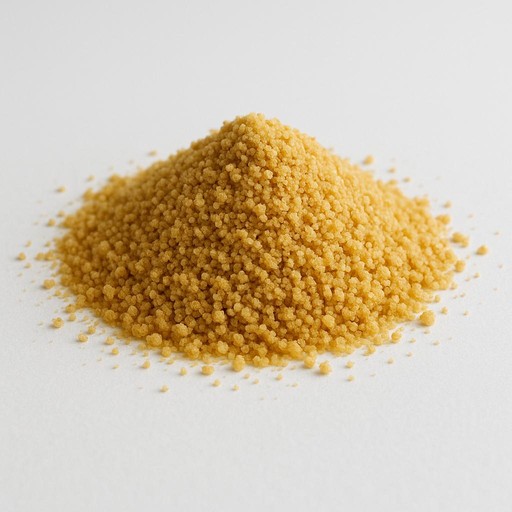
Product FormFood-grade emulsifier (typically liquid or de-oiled powder/granules)
Industry PositionFood Additive / Functional Ingredient
Market
Lecithin in the United Arab Emirates (UAE) functions primarily as an imported food ingredient used across the country’s food manufacturing and imported processed-food supply chains, with compliance anchored to GCC/UAE technical regulations for additives, labeling, and (where applicable) halal. UN Comtrade-derived data (via WITS) indicates the UAE imports HS 292320 (lecithins and other phosphoaminolipids) and also exports the same HS code, consistent with a regional trading and re-export role. Recent WITS partner data shows India and China among the significant suppliers to the UAE for HS 292320 in the referenced years. Dubai Municipality positions Dubai as a major food trade hub with significant import and re-export volumes managed through its Food Import and Export System.
Market RoleNet importer and regional re-export hub (import-dependent ingredient market)
Domestic RoleB2B functional ingredient market supporting UAE food and beverage manufacturing and formulation, plus distribution into imported packaged-food supply chains
Specification
Supply Chain
Value Chain
- Exporter/manufacturer → sea freight into UAE → importer product registration/label assessment and consignment clearance (e.g., via Dubai Municipality food import/export controls for Dubai) → distributor → food manufacturers and/or re-export distribution
Freight IntensityLow
Transport ModeSea
Risks
Regulatory Compliance HighNon-compliance with UAE/GCC requirements for permitted additives/conditions of use, labeling declarations, and (for Dubai) municipal registration/clearance workflows can lead to shipment detention, refusal, rework (relabeling), or product withdrawal from the market.Pre-validate intended food-category uses against GSO 2500; align labeling/technical files with GSO 9; complete relevant Dubai Municipality food item registration/assessment before shipment release; secure halal documentation when required by customer or claim.
Sustainability MediumIf lecithin is soy-derived, downstream buyers may flag deforestation/conversion exposure and require additional traceability or certification, potentially limiting eligible origins or suppliers for certain programs.Offer sunflower (where feasible) or provide responsible-soy evidence (e.g., RTRS or equivalent verification) and origin documentation aligned to buyer sustainability policy.
Supply Concentration MediumTrade data for HS 292320 shows notable reliance on a limited set of supplying origins in the referenced years, creating exposure to supplier-country disruptions or compliance actions affecting those sources.Qualify at least two origin options (e.g., India/EU/other) and maintain safety stock for critical manufacturing schedules.
Sustainability
- Soy-based lecithin supply chains can carry land-conversion/deforestation exposure in origin regions; buyers may request deforestation- and conversion-free sourcing evidence and/or certification schemes (e.g., RTRS) depending on customer policy.
Labor & Social
- Soy expansion in some origin regions is associated with risks to local livelihoods and land-use conflict; supplier due diligence and credible certification/verification can be requested for higher-risk origins.
FAQ
Who are the main suppliers of lecithin (HS 292320) to the UAE?UN Comtrade-derived partner data via the World Bank WITS portal shows India and China among the leading exporters to the UAE for HS 292320 in the referenced years, alongside European suppliers (including the Netherlands and Spain in the 2023 partner list).
Which standards are most relevant for lecithin as a food additive/ingredient in the UAE market?GSO 2500 governs which food additives are permitted for use and references Codex GSFA/JECFA safety bases, while GSO 9 sets core rules for labeling of prepackaged foods in the GCC context, which affects how lecithin-containing foods declare ingredients and related statements.
When is halal documentation relevant for lecithin in the UAE?Halal requirements are conditional by customer and claim: MoIAT describes the UAE’s halal control framework and references halal standards (including UAE.S 2055-1 / GSO 2055-1). If the lecithin or downstream products are marketed as halal or supplied into halal-certified production, halal-related documentation may be required by the buyer and/or certification workflow.
Sources


Tridge Ark · 수출·수입 가능성 진단
아랍에미리트 레시틴, 사는 쪽이세요 파는 쪽이세요?
어느 쪽이든 몇 가지만 답해주시면 됩니다. 어디서 살 수 있는지, 누구에게 팔 수 있는지 정리해서 보내드릴게요.
무료 가능성 진단은 가입 없이 받을 수 있습니다.
레시틴 연관 제품 카테고리
레시틴의 상위 제품, 하위 제품, 파생 제품, 원재료 제품 마켓 페이지를 둘러보세요.
파생 제품: 화이트 초콜릿, 휘핑 디저트 분말, 초콜릿 바, 벨기에 초콜릿 모음, 샌드위치 씬스, 초콜릿 헤이즐넛 스프레드, 아몬드 우유 음료, 즉석 단백질 쉐이크, 초콜릿 베이킹 드롭, 단백질 바, 밀크 초콜릿, 글루텐 프리 초콜릿 스프레드, 영양 분말, 초콜릿 떡, 단백질 푸딩, 초콜릿 칩, 초콜릿 비스킷 바
'쿠키 허용'을 클릭하면 통계 및 개인 선호도 산출을 위한 쿠키 제공에 동의하게 됩니다.
개인정보 보호정책에서 쿠키에 대한 자세한 내용을 확인할 수 있습니다.