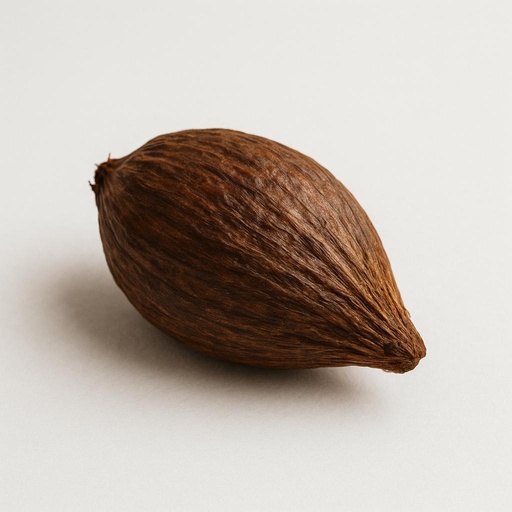
인도 팜씨 껍질 공급업체 및 가격 — 마켓 오버뷰 2026
최종 업데이트
2026-10-08
서치 및 소싱 팀을 위한 핵심 요약
- 인도에 대한 샘플 수출 거래 5건이 요약되어 있습니다.
- 인도의 팜씨 껍질에 대해 수출 파트너 기업 10개와 수입 파트너 기업 17개가 매핑되어 있습니다.
- 페이지 데이터 최종 업데이트일: 2026-10-08.
인도 내 팜씨 껍질 수출 공급업체 인텔리전스, 가격 추이 및 무역 흐름
인도의 팜씨 껍질에 대해 수출 파트너 기업 10개가 추적됩니다. Supply Chain Intelligence 회사 프로필 및 분석으로 수출업체 커버리지, 파트너 품질, 경로 우선순위를 검증하세요.
인도에서의 팜씨 껍질 수출 인텔리전스를 확인하세요. 샘플 공급업체 거래 5건, 월간 단가 범위, HS 코드 -의 파트너 국가 무역 흐름 패턴을 포함합니다.
스캐터 포인트는 전체 거래 데이터셋의 78.3%에서 샘플링되었습니다. 각 점은 실제 거래입니다. 가입하고 확인해 보세요 — 적정한 거래였는지 AI에게 물어볼 수도 있습니다.
팜씨 껍질의 인도 샘플 수출 공급업체 거래 기록
인도의 팜씨 껍질 샘플 거래 5건에는 수출 가격과 공급업체 거래 패턴 벤치마킹을 위한 날짜, 원산지, 파트너 국가 맥락이 포함됩니다.
인도의 팜씨 껍질 샘플 거래 단가(일자별): 2026-08-30: 0.32 USD / kg, 2026-08-15: 2.43 USD / kg, 2026-08-09: 2.61 USD / kg, 2026-08-09: 2.43 USD / kg, 2026-08-06: 2.65 USD / kg.
| 일자 | 신고 품목 | 단가 | 수출업체 | 수입업체 | |
|---|---|---|---|---|---|
| 2026-08-30 | AS *** ******* * ******* **** *************** *** * ** *** ********* ***** ******* ********** ******* * ******** | 0.32 USD / kg | (인도) | (몰타) | |
| 2026-08-15 | DRU** **** ****** ****** ******* *** * **** ***** | 2.43 USD / kg | (인도) | (독일) | |
| 2026-08-09 | COC**** ***** ****** ** ***** | 2.61 USD / kg | (인도) | (스페인) | |
| 2026-08-09 | DRU** **** ****** ****** ******* *** * **** ***** | 2.43 USD / kg | (인도) | (독일) | |
| 2026-08-06 | COC***** ***** ****** ** ** **** | 2.65 USD / kg | (인도) | (스페인) |
이 5건은 샘플입니다 — 트릿지에 가입하고 인도 팜씨 껍질 거래를 확인하세요
필요한 거래의 수출·수입업체와 가격을 확인하고, 적정한 거래였는지 AI에게 묻고, AI Curation으로 만들어 보세요.
인도 내 상위 팜씨 껍질 수출 공급업체 및 기업
선도 수출업체 프로필을 검토하고 인도의 팜씨 껍질에 대해 추적되는 전체 수출 파트너 기업 10개와 비교하세요. Supply Chain Intelligence 회사 프로필 및 분석으로 소싱 및 수출 파트너를 더 빠르게 선별할 수 있습니다.
(인도)
최근 수출 거래: 2026-09-08
임직원 규모: 직원 1000명 초과
매출액: 매출 USD 1B 초과
산업군: 기타
밸류체인 역할: 무역
(인도)
최근 수출 거래: 2026-09-08
산업군: 축산, 작물 생산, 식품 제조
밸류체인 역할: 유통 / 도매, 농업 / 생산 / 가공 / 포장, 식품 제조
(인도)
최근 수출 거래: 2026-09-08
산업군: 식품 제조
밸류체인 역할: 식품 제조
(인도)
최근 수출 거래: 2026-09-08
산업군: 기타
밸류체인 역할: 무역
(인도)
최근 수출 거래: 2026-09-08
산업군: 기타
밸류체인 역할: 물류
(인도)
최근 수출 거래: 2026-09-08
산업군: 기타
밸류체인 역할: 무역
트릿지 아이에서 전체 그림 보기: 가격·거래 전체 이력 · 725,009+ 기업 프로필
인도 수출 파트너 커버리지
10개 기업
총 수출 파트너 기업 수는 인도의 팜씨 껍질 수출 네트워크 깊이를 보여주는 핵심 신호입니다.
수출업체와 수입업체는 공급망 인텔리전스 기업 프로필 및 분석을 열어 인도 내 팜씨 껍질 파트너 집중도, 공급 역량 시그널, 무역 관련성을 평가할 수 있습니다.
소싱 진단
인도산 팜씨 껍질, 우리도 들여올 수 있을까요?
필요한 스펙과 물량만 알려주세요. 실제로 소싱이 되는지, 어떤 원산지와 공급사가 맞는지 짚어드려요.
무료 진단, 계정 없이 이용 가능합니다.
인도의 팜씨 껍질 수입 바이어 인텔리전스 및 가격 시그널: 바이어, 수요, 거래 파트너
인도의 팜씨 껍질에 대해 수입 파트너 기업 17개가 추적됩니다. 수출업체와 수입업체는 Supply Chain Intelligence 회사 프로필 및 분석을 활용해 바이어 수요, 파트너 밀도, 다운스트림 채널을 분석할 수 있습니다.
스캐터 포인트는 전체 거래 데이터셋의 100.0%에서 샘플링되었습니다. 각 점은 실제 거래입니다. 가입하고 확인해 보세요 — 적정한 거래였는지 AI에게 물어볼 수도 있습니다.
팜씨 껍질의 인도 샘플 수입 거래 및 가격 기록
인도의 팜씨 껍질 샘플 수입 거래 5건은 가격 수준과 수요 측 거래 패턴 벤치마킹을 위한 날짜, 원산지, 무역 국가 맥락을 제공합니다.
인도의 팜씨 껍질 샘플 수입 거래 단가(일자별): 2026-07-11: 0.22 USD / kg, 2026-07-03: 0.04 USD / kg, 2026-07-03: 0.26 USD / kg, 2026-06-19: 0.26 USD / kg, 2026-05-31: 0.26 USD / kg.
| 일자 | 신고 품목 | 단가 | 수출업체 | 수입업체 | 원산지 | |
|---|---|---|---|---|---|---|
| 2026-07-11 | COC**** ****** **** **** ******* ****** **** **** | 0.22 USD / kg | (-) | (-) | - | |
| 2026-07-03 | COC**** ***** *** ******* ***** *** | 0.04 USD / kg | (-) | (-) | - | |
| 2026-07-03 | PAL* ****** ******** *** ******** ******* ** ** ***** **** ****** ******** *** ******** ******* ** ** ***** | 0.26 USD / kg | (-) | (-) | - | |
| 2026-06-19 | PAL* ****** ******** *** ******** ******* ** ** ***** * | 0.26 USD / kg | (-) | (-) | - | |
| 2026-05-31 | PAL* ****** ******** *** ******** ******* ** ** ***** **** ****** ******** *** ******** ******* ** ** ***** | 0.26 USD / kg | (-) | (-) | - |
이 5건은 샘플입니다 — 트릿지에 가입하고 인도 팜씨 껍질 거래를 확인하세요
필요한 거래의 수출·수입업체와 가격을 확인하고, 적정한 거래였는지 AI에게 묻고, AI Curation으로 만들어 보세요.
인도 내 상위 팜씨 껍질 바이어, 수입업체 및 수요 파트너
선도 바이어 프로필을 검토하고 인도의 팜씨 껍질에 대해 추적되는 전체 수입 파트너 기업 17개와 비교하세요. 수출업체와 수입업체는 Supply Chain Intelligence 회사 프로필 및 분석으로 수요 측 파트너 적합도를 평가할 수 있습니다.
(인도)
최근 수입 거래: 2026-09-08
임직원 규모: 직원 11 - 50명
산업군: 음료 제조, 식품 제조, 식품 포장, 식음료 서비스업
밸류체인 역할: 유통 / 도매, 농업 / 생산 / 가공 / 포장, 식품 제조, 무역
(인도)
최근 수입 거래: 2026-09-08
산업군: 식품 제조, 식품 포장, 기타
밸류체인 역할: 식품 제조, 기타
(인도)
최근 수입 거래: 2026-09-08
임직원 규모: 직원 11 - 50명
산업군: 식품 제조, 식품 포장, 기타
밸류체인 역할: 식품 제조, 기타
(인도)
최근 수입 거래: 2026-09-08
산업군: 기타
밸류체인 역할: 유통 / 도매
(인도)
최근 수입 거래: 2026-09-08
산업군: 음료 제조, 식품 제조, 식품 포장, 식품 도매, 기타
밸류체인 역할: 유통 / 도매, 농업 / 생산 / 가공 / 포장, 식품 제조, 무역
(인도)
최근 수입 거래: 2026-09-08
임직원 규모: 직원 51 - 100명
산업군: 음료 제조, 식품 제조, 식품 포장
밸류체인 역할: 유통 / 도매, 식품 제조
트릿지 아이에서 전체 그림 보기: 가격·거래 전체 이력 · 725,009+ 기업 프로필
인도 수입 파트너 커버리지
17개 기업
수입 파트너 기업 수는 인도의 팜씨 껍질 수요 측 가시성을 보여줍니다.
공급망 인텔리전스 분석과 기업 프로필을 활용해 인도에서 활동 중인 팜씨 껍질 수입업체, 유통업체, 바이어 네트워크를 식별하세요.
수출 진단
우리 팜씨 껍질, 이 인도 바이어들에게 팔 수 있을까요?
만드시는 제품만 알려주시면 됩니다. 지금 수출할 준비가 됐는지, 어느 시장이 맞는지 봐드려요.
무료 진단, 계정 없이 이용 가능합니다.
가격 데이터
인도 팜씨 껍질 가격, 어디까지 필요하세요?
전체 가격 히스토리와 경쟁사 벤치마크를 열어드립니다. 어떤 숫자가 필요하신지만 말씀해 주시면 함께 살펴봐 드려요.
Classification
Product TypeByproduct
Product FormDry bulk
Industry PositionAgricultural Processing Byproduct (Biomass Feedstock)
Market
Palm kernel shell (PKS) in India is primarily an industrial biomass feedstock used for thermal energy and captive power in boilers, typically handled as a dry bulk byproduct of palm kernel processing. Domestic PKS availability is linked to India’s oil-palm cultivation and processing footprint, which the Government of India is expanding under the National Mission on Edible Oils – Oil Palm (NMEO-OP). Market access for imported PKS is sensitive to customs classification and to plant-quarantine requirements that can apply to plant products entering India. Sustainability and human-rights due diligence can be material because upstream palm supply chains in major producing countries have documented deforestation and labor-rights concerns that can create reputational and procurement risk for importers.
Market RoleImport-dependent industrial biomass feedstock market (limited domestic PKS availability)
Domestic RoleIndustrial solid-biomass fuel input for heat and power (boilers/captive generation), where available and economically competitive versus other biomass and fossil fuels.
Market GrowthNot Mentioned
Specification
Supply Chain
Value Chain
- Upstream palm oil/palm kernel processing (origin) → bulk handling/loading → sea freight to Indian port → customs/plant-quarantine processes (as applicable) → biomass trader/stockyard → industrial boiler/captive power end-user
Freight IntensityHigh
Transport ModeSea
Risks
Regulatory Compliance HighImport clearance can be blocked or significantly delayed if the consignment is treated as a regulated plant product and the required plant-quarantine documentation (e.g., import permit and/or phytosanitary certificate with any required declarations/treatment endorsements) is missing or inconsistent with the shipment.Confirm the plant-quarantine status of the specific PKS form (including any treatment/processing) before shipment; align the document pack (permit/phyto declarations, cleanliness requirements such as freedom from soil/plant debris) with the Plant Quarantine conditions and the port’s inspection workflow.
Logistics HighOcean freight volatility and port handling constraints can sharply change delivered cost and disrupt supply continuity for a bulk, low unit-value biomass fuel such as PKS.Diversify shipment windows and suppliers, align Incoterms and freight exposure with procurement strategy (e.g., FOB vs CIF), and build buffer inventory near consuming industrial clusters.
Sustainability MediumPKS is linked to the broader palm value chain, which is associated with deforestation and peatland impacts in major producing regions; weak traceability can trigger buyer rejection, negative publicity, or enhanced audit requirements.Require origin transparency and ESG documentation from suppliers, and maintain chain-of-custody records sufficient to answer deforestation and legality due diligence questions.
Labor And Human Rights MediumUpstream palm supply chains in key sourcing countries have been associated with child labor and forced labor risks (as flagged by ILAB), creating reputational and procurement risk for Indian importers and their end-users.Implement supplier due diligence focused on plantation labor practices and recruitment, and document risk screening and remediation expectations in contracts.
Sustainability
- Upstream palm supply chains linked to deforestation and peatland conversion risks in major producing countries; Indian PKS procurement can face ESG screening and buyer/financier scrutiny.
- Biomass fuel sustainability/carbon-claims scrutiny: buyers may challenge sustainability assertions if origin traceability and legality documentation are weak.
Labor & Social
- Supply-chain human-rights risk: U.S. Department of Labor (ILAB) has flagged palm-related goods in Malaysia and Indonesia as linked to inputs produced with child labor and forced labor (palm fruit sector), which can create reputational and compliance risk for downstream purchasers.
- Migrant worker and recruitment-related forced labor indicators in upstream plantations can trigger enhanced due diligence requests from multinational buyers and lenders.
FAQ
What is the main compliance risk when importing palm-kernel-shell into India?The biggest risk is clearance disruption if the shipment is treated as a regulated plant product and the required plant-quarantine documentation (such as an import permit and/or an original phytosanitary certificate with needed declarations) is missing or inconsistent, which can lead to detention and delay at the port.
How are import declarations filed for shipments arriving at Indian ports?Imports are declared through an electronic Bill of Entry filed via ICEGATE (Indian Customs Electronic Gateway), with supporting documents submitted through the customs electronic workflow.
Sources


수출·소싱 진단
인도 팜씨 껍질, 사는 쪽이세요 파는 쪽이세요?
어느 쪽이든 몇 가지만 답해주시면 됩니다. 어디서 살 수 있는지, 누구에게 팔 수 있는지 정리해서 보내드릴게요.
무료 진단, 계정 없이 이용 가능합니다.
'쿠키 허용'을 클릭하면 통계 및 개인 선호도 산출을 위한 쿠키 제공에 동의하게 됩니다.
개인정보 보호정책에서 쿠키에 대한 자세한 내용을 확인할 수 있습니다.