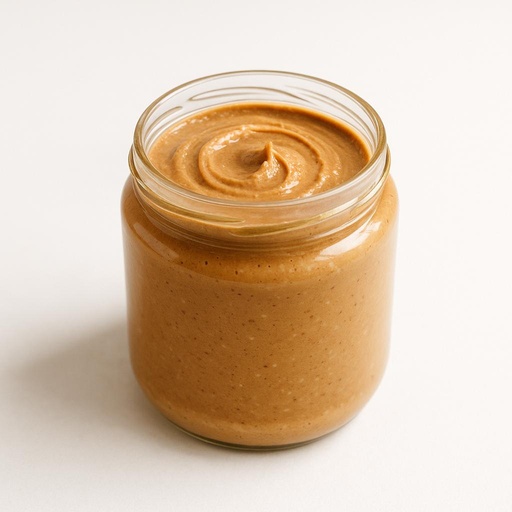
칠레 땅콩 페이스트 공급업체 및 가격 — 마켓 오버뷰 2026
HS 코드
200811
최종 업데이트
2026-10-19
서치 및 소싱 팀을 위한 핵심 요약
- 칠레에 대한 샘플 수출 거래 3건이 요약되어 있습니다.
- 칠레의 땅콩 페이스트에 대해 수출 파트너 기업(제조사 포함) 20개와 수입 파트너 기업 3개가 매핑되어 있습니다.
- 수출 파트너 국가 3개와 수입 파트너 국가 5개가 랭킹되어 있습니다.
- 이 페이지 데이터셋의 최신 기준 연도는 2024입니다.
- 페이지 데이터 최종 업데이트일: 2026-10-19.
칠레의 땅콩 페이스트 수출 공급업체·제조사 인텔리전스, 가격 동향, 무역 흐름
칠레의 땅콩 페이스트에 대해 수출 파트너 기업 20개가 추적됩니다. Supply Chain Intelligence 회사 프로필 및 분석으로 수출업체 커버리지, 파트너 품질, 경로 우선순위를 검증하세요.
칠레에서의 땅콩 페이스트 수출 인텔리전스를 확인하세요. 샘플 공급업체 거래 3건, 월간 단가 범위, HS 코드 200811의 파트너 국가 무역 흐름 패턴을 포함합니다.
스캐터 포인트는 전체 거래 데이터셋의 100.0%에서 샘플링되었습니다. 점 하나하나가 실제 거래입니다 — 클릭해서 상세 정보를 보고, 적정한 거래였는지 AI Chat에 물어보세요.
칠레의 땅콩 페이스트 샘플 수출 공급업체·제조사 거래 기록
칠레의 땅콩 페이스트 샘플 거래 3건에는 수출 가격과 공급업체 거래 패턴 벤치마킹을 위한 날짜, 원산지, 파트너 국가 맥락이 포함됩니다.
칠레의 땅콩 페이스트 샘플 거래 단가(일자별): 2026-05-22: 1.77 USD / kg, 2026-01-21: 1.92 USD / kg, 2025-12-29: 1.77 USD / kg.
| 일자 | 신고 품목 | 단가 | 수출업체 | 수입업체 | |
|---|---|---|---|---|---|
| 2026-05-22 | PAS** ** **** **** ******* ** *** *** ****** ************* ***** ** **** **** ****** * | 1.77 USD / kg | (칠레) | (페루) | |
| 2026-01-21 | PAS** ** **** **** ******* ** *** *** ****** ************* ***** ** **** **** ****** * | 1.92 USD / kg | (칠레) | (페루) | |
| 2025-12-29 | PAS** ** **** **** ******* ** *** *** ****** ************* ***** ** **** **** ****** * | 1.77 USD / kg | (칠레) | (페루) |
칠레의 땅콩 페이스트 선적 내역과 가격 보기
무료 계정으로 Tridge Eye에서 전체 시장을 열어 보세요
가입 후 기업 인증을 하세요 — 신규 인증 회사는 Tridge Eye Business를 무료로 체험할 수 있습니다.
칠레의 상위 땅콩 페이스트 수출 공급업체, 제조사 및 기업
선도 수출업체 프로필을 검토하고 칠레의 땅콩 페이스트에 대해 추적되는 전체 수출 파트너 기업 20개와 비교하세요. Supply Chain Intelligence 회사 프로필 및 분석으로 소싱 및 수출 파트너를 더 빠르게 선별할 수 있습니다.
(칠레)
최근 수출 거래: 2026-09-19
산업군: 식품 제조, 식품 포장, 식품 도매, 포워딩 및 복합운송, 기타
밸류체인 역할: 유통 / 도매, 식품 제조, 물류, 무역
(칠레)
최근 수출 거래: 2026-09-19
산업군: 식품 제조, 식음료 서비스업, 기타
밸류체인 역할: 식품 제조, 무역
(칠레)
최근 수출 거래: 2026-09-19
임직원 규모: 직원 1000명 초과
매출액: 매출 USD 1B 초과
산업군: 음료 제조, 식품 제조, 식음료 서비스업, 식품 도매
밸류체인 역할: 유통 / 도매, 식품 제조, 소매, 무역
(칠레)
최근 수출 거래: 2026-09-19
임직원 규모: 직원 11 - 50명
매출액: 매출 USD 10M - 50M
산업군: 음료 제조, 식품 제조, 식품 포장
밸류체인 역할: 유통 / 도매, 식품 제조
(칠레)
최근 수출 거래: 2026-09-19
임직원 규모: 직원 11 - 50명
매출액: 매출 USD 5M - 10M
산업군: 브로커 및 무역 대행, 식품 제조, 식품 포장, 식품 도매
밸류체인 역할: 유통 / 도매, 무역
(칠레)
최근 수출 거래: 2026-09-19
임직원 규모: 직원 1000명 초과
매출액: 매출 USD 1B 초과
산업군: 백화점, 식료품점
밸류체인 역할: 유통 / 도매, 소매, 무역
트릿지 아이에서 전체 그림 보기: 가격·거래 전체 이력 · 725,009+ 기업 프로필
칠레 수출 파트너 커버리지
20개 기업
총 수출 파트너 기업 수는 칠레의 땅콩 페이스트 수출 네트워크 깊이를 보여주는 핵심 신호입니다.
수출업체와 수입업체는 공급망 인텔리전스 기업 프로필 및 분석을 열어 칠레 내 땅콩 페이스트 파트너 집중도, 공급 역량 시그널, 무역 관련성을 평가할 수 있습니다.
칠레 내 땅콩 페이스트의 연간 수출 금액, 물량 및 공급업체 시장 규모 (HS 코드 200811)
칠레의 땅콩 페이스트 수출 물량/금액 2년치를 분석해 공급 측 시장 성장, 계절성, 무역 변동성을 평가하세요.
| 연도 | 물량 | 금액 |
|---|---|---|
| 2024 | 48,871 | 216,168 USD |
| 2022 | 108,112 | 284,958 USD |
칠레에서 수출되는 땅콩 페이스트의 주요 수출 대상 시장 (HS 코드 200811) 2024
2024년 기준, 칠레발 땅콩 페이스트 수출의 상위 목적지국 3개 전반에서 수출 물량과 금액을 비교하세요.
| 순위 | 국가 | 물량 | 금액 |
|---|---|---|---|
| 1 | 파나마 | 15,756.7 | 110,350.86 USD |
| 2 | 페루 | 32,020 | 100,854.4 USD |
| 3 | 미국 | 1,094.4 | 4,962.24 USD |
Tridge Ark · 수입 가능성 진단
칠레산 땅콩 페이스트, 우리도 들여올 수 있을까요?
필요한 스펙과 물량만 알려주세요. 실제로 소싱이 되는지, 어떤 원산지와 공급사가 맞는지 짚어드려요.
무료 가능성 진단은 가입 없이 받을 수 있습니다.
칠레의 땅콩 페이스트 수입 바이어 인텔리전스 및 가격 시그널: 바이어, 수요, 거래 파트너
칠레의 땅콩 페이스트에 대해 수입 파트너 기업 3개가 추적됩니다. 수출업체와 수입업체는 Supply Chain Intelligence 회사 프로필 및 분석을 활용해 바이어 수요, 파트너 밀도, 다운스트림 채널을 분석할 수 있습니다.
스캐터 포인트는 전체 거래 데이터셋의 54.5%에서 샘플링되었습니다. 점 하나하나가 실제 거래입니다 — 클릭해서 상세 정보를 보고, 적정한 거래였는지 AI Chat에 물어보세요.
땅콩 페이스트의 칠레 샘플 수입 거래 및 가격 기록
칠레의 땅콩 페이스트 샘플 수입 거래 5건은 가격 수준과 수요 측 거래 패턴 벤치마킹을 위한 날짜, 원산지, 무역 국가 맥락을 제공합니다.
칠레의 땅콩 페이스트 샘플 수입 거래 단가(일자별): 2026-08-31: 4.77 USD / kg, 2026-08-28: 14.63 USD / kg, 2026-08-28: 1.77 USD / kg, 2026-08-07: 1.48 USD / kg, 2025-11-12: 1.44 USD / kg.
| 일자 | 신고 품목 | 단가 | 수출업체 | 수입업체 | 원산지 | |
|---|---|---|---|---|---|---|
| 2026-08-31 | PAS** ** **** | 4.77 USD / kg | (-) | (-) | - | |
| 2026-08-28 | PAS** ** *************** | 14.63 USD / kg | (-) | (-) | - | |
| 2026-08-28 | PAS** ** **** | 1.77 USD / kg | (-) | (-) | - | |
| 2026-08-07 | PAS** ** **** | 1.48 USD / kg | (-) | (-) | - | |
| 2025-11-12 | PAS** ** **** | 1.44 USD / kg | (-) | (-) | - |
칠레의 땅콩 페이스트 선적 내역과 가격 보기
무료 계정으로 Tridge Eye에서 전체 시장을 열어 보세요
가입 후 기업 인증을 하세요 — 신규 인증 회사는 Tridge Eye Business를 무료로 체험할 수 있습니다.
칠레 내 상위 땅콩 페이스트 바이어, 수입업체 및 수요 파트너
선도 바이어 프로필을 검토하고 칠레의 땅콩 페이스트에 대해 추적되는 전체 수입 파트너 기업 3개와 비교하세요. 수출업체와 수입업체는 Supply Chain Intelligence 회사 프로필 및 분석으로 수요 측 파트너 적합도를 평가할 수 있습니다.
(칠레)
최근 수입 거래: 2026-09-19
임직원 규모: 직원 1000명 초과
매출액: 매출 USD 1B 초과
산업군: 축산, 식품 제조
밸류체인 역할: 유통 / 도매, 농업 / 생산 / 가공 / 포장, 식품 제조, 무역
(칠레)
최근 수입 거래: 2026-09-19
임직원 규모: 직원 1000명 초과
산업군: 음료 제조, 식품 제조, 기타
밸류체인 역할: 유통 / 도매, 식품 제조
(칠레)
최근 수입 거래: 2026-09-19
산업군: 기타
밸류체인 역할: 유통 / 도매
트릿지 아이에서 전체 그림 보기: 가격·거래 전체 이력 · 725,009+ 기업 프로필
칠레 수입 파트너 커버리지
3개 기업
수입 파트너 기업 수는 칠레의 땅콩 페이스트 수요 측 가시성을 보여줍니다.
공급망 인텔리전스 분석과 기업 프로필을 활용해 칠레에서 활동 중인 땅콩 페이스트 수입업체, 유통업체, 바이어 네트워크를 식별하세요.
칠레 내 땅콩 페이스트의 연간 수입 금액, 물량 및 수요 규모 (HS 코드 200811)
칠레의 땅콩 페이스트 수입 물량/금액 3년치를 추적해 수요 성장과 시장 모멘텀을 평가하세요.
| 연도 | 물량 | 금액 |
|---|---|---|
| 2024 | 10,030,440 | 23,652,762 USD |
| 2023 | 10,421,573 | 24,004,289 USD |
| 2022 | 9,579,636 | 19,304,849 USD |
칠레에 땅콩 페이스트를 공급하는 주요 원산지 공급국 (HS 코드 200811) 2024
2024년 기준, 칠레로 땅콩 페이스트를 공급하는 상위 원산 공급국 5개 전반의 수입 물량과 금액을 비교하세요.
| 순위 | 국가 | 물량 | 금액 |
|---|---|---|---|
| 1 | 아르헨티나 | 7,104,110 | 15,461,532.838 USD |
| 2 | 브라질 | 1,823,186 | 4,262,184.887 USD |
| 3 | 멕시코 | 595,634.96 | 2,018,530.41 USD |
| 4 | 파라과이 | 132,606 | 472,191.342 USD |
| 5 | 콜롬비아 | 118,374.43 | 436,745.384 USD |
Tridge Ark · 수출 가능성 진단
우리 땅콩 페이스트, 이 칠레 바이어들에게 팔 수 있을까요?
만드시는 제품만 알려주시면 됩니다. 지금 수출할 준비가 됐는지, 어느 시장이 맞는지 봐드려요.
무료 가능성 진단은 가입 없이 받을 수 있습니다.
Classification
Product TypeProcessed Food
Product FormShelf-stable paste/spread (packaged retail or bulk)
Industry PositionValue-added processed nut spread
Market
Peanut paste (mantequilla/pasta de maní) in Chile is a packaged, shelf-stable spread sold mainly through modern retail and specialty health/sports channels, with private-label and branded SKUs visible on supermarket shelves. The market is primarily supplied through imports of finished goods and/or imported peanut raw materials, with importers responsible for meeting Chile’s Spanish labeling and sanitary requirements. Chile’s Sanitary Regulation for Food (RSA; Decree 977) governs food imports and includes contaminant controls relevant to peanut products, while Law 20.606 and RSA rules drive front-of-package “ALTO EN” warnings when applicable and require allergen disclosure (including maní). Because compliance is enforced at import and retail, label approval/clearance steps through regional health authorities (SEREMI) are a practical market-access gate for new peanut-paste SKUs.
Market RoleImport-dependent consumer market
Domestic RoleRetail spread and multi-use ingredient for home consumption and sports/health-oriented diets
Specification
Physical Attributes
- Creamy/smooth and crunchy textures are common retail formats
- Oil separation can occur in less-stabilized products, affecting consumer handling expectations
Compositional Metrics
- Peanut percentage and stabilizer use vary by SKU (example in Chile retail/distribution: peanut paste labeled as 98% peanut with INS 471 stabilizer)
- Allergen statements may include 'contains peanut' and potential cross-contact (e.g., soy derivatives) depending on facility and formulation
Packaging
- Glass jars are common in retail
- Bulk packs for foodservice/industrial use (e.g., 20 kg) are marketed for some brands
Supply Chain
Value Chain
- Importer sourcing (finished product and/or peanut inputs) → compliance labeling in Spanish (label or sticker) → customs destination approval and transfer to authorized storage → health authority sampling/inspection and clearance → distributor warehousing → retail/e-commerce sales
Temperature
- Ambient supply chain is typical; storage away from heat and direct light helps reduce oil separation and rancidity risk (some distributors recommend cool, dry storage conditions).
Atmosphere Control
- Oxygen/light exposure control (closure integrity and barrier packaging) is relevant for quality stability in high-fat spreads.
Shelf Life
- Shelf life is typically long for packaged peanut paste; an example Chile-market product declares 18 months shelf life on distributor specifications.
Freight IntensityMedium
Transport ModeSea
Risks
Food Safety HighAflatoxin contamination is a deal-breaker risk for peanut-based products entering Chile: the RSA (Decree 977) includes maximum limits for total aflatoxins for peanuts (maní) among listed foods, and non-compliant shipments can be rejected, destroyed, or re-exported at the importer’s expense.Require supplier mycotoxin controls and pre-shipment testing for total aflatoxins aligned to Chile RSA limits; apply incoming-lot sampling plans and keep COAs linked to lot codes.
Regulatory Compliance HighLabeling non-compliance (Spanish language requirements, mandatory label elements, allergen declaration for peanuts, and any required “ALTO EN” warnings) can block clearance and market access; USDA FAIRS notes label review/approval workflows via SEREMI and importer responsibility, and non-compliance can lead to rejection.Run a pre-import label conformity review against RSA and Law 20.606 requirements; submit labels to the relevant SEREMI office before shipping and ensure any stickered information is complete and durable.
Documentation Gap MediumImport clearance steps described in USDA FAIRS include Customs Destination Approval (CDA) and specific documents (e.g., destination form, warehouse sanitary-resolution copy); missing or inconsistent documents can cause holds, delays, and storage cost escalation.Use an importer checklist aligned to FAIRS import procedure steps; reconcile invoice/BL/label data and secure warehouse-resolution documentation before vessel arrival.
Logistics MediumFreight-rate volatility and port/inland delays can affect landed cost and shelf availability for heavy packaged spreads shipped primarily by sea; while not cold-chain dependent, temperature abuse and packaging breakage can still degrade quality and increase claims.Use robust palletization and temperature-avoidance practices in container loading; build lead-time buffers and monitor freight markets for contract vs spot exposure.
Sustainability
- Packaging compliance and waste considerations for packaged spreads (RSA-linked packaging constraints are highlighted in USDA FAIRS; retail packs are commonly glass jars).
Standards
- HACCP
- BRCGS Food Safety
- FSSC 22000
- ISO 22000
FAQ
What is the main food-safety issue that can block peanut paste imports into Chile?Aflatoxin compliance is a primary gatekeeper. Chile’s Sanitary Regulation for Food (RSA; Decree 977) includes maximum limits for total aflatoxins that explicitly cover peanuts (maní), and shipments that fail sanitary requirements may be rejected and must be re-exported or destroyed at the importer’s expense.
Can missing Spanish labeling information be fixed for imported peanut paste sold in Chile?Yes. USDA’s FAIRS report for Chile explains that required RSA label information that is missing, not in Spanish, or not shown as required can be added using a sticker, and the importer is responsible for ensuring the final label complies.
Do peanut products need allergen labeling in Chile?Yes. Chile’s Law 20.606 and the RSA labeling framework require allergens to be declared, and peanuts (maní) are explicitly included among substances that must be indicated when present.
Sources


Tridge Ark · 수출·수입 가능성 진단
칠레 땅콩 페이스트, 사는 쪽이세요 파는 쪽이세요?
어느 쪽이든 몇 가지만 답해주시면 됩니다. 어디서 살 수 있는지, 누구에게 팔 수 있는지 정리해서 보내드릴게요.
무료 가능성 진단은 가입 없이 받을 수 있습니다.
'쿠키 허용'을 클릭하면 통계 및 개인 선호도 산출을 위한 쿠키 제공에 동의하게 됩니다.
개인정보 보호정책에서 쿠키에 대한 자세한 내용을 확인할 수 있습니다.