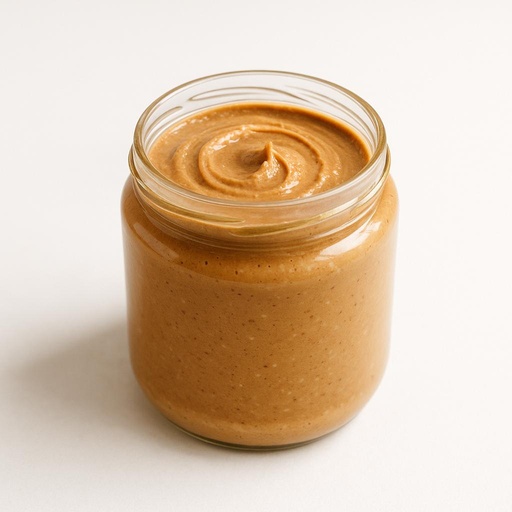
콜롬비아 땅콩 페이스트 공급업체 및 가격 — 마켓 오버뷰 2026
HS 코드
200811
최종 업데이트
2026-10-19
서치 및 소싱 팀을 위한 핵심 요약
- 콜롬비아에 대한 샘플 수출 거래 3건이 요약되어 있습니다.
- 이 페이지 데이터셋의 최신 기준 연도는 2024입니다.
- 페이지 데이터 최종 업데이트일: 2026-10-19.
콜롬비아의 땅콩 페이스트 수출 공급업체·제조사 인텔리전스, 가격 동향, 무역 흐름
콜롬비아의 땅콩 페이스트에 대해 수출 파트너 기업 5개가 추적됩니다. Supply Chain Intelligence 회사 프로필 및 분석으로 수출업체 커버리지, 파트너 품질, 경로 우선순위를 검증하세요.
콜롬비아에서의 땅콩 페이스트 수출 인텔리전스를 확인하세요. 샘플 공급업체 거래 3건, 월간 단가 범위, HS 코드 200811의 파트너 국가 무역 흐름 패턴을 포함합니다.
스캐터 포인트는 전체 거래 데이터셋의 100.0%에서 샘플링되었습니다. 점 하나하나가 실제 거래입니다 — 클릭해서 상세 정보를 보고, 적정한 거래였는지 AI Chat에 물어보세요.
콜롬비아의 땅콩 페이스트 샘플 수출 공급업체·제조사 거래 기록
콜롬비아의 땅콩 페이스트 샘플 거래 3건에는 수출 가격과 공급업체 거래 패턴 벤치마킹을 위한 날짜, 원산지, 파트너 국가 맥락이 포함됩니다.
콜롬비아의 땅콩 페이스트 샘플 거래 단가(일자별): 2026-08-24: 6.13 USD / kg, 2026-04-24: 5.50 USD / kg, 2026-01-06: 5.50 USD / kg.
| 일자 | 신고 품목 | 단가 | 수출업체 | 수입업체 | |
|---|---|---|---|---|---|
| 2026-08-24 | CRE** ** ********************* **** ******* ****** | 6.13 USD / kg | (콜롬비아) | (페루) | |
| 2026-04-24 | - | 5.50 USD / kg | (콜롬비아) | (페루) | |
| 2026-01-06 | CRE** ** ***** ******* *** * ********* **** ******* * ***** ** **** ****** * *** ** | 5.50 USD / kg | (콜롬비아) | (페루) |
콜롬비아의 땅콩 페이스트 선적 내역과 가격 보기
무료 계정으로 Tridge Eye에서 전체 시장을 열어 보세요
가입 후 기업 인증을 하세요 — 신규 인증 회사는 Tridge Eye Business를 무료로 체험할 수 있습니다.
콜롬비아의 상위 땅콩 페이스트 수출 공급업체, 제조사 및 기업
선도 수출업체 프로필을 검토하고 콜롬비아의 땅콩 페이스트에 대해 추적되는 전체 수출 파트너 기업 5개와 비교하세요. Supply Chain Intelligence 회사 프로필 및 분석으로 소싱 및 수출 파트너를 더 빠르게 선별할 수 있습니다.
(콜롬비아)
최근 수출 거래: 2026-09-19
임직원 규모: 직원 51 - 100명
매출액: 매출 USD 1M - 5M
산업군: 식품 제조
밸류체인 역할: 식품 제조
(콜롬비아)
최근 수출 거래: 2026-09-19
임직원 규모: 직원 101 - 500명
산업군: 축산, 식품 제조, 식품 도매
밸류체인 역할: 유통 / 도매, 농업 / 생산 / 가공 / 포장, 식품 제조
(콜롬비아)
최근 수출 거래: 2026-09-19
임직원 규모: 직원 1000명 초과
산업군: 음료 제조, 식품 제조, 식음료 서비스업, 식품 도매
밸류체인 역할: 유통 / 도매, 식품 제조, 소매, 무역
(콜롬비아)
최근 수출 거래: 2026-09-19
임직원 규모: 직원 11 - 50명
산업군: 식품 제조
밸류체인 역할: 식품 제조, 무역
(콜롬비아)
최근 수출 거래: 2026-09-19
산업군: 식품 제조, 식음료 서비스업, 기타
밸류체인 역할: 식품 제조, 무역
트릿지 아이에서 전체 그림 보기: 가격·거래 전체 이력 · 725,009+ 기업 프로필
콜롬비아 수출 파트너 커버리지
5개 기업
총 수출 파트너 기업 수는 콜롬비아의 땅콩 페이스트 수출 네트워크 깊이를 보여주는 핵심 신호입니다.
수출업체와 수입업체는 공급망 인텔리전스 기업 프로필 및 분석을 열어 콜롬비아 내 땅콩 페이스트 파트너 집중도, 공급 역량 시그널, 무역 관련성을 평가할 수 있습니다.
콜롬비아 내 땅콩 페이스트의 연간 수출 금액, 물량 및 공급업체 시장 규모 (HS 코드 200811)
콜롬비아의 땅콩 페이스트 수출 물량/금액 2년치를 분석해 공급 측 시장 성장, 계절성, 무역 변동성을 평가하세요.
| 연도 | 물량 | 금액 |
|---|---|---|
| 2023 | 930,004 | 3,805,949 USD |
| 2022 | 883,077 | 3,575,531 USD |
Tridge Ark · 수입 가능성 진단
콜롬비아산 땅콩 페이스트, 우리도 들여올 수 있을까요?
필요한 스펙과 물량만 알려주세요. 실제로 소싱이 되는지, 어떤 원산지와 공급사가 맞는지 짚어드려요.
무료 가능성 진단은 가입 없이 받을 수 있습니다.
콜롬비아의 땅콩 페이스트 수입 바이어 인텔리전스 및 가격 시그널: 바이어, 수요, 거래 파트너
수출업체와 수입업체는 Supply Chain Intelligence 기업 프로필 및 분석으로 콜롬비아의 땅콩 페이스트 구매 수요, 파트너 밀도, 다운스트림 채널을 분석할 수 있습니다.
콜롬비아 내 땅콩 페이스트의 연간 수입 금액, 물량 및 수요 규모 (HS 코드 200811)
콜롬비아의 땅콩 페이스트 수입 물량/금액 2년치를 추적해 수요 성장과 시장 모멘텀을 평가하세요.
| 연도 | 물량 | 금액 |
|---|---|---|
| 2023 | 1,893,196 | 4,241,078 USD |
| 2022 | 2,657,926 | 5,775,274 USD |
Tridge Ark · 수출 가능성 진단
우리 땅콩 페이스트, 이 콜롬비아 바이어들에게 팔 수 있을까요?
만드시는 제품만 알려주시면 됩니다. 지금 수출할 준비가 됐는지, 어느 시장이 맞는지 봐드려요.
무료 가능성 진단은 가입 없이 받을 수 있습니다.
Classification
Product TypeProcessed Food
Product FormShelf-stable paste/spread
Industry PositionValue-added packaged food (nut spread)
Market
Peanut paste (mantequilla/crema de maní) in Colombia is a packaged processed food sold through modern retail and online delivery, supplied by a mix of imported global brands and local natural/organic producers. Trade data for HS 200811 (prepared/preserved ground-nuts, including peanut butter within the category) shows Colombia both imports (notably supplied by the United States, Brazil, India, China and Argentina) and exports within the region, indicating an import-reliant market with some regional supply. Market access is shaped by INVIMA sanitary authorizations/inspection (VUCE visto bueno and CIS process for imports) and by national labeling rules for packaged foods (nutrition/front-of-pack under Resolution 810 of 2021 and general labeling under Resolution 5109 of 2005). The most critical compliance risk for peanut products is aflatoxin contamination, with maximum levels set in Colombia’s contaminant regulation (Resolution 4506 of 2013), which can trigger rejection or enforcement actions.
Market RoleNet importer with some regional exports (HS 200811 category)
Domestic RoleConsumer packaged spread and ingredient used in households and fitness/natural-food segments.
SeasonalityYear-round retail availability; supply seasonality is muted by storage of peanuts and by imports.
Specification
Physical Attributes
- Creamy/smooth vs. crunchy textures are common product differentiators.
- Oil separation is typical for single-ingredient (100% peanut) formulations.
Compositional Metrics
- If marketed as “100% natural”, Colombian labeling rules restrict the use of additives under general labeling requirements.
Packaging
- Glass jars and bulk pouches are marketed by local producers (e.g., jar formats plus ~1,000 g pouch offerings).
Supply Chain
Value Chain
- Peanut sourcing (domestic and imported) → roasting → blanching/sorting → grinding to paste → (optional) formulation/stabilization → filling/packaging → lot coding/labeling → distribution via modern trade and online delivery
Temperature
- Ambient, dry storage and distribution; avoid prolonged high-heat exposure that can accelerate oil separation and quality defects.
Shelf Life
- Shelf-stable at ambient conditions; after opening, consumer handling and storage practices affect quality and safety.
Freight IntensityMedium
Transport ModeSea
Risks
Food Safety HighAflatoxin contamination is a key deal-breaker risk for peanut paste in Colombia: maximum levels for total aflatoxins apply to peanuts and peanut products, so failures in supplier controls or lab testing can lead to rejection, seizure, or major clearance delays.Contractually require pre-shipment aflatoxin COAs from accredited labs, implement receiving tests, and align farm/handling controls to Codex CAC/RCP 55-2004 to reduce aflatoxin formation during drying, storage, and handling.
Regulatory Compliance MediumMissing or incorrect INVIMA sanitary authorization status (notification/permit/registration) or an incomplete VUCE/INVIMA visto bueno process can block import clearance for packaged peanut paste products.Confirm the product’s risk category under Resolution 2674 of 2013, secure the appropriate INVIMA authorization for each SKU, and submit VUCE requests early to match shipping ETAs.
Labeling MediumNon-compliance with Colombia’s nutrition/front-of-pack labeling (Resolution 810 of 2021) or general labeling and allergen disclosure rules (Resolution 5109 of 2005) can trigger enforcement actions, delisting, or mandatory relabeling before commercialization.Run a Spanish label legal review for each SKU, including allergen statements and required identifiers; for imports, plan complementary labeling workflows tied to CIS and final SKU/lot codes.
Logistics MediumFreight-rate volatility and port/inland distribution disruptions can affect delivery reliability and landed costs for jarred spreads, particularly for imported brands.Use rolling forecasts with buffer inventory, diversify origins/suppliers where feasible, and optimize packaging formats and palletization to reduce freight cost per unit.
Standards
- HACCP-based food safety management (Codex CXC 1-1969 guidance)
FAQ
What is the single most critical compliance risk for peanut paste in Colombia?Aflatoxin contamination is the top deal-breaker risk. Colombia sets maximum levels for total aflatoxins for peanuts and peanut products, so shipments that fail testing can be rejected or face enforcement actions; importers typically mitigate this with supplier controls and pre-shipment lab certificates.
What labeling rules apply to packaged peanut paste sold in Colombia?Packaged peanut paste sold in Colombia must comply with nutrition labeling and front-of-pack warning rules under Resolution 810 of 2021 and with general labeling requirements under Resolution 5109 of 2005, including ingredient list and allergen disclosure obligations and required identifiers (such as lot information and, when applicable, the INVIMA sanitary authorization number).
How do peanut paste imports typically interface with INVIMA and VUCE?For products under INVIMA competence, importers file through the national single window (VUCE) and obtain INVIMA’s visto bueno prior to arrival/nationalization. Where required, INVIMA issues a Certificado de Inspección Sanitaria (CIS) based on documentation review and inspection (and sometimes sampling/testing) before the product can be commercialized.
Sources


Tridge Ark · 수출·수입 가능성 진단
콜롬비아 땅콩 페이스트, 사는 쪽이세요 파는 쪽이세요?
어느 쪽이든 몇 가지만 답해주시면 됩니다. 어디서 살 수 있는지, 누구에게 팔 수 있는지 정리해서 보내드릴게요.
무료 가능성 진단은 가입 없이 받을 수 있습니다.
'쿠키 허용'을 클릭하면 통계 및 개인 선호도 산출을 위한 쿠키 제공에 동의하게 됩니다.
개인정보 보호정책에서 쿠키에 대한 자세한 내용을 확인할 수 있습니다.