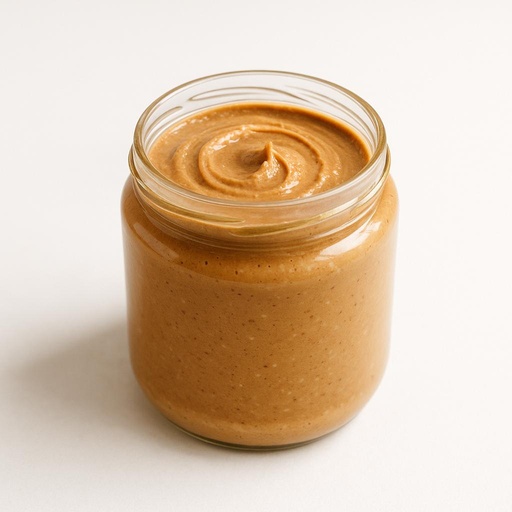
인도 땅콩 페이스트 공급업체 및 가격 — 마켓 오버뷰 2026
HS 코드
200811
최종 업데이트
2026-10-19
서치 및 소싱 팀을 위한 핵심 요약
- 인도에 대한 샘플 수출 거래 5건이 요약되어 있습니다.
- 인도의 땅콩 페이스트에 대해 수출 파트너 기업(제조사 포함) 7개와 수입 파트너 기업 22개가 매핑되어 있습니다.
- 수출 파트너 국가 5개와 수입 파트너 국가 5개가 랭킹되어 있습니다.
- 이 페이지 데이터셋의 최신 기준 연도는 2024입니다.
- 페이지 데이터 최종 업데이트일: 2026-10-19.
인도의 땅콩 페이스트 수출 공급업체·제조사 인텔리전스, 가격 동향, 무역 흐름
인도의 땅콩 페이스트에 대해 수출 파트너 기업 7개가 추적됩니다. Supply Chain Intelligence 회사 프로필 및 분석으로 수출업체 커버리지, 파트너 품질, 경로 우선순위를 검증하세요.
인도에서의 땅콩 페이스트 수출 인텔리전스를 확인하세요. 샘플 공급업체 거래 5건, 월간 단가 범위, HS 코드 200811의 파트너 국가 무역 흐름 패턴을 포함합니다.
스캐터 포인트는 전체 거래 데이터셋의 90.2%에서 샘플링되었습니다. 점 하나하나가 실제 거래입니다 — 클릭해서 상세 정보를 보고, 적정한 거래였는지 AI Chat에 물어보세요.
인도의 땅콩 페이스트 샘플 수출 공급업체·제조사 거래 기록
인도의 땅콩 페이스트 샘플 거래 5건에는 수출 가격과 공급업체 거래 패턴 벤치마킹을 위한 날짜, 원산지, 파트너 국가 맥락이 포함됩니다.
인도의 땅콩 페이스트 샘플 거래 단가(일자별): 2026-08-30: 3.88 USD / kg, 2026-08-29: 3.28 USD / kg, 2026-08-17: 3.32 USD / kg, 2026-08-13: 2.08 USD / kg, 2026-08-10: 3.32 USD / kg.
| 일자 | 신고 품목 | 단가 | 수출업체 | 수입업체 | |
|---|---|---|---|---|---|
| 2026-08-30 | eeZ**** ********* ***** ** ******* ****** ******** | 3.88 USD / kg | (인도) | (방글라데시) | |
| 2026-08-29 | EEZ** ***** *** **** ********** ***** ********* ******* ********** *** ***************************** *** **** | 3.28 USD / kg | (인도) | (미얀마 [버마]) | |
| 2026-08-17 | EEZ** ***** *** * **** * *** ** ***** ********** ***** ** ******* ************* ********* ******* ************ * ** | 3.32 USD / kg | (인도) | (수단) | |
| 2026-08-13 | [땅콩 ** ******* ************ ****** ***** | 2.08 USD / kg | (인도) | (대한민국) | |
| 2026-08-10 | EEZ** ***** *** * **** * *** ** ***** ********** ***** ** ******* ************* ********* ******* ************ * ** | 3.32 USD / kg | (인도) | (수단) |
인도의 땅콩 페이스트 선적 내역과 가격 보기
무료 계정으로 Tridge Eye에서 전체 시장을 열어 보세요
가입 후 기업 인증을 하세요 — 신규 인증 회사는 Tridge Eye Business를 무료로 체험할 수 있습니다.
인도의 상위 땅콩 페이스트 수출 공급업체, 제조사 및 기업
선도 수출업체 프로필을 검토하고 인도의 땅콩 페이스트에 대해 추적되는 전체 수출 파트너 기업 7개와 비교하세요. Supply Chain Intelligence 회사 프로필 및 분석으로 소싱 및 수출 파트너를 더 빠르게 선별할 수 있습니다.
(인도)
최근 수출 거래: 2026-09-19
임직원 규모: 직원 51 - 100명
산업군: 음료 제조, 식품 제조, 식품 포장, 식음료 서비스업, 기타
밸류체인 역할: 유통 / 도매, 식품 제조, 기타, 무역
(인도)
최근 수출 거래: 2026-09-19
임직원 규모: 직원 51 - 100명
매출액: 매출 USD 10M - 50M
산업군: 음료 제조, 식품 제조, 식품 포장
밸류체인 역할: 유통 / 도매, 농업 / 생산 / 가공 / 포장, 식품 제조
(인도)
최근 수출 거래: 2026-09-19
산업군: 식품 도매, 기타
밸류체인 역할: 유통 / 도매, 무역
(인도)
최근 수출 거래: 2026-09-19
임직원 규모: 직원 1 - 10명
산업군: 기타
밸류체인 역할: 소매
(인도)
최근 수출 거래: 2026-09-19
산업군: 기타
밸류체인 역할: 무역
(인도)
최근 수출 거래: 2026-09-19
산업군: 기타
밸류체인 역할: 무역
트릿지 아이에서 전체 그림 보기: 가격·거래 전체 이력 · 725,009+ 기업 프로필
인도 수출 파트너 커버리지
7개 기업
총 수출 파트너 기업 수는 인도의 땅콩 페이스트 수출 네트워크 깊이를 보여주는 핵심 신호입니다.
수출업체와 수입업체는 공급망 인텔리전스 기업 프로필 및 분석을 열어 인도 내 땅콩 페이스트 파트너 집중도, 공급 역량 시그널, 무역 관련성을 평가할 수 있습니다.
인도 내 땅콩 페이스트의 연간 수출 금액, 물량 및 공급업체 시장 규모 (HS 코드 200811)
인도의 땅콩 페이스트 수출 물량/금액 3년치를 분석해 공급 측 시장 성장, 계절성, 무역 변동성을 평가하세요.
| 연도 | 물량 | 금액 |
|---|---|---|
| 2024 | 66,370,416 | 114,224,851 USD |
| 2023 | 65,558,489 | 129,907,154 USD |
| 2022 | 41,201,442 | 83,803,828 USD |
인도에서 수출되는 땅콩 페이스트의 주요 수출 대상 시장 (HS 코드 200811) 2024
2024년 기준, 인도발 땅콩 페이스트 수출의 상위 목적지국 5개 전반에서 수출 물량과 금액을 비교하세요.
| 순위 | 국가 | 물량 | 금액 |
|---|---|---|---|
| 1 | 러시아 | 10,983,620 | 15,555,403.564 USD |
| 2 | 아랍에미리트 | 7,424,490 | 11,457,512.134 USD |
| 3 | 이라크 | 7,057,840 | 9,685,155.865 USD |
| 4 | 독일 | 4,353,250 | 9,085,097.044 USD |
| 5 | 남아프리카 | 4,324,021 | 8,228,038.01 USD |
Tridge Ark · 수입 가능성 진단
인도산 땅콩 페이스트, 우리도 들여올 수 있을까요?
필요한 스펙과 물량만 알려주세요. 실제로 소싱이 되는지, 어떤 원산지와 공급사가 맞는지 짚어드려요.
무료 가능성 진단은 가입 없이 받을 수 있습니다.
인도의 땅콩 페이스트 수입 바이어 인텔리전스 및 가격 시그널: 바이어, 수요, 거래 파트너
인도의 땅콩 페이스트에 대해 수입 파트너 기업 22개가 추적됩니다. 수출업체와 수입업체는 Supply Chain Intelligence 회사 프로필 및 분석을 활용해 바이어 수요, 파트너 밀도, 다운스트림 채널을 분석할 수 있습니다.
스캐터 포인트는 전체 거래 데이터셋의 100.0%에서 샘플링되었습니다. 점 하나하나가 실제 거래입니다 — 클릭해서 상세 정보를 보고, 적정한 거래였는지 AI Chat에 물어보세요.
땅콩 페이스트의 인도 샘플 수입 거래 및 가격 기록
인도의 땅콩 페이스트 샘플 수입 거래 5건은 가격 수준과 수요 측 거래 패턴 벤치마킹을 위한 날짜, 원산지, 무역 국가 맥락을 제공합니다.
인도의 땅콩 페이스트 샘플 수입 거래 단가(일자별): 2026-08-29: 12.98 USD / kg, 2026-06-17: 11.56 USD / kg, 2026-06-06: 11.56 USD / kg, 2026-04-23: 13.00 USD / kg, 2026-02-17: 11.56 USD / kg.
| 일자 | 신고 품목 | 단가 | 수출업체 | 수입업체 | 원산지 | |
|---|---|---|---|---|---|---|
| 2026-08-29 | 187*** ********* ****** ****** * *** ** ***** ******* *** ****** ***** *** *** ** ****** ****** ******** * ***** ************* ********* ****** ****** * *** ** ***** ******* *** ** | 12.98 USD / kg | (-) | (-) | - | |
| 2026-06-17 | 187** ********* ****** ****** * *** ** ****** ******* *** ****** *********** ********* ****** ****** * *** ** ****** ******* *** ** | 11.56 USD / kg | (-) | (-) | - | |
| 2026-06-06 | 187** ********* ****** ****** * *** ** ****** ******* *** ****** *********** ********* ****** ****** * *** ** ****** ******* *** ** | 11.56 USD / kg | (-) | (-) | - | |
| 2026-04-23 | 187*** ********* ****** ****** * *** ** ***** ******* *** ****** ***** *** *** ** ****** ****** ******** * ***** ************* ********* ****** ****** * *** ** ***** ******* *** ** | 13.00 USD / kg | (-) | (-) | - | |
| 2026-02-17 | 187** ********* ****** ****** * *** ** ****** ******* *** ****** *********** ********* ****** ****** * *** ** ****** ******* *** ** | 11.56 USD / kg | (-) | (-) | - |
인도의 땅콩 페이스트 선적 내역과 가격 보기
무료 계정으로 Tridge Eye에서 전체 시장을 열어 보세요
가입 후 기업 인증을 하세요 — 신규 인증 회사는 Tridge Eye Business를 무료로 체험할 수 있습니다.
인도 내 상위 땅콩 페이스트 바이어, 수입업체 및 수요 파트너
선도 바이어 프로필을 검토하고 인도의 땅콩 페이스트에 대해 추적되는 전체 수입 파트너 기업 22개와 비교하세요. 수출업체와 수입업체는 Supply Chain Intelligence 회사 프로필 및 분석으로 수요 측 파트너 적합도를 평가할 수 있습니다.
(인도)
최근 수입 거래: 2026-09-19
임직원 규모: 직원 11 - 50명
산업군: 음료 제조, 식품 제조, 식품 포장
밸류체인 역할: 유통 / 도매, 농업 / 생산 / 가공 / 포장, 식품 제조
(인도)
최근 수입 거래: 2026-09-19
산업군: 식품 제조
밸류체인 역할: 식품 제조
(인도)
최근 수입 거래: 2026-09-19
임직원 규모: 직원 101 - 500명
산업군: 음료 제조, 작물 생산, 식품 제조, 식품 포장
밸류체인 역할: 유통 / 도매, 식품 제조
(인도)
최근 수입 거래: 2026-09-19
임직원 규모: 직원 11 - 50명
산업군: 식품 제조
밸류체인 역할: 식품 제조, 무역
(인도)
최근 수입 거래: 2026-09-19
임직원 규모: 직원 11 - 50명
산업군: 식품 제조, 식품 도매, 기타
밸류체인 역할: 유통 / 도매, 식품 제조, 기타
(인도)
최근 수입 거래: 2026-09-19
임직원 규모: 직원 51 - 100명
산업군: 식품 제조
밸류체인 역할: 식품 제조, 무역
트릿지 아이에서 전체 그림 보기: 가격·거래 전체 이력 · 725,009+ 기업 프로필
인도 수입 파트너 커버리지
22개 기업
수입 파트너 기업 수는 인도의 땅콩 페이스트 수요 측 가시성을 보여줍니다.
공급망 인텔리전스 분석과 기업 프로필을 활용해 인도에서 활동 중인 땅콩 페이스트 수입업체, 유통업체, 바이어 네트워크를 식별하세요.
인도 내 땅콩 페이스트의 연간 수입 금액, 물량 및 수요 규모 (HS 코드 200811)
인도의 땅콩 페이스트 수입 물량/금액 3년치를 추적해 수요 성장과 시장 모멘텀을 평가하세요.
| 연도 | 물량 | 금액 |
|---|---|---|
| 2024 | 1,034,399 | 2,310,423 USD |
| 2023 | 1,417,082 | 3,625,406 USD |
| 2022 | 948,239 | 2,423,885 USD |
인도에 땅콩 페이스트를 공급하는 주요 원산지 공급국 (HS 코드 200811) 2024
2024년 기준, 인도로 땅콩 페이스트를 공급하는 상위 원산 공급국 5개 전반의 수입 물량과 금액을 비교하세요.
| 순위 | 국가 | 물량 | 금액 |
|---|---|---|---|
| 1 | 브라질 | 679,450 | 1,415,671.454 USD |
| 2 | 태국 | 136,694 | 468,347.825 USD |
| 3 | 모리셔스 | 16,000 | 32,699.35 USD |
| 4 | 영국 | 375 | 2,395.905 USD |
| 5 | 중국 | 2,000 | 1,405.98 USD |
Tridge Ark · 수출 가능성 진단
우리 땅콩 페이스트, 이 인도 바이어들에게 팔 수 있을까요?
만드시는 제품만 알려주시면 됩니다. 지금 수출할 준비가 됐는지, 어느 시장이 맞는지 봐드려요.
무료 가능성 진단은 가입 없이 받을 수 있습니다.
Classification
Product TypeProcessed Food
Product FormPaste/Spread (Shelf-stable packaged)
Industry PositionValue-added Processed Food (Consumer Packaged Food and Foodservice Ingredient)
Market
Peanut paste (commonly sold as peanut butter) in India is a processed nut spread made from roasted groundnuts and marketed in both natural/unsweetened and flavored variants. India’s large domestic groundnut base—grown mostly under rain-fed conditions and concentrated in major producing states—supports raw material availability for processors. The category is visible through a mix of established FMCG brands and newer fitness-oriented D2C brands selling directly online. Food-safety compliance is a defining market constraint because peanut/groundnut products are sensitive to aflatoxin risk and allergen-label requirements under Indian rules.
Market RoleMajor groundnut producer with a growing domestic processed peanut spread market; exporter of groundnuts and groundnut preparations (compliance-sensitive)
Domestic RoleBranded packaged spread and bulk ingredient for households and fitness-oriented consumers; also used as a food-manufacturing input in some formulations
Specification
Physical Attributes
- Cohesive, comminuted product prepared by grinding roasted mature kernels (groundnuts/peanuts) with seed coats removed.
Compositional Metrics
- India standard of identity (FSSAI): Moisture ≤ 3.0% (by weight).
- India standard of identity (FSSAI): Fat ≥ 40.0% (dry basis).
- India standard of identity (FSSAI): Protein ≥ 25.0% (dry basis).
- India standard of identity (FSSAI): Total ash ≤ 5.0% (dry basis).
- India standard of identity (FSSAI): Acid value of extracted fat ≤ 4.0.
- India standard of identity (FSSAI): Salt (as NaCl) ≤ 2.0% (by weight).
- India standard of identity (FSSAI): Test for argemone oil shall be negative.
- India standard of identity (FSSAI): Product may contain sugar, liquid glucose, and edible oils and fats permitted in the regulations; additives permitted in Appendix A may be used; product must comply with FSSAI contaminants/toxins/residues regulations.
Supply Chain
Value Chain
- Groundnut sourcing from major producing states → cleaning/sorting → roasting → blanching/seed-coat removal → grinding → (optional) formulation with sweeteners/oils/fats and permitted additives → filling/packing → ambient distribution to retail and D2C channels
Temperature
- Ambient-stable storage is common for retail peanut butter products; some brands explicitly state no refrigeration is needed for their natural peanut butter.
Shelf Life
- Shelf life varies by formulation; example: a leading Indian brand (Pintola) lists 9 months shelf life for an all-natural peanut butter product.
Freight IntensityMedium
Transport ModeMultimodal
Risks
Food Safety HighAflatoxin contamination risk in groundnuts can block or severely disrupt peanut paste/peanut butter trade: EU authorities explicitly treat India-origin groundnuts and prepared groundnut products (including peanut butter/groundnut paste categories) as aflatoxin-risk goods under special conditions, raising the likelihood of border actions when compliance is not demonstrated.Run an aflatoxin control plan across sourcing, drying/storage, and finished-product testing; require lot-level COAs and retain samples for trace-back; audit post-harvest handling in supplying regions.
Regulatory Compliance MediumAllergen-label compliance is non-optional: Indian labeling rules require specific allergen declaration for peanuts/tree nuts (declared as 'Nut'); errors can trigger enforcement actions, recalls, or delisting.Validate label artwork against the latest FSSAI Labelling & Display compendium; implement pre-release label QA and change-control for ingredient/supplier changes.
Climate MediumIndia’s groundnut crop is reported as being grown mostly under rain-fed conditions, so monsoon variability can tighten raw material availability and increase price volatility for processors of peanut paste/peanut butter.Diversify procurement across major growing states and seasons; build contracted inventory and use staggered buying to reduce exposure to harvest shocks.
Quality LowOxidative rancidity and texture instability (oil separation) are persistent quality risks in high-fat spreads; product stability differs depending on whether stabilizers/emulsifiers are used and on peanut fatty-acid profile (e.g., high-oleic varieties).Control roasting profile, moisture, and oxygen exposure; consider high-oleic sourcing for longer shelf-life where commercially feasible; validate packaging barrier performance for the intended shelf life.
Sustainability
- Use of high-oleic groundnut varieties as a shelf-life strategy for groundnut-based foods (potentially reducing rancidity-driven waste in high-fat spreads).
Standards
- ISO 22000 (reported by at least one major Indian peanut butter brand as factory certification)
FAQ
What minimum/maximum composition limits apply to peanut butter sold in India under FSSAI standards?FSSAI’s peanut butter standard defines it as a cohesive product made by grinding roasted, mature groundnut kernels with seed coats removed. The standard specifies key limits including maximum moisture (3%), minimum fat (40% on a dry basis), minimum protein (25% on a dry basis), maximum total ash (5% on a dry basis), maximum acid value of extracted fat (4), and maximum salt as NaCl (2%), along with a requirement that the argemone oil test be negative.
How should peanut butter declare allergens on labels in India?Under India’s FSSAI Labelling & Display rules, allergens must be declared separately in a 'Contains…' statement. For peanuts and tree nuts and their products, the prescribed allergen category is declared as 'Nut', so peanut butter labels should include a clear 'Contains… Nut' allergen declaration along with the ingredient list.
Why is aflatoxin treated as a trade-stopping risk for India-origin peanut paste products?Aflatoxins are regulated contaminants with maximum limits in major importing markets, and EU authorities treat certain India-origin groundnut and groundnut-preparation consignments as higher-risk for aflatoxins under a safeguard framework (Implementing Regulation (EU) 2019/1793). In practice, that means shipments can face high scrutiny and border actions if contaminant control and documentation are not robust.
Sources


Tridge Ark · 수출·수입 가능성 진단
인도 땅콩 페이스트, 사는 쪽이세요 파는 쪽이세요?
어느 쪽이든 몇 가지만 답해주시면 됩니다. 어디서 살 수 있는지, 누구에게 팔 수 있는지 정리해서 보내드릴게요.
무료 가능성 진단은 가입 없이 받을 수 있습니다.
'쿠키 허용'을 클릭하면 통계 및 개인 선호도 산출을 위한 쿠키 제공에 동의하게 됩니다.
개인정보 보호정책에서 쿠키에 대한 자세한 내용을 확인할 수 있습니다.