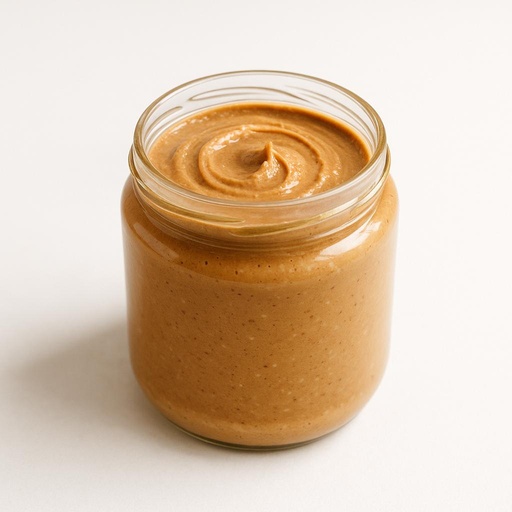
멕시코 땅콩 페이스트 공급업체 및 가격 — 마켓 오버뷰 2026
HS 코드
200811
최종 업데이트
2026-10-19
서치 및 소싱 팀을 위한 핵심 요약
- 멕시코에 대한 샘플 수출 거래 5건이 요약되어 있습니다.
- 멕시코의 땅콩 페이스트에 대해 수출 파트너 기업(제조사 포함) 15개와 수입 파트너 기업 19개가 매핑되어 있습니다.
- 수출 파트너 국가 5개와 수입 파트너 국가 3개가 랭킹되어 있습니다.
- 이 페이지 데이터셋의 최신 기준 연도는 2024입니다.
- 페이지 데이터 최종 업데이트일: 2026-10-19.
멕시코의 땅콩 페이스트 수출 공급업체·제조사 인텔리전스, 가격 동향, 무역 흐름
멕시코의 땅콩 페이스트에 대해 수출 파트너 기업 15개가 추적됩니다. Supply Chain Intelligence 회사 프로필 및 분석으로 수출업체 커버리지, 파트너 품질, 경로 우선순위를 검증하세요.
멕시코에서의 땅콩 페이스트 수출 인텔리전스를 확인하세요. 샘플 공급업체 거래 5건, 월간 단가 범위, HS 코드 200811의 파트너 국가 무역 흐름 패턴을 포함합니다.
스캐터 포인트는 전체 거래 데이터셋의 47.2%에서 샘플링되었습니다. 점 하나하나가 실제 거래입니다 — 클릭해서 상세 정보를 보고, 적정한 거래였는지 AI Chat에 물어보세요.
멕시코의 땅콩 페이스트 샘플 수출 공급업체·제조사 거래 기록
멕시코의 땅콩 페이스트 샘플 거래 5건에는 수출 가격과 공급업체 거래 패턴 벤치마킹을 위한 날짜, 원산지, 파트너 국가 맥락이 포함됩니다.
멕시코의 땅콩 페이스트 샘플 거래 단가(일자별): 2026-05-15: 7.62 USD / kg, 2026-04-30: 2.45 USD / kg, 2026-04-06: 4.76 USD / kg, 2026-03-29: 4.44 USD / kg, 2026-03-17: 4.40 USD / kg.
| 일자 | 신고 품목 | 단가 | 수출업체 | 수입업체 | |
|---|---|---|---|---|---|
| 2026-05-15 | MER******** ****** ** ******* *********** ****** * ******* * ****** ** ****** * ******* ********* *** ******** **** ***** ***** ***** **** | 7.62 USD / kg | (멕시코) | (베네수엘라) | |
| 2026-04-30 | MER******** ****** ** ******* *********** ****** * ******* * ****** ** ****** * ******* ********* *** ******** **** ***** ***** ***** **** | 2.45 USD / kg | (멕시코) | (베네수엘라) | |
| 2026-04-06 | LOS ***** | 4.76 USD / kg | (멕시코) | (미국) | |
| 2026-03-29 | LOS ***** | 4.44 USD / kg | (멕시코) | (미국) | |
| 2026-03-17 | LOS ***** | 4.40 USD / kg | (멕시코) | (미국) |
이 5건은 샘플입니다 — 트릿지에 가입하고 멕시코 땅콩 페이스트 거래를 확인하세요
기록마다 수출사·수입사·단가가 보입니다. 적정한 거래였는지 AI Chat에 묻거나, 기록을 AI Curation으로 만드세요.
가입 후 기업 인증을 하세요 — 신규 인증 회사는 Tridge Eye Business를 무료로 체험할 수 있습니다.
멕시코의 상위 땅콩 페이스트 수출 공급업체, 제조사 및 기업
선도 수출업체 프로필을 검토하고 멕시코의 땅콩 페이스트에 대해 추적되는 전체 수출 파트너 기업 15개와 비교하세요. Supply Chain Intelligence 회사 프로필 및 분석으로 소싱 및 수출 파트너를 더 빠르게 선별할 수 있습니다.
(멕시코)
최근 수출 거래: 2026-09-19
산업군: 식품 제조
밸류체인 역할: 식품 제조
(멕시코)
최근 수출 거래: 2026-09-19
임직원 규모: 직원 1000명 초과
매출액: 매출 USD 1B 초과
산업군: 식품 제조
밸류체인 역할: 식품 제조, 무역
(멕시코)
최근 수출 거래: 2026-09-19
임직원 규모: 직원 1000명 초과
매출액: 매출 USD 10M - 50M
산업군: 식품 제조, 식음료 서비스업, 식품 도매
밸류체인 역할: 유통 / 도매, 식품 제조, 소매
(멕시코)
최근 수출 거래: 2026-09-19
임직원 규모: 직원 1000명 초과
매출액: 매출 USD 500M - 1B
산업군: 백화점, 식품 제조, 식품 포장, 식음료 서비스업, 식료품점
밸류체인 역할: 유통 / 도매, 식품 제조, 소매
(멕시코)
최근 수출 거래: 2026-09-19
산업군: 음료 제조, 식품 제조, 식품 포장, 식품 도매
밸류체인 역할: 유통 / 도매, 농업 / 생산 / 가공 / 포장, 식품 제조
(멕시코)
최근 수출 거래: 2026-09-19
산업군: 식품 제조, 식품 도매, 기타
밸류체인 역할: 유통 / 도매, 식품 제조
트릿지 아이에서 전체 그림 보기: 가격·거래 전체 이력 · 725,009+ 기업 프로필
멕시코 수출 파트너 커버리지
15개 기업
총 수출 파트너 기업 수는 멕시코의 땅콩 페이스트 수출 네트워크 깊이를 보여주는 핵심 신호입니다.
수출업체와 수입업체는 공급망 인텔리전스 기업 프로필 및 분석을 열어 멕시코 내 땅콩 페이스트 파트너 집중도, 공급 역량 시그널, 무역 관련성을 평가할 수 있습니다.
멕시코 내 땅콩 페이스트의 연간 수출 금액, 물량 및 공급업체 시장 규모 (HS 코드 200811)
멕시코의 땅콩 페이스트 수출 물량/금액 3년치를 분석해 공급 측 시장 성장, 계절성, 무역 변동성을 평가하세요.
| 연도 | 물량 | 금액 |
|---|---|---|
| 2024 | 26,182,886 | 76,699,600 USD |
| 2023 | 22,889,911 | 71,660,378 USD |
| 2022 | 21,019,851 | 57,736,250 USD |
멕시코에서 수출되는 땅콩 페이스트의 주요 수출 대상 시장 (HS 코드 200811) 2024
2024년 기준, 멕시코발 땅콩 페이스트 수출의 상위 목적지국 5개 전반에서 수출 물량과 금액을 비교하세요.
| 순위 | 국가 | 물량 | 금액 |
|---|---|---|---|
| 1 | 미국 | 25,857,622 | 75,376,343 USD |
| 2 | 캐나다 | 249,019 | 1,020,476 USD |
| 3 | 과테말라 | 58,074 | 197,420 USD |
| 4 | 벨리즈 | 15,959 | 87,802 USD |
| 5 | 쿠바 | 1,924 | 16,166 USD |
Tridge Ark · 수입 가능성 진단
멕시코산 땅콩 페이스트, 우리도 들여올 수 있을까요?
필요한 스펙과 물량만 알려주세요. 실제로 소싱이 되는지, 어떤 원산지와 공급사가 맞는지 짚어드려요.
무료 가능성 진단은 가입 없이 받을 수 있습니다.
멕시코의 땅콩 페이스트 수입 바이어 인텔리전스 및 가격 시그널: 바이어, 수요, 거래 파트너
멕시코의 땅콩 페이스트에 대해 수입 파트너 기업 19개가 추적됩니다. 수출업체와 수입업체는 Supply Chain Intelligence 회사 프로필 및 분석을 활용해 바이어 수요, 파트너 밀도, 다운스트림 채널을 분석할 수 있습니다.
스캐터 포인트는 전체 거래 데이터셋의 100.0%에서 샘플링되었습니다. 점 하나하나가 실제 거래입니다 — 클릭해서 상세 정보를 보고, 적정한 거래였는지 AI Chat에 물어보세요.
땅콩 페이스트의 멕시코 샘플 수입 거래 및 가격 기록
멕시코의 땅콩 페이스트 샘플 수입 거래 5건은 가격 수준과 수요 측 거래 패턴 벤치마킹을 위한 날짜, 원산지, 무역 국가 맥락을 제공합니다.
멕시코의 땅콩 페이스트 샘플 수입 거래 단가(일자별): 2026-08-28: 8.67 USD / kg, 2025-12-22: 10.06 USD / kg, 2025-12-15: 14.73 USD / kg, 2025-12-11: 4.84 USD / kg, 2025-10-10: 17.87 USD / kg.
| 일자 | 신고 품목 | 단가 | 수출업체 | 수입업체 | 원산지 | |
|---|---|---|---|---|---|---|
| 2026-08-28 | PRE********** **** *********** ** ******* ***** ******** ****** | 8.67 USD / kg | (-) | (-) | - | |
| 2025-12-22 | SAL** ***** ********* *** *** *** ****** ***** * | 10.06 USD / kg | (-) | (-) | - | |
| 2025-12-15 | PAS** ** ******* ** ********* | 14.73 USD / kg | (-) | (-) | - | |
| 2025-12-11 | CRE** ** ********** ******** | 4.84 USD / kg | (-) | (-) | - | |
| 2025-10-10 | 50% ********** ****** ****** * ***** ************ | 17.87 USD / kg | (-) | (-) | - |
이 5건은 샘플입니다 — 트릿지에 가입하고 멕시코 땅콩 페이스트 거래를 확인하세요
기록마다 수출사·수입사·단가가 보입니다. 적정한 거래였는지 AI Chat에 묻거나, 기록을 AI Curation으로 만드세요.
가입 후 기업 인증을 하세요 — 신규 인증 회사는 Tridge Eye Business를 무료로 체험할 수 있습니다.
멕시코 내 상위 땅콩 페이스트 바이어, 수입업체 및 수요 파트너
선도 바이어 프로필을 검토하고 멕시코의 땅콩 페이스트에 대해 추적되는 전체 수입 파트너 기업 19개와 비교하세요. 수출업체와 수입업체는 Supply Chain Intelligence 회사 프로필 및 분석으로 수요 측 파트너 적합도를 평가할 수 있습니다.
(멕시코)
최근 수입 거래: 2026-09-19
임직원 규모: 직원 1000명 초과
매출액: 매출 USD 1B 초과
산업군: 음료 제조, 식품 제조, 식품 포장, 식품 도매, 기타
밸류체인 역할: 유통 / 도매, 농업 / 생산 / 가공 / 포장, 식품 제조, 물류, 소매, 무역
(멕시코)
최근 수입 거래: 2026-09-19
임직원 규모: 직원 1000명 초과
산업군: 식품 제조
밸류체인 역할: 유통 / 도매, 식품 제조
(멕시코)
최근 수입 거래: 2026-09-19
최근 수입 파트너 기업: 1
임직원 규모: 직원 1000명 초과
매출액: 매출 USD 1B 초과
산업군: 음료 제조, 식품 제조, 식음료 서비스업, 기타
밸류체인 역할: 유통 / 도매, 식품 제조, 소매
(멕시코)
최근 수입 거래: 2026-09-19
산업군: 식품 제조, 식음료 서비스업, 식품 도매
밸류체인 역할: 유통 / 도매, 식품 제조, 무역
(멕시코)
최근 수입 거래: 2026-09-19
임직원 규모: 직원 1 - 10명
산업군: 육상 운송
밸류체인 역할: 물류
(멕시코)
최근 수입 거래: 2026-09-19
산업군: 브로커 및 무역 대행, 식품 제조
밸류체인 역할: 무역
트릿지 아이에서 전체 그림 보기: 가격·거래 전체 이력 · 725,009+ 기업 프로필
멕시코 수입 파트너 커버리지
19개 기업
수입 파트너 기업 수는 멕시코의 땅콩 페이스트 수요 측 가시성을 보여줍니다.
공급망 인텔리전스 분석과 기업 프로필을 활용해 멕시코에서 활동 중인 땅콩 페이스트 수입업체, 유통업체, 바이어 네트워크를 식별하세요.
멕시코 내 땅콩 페이스트의 연간 수입 금액, 물량 및 수요 규모 (HS 코드 200811)
멕시코의 땅콩 페이스트 수입 물량/금액 3년치를 추적해 수요 성장과 시장 모멘텀을 평가하세요.
| 연도 | 물량 | 금액 |
|---|---|---|
| 2024 | 11,907,926 | 43,356,183 USD |
| 2023 | 12,633,596 | 44,210,522 USD |
| 2022 | 12,192,152 | 40,168,195 USD |
멕시코에 땅콩 페이스트를 공급하는 주요 원산지 공급국 (HS 코드 200811) 2024
2024년 기준, 멕시코로 땅콩 페이스트를 공급하는 상위 원산 공급국 3개 전반의 수입 물량과 금액을 비교하세요.
| 순위 | 국가 | 물량 | 금액 |
|---|---|---|---|
| 1 | 미국 | 11,877,283 | 43,232,221 USD |
| 2 | 캐나다 | 25,723 | 116,868 USD |
| 3 | 중국 | 4,920 | 7,094 USD |
Tridge Ark · 수출 가능성 진단
우리 땅콩 페이스트, 이 멕시코 바이어들에게 팔 수 있을까요?
만드시는 제품만 알려주시면 됩니다. 지금 수출할 준비가 됐는지, 어느 시장이 맞는지 봐드려요.
무료 가능성 진단은 가입 없이 받을 수 있습니다.
Classification
Product TypeIngredient
Product FormPaste
Industry PositionFood Ingredient
Market
Peanut paste (cacahuate paste) in Mexico is primarily an ingredient market linked to domestic peanut production and to downstream food manufacturing such as confectionery and traditional preparations. SIAP open-data reporting for cacahuate highlights Chihuahua as the largest producing state and identifies other major producing states including Chiapas, Sinaloa, Puebla, and Guerrero, which anchor raw material sourcing for processors. Government agriculture communications note that most peanut production is oriented to local markets and that demand can exceed supply, creating a strong domestic pull for processors and manufacturers. For cross-border trade into Mexico, importers typically manage customs and permits through SAT registration and VUCEM workflows, and food imports may require COFEPRIS prior sanitary import authorization; retail formats must comply with Mexico’s NOM-051 labeling requirements (including the 2020 modification guidance).
Market RoleDomestic consumption-oriented producer and processor market for peanut-based ingredients, with cross-border trade (imports/exports) depending on specification and buyer requirements
Domestic RoleKey ingredient input for confectionery/candy, snacks, bakery, and traditional sauces/dishes; also used in some non-food industries (data gap on scale).
Specification
Physical Attributes
- Buyer specifications commonly differentiate roast profile and grind texture (smooth vs. coarse) for confectionery and sauce applications.
- Oxidative stability (rancidity control) is a practical acceptance factor in storage and distribution.
Compositional Metrics
- Mycotoxin control (aflatoxins) is a critical safety parameter for peanut-based ingredients and is frequently managed via preventive controls and lot testing.
- Moisture and microbiological quality parameters are commonly included in import and quality dossiers for foods/ingredients.
Packaging
- Foodservice/industrial: food-grade pails, tubs, or drums (often for bakery, confectionery, and sauce manufacturing).
- Retail (when applicable): jars or plastic containers subject to Mexican labeling rules for prepackaged foods.
Supply Chain
Value Chain
- Raw peanut sourcing (notably from leading producing states such as Chihuahua, Chiapas, Sinaloa, Puebla, Guerrero) → cleaning/sorting → roasting (as applicable) → grinding into paste → packaging → distribution to industrial food manufacturers and/or retail
Temperature
- No cold chain is typically required; heat exposure management helps reduce oxidation/rancidity risk during storage and transport.
Shelf Life
- Shelf-life performance is mainly driven by oxidation/rancidity control and packaging integrity; moisture management for raw inputs is important for mycotoxin risk prevention.
Freight IntensityLow
Transport ModeMultimodal
Risks
Food Safety HighAflatoxin contamination in peanut-based products is a deal-breaker risk that can trigger rejection, recalls, or market access disruption; preventive controls must span pre-harvest through storage and manufacturing for peanuts and peanut-derived ingredients.Implement Codex-aligned aflatoxin prevention controls (GAP/GMP/HACCP), enforce moisture/storage discipline for raw peanuts, and require lot-based mycotoxin testing and supplier verification before shipment and before processing.
Regulatory Compliance MediumImporting peanut paste as a food/ingredient can require prior sanitary authorization and supporting documentation; missing or inconsistent dossiers can delay clearance or block entry.Screen the product’s regulatory pathway early, confirm whether the COFEPRIS prior sanitary import permit applies, and align documentation (certificates, labels, and lot analyses) to the permit requirements before booking freight.
Labeling MediumRetail formats face enforcement risk if labels do not comply with NOM-051 modification guidance for prepackaged foods, especially for mandatory informational elements and any applicable front-of-pack warnings.Run a Mexico-specific label compliance review against NOM-051 modification guidance before printing labels, including allergen statements and any applicable front-of-pack elements.
Phytosanitary MediumWhere the trade involves raw peanuts or plant-origin materials regulated under plant health rules, SENASICA phytosanitary requirements (including potential treatments/conditions) can change and may block entry if not met.Consult SENASICA’s phytosanitary requirements module for the exact commodity/origin combination and secure required certificates/treatments before shipment.
Logistics LowBorder delays or inability to clear customs can occur if the importer-of-record is not correctly registered (e.g., SAT Padrón de Importadores) or if filings are not properly managed through required electronic systems.Verify SAT importer registry status and prepare VUCEM filings and broker arrangements ahead of arrival to reduce dwell time.
FAQ
What is the most critical safety risk for peanut paste shipments into Mexico?Aflatoxin contamination is the key deal-breaker risk for peanut-based products. Controls should follow Codex’s code of practice for preventing and reducing aflatoxins in peanuts, supported by supplier verification, moisture/storage discipline, and lot-based testing.
Which Mexican authority is relevant for importing peanut paste as a food or food ingredient?COFEPRIS is the federal health authority that issues the prior sanitary import permit for foods and certain food ingredients when the product and use-case fall under that permit pathway. Importers should confirm whether the COFEPRIS permit applies and prepare the required certificates and lot analyses before shipping.
If peanut paste is sold as a retail packaged food in Mexico, what labeling framework applies?Retail prepackaged peanut paste must comply with Mexico’s NOM-051 labeling requirements and the official modification guidance published for prepackaged foods and non-alcoholic beverages. This includes required commercial and sanitary label elements and, where applicable, the front-of-pack warning system.
Sources


Tridge Ark · 수출·수입 가능성 진단
멕시코 땅콩 페이스트, 사는 쪽이세요 파는 쪽이세요?
어느 쪽이든 몇 가지만 답해주시면 됩니다. 어디서 살 수 있는지, 누구에게 팔 수 있는지 정리해서 보내드릴게요.
무료 가능성 진단은 가입 없이 받을 수 있습니다.
'쿠키 허용'을 클릭하면 통계 및 개인 선호도 산출을 위한 쿠키 제공에 동의하게 됩니다.
개인정보 보호정책에서 쿠키에 대한 자세한 내용을 확인할 수 있습니다.