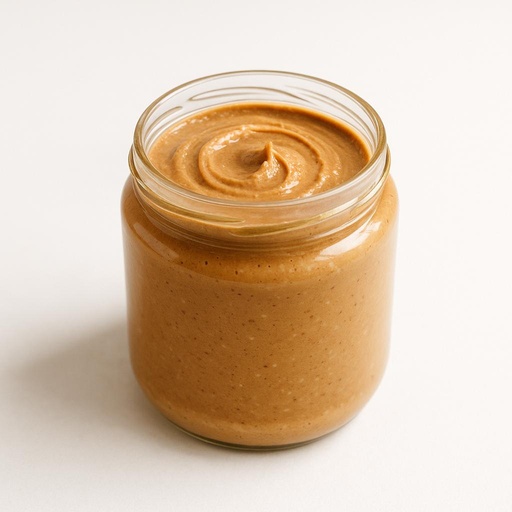
파나마 땅콩 페이스트 공급업체 및 가격 — 마켓 오버뷰 2026
HS 코드
200811
최종 업데이트
2026-10-19
서치 및 소싱 팀을 위한 핵심 요약
- 수출 파트너 국가 1개와 수입 파트너 국가 5개가 랭킹되어 있습니다.
- 이 페이지 데이터셋의 최신 기준 연도는 2024입니다.
- 페이지 데이터 최종 업데이트일: 2026-10-19.
파나마의 땅콩 페이스트 수출 공급업체·제조사 인텔리전스, 가격 동향, 무역 흐름
Supply Chain Intelligence 기업 프로필 및 분석으로 파나마의 땅콩 페이스트 수출업체 커버리지, 파트너 품질, 경로 우선순위를 검증하세요.
파나마 내 땅콩 페이스트의 연간 수출 금액, 물량 및 공급업체 시장 규모 (HS 코드 200811)
파나마의 땅콩 페이스트 수출 물량/금액 1년치를 분석해 공급 측 시장 성장, 계절성, 무역 변동성을 평가하세요.
| 연도 | 물량 | 금액 |
|---|---|---|
| 2024 | 271 | 867 USD |
파나마에서 수출되는 땅콩 페이스트의 주요 수출 대상 시장 (HS 코드 200811) 2024
2024년 기준, 파나마발 땅콩 페이스트 수출의 상위 목적지국 1개 전반에서 수출 물량과 금액을 비교하세요.
| 순위 | 국가 | 물량 | 금액 |
|---|---|---|---|
| 1 | 큐라소 | 271 | 867 USD |
Tridge Ark · 수입 가능성 진단
파나마산 땅콩 페이스트, 우리도 들여올 수 있을까요?
필요한 스펙과 물량만 알려주세요. 실제로 소싱이 되는지, 어떤 원산지와 공급사가 맞는지 짚어드려요.
무료 가능성 진단은 가입 없이 받을 수 있습니다.
파나마의 땅콩 페이스트 수입 바이어 인텔리전스 및 가격 시그널: 바이어, 수요, 거래 파트너
파나마의 땅콩 페이스트에 대해 수입 파트너 기업 1개가 추적됩니다. 수출업체와 수입업체는 Supply Chain Intelligence 회사 프로필 및 분석을 활용해 바이어 수요, 파트너 밀도, 다운스트림 채널을 분석할 수 있습니다.
스캐터 포인트는 전체 거래 데이터셋의 100.0%에서 샘플링되었습니다. 점 하나하나가 실제 거래입니다 — 클릭해서 상세 정보를 보고, 적정한 거래였는지 AI Chat에 물어보세요.
땅콩 페이스트의 파나마 샘플 수입 거래 및 가격 기록
파나마의 땅콩 페이스트 샘플 수입 거래 3건은 가격 수준과 수요 측 거래 패턴 벤치마킹을 위한 날짜, 원산지, 무역 국가 맥락을 제공합니다.
파나마의 땅콩 페이스트 샘플 수입 거래 단가(일자별): 2025-11-25: 3.41 USD / kg, 2025-10-07: 3.11 USD / kg, 2025-10-07: 3.60 USD / kg.
| 일자 | 신고 품목 | 단가 | 수출업체 | 수입업체 | 원산지 | |
|---|---|---|---|---|---|---|
| 2025-11-25 | CON******* ***** **** *** * | 3.41 USD / kg | (-) | (-) | - | |
| 2025-10-07 | EL ********* ***** ** **** ***** *** * | 3.11 USD / kg | (-) | (-) | - | |
| 2025-10-07 | CON******* ***** **** *** * | 3.60 USD / kg | (-) | (-) | - |
파나마의 땅콩 페이스트 선적 내역과 가격 보기
무료 계정으로 Tridge Eye에서 전체 시장을 열어 보세요
가입 후 기업 인증을 하세요 — 신규 인증 회사는 Tridge Eye Business를 무료로 체험할 수 있습니다.
파나마 내 상위 땅콩 페이스트 바이어, 수입업체 및 수요 파트너
선도 바이어 프로필을 검토하고 파나마의 땅콩 페이스트에 대해 추적되는 전체 수입 파트너 기업 1개와 비교하세요. 수출업체와 수입업체는 Supply Chain Intelligence 회사 프로필 및 분석으로 수요 측 파트너 적합도를 평가할 수 있습니다.
(파나마)
최근 수입 거래: 2026-09-19
산업군: 식품 제조, 기타
밸류체인 역할: 유통 / 도매, 무역
트릿지 아이에서 전체 그림 보기: 가격·거래 전체 이력 · 725,009+ 기업 프로필
파나마 수입 파트너 커버리지
1개 기업
수입 파트너 기업 수는 파나마의 땅콩 페이스트 수요 측 가시성을 보여줍니다.
공급망 인텔리전스 분석과 기업 프로필을 활용해 파나마에서 활동 중인 땅콩 페이스트 수입업체, 유통업체, 바이어 네트워크를 식별하세요.
파나마 내 땅콩 페이스트의 연간 수입 금액, 물량 및 수요 규모 (HS 코드 200811)
파나마의 땅콩 페이스트 수입 물량/금액 3년치를 추적해 수요 성장과 시장 모멘텀을 평가하세요.
| 연도 | 물량 | 금액 |
|---|---|---|
| 2024 | 2,016,404 | 9,273,324 USD |
| 2023 | 2,093,493 | 8,894,481 USD |
| 2022 | 2,043,891 | 8,729,968 USD |
파나마에 땅콩 페이스트를 공급하는 주요 원산지 공급국 (HS 코드 200811) 2024
2024년 기준, 파나마로 땅콩 페이스트를 공급하는 상위 원산 공급국 5개 전반의 수입 물량과 금액을 비교하세요.
| 순위 | 국가 | 물량 | 금액 |
|---|---|---|---|
| 1 | 미국 | 626,258 | 4,032,370 USD |
| 2 | 니카라과 | 541,473 | 2,164,694 USD |
| 3 | 코스타리카 | 261,442 | 1,176,637 USD |
| 4 | 콜롬비아 | 145,503 | 689,226 USD |
| 5 | 중국 | 296,055 | 659,428 USD |
Tridge Ark · 수출 가능성 진단
우리 땅콩 페이스트, 이 파나마 바이어들에게 팔 수 있을까요?
만드시는 제품만 알려주시면 됩니다. 지금 수출할 준비가 됐는지, 어느 시장이 맞는지 봐드려요.
무료 가능성 진단은 가입 없이 받을 수 있습니다.
Classification
Product TypeProcessed Food
Product FormShelf-stable paste/spread (jarred)
Industry PositionProcessed Food Product (Nut spread)
Market
Peanut paste (peanut butter-style spread) in Panama is a shelf-stable, packaged product largely supplied through imports and sold mainly via modern retail, club stores, and online grocery channels. Market availability in Panama includes mainstream international brands (e.g., Jif, Skippy) and private-label/value bulk formats (e.g., PriceSmart’s Member’s Selection), indicating an import-driven branded category with price/format segmentation. Market entry is strongly shaped by Panama’s sanitary and SPS single-window processing through the Panamanian Food Agency (APA), operating under guidelines from competent authorities such as MINSA and MIDA. Label acceptance is generally aligned with Codex guidance and commonly accepts U.S.-style labeling, provided core elements (manufacturer details, ingredients, expiry, lot, product form) are present.
Market RoleImport-dependent consumer market (net importer)
Domestic RoleDomestic retail consumption category supplied primarily through imported packaged products
Specification
Physical Attributes
- Creamy/smooth texture is a common retail specification
- Natural variants are positioned for simple-ingredient profiles
Packaging
- Jar or tub packaging for retail sale
- Bulk club-pack sizes (e.g., ~1.13 kg/40 oz class) are present in Panama retail channels
Supply Chain
Value Chain
- Exporting manufacturer → ocean freight (typical) → Panama importer of record → APA single-window SPS processing (sanitary registration / prior notifications as applicable) → customs clearance → distributor/retailer → consumer
Freight IntensityMedium
Transport ModeSea
Risks
Regulatory Compliance HighImports of packaged foods into Panama can be blocked or significantly delayed if APA single-window sanitary procedures (including sanitary registration and/or prior notifications where applicable) and supporting documentation are incomplete or inconsistent with MINSA/MIDA guidelines at entry points.Confirm APA pathway for the product before shipment, complete sanitary registration/prior notification steps as applicable, and run a document/label pre-check (manufacturer details, expiry, ingredients, lot, product form) to reduce holds.
Food Safety HighPeanut-based products carry elevated food-safety risk due to aflatoxin contamination potential in groundnuts and strict allergen declaration expectations; non-compliant lots or labels can trigger enforcement action, rejection, or recall risk.Require supplier mycotoxin controls and COAs aligned to Codex/JECFA risk expectations, and ensure clear allergen declaration consistent with Codex labelling provisions.
Labeling MediumLabel element gaps (e.g., missing ingredient list, expiry date, manufacturer identification, lot number, or product form) can create avoidable clearance friction and retail non-compliance in Panama.Align final artwork to Panama’s stated basic label elements and Codex labelling guidance; keep consistent lot coding between label and shipping documents.
Logistics MediumOcean freight disruption and handling damage (breakage/leakage in jarred goods) can raise landed cost and cause claims, with downstream availability impacts in modern retail channels.Use robust secondary packaging and palletization, specify humidity/temperature-conscious stowage where feasible, and build lead-time buffers for port congestion periods.
FAQ
Which agency is the main single window for sanitary/SPS processing when importing packaged peanut paste into Panama?Panama’s Panamanian Food Agency (APA) operates as the single window that processes sanitary and phytosanitary procedures for food imports, verifying compliance with guidelines issued by competent authorities such as MINSA and MIDA.
What basic label elements are typically expected for packaged foods sold in Panama?Panama’s labeling guidance highlights core elements such as the manufacturer’s name and address, expiration date, ingredients list, lot number, and product form. Codex labelling guidance is referenced, and products that meet U.S. labeling practices are often accepted provided these basics are present.
What is a high-impact food-safety risk for peanut paste shipments entering Panama?Aflatoxin contamination risk in groundnuts is a major concern for peanut-based products, and peanut is also a key allergen that must be clearly declared on food labels. Shipments with non-compliant safety controls or labeling can face enforcement issues, rejection, or recall risk.
Sources


Tridge Ark · 수출·수입 가능성 진단
파나마 땅콩 페이스트, 사는 쪽이세요 파는 쪽이세요?
어느 쪽이든 몇 가지만 답해주시면 됩니다. 어디서 살 수 있는지, 누구에게 팔 수 있는지 정리해서 보내드릴게요.
무료 가능성 진단은 가입 없이 받을 수 있습니다.
'쿠키 허용'을 클릭하면 통계 및 개인 선호도 산출을 위한 쿠키 제공에 동의하게 됩니다.
개인정보 보호정책에서 쿠키에 대한 자세한 내용을 확인할 수 있습니다.