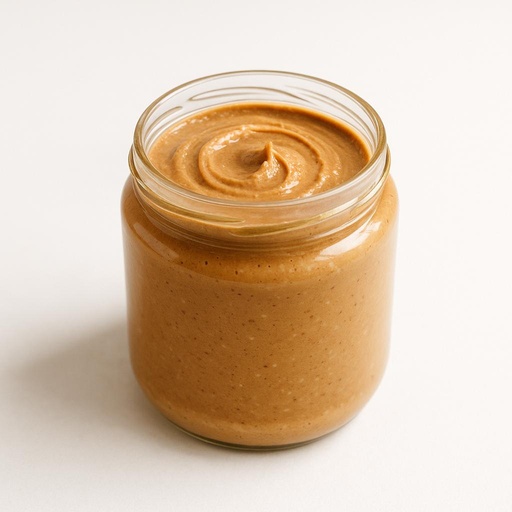
페루 땅콩 페이스트 공급업체 및 가격 — 마켓 오버뷰 2026
HS 코드
200811
최종 업데이트
2026-10-19
서치 및 소싱 팀을 위한 핵심 요약
- 이 페이지 데이터셋의 최신 기준 연도는 2024입니다.
- 페이지 데이터 최종 업데이트일: 2026-10-19.
페루의 땅콩 페이스트 수출 공급업체·제조사 인텔리전스, 가격 동향, 무역 흐름
Supply Chain Intelligence 기업 프로필 및 분석으로 페루의 땅콩 페이스트 수출업체 커버리지, 파트너 품질, 경로 우선순위를 검증하세요.
페루 내 땅콩 페이스트의 연간 수출 금액, 물량 및 공급업체 시장 규모 (HS 코드 200811)
페루의 땅콩 페이스트 수출 물량/금액 2년치를 분석해 공급 측 시장 성장, 계절성, 무역 변동성을 평가하세요.
| 연도 | 물량 | 금액 |
|---|---|---|
| 2023 | 184,551 | 545,830 USD |
| 2022 | 216,889 | 655,605 USD |
Tridge Ark · 수입 가능성 진단
페루산 땅콩 페이스트, 우리도 들여올 수 있을까요?
필요한 스펙과 물량만 알려주세요. 실제로 소싱이 되는지, 어떤 원산지와 공급사가 맞는지 짚어드려요.
무료 가능성 진단은 가입 없이 받을 수 있습니다.
페루의 땅콩 페이스트 수입 바이어 인텔리전스 및 가격 시그널: 바이어, 수요, 거래 파트너
페루의 땅콩 페이스트에 대해 수입 파트너 기업 2개가 추적됩니다. 수출업체와 수입업체는 Supply Chain Intelligence 회사 프로필 및 분석을 활용해 바이어 수요, 파트너 밀도, 다운스트림 채널을 분석할 수 있습니다.
스캐터 포인트는 전체 거래 데이터셋의 100.0%에서 샘플링되었습니다. 점 하나하나가 실제 거래입니다 — 클릭해서 상세 정보를 보고, 적정한 거래였는지 AI Chat에 물어보세요.
땅콩 페이스트의 페루 샘플 수입 거래 및 가격 기록
페루의 땅콩 페이스트 샘플 수입 거래 5건은 가격 수준과 수요 측 거래 패턴 벤치마킹을 위한 날짜, 원산지, 무역 국가 맥락을 제공합니다.
페루의 땅콩 페이스트 샘플 수입 거래 단가(일자별): 2026-08-24: 6.13 USD / kg, 2026-06-18: 2.54 USD / kg, 2026-05-22: 1.77 USD / kg, 2026-04-24: 5.50 USD / kg, 2026-04-09: 4.16 USD / kg.
| 일자 | 신고 품목 | 단가 | 수출업체 | 수입업체 | 원산지 | |
|---|---|---|---|---|---|---|
| 2026-08-24 | CRE** ** ********************* **** ******* ****** | 6.13 USD / kg | (-) | (-) | - | |
| 2026-06-18 | PAS** ** ****** * ********** ********** *** * **** ******** ** ******** **** *** ** **** ********* ********** * ********* ***** ** ****** * ********* *********** ************ ** ********* **************** ** ******* ********** ** ******** * | 2.54 USD / kg | (-) | (-) | - | |
| 2026-05-22 | PAS** ** **** **** ******* ** *** *** ****** ************* ***** ** **** **** ****** * | 1.77 USD / kg | (-) | (-) | - | |
| 2026-04-24 | - | 5.50 USD / kg | (-) | (-) | - | |
| 2026-04-09 | REL**** ***** ** ***** *** * **** ***** ******** ********* * **** ** **** * ****** *** * *** **** ******* ****** ******* *** * *** ******* **** ******** *** ********* ****** | 4.16 USD / kg | (-) | (-) | - |
페루의 땅콩 페이스트 선적 내역과 가격 보기
무료 계정으로 Tridge Eye에서 전체 시장을 열어 보세요
가입 후 기업 인증을 하세요 — 신규 인증 회사는 Tridge Eye Business를 무료로 체험할 수 있습니다.
페루 내 상위 땅콩 페이스트 바이어, 수입업체 및 수요 파트너
선도 바이어 프로필을 검토하고 페루의 땅콩 페이스트에 대해 추적되는 전체 수입 파트너 기업 2개와 비교하세요. 수출업체와 수입업체는 Supply Chain Intelligence 회사 프로필 및 분석으로 수요 측 파트너 적합도를 평가할 수 있습니다.
(페루)
최근 수입 거래: 2026-09-19
산업군: 기타
밸류체인 역할: 물류
(페루)
최근 수입 거래: 2026-09-19
임직원 규모: 직원 1000명 초과
산업군: 음료 제조, 식품 제조, 식음료 서비스업, 기타
밸류체인 역할: 유통 / 도매, 식품 제조, 무역
트릿지 아이에서 전체 그림 보기: 가격·거래 전체 이력 · 725,009+ 기업 프로필
페루 수입 파트너 커버리지
2개 기업
수입 파트너 기업 수는 페루의 땅콩 페이스트 수요 측 가시성을 보여줍니다.
공급망 인텔리전스 분석과 기업 프로필을 활용해 페루에서 활동 중인 땅콩 페이스트 수입업체, 유통업체, 바이어 네트워크를 식별하세요.
페루 내 땅콩 페이스트의 연간 수입 금액, 물량 및 수요 규모 (HS 코드 200811)
페루의 땅콩 페이스트 수입 물량/금액 2년치를 추적해 수요 성장과 시장 모멘텀을 평가하세요.
| 연도 | 물량 | 금액 |
|---|---|---|
| 2023 | 1,765,661 | 4,197,933 USD |
| 2022 | 1,527,806 | 3,449,884 USD |
Tridge Ark · 수출 가능성 진단
우리 땅콩 페이스트, 이 페루 바이어들에게 팔 수 있을까요?
만드시는 제품만 알려주시면 됩니다. 지금 수출할 준비가 됐는지, 어느 시장이 맞는지 봐드려요.
무료 가능성 진단은 가입 없이 받을 수 있습니다.
Classification
Product TypeProcessed Food
Product FormShelf-stable paste/spread
Industry PositionValue-added Food Product
Market
Peanut paste in Peru is a packaged, shelf-stable nut spread used by households and by foodservice/bakery users as an ingredient. Market access and reputation are highly sensitive to peanut-specific food safety hazards, especially aflatoxin contamination risk originating from upstream peanut handling and storage. For imported products and domestic commercialization, compliance focus is typically on sanitary authorization/registration, Spanish labeling, allergen declarations, and Peru’s front-of-pack warning label system (“octógonos”) where applicable. Distribution commonly runs through modern retail, traditional groceries, and e-commerce, with importer/distributor gatekeeping for branded SKUs.
Market RoleDomestic consumption market supplied by both local manufacturing and imports
Domestic RoleConsumer packaged spread and food-manufacturing ingredient category with strong emphasis on food safety and labeling compliance
Market GrowthNot Mentioned
Specification
Physical Attributes
- Smooth vs. crunchy texture specifications are common buyer-facing quality differentiators
- Oil separation control (via formulation or stabilizers) influences retail acceptance
Compositional Metrics
- Moisture control and oxidation/rancidity management are key shelf-stability parameters for peanut-based spreads
- Mycotoxin (aflatoxin) test results on peanut inputs are a critical compliance metric for risk management
Packaging
- Retail jars (glass or plastic) with tamper-evident closures
- Foodservice packs where applicable
- Spanish-language labeling with allergen declaration
Supply Chain
Value Chain
- Peanut sourcing (domestic or imported) → cleaning/sorting → roasting → grinding → formulation/mixing → filling/sealing → distribution via importer/wholesaler → retail/foodservice
Temperature
- Ambient distribution is typical; protect from high heat to reduce oil separation and oxidative rancidity risk
Atmosphere Control
- Low-humidity storage for peanut inputs is important to reduce mold growth and mycotoxin risk upstream
Shelf Life
- Shelf-life performance is sensitive to oxidation control, packaging integrity, and temperature abuse during storage/transport
Freight IntensityMedium
Transport ModeMultimodal
Risks
Food Safety HighAflatoxin contamination risk in peanuts is a deal-breaker for peanut paste commercialization because it can trigger border holds, product withdrawal/recall, and long-term brand damage in Peru’s retail channels.Implement a mycotoxin control plan: approved suppliers, pre-shipment COA + periodic third-party testing, strict dry storage, and documented HACCP critical control points from peanut receipt through finished-goods release.
Regulatory Compliance MediumMisalignment with Peru requirements for sanitary authorization/registration and Spanish labeling (including allergen statements and any applicable front-of-pack warning labels) can lead to delays, relabeling, or withdrawal from sale.Pre-clear labels and product dossiers against MINSA/DIGESA guidance and importer checklists before production and shipment; retain approved artwork and label-change control records.
Allergen MediumAllergen cross-contact or incorrect allergen labeling for peanut paste can cause high-impact consumer safety incidents and rapid recalls.Use validated allergen segregation/cleaning, label verification at packing, and finished-product label audits per batch.
Logistics MediumFreight rate volatility and port-to-inland distribution costs can materially impact landed cost for packaged peanut paste and disrupt promotional pricing programs in Peru.Lock in freight where feasible, optimize pack formats/cartonization for density, and maintain safety stock with the importer to bridge transit variability.
Standards
- HACCP-based food safety management
- ISO 22000 / FSSC 22000 (GFSI-aligned)
- BRCGS Food Safety or IFS Food (often used for retailer-facing supply chains)
FAQ
What is the single biggest market-access risk for peanut paste in Peru?Food safety exposure to aflatoxins is the biggest risk because contamination in peanut inputs can lead to holds, recalls, and major retailer de-listing. A documented mycotoxin control plan with supplier approval and testing is the most practical mitigation.
What should exporters confirm before shipping peanut paste to Peru to avoid delays?Confirm that the product can be commercialized under Peru’s sanitary authorization/registration approach and that Spanish labeling is compliant, including allergen declarations and any applicable front-of-pack warning labels (“octógonos”). Doing this before shipment reduces relabeling and clearance disruption risk.
Sources


Tridge Ark · 수출·수입 가능성 진단
페루 땅콩 페이스트, 사는 쪽이세요 파는 쪽이세요?
어느 쪽이든 몇 가지만 답해주시면 됩니다. 어디서 살 수 있는지, 누구에게 팔 수 있는지 정리해서 보내드릴게요.
무료 가능성 진단은 가입 없이 받을 수 있습니다.
'쿠키 허용'을 클릭하면 통계 및 개인 선호도 산출을 위한 쿠키 제공에 동의하게 됩니다.
개인정보 보호정책에서 쿠키에 대한 자세한 내용을 확인할 수 있습니다.