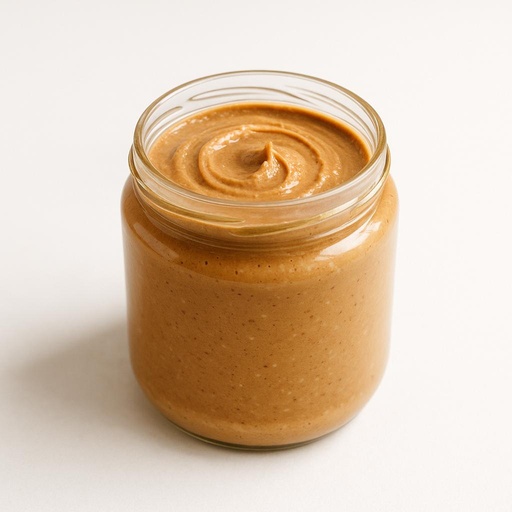
러시아 땅콩 페이스트 공급업체 및 가격 — 마켓 오버뷰 2026
HS 코드
200811
최종 업데이트
2026-10-29
서치 및 소싱 팀을 위한 핵심 요약
- 페이지 데이터 최종 업데이트일: 2026-10-29.
Tridge Ark · 수입 가능성 진단
러시아산 땅콩 페이스트, 우리도 들여올 수 있을까요?
필요한 스펙과 물량만 알려주세요. 실제로 소싱이 되는지, 어떤 원산지와 공급사가 맞는지 짚어드려요.
무료 가능성 진단은 가입 없이 받을 수 있습니다.
러시아의 땅콩 페이스트 수입 바이어 인텔리전스 및 가격 시그널: 바이어, 수요, 거래 파트너
러시아의 땅콩 페이스트에 대해 수입 파트너 기업 43개가 추적됩니다. 수출업체와 수입업체는 Supply Chain Intelligence 회사 프로필 및 분석을 활용해 바이어 수요, 파트너 밀도, 다운스트림 채널을 분석할 수 있습니다.
스캐터 포인트는 전체 거래 데이터셋의 100.0%에서 샘플링되었습니다. 점 하나하나가 실제 거래입니다 — 클릭해서 상세 정보를 보고, 적정한 거래였는지 AI Chat에 물어보세요.
땅콩 페이스트의 러시아 샘플 수입 거래 및 가격 기록
러시아의 땅콩 페이스트 샘플 수입 거래 5건은 가격 수준과 수요 측 거래 패턴 벤치마킹을 위한 날짜, 원산지, 무역 국가 맥락을 제공합니다.
러시아의 땅콩 페이스트 샘플 수입 거래 단가(일자별): 2026-08-29: 12.78 USD / kg, 2026-08-12: 9.17 USD / kg, 2026-08-05: 9.43 USD / kg, 2026-03-18: 10.00 USD / kg, 2025-10-15: 8.14 USD / kg.
| 일자 | 신고 품목 | 단가 | 수출업체 | 수입업체 | 원산지 | |
|---|---|---|---|---|---|---|
| 2026-08-29 | Nut** ********** *** ***** ****** ******* ** *** ***** ********* ****** ********* ********* ** ********* ******** ** * *** ******* *** ********* * *** ****** **************** ****** ******* ***** ******** ************* ******** ********** ********* * ****** ************ ** ***** ******* ***** *** *** | 12.78 USD / kg | (-) | (-) | - | |
| 2026-08-12 | Nut** ********** *** ***** ****** ******* ** *** ***** ********* *********** ****** **************** ****** ******* ***** ******** ************* ******** ********** ********* * ****** ************ ** ***** ******* ***** *** *** | 9.17 USD / kg | (-) | (-) | - | |
| 2026-08-05 | Cho****** *** ***** ******** **** ******** ********** ****************** ********** ************* ****** ****** **** ****** ****** *** ******* *** ********* ********* ****** ****** ****** ******* ** *** **** ******* ************ **** * *** ******* **** ** ** | 9.43 USD / kg | (-) | (-) | - | |
| 2026-03-18 | Sug******* ****** ******* ***** ******** ************* ******** ********** ********* * ****** ************ ** ***** ******* *** *** | 10.00 USD / kg | (-) | (-) | - | |
| 2025-10-15 | 1) ****** ********** ***** *** ****** ********* ***** * ****** *** *** ** ****************** * *********************** ****************** * ********* **** **** *** ** *** * ********** ************** ****** ** ****** ********** ***** *** ****** ********* *** ** ** ****************** * *********************** ****************** * ********* **** **** *** ** *** * ********** ************** ****** | 8.14 USD / kg | (-) | (-) | - |
러시아의 땅콩 페이스트 선적 내역과 가격 보기
무료 계정으로 Tridge Eye에서 전체 시장을 열어 보세요
가입 후 기업 인증을 하세요 — 신규 인증 회사는 Tridge Eye Business를 무료로 체험할 수 있습니다.
러시아 내 상위 땅콩 페이스트 바이어, 수입업체 및 수요 파트너
선도 바이어 프로필을 검토하고 러시아의 땅콩 페이스트에 대해 추적되는 전체 수입 파트너 기업 43개와 비교하세요. 수출업체와 수입업체는 Supply Chain Intelligence 회사 프로필 및 분석으로 수요 측 파트너 적합도를 평가할 수 있습니다.
(러시아)
최근 수입 거래: 2026-09-29
임직원 규모: 직원 1000명 초과
산업군: 식품 제조, 식음료 서비스업, 식품 도매
밸류체인 역할: 유통 / 도매, 식품 제조, 소매
(러시아)
최근 수입 거래: 2026-09-29
산업군: 식품 제조, 식품 도매
밸류체인 역할: 유통 / 도매, 식품 제조
(러시아)
최근 수입 거래: 2026-09-29
임직원 규모: 직원 1000명 초과
산업군: 음료 제조, 식품 제조, 식품 포장, 식음료 서비스업, 식품 도매, 온라인 리테일 및 풀필먼트, 기타
밸류체인 역할: 유통 / 도매, 식품 제조, 소매, 무역
(러시아)
최근 수입 거래: 2026-09-29
산업군: 음료 제조, 식품 제조, 식품 포장, 식음료 서비스업
밸류체인 역할: 유통 / 도매, 식품 제조, 소매, 무역
(러시아)
최근 수입 거래: 2026-09-29
임직원 규모: 직원 101 - 500명
산업군: 음료 제조, 식품 제조, 식품 포장, 식품 도매
밸류체인 역할: 유통 / 도매, 식품 제조
(러시아)
최근 수입 거래: 2026-09-29
산업군: 음료 제조, 브로커 및 무역 대행, 식품 제조, 식품 포장
밸류체인 역할: 유통 / 도매, 식품 제조, 무역
트릿지 아이에서 전체 그림 보기: 가격·거래 전체 이력 · 725,009+ 기업 프로필
러시아 수입 파트너 커버리지
43개 기업
수입 파트너 기업 수는 러시아의 땅콩 페이스트 수요 측 가시성을 보여줍니다.
공급망 인텔리전스 분석과 기업 프로필을 활용해 러시아에서 활동 중인 땅콩 페이스트 수입업체, 유통업체, 바이어 네트워크를 식별하세요.
Tridge Ark · 수출 가능성 진단
우리 땅콩 페이스트, 이 러시아 바이어들에게 팔 수 있을까요?
만드시는 제품만 알려주시면 됩니다. 지금 수출할 준비가 됐는지, 어느 시장이 맞는지 봐드려요.
무료 가능성 진단은 가입 없이 받을 수 있습니다.
Classification
Product TypeProcessed Food
Product FormShelf-stable paste/spread
Industry PositionValue-added Food Product
Market
Peanut paste (peanut butter-style spreads and industrial peanut paste) in Russia is primarily a domestic consumption product, with upstream dependence on imported peanuts and/or peanut ingredients. Retail demand is concentrated in urban channels and is strongly influenced by price, foreign-exchange-driven input costs, and availability of imported brands or imported raw materials for local packing. E-commerce marketplaces and modern grocery retail are important channels for consumer access, while B2B demand exists for bakery and confectionery uses. Regulatory compliance is anchored in EAEU technical regulations for food safety, labeling (including allergen declarations for peanuts), and permitted additives.
Market RoleImport-dependent consumer market with domestic packing/processing
Domestic RoleRetail spread product and an ingredient for bakery/confectionery and foodservice formulations
SeasonalityYear-round availability; demand and supply are not tied to local agricultural harvest seasonality.
Specification
Physical Attributes
- Texture targets (smooth paste vs defined peanut particulates for crunchy styles)
- Oil separation behavior (stability expectations vary by channel and formulation)
- Color consistency linked to roasting profile
Compositional Metrics
- Declared peanut content percentage and added sugar/salt levels on label
- Oxidative stability indicators (rancidity control during shelf life)
- Food-safety conformity for mycotoxins (aflatoxins) and microbiological hazards (e.g., Salmonella)
Packaging
- Retail jars (glass or PET/plastic) with tamper evidence
- Foodservice/industrial pails or drums (HDPE/lined metal) for B2B users
Supply Chain
Value Chain
- Imported peanuts and/or peanut ingredients → roasting (if using whole peanuts) → grinding/refining → optional blending (salt/sugar/oils/emulsifiers) → packaging → EAC conformity documentation/labeling → distribution to retail, marketplaces, and B2B ingredient channels
Temperature
- Ambient distribution is typical; avoid high heat during storage/transport to reduce oil separation and oxidative rancidity.
- Protect from temperature cycling that can accelerate texture defects and shorten practical shelf life.
Shelf Life
- Shelf life is mainly limited by oxidation; oxygen/light barrier packaging and tight closure integrity support stability.
- Opened-jar handling at consumer level can drive quality complaints (off-flavors) if contamination or prolonged exposure occurs.
Freight IntensityMedium
Transport ModeMultimodal
Risks
Sanctions HighRussia-related sanctions and export-control restrictions (plus banking, insurance, and carrier limitations) can abruptly disrupt sourcing routes, payment execution, and shipping options for peanut paste or its imported inputs, causing delays, forced rerouting, or inability to fulfill contracts with certain origin-country partners.Run sanctions screening on all counterparties and logistics providers; confirm payment pathways early; diversify origins and routing options; use compliant trade intermediaries and document end-use and product classification.
Food Safety HighPeanut-based products carry elevated aflatoxin and Salmonella risk relative to many other shelf-stable spreads; non-conformity can trigger border detention, recalls, or retail delisting and can materially block market access.Implement a tested food-safety plan (HACCP-based), require COAs and independent lab testing for mycotoxins and microbiology on lots, and audit supplier preventive controls.
Logistics MediumRoute volatility and higher friction on Russia-linked freight (rerouting, longer transit times, and higher insurance/handling complexity) can increase landed costs and degrade service levels, especially for finished retail packs.Contract for longer lead times, build safety stock for key SKUs, and consider bulk import with local packing to reduce per-unit freight exposure.
Regulatory Compliance MediumLabeling or conformity-document mismatches (EAC declaration scope, Russian-language label content, allergen statements for peanuts, additive declarations) can lead to clearance delays or product withdrawal from retail channels.Pre-validate label text and documentation against EAEU TR CU requirements and importer checklists; keep formulation, additive, and allergen statements consistent across specs and labels.
Sustainability
- Palm/vegetable oil sourcing exposure if used as a stabilizing fat in some peanut paste formulations (deforestation and supply-chain transparency concerns depend on the oil origin).
- Packaging waste and recycling responsibility can affect compliance cost planning for importers/packers placing packaged spreads on the Russian market.
Labor & Social
- Sanctions and counterparty due diligence (screening of banks, carriers, insurers, and intermediaries) is a practical compliance theme for Russia-linked trade flows.
- Responsible sourcing risk can sit upstream in peanut supply chains (origin-country farm labor risks), requiring supplier audits and traceability for risk-sensitive buyers.
Standards
- FSSC 22000
- BRCGS Food Safety
- IFS Food
FAQ
Which core regulations typically anchor compliance for peanut paste sold in Russia?Compliance is typically anchored in EAEU technical regulations covering food safety (TR CU 021/2011), food labeling (TR CU 022/2011, including allergen disclosure for peanuts), and requirements for food additives and processing aids (TR CU 029/2012). Importers also need appropriate EAC conformity documentation (e.g., a declaration of conformity) depending on the exact product and HS classification.
Why can sanctions be a deal-breaker risk for peanut paste supply into the Russian market?Even when the product itself is not prohibited, Russia-linked sanctions can restrict which banks, insurers, shipping lines, and counterparties can be used. That can prevent payments from settling, force route changes, or stop shipments from being accepted by certain service providers, disrupting supply continuity and contract performance.
What food safety hazards are most critical for peanut-based pastes in Russia-linked trade?The most critical hazards are mycotoxins (especially aflatoxins) and microbiological risks such as Salmonella that are commonly associated with peanut supply chains. Managing these risks typically requires supplier preventive controls plus lot-level testing and documentation to avoid detention, recall, or retail delisting.
Sources


Tridge Ark · 수출·수입 가능성 진단
러시아 땅콩 페이스트, 사는 쪽이세요 파는 쪽이세요?
어느 쪽이든 몇 가지만 답해주시면 됩니다. 어디서 살 수 있는지, 누구에게 팔 수 있는지 정리해서 보내드릴게요.
무료 가능성 진단은 가입 없이 받을 수 있습니다.
'쿠키 허용'을 클릭하면 통계 및 개인 선호도 산출을 위한 쿠키 제공에 동의하게 됩니다.
개인정보 보호정책에서 쿠키에 대한 자세한 내용을 확인할 수 있습니다.