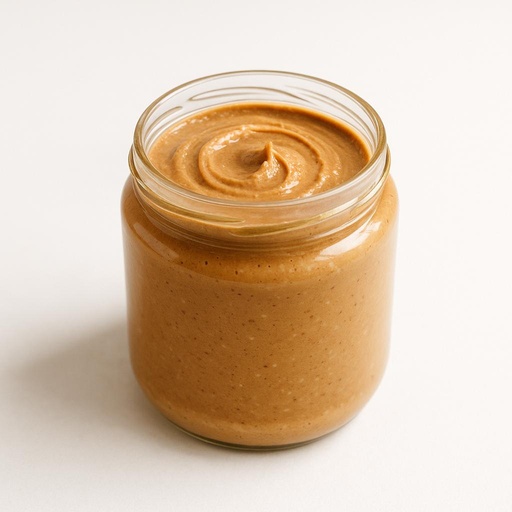
태국 땅콩 페이스트 공급업체 및 가격 — 마켓 오버뷰 2026
HS 코드
200811
최종 업데이트
2026-10-19
서치 및 소싱 팀을 위한 핵심 요약
- 태국에 대한 샘플 수출 거래 5건이 요약되어 있습니다.
- 태국의 땅콩 페이스트에 대해 수출 파트너 기업(제조사 포함) 1개와 수입 파트너 기업 3개가 매핑되어 있습니다.
- 수출 파트너 국가 5개와 수입 파트너 국가 5개가 랭킹되어 있습니다.
- 이 페이지 데이터셋의 최신 기준 연도는 2024입니다.
- 페이지 데이터 최종 업데이트일: 2026-10-19.
태국의 땅콩 페이스트 수출 공급업체·제조사 인텔리전스, 가격 동향, 무역 흐름
태국의 땅콩 페이스트에 대해 수출 파트너 기업 1개가 추적됩니다. Supply Chain Intelligence 회사 프로필 및 분석으로 수출업체 커버리지, 파트너 품질, 경로 우선순위를 검증하세요.
태국에서의 땅콩 페이스트 수출 인텔리전스를 확인하세요. 샘플 공급업체 거래 5건, 월간 단가 범위, HS 코드 200811의 파트너 국가 무역 흐름 패턴을 포함합니다.
스캐터 포인트는 전체 거래 데이터셋의 100.0%에서 샘플링되었습니다. 점 하나하나가 실제 거래입니다 — 클릭해서 상세 정보를 보고, 적정한 거래였는지 AI Chat에 물어보세요.
태국의 땅콩 페이스트 샘플 수출 공급업체·제조사 거래 기록
태국의 땅콩 페이스트 샘플 거래 5건에는 수출 가격과 공급업체 거래 패턴 벤치마킹을 위한 날짜, 원산지, 파트너 국가 맥락이 포함됩니다.
태국의 땅콩 페이스트 샘플 거래 단가(일자별): 2026-01-11: 3.13 USD / kg, 2026-01-11: 0.93 USD / kg, 2026-01-11: 3.13 USD / kg, 2026-01-11: 0.93 USD / kg, 2025-11-30: 3.13 USD / kg.
| 일자 | 신고 품목 | 단가 | 수출업체 | 수입업체 | |
|---|---|---|---|---|---|
| 2026-01-11 | (X ** *** ********** ******* **** **** ** ***** ***** ******* * **** * * ***** **** * * **** ** * * ** ***** ****** ****** **** ******** * ***** **** ******* ** *** ****** | 3.13 USD / kg | (태국) | (미국) | |
| 2026-01-11 | ( X ** *** ********** ******* **** **** ** ***** ***** ******* ** *** * ** * * ***** **** ** ** **** *** ** ** *** ***** ****** ****** **** ******** * ***** **** ******* ** ********* | 0.93 USD / kg | (태국) | (미국) | |
| 2025-11-30 | (X ** *** ********** ******* **** **** ** ***** ***** ******* * **** * * ***** **** * * **** ** * * ** ***** ****** ****** **** ******** * ***** **** ******* ** *** ****** | 3.13 USD / kg | (태국) | (미국) |
태국의 땅콩 페이스트 선적 내역과 가격 보기
무료 계정으로 Tridge Eye에서 전체 시장을 열어 보세요
가입 후 기업 인증을 하세요 — 신규 인증 회사는 Tridge Eye Business를 무료로 체험할 수 있습니다.
태국의 상위 땅콩 페이스트 수출 공급업체, 제조사 및 기업
선도 수출업체 프로필을 검토하고 태국의 땅콩 페이스트에 대해 추적되는 전체 수출 파트너 기업 1개와 비교하세요. Supply Chain Intelligence 회사 프로필 및 분석으로 소싱 및 수출 파트너를 더 빠르게 선별할 수 있습니다.
(태국)
최근 수출 거래: 2026-09-19
산업군: 기타
밸류체인 역할: 물류
트릿지 아이에서 전체 그림 보기: 가격·거래 전체 이력 · 725,009+ 기업 프로필
태국 수출 파트너 커버리지
1개 기업
총 수출 파트너 기업 수는 태국의 땅콩 페이스트 수출 네트워크 깊이를 보여주는 핵심 신호입니다.
수출업체와 수입업체는 공급망 인텔리전스 기업 프로필 및 분석을 열어 태국 내 땅콩 페이스트 파트너 집중도, 공급 역량 시그널, 무역 관련성을 평가할 수 있습니다.
태국 내 땅콩 페이스트의 연간 수출 금액, 물량 및 공급업체 시장 규모 (HS 코드 200811)
태국의 땅콩 페이스트 수출 물량/금액 3년치를 분석해 공급 측 시장 성장, 계절성, 무역 변동성을 평가하세요.
| 연도 | 물량 | 금액 |
|---|---|---|
| 2024 | 8,044,972 | 36,037,496 USD |
| 2023 | 7,625,593 | 36,226,964 USD |
| 2022 | 7,492,739 | 35,981,119 USD |
태국에서 수출되는 땅콩 페이스트의 주요 수출 대상 시장 (HS 코드 200811) 2024
2024년 기준, 태국발 땅콩 페이스트 수출의 상위 목적지국 5개 전반에서 수출 물량과 금액을 비교하세요.
| 순위 | 국가 | 물량 | 금액 |
|---|---|---|---|
| 1 | 미국 | 2,877,458.652 | 11,441,460.76 USD |
| 2 | 대한민국 | 1,212,350 | 4,589,460.24 USD |
| 3 | 스위스 | 205,425 | 2,367,903.73 USD |
| 4 | 말레이시아 | 337,311 | 1,966,254.59 USD |
| 5 | 베트남 | 520,554 | 1,901,937.42 USD |
Tridge Ark · 수입 가능성 진단
태국산 땅콩 페이스트, 우리도 들여올 수 있을까요?
필요한 스펙과 물량만 알려주세요. 실제로 소싱이 되는지, 어떤 원산지와 공급사가 맞는지 짚어드려요.
무료 가능성 진단은 가입 없이 받을 수 있습니다.
태국의 땅콩 페이스트 수입 바이어 인텔리전스 및 가격 시그널: 바이어, 수요, 거래 파트너
태국의 땅콩 페이스트에 대해 수입 파트너 기업 3개가 추적됩니다. 수출업체와 수입업체는 Supply Chain Intelligence 회사 프로필 및 분석을 활용해 바이어 수요, 파트너 밀도, 다운스트림 채널을 분석할 수 있습니다.
스캐터 포인트는 전체 거래 데이터셋의 100.0%에서 샘플링되었습니다. 점 하나하나가 실제 거래입니다 — 클릭해서 상세 정보를 보고, 적정한 거래였는지 AI Chat에 물어보세요.
땅콩 페이스트의 태국 샘플 수입 거래 및 가격 기록
태국의 땅콩 페이스트 샘플 수입 거래 3건은 가격 수준과 수요 측 거래 패턴 벤치마킹을 위한 날짜, 원산지, 무역 국가 맥락을 제공합니다.
태국의 땅콩 페이스트 샘플 수입 거래 단가(일자별): 2025-12-14: 3.29 USD / kg, 2025-12-14: 3.29 USD / kg, 2025-10-03: 3.36 USD / kg.
| 일자 | 신고 품목 | 단가 | 수출업체 | 수입업체 | 원산지 | |
|---|---|---|---|---|---|---|
| 2025-12-14 | EEZ** ***** *** **** ** ** **** ********* ***** ** ******* ****** ******** ****** ***** *** ******* ************ *** ** | 3.29 USD / kg | (-) | (-) | - | |
| 2025-12-14 | EEZ** ***** *** **** ** ** **** ********* ***** ** ******* ****** ******** ****** ***** *** ******* ************ *** ** | 3.29 USD / kg | (-) | (-) | - | |
| 2025-10-03 | EEZ** ***** ************** *************** ***** ** ******* **************** ******* ******************************* | 3.36 USD / kg | (-) | (-) | - |
태국의 땅콩 페이스트 선적 내역과 가격 보기
무료 계정으로 Tridge Eye에서 전체 시장을 열어 보세요
가입 후 기업 인증을 하세요 — 신규 인증 회사는 Tridge Eye Business를 무료로 체험할 수 있습니다.
태국 내 상위 땅콩 페이스트 바이어, 수입업체 및 수요 파트너
선도 바이어 프로필을 검토하고 태국의 땅콩 페이스트에 대해 추적되는 전체 수입 파트너 기업 3개와 비교하세요. 수출업체와 수입업체는 Supply Chain Intelligence 회사 프로필 및 분석으로 수요 측 파트너 적합도를 평가할 수 있습니다.
(태국)
최근 수입 거래: 2026-09-19
산업군: 식품 제조
밸류체인 역할: 식품 제조, 무역
(태국)
최근 수입 거래: 2026-09-19
임직원 규모: 직원 1000명 초과
산업군: 식품 제조, 식음료 서비스업, 식품 도매
밸류체인 역할: 유통 / 도매, 식품 제조, 소매
(태국)
최근 수입 거래: 2026-09-19
산업군: 식품 도매, 기타
밸류체인 역할: 유통 / 도매, 무역
트릿지 아이에서 전체 그림 보기: 가격·거래 전체 이력 · 725,009+ 기업 프로필
태국 수입 파트너 커버리지
3개 기업
수입 파트너 기업 수는 태국의 땅콩 페이스트 수요 측 가시성을 보여줍니다.
공급망 인텔리전스 분석과 기업 프로필을 활용해 태국에서 활동 중인 땅콩 페이스트 수입업체, 유통업체, 바이어 네트워크를 식별하세요.
태국 내 땅콩 페이스트의 연간 수입 금액, 물량 및 수요 규모 (HS 코드 200811)
태국의 땅콩 페이스트 수입 물량/금액 3년치를 추적해 수요 성장과 시장 모멘텀을 평가하세요.
| 연도 | 물량 | 금액 |
|---|---|---|
| 2024 | 5,032,884 | 12,192,010 USD |
| 2023 | 4,339,695 | 11,586,204 USD |
| 2022 | 5,267,462 | 11,893,651 USD |
태국에 땅콩 페이스트를 공급하는 주요 원산지 공급국 (HS 코드 200811) 2024
2024년 기준, 태국로 땅콩 페이스트를 공급하는 상위 원산 공급국 5개 전반의 수입 물량과 금액을 비교하세요.
| 순위 | 국가 | 물량 | 금액 |
|---|---|---|---|
| 1 | 중국 | 4,300,336.623 | 9,379,003 USD |
| 2 | 호주 | 323,181 | 1,318,191.09 USD |
| 3 | 미국 | 115,584.775 | 547,768.85 USD |
| 4 | 인도 | 170,782.068 | 392,484.63 USD |
| 5 | 말레이시아 | 78,870 | 209,420.67 USD |
Tridge Ark · 수출 가능성 진단
우리 땅콩 페이스트, 이 태국 바이어들에게 팔 수 있을까요?
만드시는 제품만 알려주시면 됩니다. 지금 수출할 준비가 됐는지, 어느 시장이 맞는지 봐드려요.
무료 가능성 진단은 가입 없이 받을 수 있습니다.
Classification
Product TypeProcessed Food
Product FormShelf-stable paste/spread
Industry PositionPackaged food product and foodservice ingredient
Market
Peanut paste (including peanut butter-style spreads) in Thailand is a shelf-stable processed nut product sold for household use and used as an ingredient in bakery, confectionery, and foodservice applications. The market is supplied by a mix of domestic manufacturing and imports, with modern trade retailers and convenience stores as key packaged retail channels. The most binding market-access constraint is food-safety control (notably aflatoxin risk management) alongside clear allergen and labeling compliance for packaged foods. Buyers commonly expect lot-level traceability and GMP/HACCP-based controls for both domestic and imported products.
Market RoleDomestic consumer market with domestic manufacturing and imports
Domestic RoleRetail spread and multi-purpose ingredient for bakery, confectionery, and foodservice
Market Growth
SeasonalityFinished peanut paste is available year-round; supply risk is driven more by raw-material quality and import/logistics conditions than by seasonality of the finished product.
Specification
Physical Attributes
- Texture consistency (smooth vs crunchy) and spreadability
- Color and roasted flavor uniformity
- Oil separation behavior (natural vs stabilized formulations)
Compositional Metrics
- Declared peanut content and formulation transparency (e.g., presence/absence of added sugar, salt, oils)
- Allergen declaration and ingredient-list accuracy
Packaging
- Retail jars (glass or plastic) and squeeze bottles
- Foodservice packs (larger plastic jars/tubs) for professional kitchens
- Single-serve sachets in some channels
Supply Chain
Value Chain
- Raw peanut procurement (domestic and/or imported) → receiving inspection (including mycotoxin risk screening) → cleaning/sorting → roasting → grinding → blending/formulation → filling/packaging → distribution to retail/foodservice
Temperature
- Typically ambient distribution; protect from excessive heat to reduce rancidity risk
- Temperature abuse can accelerate oil oxidation and quality deterioration
Atmosphere Control
- Minimize oxygen exposure after opening; keep containers sealed to slow oxidation
- Packaging barrier performance influences shelf-life stability
Shelf Life
- Shelf-life is driven by formulation, packaging barrier, and oxidation control; natural products may show oil separation that requires stirring
Freight IntensityMedium
Transport ModeSea
Risks
Food Safety HighAflatoxin contamination risk in peanut-based products can trigger import rejection, retail delisting, or recalls if upstream storage/handling and testing controls are inadequate.Implement supplier approval with documented storage controls, require batch-level mycotoxin testing/COAs, and maintain robust incoming inspection and traceability for every lot.
Regulatory Compliance MediumMislabeling (including allergen declaration and Thai-market label requirements) and non-compliant additive/ingredient declarations can cause clearance delays or forced relabeling.Run a pre-shipment label and formulation compliance review against Thai FDA requirements and retailer checklists; keep signed specs and label proofs on file.
Logistics MediumFreight-rate volatility and container disruption can increase landed cost and create stockouts for imported finished products and/or imported peanut inputs used by Thai manufacturers.Use forward procurement and safety-stock planning for key SKUs/inputs; diversify origin and logistics routes where feasible.
Sustainability
- Post-harvest loss prevention and safe storage practices to reduce mold growth and mycotoxin risk in the upstream peanut supply chain
- Packaging waste considerations for consumer jars/sachets in modern trade channels
Standards
- HACCP
- GMP
- ISO 22000
- FSSC 22000
- BRCGS
FAQ
What is the biggest compliance risk for peanut paste entering the Thai market?Food-safety control of aflatoxin risk is the most critical blocker, because failure can lead to rejection or recalls. This record highlights aflatoxin risk management, testing evidence (COAs), and storage controls as key mitigations.
Is Halal certification required for peanut paste in Thailand?It is not universally required for all sales, but it is relevant and may be required by specific buyer programs or for Muslim consumer segments. This record recommends confirming requirements with the Thai buyer/importer and recognized Thai Halal bodies.
Which documents are commonly needed for importing peanut paste into Thailand?Commonly used documents include a commercial invoice, packing list, bill of lading/air waybill, and an import declaration through Thai Customs, plus a certificate of origin when claiming FTA preference. Depending on the product category and importer status, Thai FDA food import permissions/notifications may also apply.
Sources


Tridge Ark · 수출·수입 가능성 진단
태국 땅콩 페이스트, 사는 쪽이세요 파는 쪽이세요?
어느 쪽이든 몇 가지만 답해주시면 됩니다. 어디서 살 수 있는지, 누구에게 팔 수 있는지 정리해서 보내드릴게요.
무료 가능성 진단은 가입 없이 받을 수 있습니다.
'쿠키 허용'을 클릭하면 통계 및 개인 선호도 산출을 위한 쿠키 제공에 동의하게 됩니다.
개인정보 보호정책에서 쿠키에 대한 자세한 내용을 확인할 수 있습니다.