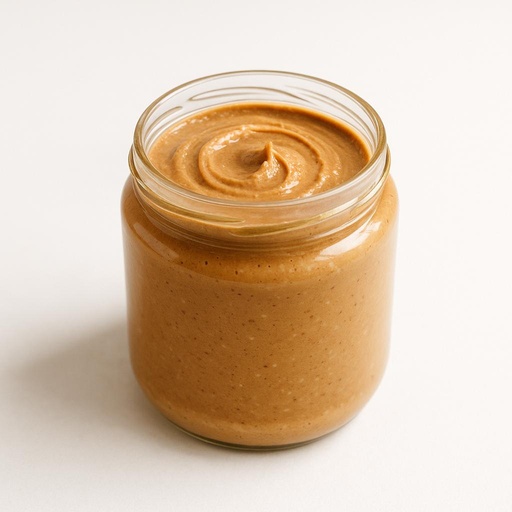
미국 땅콩 페이스트 공급업체 및 가격 — 마켓 오버뷰 2026
HS 코드
200811
최종 업데이트
2026-10-19
서치 및 소싱 팀을 위한 핵심 요약
- 미국에 대한 샘플 수출 거래 5건이 요약되어 있습니다.
- 미국의 땅콩 페이스트에 대해 수출 파트너 기업(제조사 포함) 48개와 수입 파트너 기업 34개가 매핑되어 있습니다.
- 수출 파트너 국가 5개와 수입 파트너 국가 5개가 랭킹되어 있습니다.
- 이 페이지 데이터셋의 최신 기준 연도는 2024입니다.
- 페이지 데이터 최종 업데이트일: 2026-10-19.
미국의 땅콩 페이스트 수출 공급업체·제조사 인텔리전스, 가격 동향, 무역 흐름
미국의 땅콩 페이스트에 대해 수출 파트너 기업 48개가 추적됩니다. Supply Chain Intelligence 회사 프로필 및 분석으로 수출업체 커버리지, 파트너 품질, 경로 우선순위를 검증하세요.
미국에서의 땅콩 페이스트 수출 인텔리전스를 확인하세요. 샘플 공급업체 거래 5건, 월간 단가 범위, HS 코드 200811의 파트너 국가 무역 흐름 패턴을 포함합니다.
스캐터 포인트는 전체 거래 데이터셋의 100.0%에서 샘플링되었습니다. 점 하나하나가 실제 거래입니다 — 클릭해서 상세 정보를 보고, 적정한 거래였는지 AI Chat에 물어보세요.
미국의 땅콩 페이스트 샘플 수출 공급업체·제조사 거래 기록
미국의 땅콩 페이스트 샘플 거래 5건에는 수출 가격과 공급업체 거래 패턴 벤치마킹을 위한 날짜, 원산지, 파트너 국가 맥락이 포함됩니다.
미국의 땅콩 페이스트 샘플 거래 단가(일자별): 2026-08-11: 3.06 USD / kg, 2026-08-05: 2.94 USD / kg, 2026-07-29: 4.40 USD / kg, 2025-12-22: 10.06 USD / kg, 2025-12-15: 14.73 USD / kg.
| 일자 | 신고 품목 | 단가 | 수출업체 | 수입업체 | |
|---|---|---|---|---|---|
| 2026-08-11 | 96-** ** *** ****** ** **** | 3.06 USD / kg | (미국) | (필리핀) | |
| 2026-08-05 | 96-**** *** ****** ** **** | 2.94 USD / kg | (미국) | (필리핀) | |
| 2026-07-29 | CRE** ** **** | 4.40 USD / kg | (미국) | (에콰도르) | |
| 2025-12-22 | SAL** ***** ********* *** *** *** ****** ***** * | 10.06 USD / kg | (미국) | (멕시코) | |
| 2025-12-15 | PAS** ** ******* ** ********* | 14.73 USD / kg | (미국) | (멕시코) |
이 5건은 샘플입니다 — 트릿지에 가입하고 미국 땅콩 페이스트 거래를 확인하세요
기록마다 수출사·수입사·단가가 보입니다. 적정한 거래였는지 AI Chat에 묻거나, 기록을 AI Curation으로 만드세요.
가입 후 기업 인증을 하세요 — 신규 인증 회사는 Tridge Eye Business를 무료로 체험할 수 있습니다.
미국의 상위 땅콩 페이스트 수출 공급업체, 제조사 및 기업
선도 수출업체 프로필을 검토하고 미국의 땅콩 페이스트에 대해 추적되는 전체 수출 파트너 기업 48개와 비교하세요. Supply Chain Intelligence 회사 프로필 및 분석으로 소싱 및 수출 파트너를 더 빠르게 선별할 수 있습니다.
(미국)
최근 수출 거래: 2026-09-19
매출액: 매출 USD 1M - 5M
산업군: 식품 제조, 기타
밸류체인 역할: 유통 / 도매, 식품 제조, 기타, 무역
(미국)
최근 수출 거래: 2026-09-19
임직원 규모: 직원 1000명 초과
매출액: 매출 USD 1B 초과
산업군: 식품 제조, 식음료 서비스업, 식료품점
밸류체인 역할: 식품 제조, 소매
(미국)
최근 수출 거래: 2026-09-19
산업군: 기타
밸류체인 역할: 무역
(미국)
최근 수출 거래: 2026-09-19
산업군: 음료 제조, 식품 도매, 기타
밸류체인 역할: 유통 / 도매, 기타, 무역
(미국)
최근 수출 거래: 2026-09-19
임직원 규모: 직원 1 - 10명
산업군: 기타
밸류체인 역할: 유통 / 도매
(미국)
최근 수출 거래: 2026-09-19
임직원 규모: 직원 1000명 초과
산업군: 식품 제조, 기타
밸류체인 역할: 식품 제조, 기타
트릿지 아이에서 전체 그림 보기: 가격·거래 전체 이력 · 725,009+ 기업 프로필
미국 수출 파트너 커버리지
48개 기업
총 수출 파트너 기업 수는 미국의 땅콩 페이스트 수출 네트워크 깊이를 보여주는 핵심 신호입니다.
수출업체와 수입업체는 공급망 인텔리전스 기업 프로필 및 분석을 열어 미국 내 땅콩 페이스트 파트너 집중도, 공급 역량 시그널, 무역 관련성을 평가할 수 있습니다.
미국 내 땅콩 페이스트의 연간 수출 금액, 물량 및 공급업체 시장 규모 (HS 코드 200811)
미국의 땅콩 페이스트 수출 물량/금액 3년치를 분석해 공급 측 시장 성장, 계절성, 무역 변동성을 평가하세요.
| 연도 | 물량 | 금액 |
|---|---|---|
| 2024 | 81,163,446 | 254,420,426 USD |
| 2023 | 79,512,629 | 244,644,004 USD |
| 2022 | 71,116,697 | 212,565,850 USD |
미국에서 수출되는 땅콩 페이스트의 주요 수출 대상 시장 (HS 코드 200811) 2024
2024년 기준, 미국발 땅콩 페이스트 수출의 상위 목적지국 5개 전반에서 수출 물량과 금액을 비교하세요.
| 순위 | 국가 | 물량 | 금액 |
|---|---|---|---|
| 1 | 캐나다 | 23,561,786 | 72,593,080 USD |
| 2 | 멕시코 | 18,357,835 | 49,823,347 USD |
| 3 | 대한민국 | 6,104,389 | 23,756,624 USD |
| 4 | 사우디아라비아 | 2,290,792 | 9,788,544 USD |
| 5 | 아랍에미리트 | 1,949,027 | 8,221,292 USD |
Tridge Ark · 수입 가능성 진단
미국산 땅콩 페이스트, 우리도 들여올 수 있을까요?
필요한 스펙과 물량만 알려주세요. 실제로 소싱이 되는지, 어떤 원산지와 공급사가 맞는지 짚어드려요.
무료 가능성 진단은 가입 없이 받을 수 있습니다.
미국의 땅콩 페이스트 수입 바이어 인텔리전스 및 가격 시그널: 바이어, 수요, 거래 파트너
미국의 땅콩 페이스트에 대해 수입 파트너 기업 34개가 추적됩니다. 수출업체와 수입업체는 Supply Chain Intelligence 회사 프로필 및 분석을 활용해 바이어 수요, 파트너 밀도, 다운스트림 채널을 분석할 수 있습니다.
스캐터 포인트는 전체 거래 데이터셋의 28.5%에서 샘플링되었습니다. 점 하나하나가 실제 거래입니다 — 클릭해서 상세 정보를 보고, 적정한 거래였는지 AI Chat에 물어보세요.
땅콩 페이스트의 미국 샘플 수입 거래 및 가격 기록
미국의 땅콩 페이스트 샘플 수입 거래 5건은 가격 수준과 수요 측 거래 패턴 벤치마킹을 위한 날짜, 원산지, 무역 국가 맥락을 제공합니다.
미국의 땅콩 페이스트 샘플 수입 거래 단가(일자별): 2026-08-25: 3.16 USD / kg, 2026-08-25: 1.39 USD / kg, 2026-07-29: 5.87 USD / kg, 2026-07-19: 1.00 USD / kg, 2026-07-10: 8.80 USD / kg.
| 일자 | 신고 품목 | 단가 | 수출업체 | 수입업체 | 원산지 | |
|---|---|---|---|---|---|---|
| 2026-08-25 | 01 ********* ** ** **** ****** ***** *** **** ***** ** ****** ******* **** ** ***** ** **** *** **** *** ******** ** **** ****** **** *** ******** ******* ** ***** ******* ******* ** **** ** *** **** ****** | 3.16 USD / kg | (-) | (-) | - | |
| 2026-08-25 | 01 ********* ** ** **** ****** ***** *** **** ***** ** ****** ******* **** ** ***** ** **** *** **** *** ******** ** **** ****** **** *** ******** ******* ** ***** ******* ******* ** **** ** *** ********* *** ****************** ***************** ** *** ***** *** ** *** **** * *** ********** ******* **** ******* ****** **** ************** ******* ***************** **** *** | 1.39 USD / kg | (-) | (-) | - | |
| 2026-07-29 | PAS** ** **** **** | 5.87 USD / kg | (-) | (-) | - | |
| 2026-07-19 | PAS** ** **** | 1.00 USD / kg | (-) | (-) | - | |
| 2026-07-10 | CON******* ***** ** *** | 8.80 USD / kg | (-) | (-) | - |
이 5건은 샘플입니다 — 트릿지에 가입하고 미국 땅콩 페이스트 거래를 확인하세요
기록마다 수출사·수입사·단가가 보입니다. 적정한 거래였는지 AI Chat에 묻거나, 기록을 AI Curation으로 만드세요.
가입 후 기업 인증을 하세요 — 신규 인증 회사는 Tridge Eye Business를 무료로 체험할 수 있습니다.
미국 내 상위 땅콩 페이스트 바이어, 수입업체 및 수요 파트너
선도 바이어 프로필을 검토하고 미국의 땅콩 페이스트에 대해 추적되는 전체 수입 파트너 기업 34개와 비교하세요. 수출업체와 수입업체는 Supply Chain Intelligence 회사 프로필 및 분석으로 수요 측 파트너 적합도를 평가할 수 있습니다.
(미국)
최근 수입 거래: 2026-09-19
최근 수입 파트너 기업: 1
산업군: 식품 제조, 식품 포장, 기타
밸류체인 역할: 식품 제조
(미국)
최근 수입 거래: 2026-09-19
산업군: 음료 제조, 식품 제조, 식품 포장
밸류체인 역할: 유통 / 도매, 농업 / 생산 / 가공 / 포장, 식품 제조
(미국)
최근 수입 거래: 2026-09-19
산업군: 작물 생산, 식품 제조, 식음료 서비스업, 기타
밸류체인 역할: 유통 / 도매, 농업 / 생산 / 가공 / 포장, 식품 제조, 소매
(미국)
최근 수입 거래: 2026-09-19
임직원 규모: 직원 11 - 50명
산업군: 음료 제조
밸류체인 역할: 식품 제조
(미국)
최근 수입 거래: 2026-09-19
임직원 규모: 직원 11 - 50명
매출액: 매출 USD 10M - 50M
산업군: 음료 제조, 식품 제조, 식음료 서비스업, 식품 도매
밸류체인 역할: 유통 / 도매, 식품 제조, 무역
(미국)
최근 수입 거래: 2026-09-19
임직원 규모: 직원 1000명 초과
매출액: 매출 USD 1B 초과
산업군: 백화점, 식품 제조, 식음료 서비스업, 식품 도매, 식료품점
밸류체인 역할: 유통 / 도매, 식품 제조, 소매
트릿지 아이에서 전체 그림 보기: 가격·거래 전체 이력 · 725,009+ 기업 프로필
미국 수입 파트너 커버리지
34개 기업
수입 파트너 기업 수는 미국의 땅콩 페이스트 수요 측 가시성을 보여줍니다.
공급망 인텔리전스 분석과 기업 프로필을 활용해 미국에서 활동 중인 땅콩 페이스트 수입업체, 유통업체, 바이어 네트워크를 식별하세요.
미국 내 땅콩 페이스트의 연간 수입 금액, 물량 및 수요 규모 (HS 코드 200811)
미국의 땅콩 페이스트 수입 물량/금액 3년치를 추적해 수요 성장과 시장 모멘텀을 평가하세요.
| 연도 | 물량 | 금액 |
|---|---|---|
| 2024 | 51,885,388 | 160,255,471 USD |
| 2023 | 50,354,617 | 153,276,637 USD |
| 2022 | 49,128,567 | 147,235,735 USD |
미국에 땅콩 페이스트를 공급하는 주요 원산지 공급국 (HS 코드 200811) 2024
2024년 기준, 미국로 땅콩 페이스트를 공급하는 상위 원산 공급국 5개 전반의 수입 물량과 금액을 비교하세요.
| 순위 | 국가 | 물량 | 금액 |
|---|---|---|---|
| 1 | 멕시코 | 24,244,240 | 73,652,666 USD |
| 2 | 캐나다 | 16,312,108 | 55,724,506 USD |
| 3 | 아르헨티나 | 5,899,002 | 13,602,061 USD |
| 4 | 인도 | 1,950,863 | 5,137,538 USD |
| 5 | 중국 | 1,600,698 | 4,141,976 USD |
Tridge Ark · 수출 가능성 진단
우리 땅콩 페이스트, 이 미국 바이어들에게 팔 수 있을까요?
만드시는 제품만 알려주시면 됩니다. 지금 수출할 준비가 됐는지, 어느 시장이 맞는지 봐드려요.
무료 가능성 진단은 가입 없이 받을 수 있습니다.
Classification
Product TypeProcessed Food
Product FormPaste/Spread
Industry PositionValue-added processed nut product
Market
In the United States, peanut paste (including peanut-butter style spreads and industrial peanut paste) is a large, mature processed-food category supported by substantial domestic peanut production and established branded and private-label manufacturing. Market access and trade performance are most sensitive to food-safety controls (notably Salmonella risk management), allergen labeling compliance, and aflatoxin control for raw peanut inputs.
Market RoleMajor producer, processor, and consumer market with active exports; also an importer of certain peanut and peanut-butter/paste products depending on origin and specification
Domestic RoleLarge-scale domestic consumption market with significant branded and private-label manufacturing; industrial peanut paste is also used as an ingredient for confectionery, bakery, and nutrition products
Market GrowthNot Mentioned
SeasonalityFinished peanut paste is supplied year-round from stored peanuts and continuous processing; raw peanut availability is influenced by the domestic harvest cycle.
Specification
Physical Attributes
- Texture specification (smooth/creamy vs coarse/crunchy; grind size targets for industrial paste)
- Color and roast intensity consistency
- Oil separation control (stabilized vs natural products)
- Foreign-material control (screening/metal detection expectations)
Compositional Metrics
- Moisture control to manage shelf stability and texture
- Oxidation/rancidity control expectations (freshness and flavor stability)
- Aflatoxin-control expectations for raw peanut inputs (as part of supplier approval programs)
Grades
- If marketed as 'peanut butter', formulations may be constrained by the U.S. standard of identity; industrial 'peanut paste' specifications are typically buyer-defined by application.
Packaging
- Retail: jars or plastic tubs with tamper-evident closures
- Foodservice: portion cups and larger tubs
- Industrial: pails, drums, totes, or bag-in-box depending on customer handling
Supply Chain
Value Chain
- Edible peanuts procurement → cleaning/sorting → roasting → blanching/skin removal → grinding → formulation (salt/sweetener/stabilizer as applicable) → metal detection → filling/packaging → warehousing → retail/foodservice/industrial distribution
Temperature
- Roasting is a key lethality and flavor-development step; post-roast handling emphasizes hygiene and allergen segregation to prevent recontamination.
- Finished product is typically shelf-stable at ambient conditions but benefits from cool, dry storage to slow oxidation and quality loss.
Atmosphere Control
- Oxygen management (e.g., minimizing headspace oxygen and limiting exposure during processing) supports flavor stability and reduces rancidity risk.
Shelf Life
- Shelf-life is mainly constrained by oxidation/rancidity and potential quality defects; maintaining sanitary design and validated controls reduces contamination-driven disruptions (recalls).
Freight IntensityMedium
Transport ModeMultimodal
Risks
Food Safety HighSalmonella contamination risk in peanut butter/paste can trigger large recalls, import refusals, and severe brand and channel disruption in the U.S. market; this has been a recurring high-impact hazard in peanut-product outbreak history.Implement validated preventive controls (FSMA-aligned), robust environmental monitoring, hygienic zoning, and strict post-roast controls to prevent recontamination; maintain recall-ready lot traceability and crisis procedures.
Allergen HighAllergen mislabeling or cross-contact can lead to Class I recalls and immediate retail delistings because peanuts are a major allergen requiring clear declaration in U.S. retail labeling.Use validated allergen control plans (segregation, verified sanitation, label control, and changeover checks) and conduct routine label/pack verification.
Contaminants MediumAflatoxin risk in raw peanuts can create compliance failures against buyer specifications and regulatory expectations, potentially leading to rejection of raw inputs or finished product quality disputes.Source from approved suppliers with documented aflatoxin-control programs; use risk-based incoming testing and clear acceptance specifications tied to intended end use.
Logistics MediumFreight-rate volatility, port congestion, and container availability shifts can disrupt export fulfillment schedules and raise delivered costs for U.S.-origin retail and industrial paste programs.Use diversified carriers/ports where feasible, maintain buffer inventory for key accounts, and align contracts with realistic lead times and contingency routing.
Sustainability
- Drought and water-availability variability in certain U.S. peanut-producing areas can affect raw peanut supply reliability and procurement costs for processors.
Labor & Social
- Supplier audits commonly include workplace safety and labor compliance expectations aligned with U.S. regulatory frameworks (e.g., OSHA) and buyer codes of conduct.
Standards
- SQF
- BRCGS
- FSSC 22000
FAQ
What is the biggest compliance risk for peanut paste in the U.S. market?Food-safety failures—especially Salmonella contamination—can trigger large recalls and severe channel disruption. U.S. expectations are anchored in FDA preventive-controls requirements, and public-health investigations have repeatedly highlighted peanut products as high-consequence when controls fail.
If a product is sold as 'peanut butter' in the U.S., are there composition rules?Yes. If the product is marketed as 'peanut butter', it may need to comply with the FDA standard of identity for peanut butter (21 CFR 164.150), which constrains how the product can be formulated and labeled.
What labeling issue can most quickly lead to a U.S. recall for peanut paste products?Allergen labeling and cross-contact control are critical because peanuts are a major allergen in the U.S. Mislabeling (or undeclared peanut presence due to cross-contact) can lead to high-severity recalls and immediate retailer action.
Sources
U.S. Food and Drug Administration (FDA) — Current Good Manufacturing Practice, Hazard Analysis, and Risk-Based Preventive Controls for Human Food (21 CFR Part 117)
U.S. Food and Drug Administration (FDA) — Standard of identity for peanut butter (21 CFR 164.150)
U.S. Food and Drug Administration (FDA) — Food allergen labeling requirements and guidance (FALCPA and related FDA labeling guidance)
U.S. Food and Drug Administration (FDA) — Prior Notice of Imported Food and Foreign Supplier Verification Programs (FSVP) compliance references
U.S. Customs and Border Protection (CBP) — U.S. import entry and admissibility process references for food shipments
U.S. International Trade Commission (USITC) — Harmonized Tariff Schedule of the United States (HTS) and tariff rate references
U.S. Department of Agriculture (USDA) National Agricultural Statistics Service (NASS) — U.S. peanut production statistics and producing-state distributions (annual crop reporting)
U.S. Centers for Disease Control and Prevention (CDC) — Foodborne outbreak investigation summaries related to peanut butter/peanut products (Salmonella hazard history)


Tridge Ark · 수출·수입 가능성 진단
미국 땅콩 페이스트, 사는 쪽이세요 파는 쪽이세요?
어느 쪽이든 몇 가지만 답해주시면 됩니다. 어디서 살 수 있는지, 누구에게 팔 수 있는지 정리해서 보내드릴게요.
무료 가능성 진단은 가입 없이 받을 수 있습니다.
'쿠키 허용'을 클릭하면 통계 및 개인 선호도 산출을 위한 쿠키 제공에 동의하게 됩니다.
개인정보 보호정책에서 쿠키에 대한 자세한 내용을 확인할 수 있습니다.