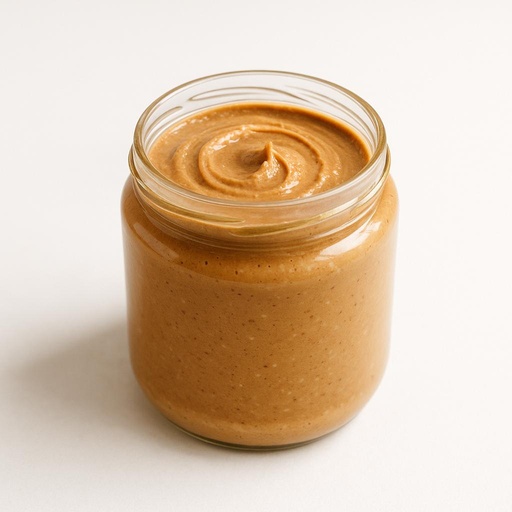
우즈베키스탄 땅콩 페이스트 공급업체 및 가격 — 마켓 오버뷰 2026
HS 코드
200811
최종 업데이트
2026-10-19
서치 및 소싱 팀을 위한 핵심 요약
- 우즈베키스탄에 대한 샘플 수출 거래 5건이 요약되어 있습니다.
- 우즈베키스탄의 땅콩 페이스트에 대해 수출 파트너 기업(제조사 포함) 21개와 수입 파트너 기업 5개가 매핑되어 있습니다.
- 수출 파트너 국가 5개와 수입 파트너 국가 5개가 랭킹되어 있습니다.
- 이 페이지 데이터셋의 최신 기준 연도는 2024입니다.
- 페이지 데이터 최종 업데이트일: 2026-10-19.
우즈베키스탄의 땅콩 페이스트 수출 공급업체·제조사 인텔리전스, 가격 동향, 무역 흐름
우즈베키스탄의 땅콩 페이스트에 대해 수출 파트너 기업 21개가 추적됩니다. Supply Chain Intelligence 회사 프로필 및 분석으로 수출업체 커버리지, 파트너 품질, 경로 우선순위를 검증하세요.
우즈베키스탄에서의 땅콩 페이스트 수출 인텔리전스를 확인하세요. 샘플 공급업체 거래 5건, 월간 단가 범위, HS 코드 200811의 파트너 국가 무역 흐름 패턴을 포함합니다.
스캐터 포인트는 전체 거래 데이터셋의 85.7%에서 샘플링되었습니다. 점 하나하나가 실제 거래입니다 — 클릭해서 상세 정보를 보고, 적정한 거래였는지 AI Chat에 물어보세요.
우즈베키스탄의 땅콩 페이스트 샘플 수출 공급업체·제조사 거래 기록
우즈베키스탄의 땅콩 페이스트 샘플 거래 5건에는 수출 가격과 공급업체 거래 패턴 벤치마킹을 위한 날짜, 원산지, 파트너 국가 맥락이 포함됩니다.
우즈베키스탄의 땅콩 페이스트 샘플 거래 단가(일자별): 2025-11-07: 3.32 USD / kg, 2025-11-07: 3.32 USD / kg, 2025-11-06: 3.32 USD / kg, 2025-11-06: 3.32 USD / kg, 2025-11-06: 3.32 USD / kg.
| 일자 | 신고 품목 | 단가 | 수출업체 | 수입업체 | |
|---|---|---|---|---|---|
| 2025-11-07 | 1. ***** ***** ************ ** **************** ***** ** ******* ******* ******** ****** ***** **** ******* ************ **** ************** **** * ***** ***** ********* ****** ** *************** ***** ******** ******** ************** ****** ****** ****** ***** ***************** **** *********** ***** * ** *** * **** ******* * **** ******* ** ** **** *** **** ******** ***** **** ***** ** | 3.32 USD / kg | (우즈베키스탄) | (아프가니스탄) | |
| 2025-11-07 | 1. ***** ***** ************ ** **************** ***** ** ******* ******* ******** ****** ***** **** ******* ************ **** ************** **** * ***** ***** ********* ****** ** *************** ***** ******** ******** ************** ****** ****** ****** ***** ***************** **** *********** ***** * ** *** * **** ******* * **** ******* ** ** **** *** **** ******** ** *** *** ** ***** **** ***** ** | 3.32 USD / kg | (우즈베키스탄) | (아프가니스탄) | |
| 2025-11-06 | 1. ***** ***** ************ ** **************** ***** ** ******* ******* ******** ****** ***** **** ******* ************ **** ************** **** * ***** ***** ********* ****** ** *************** ***** ******** ******** ************** ****** ****** ****** ***** ***************** **** *********** ***** * ** *** * **** ******* * **** ******* ** ** **** *** *** ******** ** *** *** ** ***** **** ***** ** | 3.32 USD / kg | (우즈베키스탄) | (아프가니스탄) | |
| 2025-11-06 | 1. ***** ***** ************ ** **************** ***** ** ******* ******* ******** ****** ***** **** ******* ************ **** ************** **** * ***** ***** ********* ****** ** *************** ***** ******** ******** ************** ****** ****** ****** ***** ***************** **** *********** ***** * ** *** * **** ******* * **** ******* ** ** **** *** **** ******** ***** **** ***** ** | 3.32 USD / kg | (우즈베키스탄) | (아프가니스탄) | |
| 2025-11-06 | 1. ***** ***** ************ ** **************** ***** ** ******* ******* ******** ****** ***** **** ******* ************ **** ************** **** * ***** ***** ********* ****** ** *************** ***** ******** ******** ************** ****** ****** ****** ***** ***************** **** *********** ***** * ** *** * **** ******* * **** ******* ** ** **** *** **** ******** ***** **** ***** ** | 3.32 USD / kg | (우즈베키스탄) | (아프가니스탄) |
우즈베키스탄의 땅콩 페이스트 선적 내역과 가격 보기
무료 계정으로 Tridge Eye에서 전체 시장을 열어 보세요
가입 후 기업 인증을 하세요 — 신규 인증 회사는 Tridge Eye Business를 무료로 체험할 수 있습니다.
우즈베키스탄의 상위 땅콩 페이스트 수출 공급업체, 제조사 및 기업
선도 수출업체 프로필을 검토하고 우즈베키스탄의 땅콩 페이스트에 대해 추적되는 전체 수출 파트너 기업 21개와 비교하세요. Supply Chain Intelligence 회사 프로필 및 분석으로 소싱 및 수출 파트너를 더 빠르게 선별할 수 있습니다.
(우즈베키스탄)
최근 수출 거래: 2026-09-19
산업군: 식품 제조, 기타
밸류체인 역할: 식품 제조
(우즈베키스탄)
최근 수출 거래: 2026-09-19
산업군: 음료 제조, 식품 제조
밸류체인 역할: 유통 / 도매
(우즈베키스탄)
최근 수출 거래: 2026-09-19
산업군: 식품 제조
밸류체인 역할: 식품 제조
(우즈베키스탄)
최근 수출 거래: 2026-09-19
산업군: 음료 제조, 브로커 및 무역 대행, 식품 제조, 식품 도매
밸류체인 역할: 무역
(우즈베키스탄)
최근 수출 거래: 2026-09-19
산업군: 브로커 및 무역 대행, 식품 제조, 식품 도매
밸류체인 역할: 유통 / 도매, 무역
(우즈베키스탄)
최근 수출 거래: 2026-09-19
산업군: 음료 제조, 식품 제조
밸류체인 역할: 농업 / 생산 / 가공 / 포장, 무역
트릿지 아이에서 전체 그림 보기: 가격·거래 전체 이력 · 725,009+ 기업 프로필
우즈베키스탄 수출 파트너 커버리지
21개 기업
총 수출 파트너 기업 수는 우즈베키스탄의 땅콩 페이스트 수출 네트워크 깊이를 보여주는 핵심 신호입니다.
수출업체와 수입업체는 공급망 인텔리전스 기업 프로필 및 분석을 열어 우즈베키스탄 내 땅콩 페이스트 파트너 집중도, 공급 역량 시그널, 무역 관련성을 평가할 수 있습니다.
우즈베키스탄 내 땅콩 페이스트의 연간 수출 금액, 물량 및 공급업체 시장 규모 (HS 코드 200811)
우즈베키스탄의 땅콩 페이스트 수출 물량/금액 2년치를 분석해 공급 측 시장 성장, 계절성, 무역 변동성을 평가하세요.
| 연도 | 물량 | 금액 |
|---|---|---|
| 2024 | 1,968,043 | 3,683,645 USD |
| 2023 | 512,170 | 997,333 USD |
우즈베키스탄에서 수출되는 땅콩 페이스트의 주요 수출 대상 시장 (HS 코드 200811) 2024
2024년 기준, 우즈베키스탄발 땅콩 페이스트 수출의 상위 목적지국 5개 전반에서 수출 물량과 금액을 비교하세요.
| 순위 | 국가 | 물량 | 금액 |
|---|---|---|---|
| 1 | 러시아 | 1,114,810 | 2,334,174 USD |
| 2 | 아제르바이잔 | 274,300 | 503,085.99 USD |
| 3 | 벨라루스 | 300,570 | 462,398.99 USD |
| 4 | 카자흐스탄 | 78,670 | 165,438 USD |
| 5 | 우크라이나 | 121,900 | 109,891 USD |
Tridge Ark · 수입 가능성 진단
우즈베키스탄산 땅콩 페이스트, 우리도 들여올 수 있을까요?
필요한 스펙과 물량만 알려주세요. 실제로 소싱이 되는지, 어떤 원산지와 공급사가 맞는지 짚어드려요.
무료 가능성 진단은 가입 없이 받을 수 있습니다.
우즈베키스탄의 땅콩 페이스트 수입 바이어 인텔리전스 및 가격 시그널: 바이어, 수요, 거래 파트너
우즈베키스탄의 땅콩 페이스트에 대해 수입 파트너 기업 5개가 추적됩니다. 수출업체와 수입업체는 Supply Chain Intelligence 회사 프로필 및 분석을 활용해 바이어 수요, 파트너 밀도, 다운스트림 채널을 분석할 수 있습니다.
스캐터 포인트는 전체 거래 데이터셋의 100.0%에서 샘플링되었습니다. 점 하나하나가 실제 거래입니다 — 클릭해서 상세 정보를 보고, 적정한 거래였는지 AI Chat에 물어보세요.
땅콩 페이스트의 우즈베키스탄 샘플 수입 거래 및 가격 기록
우즈베키스탄의 땅콩 페이스트 샘플 수입 거래 4건은 가격 수준과 수요 측 거래 패턴 벤치마킹을 위한 날짜, 원산지, 무역 국가 맥락을 제공합니다.
우즈베키스탄의 땅콩 페이스트 샘플 수입 거래 단가(일자별): 2026-08-26: 11.15 USD / kg, 2026-08-13: 17.43 USD / kg, 2025-10-07: 6.74 USD / kg, 2025-09-24: 3.96 USD / kg.
| 일자 | 신고 품목 | 단가 | 수출업체 | 수입업체 | 원산지 | |
|---|---|---|---|---|---|---|
| 2026-08-26 | Nut** ********** *** ***** ****** ******* ** *** ***** ********* *********** ****** ************ ****** ****** ****** **** ** * *** **** * ****** ****** ** | 11.15 USD / kg | (-) | (-) | - | |
| 2026-08-13 | Mis********** **** *************** ******* ******* ************* **** ***** * * ** ******* **** ********* ****** ******** ************* ***** *** *** ********** ** *** ****** ******* *** ************** ******* **** ******* *** ****** ***** ******** ********* * ****** ******* ****** ** * *** ************* ****** **** ****** * ******* ** *** * ****** *** | 17.43 USD / kg | (-) | (-) | - | |
| 2025-10-07 | 1)П**** *********** ******* ****** *** ******** ********** ****** ***************** ******** **************** * **** ** *** * **** ***** | 6.74 USD / kg | (-) | (-) | - | |
| 2025-09-24 | 1. ***** ******** ************* ****** ****** ** ** *** *** * *********** ****** *** ********** ******* *** ********** **** ** *** ******** ************* ** *********** ********** ********** ************* ************* *** *********** **************** **** *** ************* * ************ *************** * **** ***** ** ** **** *** *** *********** ***** ** *** *** ** ***** **** ***** ** | 3.96 USD / kg | (-) | (-) | - |
우즈베키스탄의 땅콩 페이스트 선적 내역과 가격 보기
무료 계정으로 Tridge Eye에서 전체 시장을 열어 보세요
가입 후 기업 인증을 하세요 — 신규 인증 회사는 Tridge Eye Business를 무료로 체험할 수 있습니다.
우즈베키스탄 내 상위 땅콩 페이스트 바이어, 수입업체 및 수요 파트너
선도 바이어 프로필을 검토하고 우즈베키스탄의 땅콩 페이스트에 대해 추적되는 전체 수입 파트너 기업 5개와 비교하세요. 수출업체와 수입업체는 Supply Chain Intelligence 회사 프로필 및 분석으로 수요 측 파트너 적합도를 평가할 수 있습니다.
(우즈베키스탄)
최근 수입 거래: 2026-09-19
산업군: 포워딩 및 복합운송, 기타
밸류체인 역할: 물류
(우즈베키스탄)
최근 수입 거래: 2026-09-19
산업군: 식품 제조
밸류체인 역할: 식품 제조
(우즈베키스탄)
최근 수입 거래: 2026-09-19
산업군: 포워딩 및 복합운송
밸류체인 역할: 물류
(우즈베키스탄)
최근 수입 거래: 2026-09-19
임직원 규모: 직원 51 - 100명
매출액: 매출 USD 1M - 5M
산업군: 음료 제조, 브로커 및 무역 대행, 식품 제조, 식품 포장
밸류체인 역할: 유통 / 도매, 농업 / 생산 / 가공 / 포장, 식품 제조, 무역
(우즈베키스탄)
최근 수입 거래: 2026-09-19
임직원 규모: 직원 1 - 10명
산업군: 식품 제조
밸류체인 역할: 식품 제조, 무역
트릿지 아이에서 전체 그림 보기: 가격·거래 전체 이력 · 725,009+ 기업 프로필
우즈베키스탄 수입 파트너 커버리지
5개 기업
수입 파트너 기업 수는 우즈베키스탄의 땅콩 페이스트 수요 측 가시성을 보여줍니다.
공급망 인텔리전스 분석과 기업 프로필을 활용해 우즈베키스탄에서 활동 중인 땅콩 페이스트 수입업체, 유통업체, 바이어 네트워크를 식별하세요.
우즈베키스탄 내 땅콩 페이스트의 연간 수입 금액, 물량 및 수요 규모 (HS 코드 200811)
우즈베키스탄의 땅콩 페이스트 수입 물량/금액 2년치를 추적해 수요 성장과 시장 모멘텀을 평가하세요.
| 연도 | 물량 | 금액 |
|---|---|---|
| 2024 | 508,705 | 1,668,268 USD |
| 2023 | 303,980 | 979,234 USD |
우즈베키스탄에 땅콩 페이스트를 공급하는 주요 원산지 공급국 (HS 코드 200811) 2024
2024년 기준, 우즈베키스탄로 땅콩 페이스트를 공급하는 상위 원산 공급국 5개 전반의 수입 물량과 금액을 비교하세요.
| 순위 | 국가 | 물량 | 금액 |
|---|---|---|---|
| 1 | 러시아 | 453,510 | 1,436,674 USD |
| 2 | 카자흐스탄 | 40,450 | 175,356 USD |
| 3 | 중국 | 6,025.928 | 17,785 USD |
| 4 | 터키 | 2,708.946 | 15,355 USD |
| 5 | 독일 | 2,520 | 8,175 USD |
Tridge Ark · 수출 가능성 진단
우리 땅콩 페이스트, 이 우즈베키스탄 바이어들에게 팔 수 있을까요?
만드시는 제품만 알려주시면 됩니다. 지금 수출할 준비가 됐는지, 어느 시장이 맞는지 봐드려요.
무료 가능성 진단은 가입 없이 받을 수 있습니다.
Classification
Product TypeProcessed Food
Product FormPaste
Industry PositionValue-Added Processed Food Product
Market
Peanut paste in Uzbekistan is a processed nut-seed product primarily positioned for domestic retail consumption and as an input for foodservice and confectionery applications. Publicly accessible, product-specific data on national production capacity and trade balance is limited, creating a material information gap for market sizing and competitor mapping. As a landlocked country, Uzbekistan’s delivered costs and lead times for imported packaged spreads can be sensitive to overland transit conditions and multimodal logistics constraints. The most trade-critical compliance theme for peanut-derived products is food-safety control of aflatoxins and clear allergen labeling, which can drive border rejections in strict markets and heightened importer scrutiny.
Market RoleDomestic consumption market; trade balance and production scale not clearly documented in public sources (data gap)
Domestic RoleConsumer packaged spread and food-ingredient input for bakery/confectionery and foodservice
Specification
Physical Attributes
- Smooth paste texture is common; crunchy variants may be present depending on formulation
- Oil separation can occur in formulations without stabilizers and is managed through mixing before use
Compositional Metrics
- Declared peanut content and ingredient list are key buyer checks for retail programs
- Aflatoxin compliance and documented lot testing are critical for peanut-derived products in regulated markets
- Allergen declaration for peanuts is essential for consumer safety and importer compliance
Packaging
- Retail jars (glass or plastic)
- Bulk pails or drums for foodservice/industrial use
Supply Chain
Value Chain
- Peanut sourcing (domestic and/or imported) → cleaning/sorting → roasting → grinding → optional blending (salt/sugar/oil) → filling/packaging → distribution to wholesale/retail/foodservice
Temperature
- Store in cool, dry conditions to slow oxidation and preserve flavor stability
- Avoid prolonged high-heat exposure in warehouses and during transport to reduce rancidity risk
Shelf Life
- Shelf life is driven by oxidation control, packaging integrity, and hygienic handling after opening
Freight IntensityMedium
Transport ModeMultimodal
Risks
Food Safety HighAflatoxin contamination risk in peanut-derived products can trigger import rejection, recalls, or intensified border inspection in strict markets; insufficient lot testing and weak storage controls are the most common failure modes.Implement supplier approval and incoming-peanut testing, enforce dry/clean storage with segregation, and maintain lot-level aflatoxin test COAs aligned to destination limits before shipment.
Logistics MediumLandlocked multimodal transport increases exposure to transit delays and delivered-cost volatility for imported packaged spreads, which can disrupt promotions and retailer service levels.Use buffer inventory for retail programs, diversify corridors/carriers, and align order cycles to realistic lead-time bands with contingency routing.
Regulatory Compliance MediumLabeling and documentation mismatches (allergen statements, ingredient listing, date marking, and language/format expectations) can delay clearance or cause relabeling costs.Run pre-shipment label and document checks with the importer, and keep a controlled label master file tied to each SKU and destination requirement.
Sustainability
- Mycotoxin prevention and waste reduction through improved drying, storage, and segregation practices in peanut supply chains
- Packaging waste management for consumer jars and bulk containers
Labor & Social
- Country-level human-rights due diligence may be requested by international buyers given Uzbekistan’s historical forced-labor concerns in cotton; this controversy is not specific to peanut paste but can influence broader supplier screening and audit expectations.
Standards
- FSSC 22000
- BRCGS Food Safety
- IFS Food
FAQ
What is the biggest trade-stopping risk for peanut paste shipments into regulated markets?Aflatoxin non-compliance is the most critical risk for peanut-derived products. If lot-level testing and storage controls are not robust, shipments can be rejected or held for intensified inspection, creating severe cost and reputational impacts.
Why can logistics be a significant cost risk for Uzbekistan in this product category?Uzbekistan is landlocked, so imports and exports often rely on overland and multimodal corridors. That increases exposure to transit delays and delivered-cost volatility, especially for heavy, packaged consumer goods like spreads.
Is Halal certification required for peanut paste in Uzbekistan?It is commonly relevant rather than universally mandatory. Many buyers and consumers prefer Halal-certified products, and it can be important for exports to Muslim-majority destinations, but requirements depend on the specific customer and destination market.
Sources


Tridge Ark · 수출·수입 가능성 진단
우즈베키스탄 땅콩 페이스트, 사는 쪽이세요 파는 쪽이세요?
어느 쪽이든 몇 가지만 답해주시면 됩니다. 어디서 살 수 있는지, 누구에게 팔 수 있는지 정리해서 보내드릴게요.
무료 가능성 진단은 가입 없이 받을 수 있습니다.
'쿠키 허용'을 클릭하면 통계 및 개인 선호도 산출을 위한 쿠키 제공에 동의하게 됩니다.
개인정보 보호정책에서 쿠키에 대한 자세한 내용을 확인할 수 있습니다.