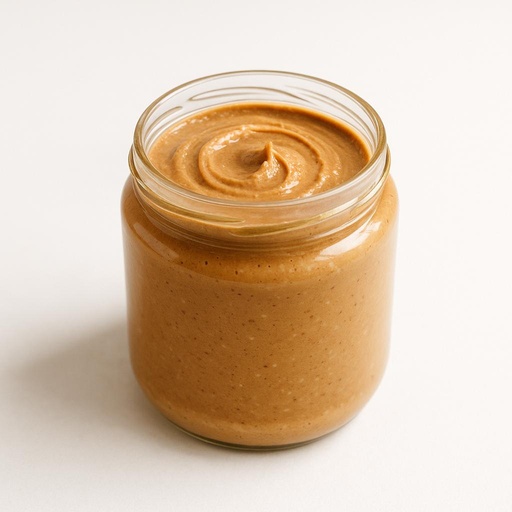
베트남 땅콩 페이스트 공급업체 및 가격 — 마켓 오버뷰 2026
HS 코드
200811
최종 업데이트
2026-10-29
서치 및 소싱 팀을 위한 핵심 요약
- 베트남에 대한 샘플 수출 거래 5건이 요약되어 있습니다.
- 베트남의 땅콩 페이스트에 대해 수출 파트너 기업(제조사 포함) 17개와 수입 파트너 기업 8개가 매핑되어 있습니다.
- 이 페이지 데이터셋의 최신 기준 연도는 2024입니다.
- 페이지 데이터 최종 업데이트일: 2026-10-29.
베트남의 땅콩 페이스트 수출 공급업체·제조사 인텔리전스, 가격 동향, 무역 흐름
베트남의 땅콩 페이스트에 대해 수출 파트너 기업 17개가 추적됩니다. Supply Chain Intelligence 회사 프로필 및 분석으로 수출업체 커버리지, 파트너 품질, 경로 우선순위를 검증하세요.
베트남에서의 땅콩 페이스트 수출 인텔리전스를 확인하세요. 샘플 공급업체 거래 5건, 월간 단가 범위, HS 코드 200811의 파트너 국가 무역 흐름 패턴을 포함합니다.
스캐터 포인트는 전체 거래 데이터셋의 100.0%에서 샘플링되었습니다. 점 하나하나가 실제 거래입니다 — 클릭해서 상세 정보를 보고, 적정한 거래였는지 AI Chat에 물어보세요.
베트남의 땅콩 페이스트 샘플 수출 공급업체·제조사 거래 기록
베트남의 땅콩 페이스트 샘플 거래 5건에는 수출 가격과 공급업체 거래 패턴 벤치마킹을 위한 날짜, 원산지, 파트너 국가 맥락이 포함됩니다.
베트남의 땅콩 페이스트 샘플 거래 단가(일자별): 2026-08-28: 1.60 USD / kg, 2026-06-05: 1.60 USD / kg, 2026-04-16: 1.60 USD / kg, 2026-03-06: 1.50 USD / kg, 2026-01-12: 1.50 USD / kg.
| 일자 | 신고 품목 | 단가 | 수출업체 | 수입업체 | |
|---|---|---|---|---|---|
| 2026-08-28 | Can********* ****** ************* * ******* ** * *** * ***** ************ **** ** *********** *********** **** ** *** * ****************** | 1.60 USD / kg | (베트남) | (대만) | |
| 2026-06-05 | Can********* ****** ************* * ******* ** * *** * ***** ************ **** ** *********** *********** **** ** *** * ****************** | 1.60 USD / kg | (베트남) | (대만) | |
| 2026-04-16 | Can********* ****** ************* * ******* ** * *** * ***** ************ **** ** *********** *********** **** ** *** * ****************** | 1.60 USD / kg | (베트남) | (대만) | |
| 2026-03-06 | Can********* ****** ************* * ******* ** * *** * ***** ************ **** ** *********** *********** **** ** *** * ****************** | 1.50 USD / kg | (베트남) | (대만) | |
| 2026-01-12 | Can********* ****** ************* * ******* ** * *** * ***** ************ **** ** *********** *********** ****** **** * ****************** | 1.50 USD / kg | (베트남) | (대만) |
베트남의 땅콩 페이스트 선적 내역과 가격 보기
무료 계정으로 Tridge Eye에서 전체 시장을 열어 보세요
가입 후 기업 인증을 하세요 — 신규 인증 회사는 Tridge Eye Business를 무료로 체험할 수 있습니다.
베트남의 상위 땅콩 페이스트 수출 공급업체, 제조사 및 기업
선도 수출업체 프로필을 검토하고 베트남의 땅콩 페이스트에 대해 추적되는 전체 수출 파트너 기업 17개와 비교하세요. Supply Chain Intelligence 회사 프로필 및 분석으로 소싱 및 수출 파트너를 더 빠르게 선별할 수 있습니다.
(베트남)
최근 수출 거래: 2026-09-29
임직원 규모: 직원 1000명 초과
산업군: 식품 제조, 식품 포장, 식음료 서비스업
밸류체인 역할: 유통 / 도매, 식품 제조, 소매
(베트남)
최근 수출 거래: 2026-09-29
산업군: 식품 제조
밸류체인 역할: 유통 / 도매
(베트남)
최근 수출 거래: 2026-09-29
임직원 규모: 직원 1000명 초과
산업군: 음료 제조, 식품 제조, 식품 도매
밸류체인 역할: 유통 / 도매, 식품 제조, 무역
(베트남)
최근 수출 거래: 2026-09-29
산업군: 음료 제조, 식품 제조, 식품 포장
밸류체인 역할: 식품 제조, 무역
(베트남)
최근 수출 거래: 2026-09-29
임직원 규모: 직원 1000명 초과
매출액: 매출 USD 1B 초과
산업군: 음료 제조, 식품 제조, 식음료 서비스업
밸류체인 역할: 유통 / 도매, 식품 제조, 소매
(베트남)
최근 수출 거래: 2026-09-29
산업군: 식품 제조
밸류체인 역할: 식품 제조
트릿지 아이에서 전체 그림 보기: 가격·거래 전체 이력 · 725,009+ 기업 프로필
베트남 수출 파트너 커버리지
17개 기업
총 수출 파트너 기업 수는 베트남의 땅콩 페이스트 수출 네트워크 깊이를 보여주는 핵심 신호입니다.
수출업체와 수입업체는 공급망 인텔리전스 기업 프로필 및 분석을 열어 베트남 내 땅콩 페이스트 파트너 집중도, 공급 역량 시그널, 무역 관련성을 평가할 수 있습니다.
베트남 내 땅콩 페이스트의 연간 수출 금액, 물량 및 공급업체 시장 규모 (HS 코드 200811)
베트남의 땅콩 페이스트 수출 물량/금액 2년치를 분석해 공급 측 시장 성장, 계절성, 무역 변동성을 평가하세요.
| 연도 | 물량 | 금액 |
|---|---|---|
| 2023 | 3,058,359 | 9,735,577 USD |
| 2022 | 3,551,045 | 9,758,078 USD |
Tridge Ark · 수입 가능성 진단
베트남산 땅콩 페이스트, 우리도 들여올 수 있을까요?
필요한 스펙과 물량만 알려주세요. 실제로 소싱이 되는지, 어떤 원산지와 공급사가 맞는지 짚어드려요.
무료 가능성 진단은 가입 없이 받을 수 있습니다.
베트남의 땅콩 페이스트 수입 바이어 인텔리전스 및 가격 시그널: 바이어, 수요, 거래 파트너
베트남의 땅콩 페이스트에 대해 수입 파트너 기업 8개가 추적됩니다. 수출업체와 수입업체는 Supply Chain Intelligence 회사 프로필 및 분석을 활용해 바이어 수요, 파트너 밀도, 다운스트림 채널을 분석할 수 있습니다.
스캐터 포인트는 전체 거래 데이터셋의 87.5%에서 샘플링되었습니다. 점 하나하나가 실제 거래입니다 — 클릭해서 상세 정보를 보고, 적정한 거래였는지 AI Chat에 물어보세요.
땅콩 페이스트의 베트남 샘플 수입 거래 및 가격 기록
베트남의 땅콩 페이스트 샘플 수입 거래 5건은 가격 수준과 수요 측 거래 패턴 벤치마킹을 위한 날짜, 원산지, 무역 국가 맥락을 제공합니다.
베트남의 땅콩 페이스트 샘플 수입 거래 단가(일자별): 2026-08-19: 10.91 USD / kg, 2026-06-20: 11.31 USD / kg, 2026-04-13: 2.18 USD / kg, 2026-01-05: 2.35 USD / kg, 2025-12-09: 1.28 USD / kg.
| 일자 | 신고 품목 | 단가 | 수출업체 | 수입업체 | 원산지 | |
|---|---|---|---|---|---|---|
| 2026-08-19 | PAS** ******** ******* * **** ****** **** * ** ** * ******* ********** *** ****** * ****** ******* *** *** ******** ***** *** ******* ***** ***** | 10.91 USD / kg | (-) | (-) | - | |
| 2026-06-20 | foo* *** ********** ****** *** ****** ********** ************* ********************** ***************** **** ******************** ****** ** ** ** **** ***** *** | 11.31 USD / kg | (-) | (-) | - | |
| 2026-04-13 | Raw ***** ****** ****** * ****** ***** ******** *********** **************************** ****** ****** ************ ************ ********* **** ***** | 2.18 USD / kg | (-) | (-) | - | |
| 2026-01-05 | Pea*** ******* * ****** **** ************** **** ******** ******** ************ ******* **** **** **** ***** **** | 2.35 USD / kg | (-) | (-) | - | |
| 2025-12-09 | DPN************ ******* ******** ********** **** ****** *** ** ****** **** *** ******* ****** ******** **** ** *** ********* *** ********** ** ****** ******* **** ***** *** | 1.28 USD / kg | (-) | (-) | - |
베트남의 땅콩 페이스트 선적 내역과 가격 보기
무료 계정으로 Tridge Eye에서 전체 시장을 열어 보세요
가입 후 기업 인증을 하세요 — 신규 인증 회사는 Tridge Eye Business를 무료로 체험할 수 있습니다.
베트남 내 상위 땅콩 페이스트 바이어, 수입업체 및 수요 파트너
선도 바이어 프로필을 검토하고 베트남의 땅콩 페이스트에 대해 추적되는 전체 수입 파트너 기업 8개와 비교하세요. 수출업체와 수입업체는 Supply Chain Intelligence 회사 프로필 및 분석으로 수요 측 파트너 적합도를 평가할 수 있습니다.
(베트남)
최근 수입 거래: 2026-09-29
임직원 규모: 직원 1000명 초과
매출액: 매출 USD 1B 초과
산업군: 작물 생산, 식품 제조
밸류체인 역할: 유통 / 도매, 농업 / 생산 / 가공 / 포장, 식품 제조, 무역
(베트남)
최근 수입 거래: 2026-09-29
산업군: 식품 제조
밸류체인 역할: 식품 제조
(베트남)
최근 수입 거래: 2026-09-29
임직원 규모: 직원 1000명 초과
산업군: 식품 제조, 식품 포장, 기타
밸류체인 역할: 유통 / 도매, 식품 제조
(베트남)
최근 수입 거래: 2026-09-29
임직원 규모: 직원 101 - 500명
매출액: 매출 USD 50M - 100M
산업군: 기타
밸류체인 역할: 소매, 무역
(베트남)
최근 수입 거래: 2026-09-29
임직원 규모: 직원 101 - 500명
매출액: 매출 USD 5M - 10M
산업군: 식품 제조
밸류체인 역할: 식품 제조, 무역
(베트남)
최근 수입 거래: 2026-09-29
임직원 규모: 직원 501 - 1000명
매출액: 매출 USD 5M - 10M
산업군: 식품 제조
밸류체인 역할: 식품 제조
트릿지 아이에서 전체 그림 보기: 가격·거래 전체 이력 · 725,009+ 기업 프로필
베트남 수입 파트너 커버리지
8개 기업
수입 파트너 기업 수는 베트남의 땅콩 페이스트 수요 측 가시성을 보여줍니다.
공급망 인텔리전스 분석과 기업 프로필을 활용해 베트남에서 활동 중인 땅콩 페이스트 수입업체, 유통업체, 바이어 네트워크를 식별하세요.
베트남 내 땅콩 페이스트의 연간 수입 금액, 물량 및 수요 규모 (HS 코드 200811)
베트남의 땅콩 페이스트 수입 물량/금액 2년치를 추적해 수요 성장과 시장 모멘텀을 평가하세요.
| 연도 | 물량 | 금액 |
|---|---|---|
| 2023 | 221,840 | 761,223 USD |
| 2022 | 459,848 | 1,481,843 USD |
Tridge Ark · 수출 가능성 진단
우리 땅콩 페이스트, 이 베트남 바이어들에게 팔 수 있을까요?
만드시는 제품만 알려주시면 됩니다. 지금 수출할 준비가 됐는지, 어느 시장이 맞는지 봐드려요.
무료 가능성 진단은 가입 없이 받을 수 있습니다.
Classification
Product TypeProcessed Food
Product FormPaste (Shelf-stable)
Industry PositionValue-added Processed Food Product
Market
Peanut paste (peanut butter-style spread) in Vietnam is supplied by both domestic processors and imported brands sold through modern retail and e-commerce. Vietnam is also an upstream peanut-producing country, which supports domestic processing, but market access for peanut-derived foods is highly sensitive to mycotoxin (aflatoxin) control and documentation. For products placed on the Vietnamese market, food safety governance is anchored in the Law on Food Safety and implementing Decree 15/2018/ND-CP, with goods labeling obligations under Decree 43/2017/ND-CP as amended by Decree 111/2021/ND-CP. USDA FAS Crop Explorer highlights peanut production concentration in subregions such as Northern Central and Coastal, Northern Midlands, and the Red River Delta.
Market RoleDomestic producer with mixed domestic consumption and import presence
Domestic RolePackaged consumer spread and ingredient for home cooking and foodservice; niche within processed spreads with both local artisanal and imported mainstream offerings
Market GrowthNot Mentioned
Specification
Physical Attributes
- Texture variants: smooth/creamy vs crunchy
- Oil separation commonly noted for natural (no-stabilizer) formulations; stirring required
Compositional Metrics
- Buyer and regulator focus on mycotoxin (aflatoxin) limits for peanut-derived foods
Packaging
- Glass jars (common for natural/organic brands)
- Plastic jars and sealed lids for imported mainstream products
Supply Chain
Value Chain
- Peanut sourcing (domestic and/or imported kernels) → cleaning/sorting → roasting → grinding/milling → optional blending (salt/sugar/oils/honey) → filling/sealing → labeling → domestic distribution and/or export dispatch
Temperature
- Store in cool, dry conditions to slow oxidation and mold risk in upstream raw materials; avoid heat exposure during warehousing and last-mile delivery
Shelf Life
- Shelf life depends on formulation (natural vs stabilized) and packaging integrity; natural products may require stirring due to oil separation
Freight IntensityMedium
Transport ModeSea
Risks
Food Safety HighAflatoxin contamination risk in peanuts and peanut-derived products can trigger regulatory non-compliance, border rejection in strict markets, and domestic enforcement actions; this is a primary trade-blocking hazard for peanut paste supply chains.Implement aflatoxin prevention and reduction practices across sourcing, drying, storage, and processing; require accredited-lab COAs per lot and align internal HACCP controls to Codex guidance and Vietnam mycotoxin limits.
Regulatory Compliance MediumIncomplete product self-declaration dossiers or non-compliant labeling for packaged peanut paste can delay distribution or trigger administrative actions in Vietnam.Prepare Decree 15/2018/ND-CP self-declaration documents with in-scope test reports and verify labels against Decree 43/2017/ND-CP as amended by Decree 111/2021/ND-CP before sale.
Logistics MediumOcean freight volatility and port-to-warehouse handling disruptions can raise landed costs for imports and erode export margins for packaged spreads (heavy, breakable packaging).Use resilient packaging and palletization, build freight buffers into contracts, and consider domestic production or regional consolidation to reduce exposure.
Sustainability
- Post-harvest drying and storage practices (mold prevention) are critical to reduce quality loss and food waste in peanut supply chains
- Packaging waste management (glass/plastic jars) in retail distribution
Labor & Social
- Smallholder livelihood and farmer-income improvement narratives appear in some Vietnam nut-butter social enterprise positioning
- Worker safety and hygiene controls in roasting/grinding/filling operations (HACCP/ISO 22000-aligned practices for certified producers)
Standards
- HACCP
- ISO 22000
FAQ
What is the single biggest trade-blocking food-safety risk for peanut paste linked to Vietnam supply chains?Aflatoxin contamination is the most critical risk because peanut-derived products are highly sensitive to mycotoxin limits. Managing this requires prevention in drying/storage and lot-based testing supported by documented certificates of analysis.
What are the key Vietnam regulatory steps to place packaged peanut paste on the domestic market?Vietnam’s Decree 15/2018/ND-CP provides procedures for self-declaration of prepackaged processed foods and requires supporting food-safety testing documentation. Packaged goods labeling must follow Decree 43/2017/ND-CP as amended by Decree 111/2021/ND-CP.
Are there domestic Vietnamese peanut paste producers, or is the market mainly imported?Both exist. Vietnam has domestic nut-butter producers (example: Đạt Foods/Đạt Butter), and imported peanut butter products are also sold through imported-goods retailers and e-commerce.
Sources


Tridge Ark · 수출·수입 가능성 진단
베트남 땅콩 페이스트, 사는 쪽이세요 파는 쪽이세요?
어느 쪽이든 몇 가지만 답해주시면 됩니다. 어디서 살 수 있는지, 누구에게 팔 수 있는지 정리해서 보내드릴게요.
무료 가능성 진단은 가입 없이 받을 수 있습니다.
'쿠키 허용'을 클릭하면 통계 및 개인 선호도 산출을 위한 쿠키 제공에 동의하게 됩니다.
개인정보 보호정책에서 쿠키에 대한 자세한 내용을 확인할 수 있습니다.