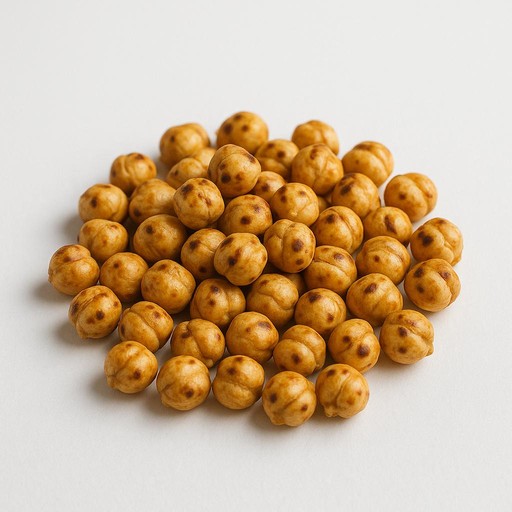
이집트 볶은 병아리콩 공급업체 및 가격 — 마켓 오버뷰 2026
원재료
신선 병아리콩
최종 업데이트
2026-10-29
서치 및 소싱 팀을 위한 핵심 요약
- 이집트에 대한 샘플 수출 거래 1건이 요약되어 있습니다.
- 페이지 데이터 최종 업데이트일: 2026-10-29.
이집트 내 볶은 병아리콩 수출 공급업체 인텔리전스, 가격 추이 및 무역 흐름
이집트의 볶은 병아리콩에 대해 수출 파트너 기업 3개가 추적됩니다. Supply Chain Intelligence 회사 프로필 및 분석으로 수출업체 커버리지, 파트너 품질, 경로 우선순위를 검증하세요.
이집트에서의 볶은 병아리콩 수출 인텔리전스를 확인하세요. 샘플 공급업체 거래 1건, 월간 단가 범위, HS 코드 -의 파트너 국가 무역 흐름 패턴을 포함합니다.
스캐터 포인트는 전체 거래 데이터셋의 100.0%에서 샘플링되었습니다. 점 하나하나가 실제 거래입니다 — 클릭해서 상세 정보를 보고, 적정한 거래였는지 AI Chat에 물어보세요.
볶은 병아리콩의 이집트 샘플 수출 공급업체 거래 기록
이집트의 볶은 병아리콩 샘플 거래 1건에는 수출 가격과 공급업체 거래 패턴 벤치마킹을 위한 날짜, 원산지, 파트너 국가 맥락이 포함됩니다.
이집트의 볶은 병아리콩 샘플 거래 단가(일자별): 2026-01-03: 2.32 USD / kg.
| 일자 | 신고 품목 | 단가 | 수출업체 | 수입업체 | |
|---|---|---|---|---|---|
| 2026-01-03 | OLE***** ***** ******* ******* ********* | 2.32 USD / kg | (이집트) | (미국) |
이집트의 볶은 병아리콩 선적 내역과 가격 보기
무료 계정으로 Tridge Eye에서 전체 시장을 열어 보세요
가입 후 기업 인증을 하세요 — 신규 인증 회사는 Tridge Eye Business를 무료로 체험할 수 있습니다.
이집트 내 상위 볶은 병아리콩 수출 공급업체 및 기업
선도 수출업체 프로필을 검토하고 이집트의 볶은 병아리콩에 대해 추적되는 전체 수출 파트너 기업 3개와 비교하세요. Supply Chain Intelligence 회사 프로필 및 분석으로 소싱 및 수출 파트너를 더 빠르게 선별할 수 있습니다.
(이집트)
최근 수출 거래: 2026-09-29
산업군: 작물 생산, 식품 제조, 식음료 서비스업
밸류체인 역할: 유통 / 도매, 농업 / 생산 / 가공 / 포장, 식품 제조
(이집트)
최근 수출 거래: 2026-09-29
산업군: 음료 제조, 식품 제조, 식음료 서비스업
밸류체인 역할: 식품 제조, 무역
(이집트)
최근 수출 거래: 2026-09-29
산업군: 식품 도매
밸류체인 역할: 유통 / 도매, 무역
트릿지 아이에서 전체 그림 보기: 가격·거래 전체 이력 · 725,009+ 기업 프로필
이집트 수출 파트너 커버리지
3개 기업
총 수출 파트너 기업 수는 이집트의 볶은 병아리콩 수출 네트워크 깊이를 보여주는 핵심 신호입니다.
수출업체와 수입업체는 공급망 인텔리전스 기업 프로필 및 분석을 열어 이집트 내 볶은 병아리콩 파트너 집중도, 공급 역량 시그널, 무역 관련성을 평가할 수 있습니다.
Tridge Ark · 수입 가능성 진단
이집트산 볶은 병아리콩, 우리도 들여올 수 있을까요?
필요한 스펙과 물량만 알려주세요. 실제로 소싱이 되는지, 어떤 원산지와 공급사가 맞는지 짚어드려요.
무료 가능성 진단은 가입 없이 받을 수 있습니다.
Tridge Ark · 수출 가능성 진단
우리 볶은 병아리콩, 이 이집트 바이어들에게 팔 수 있을까요?
만드시는 제품만 알려주시면 됩니다. 지금 수출할 준비가 됐는지, 어느 시장이 맞는지 봐드려요.
무료 가능성 진단은 가입 없이 받을 수 있습니다.
Classification
Product TypeProcessed Food
Product FormRoasted (shelf-stable snack)
Industry PositionProcessed Snack Food
Market
Roasted chickpea snacks in Egypt sit within the ambient, shelf-stable nuts/seed snack segment and appear both as standalone roasted pulses and as components of mixed nut assortments sold through modern retail and e-commerce. Egypt is a significant importer of dried chickpeas, which can make the availability and pricing of roasted chickpea snacks (and chickpea-containing mixes) sensitive to imported raw-material supply. Market access for imported packaged roasted chickpeas is shaped by NFSA food-importer licensing requirements and Arabic labeling/marking expectations for goods sold domestically. Sea-freight disruptions around Red Sea/Suez chokepoints can increase landed costs and extend lead times for imported chickpeas and finished snack products.
Market RoleImport-dependent consumer market with local roasting/packing potential
Domestic RoleConsumer snack item and ingredient in mixed nut/seed snack products sold in retail
Market GrowthNot Mentioned
SeasonalityShelf-stable roasted chickpea products are available year-round; supply variability is driven more by import logistics and raw chickpea availability than by domestic harvest seasonality.
Specification
Physical Attributes
- Crunchy texture with uniform roast color; low visible defects and low broken-seed content are typical buyer acceptance cues
Compositional Metrics
- Low moisture to preserve crispness; manage oil oxidation/rancidity risk for seasoned/oil-treated variants
Packaging
- Moisture/oxygen barrier packaging for ambient distribution (e.g., sealed pouches or tins/cans for snack mixes)
Supply Chain
Value Chain
- Imported or domestically sourced dried chickpeas → cleaning/grading → roasting (dry or oil-assisted) → seasoning/flavor coating (optional) → cooling → packaging → ambient distribution to retail/e-commerce
Temperature
- Ambient storage and transport; keep dry and protected from heat to reduce rancidity and texture loss
Shelf Life
- Shelf-life performance depends strongly on moisture/oxygen barrier properties of packaging and control of post-roast cooling/condensation
Freight IntensityMedium
Transport ModeSea
Risks
Regulatory Compliance HighMarket-entry failure risk if the Egyptian importer is not licensed under NFSA food-import licensing rules and/or if Arabic labeling/marking expectations for domestic sale are not met, leading to extended holds or non-release at port.Use an importer compliance checklist: verify NFSA importer licensing status in advance and complete Arabic labeling/marking pre-arrival; align label content to Egyptian requirements and retain supporting documentation.
Supply Concentration MediumRoasted chickpea snack availability and pricing can be exposed to disruptions in imported dried chickpea supply (key origins include major exporters such as the Russian Federation and India for Egypt’s dried chickpea imports).Diversify approved origins/suppliers for dried chickpeas; maintain buffer inventory for core SKUs; qualify alternative pack sizes/flavor variants to manage input price volatility.
Logistics MediumGeopolitical/security disruptions affecting Red Sea/Suez maritime chokepoints can force rerouting and increase ocean freight costs and lead times for chickpeas and packaged snack shipments moving by sea.Build schedule buffers, evaluate alternate routings/ports, and use shelf-stable inventory planning to absorb transit-time variability during disruption periods.
FAQ
What is the single biggest compliance blocker for importing packaged roasted chickpeas into Egypt?The highest-risk blocker is importer-side compliance: Egypt’s NFSA food-import licensing framework requires the importer to hold an NFSA food importer license, and Egypt also expects Arabic labeling/marking for finished goods sold domestically. Missing licensing or non-compliant labeling can lead to extended holds or non-release at port.
Does Egypt rely heavily on imported chickpeas that could feed roasted chickpea snack supply?Yes. Trade data (WITS/UN Comtrade) shows Egypt imports substantial volumes of dried chickpeas (HS 071320). For example, in 2024 Egypt’s imports are reported at about USD 48.3 million and about 39.4 million kg, with major origins including the Russian Federation and India.
How can Red Sea/Suez disruptions affect roasted chickpea supply into Egypt?UNCTAD has warned that disruptions around key maritime chokepoints such as the Suez Canal can extend routes and raise shipping costs. For a sea-moved, shelf-stable snack category like roasted chickpeas (and for imported chickpea inputs), this can increase landed cost and lead times during disruption periods.
Sources


Tridge Ark · 수출·수입 가능성 진단
이집트 볶은 병아리콩, 사는 쪽이세요 파는 쪽이세요?
어느 쪽이든 몇 가지만 답해주시면 됩니다. 어디서 살 수 있는지, 누구에게 팔 수 있는지 정리해서 보내드릴게요.
무료 가능성 진단은 가입 없이 받을 수 있습니다.
'쿠키 허용'을 클릭하면 통계 및 개인 선호도 산출을 위한 쿠키 제공에 동의하게 됩니다.
개인정보 보호정책에서 쿠키에 대한 자세한 내용을 확인할 수 있습니다.