Canadian wheat production prospects may be shadowed by dry weather conditions
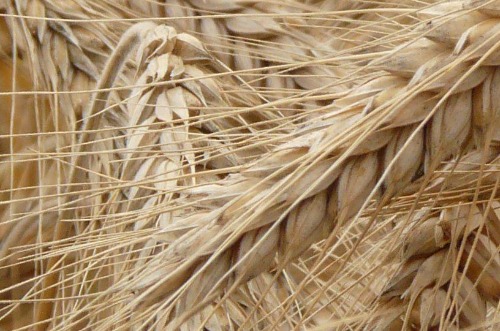
Canada is still facing the consequences of the last year's drought. Alberta and Saskatchewan, which account for 67% of Canada's wheat production, received less-than-average norm of precipitations in winter, worsening the soil state. Canadian drought monitor shows that 60% of the country's agricultural area was under moderate and abnormal drought as of March 31, 2022. In Alberta, 42.5% of the total agricultural area experienced drought conditions on the same date last year, while in Saskatchewan, the figure was 45.5%.
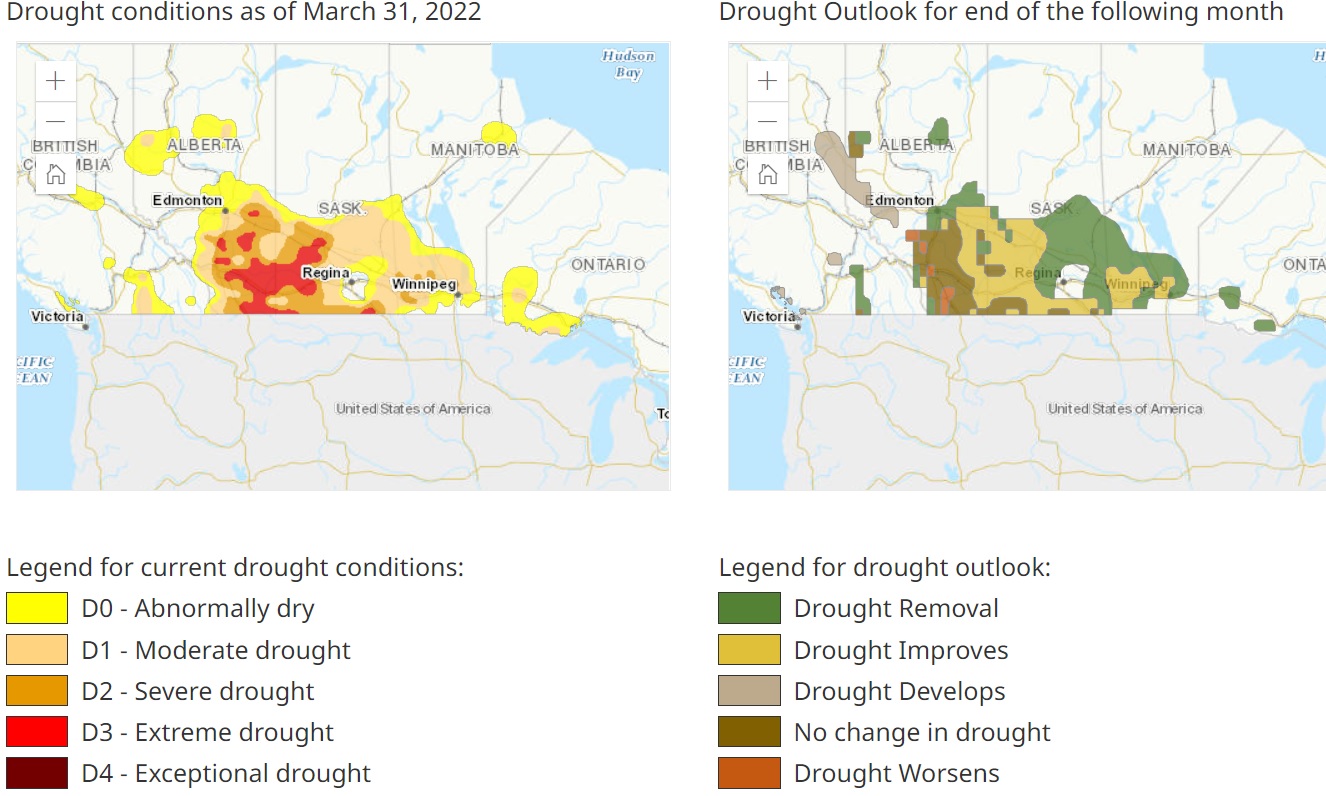
Source: Agriculture Canada
During the first three weeks of April 2022, Southern Prairies received a near-normal portion of precipitation thanks to recent snowstorms. Nevertheless, many areas in Alberta and Saskatchewan are still experiencing a lack of soil moisture. 90% of Alberta's agricultural crop regions face below-average moisture levels as of April 20, 2022. Such conditions could cause a delay in wheat planting and could slow down the germination process. The delay in wheat seeding may cause lower yields.
According to Agriculture Canada's April report, the country's wheat sowing acreage for 2022-23 is projected at 7.6 million hectares, up 4.5% from last year. Farmers intend to expand the crop area to respond to supply disruptions in Ukraine, tight domestic supplies amid last year's adverse weather conditions, and higher crop returns. The wheat output is estimated to reach 25.64 million mt in 2022-23, 35% more than last year.
However, the weather factor will play a crucial role in defining the final figures for the 2022-23 wheat crop. Should there be insufficient moisture before the planting campaign (May 1, 2022), farmers could opt to sow other more heat-resistant crops like canola.


