Global Corn in MY 2023/23: US Corn Quality Challenges and Brazilian Corn Positive Prospects
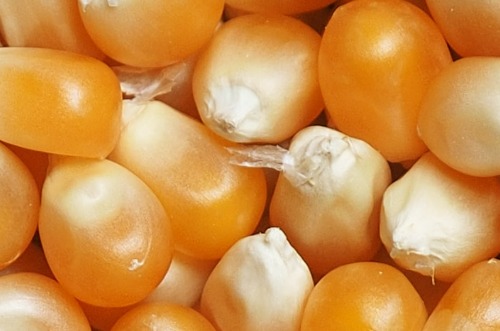
The global corn market is experiencing significant shifts in MY 2023/24. The United States (US), historically a major corn exporter, is grappling with quality concerns and issues that will affect the global market. According to the United States Department of Agriculture (USDA), there is an anticipated significant increase in corn planting in the US for the 2023/24 season, expected to reach 94.9 million acres, marking a 7.1% year-on-year (YoY) rise from the previous season's 88.6 million acres. However, despite this expansion, US corn quality has been on the decline. In the first week of Sep-23, only 53% of US corn was rated as being in good and excellent condition, down from 56% during the same period the previous year. This deterioration can be primarily attributed to a dry start to crop development in much of the US corn belt in Jun-23, which, despite some rains in Jul-23, has adversely affected the quality of corn.

Source: USDA
Even low-quality corn from the US may blow to international buyers, particularly China, which has projected corn imports of 23 million metric tons (mmt), 5 mmt higher than the previous year. With key corn-producing provinces witnessing excessive water, crop damage, and the effects of recurring typhoons, an increase in Chinese corn imports is expected, especially amid the fall of the Black Sea Grain Initiative. In addition, US corn exporters are hurting from a strong dollar that makes their produce more expensive to buyers abroad. This has led international buyers to seek cheaper corn from other alternative suppliers.
Following the previous analysis of China's reduction in US corn imports, Brazil emerges as a key player in filling the global corn supply. The positive prospect of the safrinha corn harvest has led to an upward adjustment in Brazil’s current corn crop. According to the National Supply Company (Conab), Brazilian corn production is expected to reach 131.9 mmt, increasing by 17% YoY from the previous season. Moreover, Brazil is set to export 55 mmt of corn in MY 2023/24, rising by 4% YoY. This indicates Brazil's pivotal role in the global corn trade, as its logistical improvements, including the consolidation of northern export routes, boost its competitiveness.
A noteworthy development is the ongoing shift in corn exports to Brazil's northern ports, utilizing the waterways of the Amazon River basin. These ports are expected to surpass the traditional port of Santos in terms of volume. According to Conab, in the first half of 2023, some 37% of Brazil's total corn exports flowed through northern ports such as Barcarena, Itaqui, Itacoatiara, and Santarem, while just about 24% flowed through Santos. By comparison, Santos exported almost three times more corn than those four northern ports in 2015 before heavy investments expanded port capacity in the Amazon region. This infrastructure development highlights Brazil's determination to overcome long-standing infrastructure challenges, allowing its abundant corn harvests to access global markets more efficiently.

Source: Conab
Brazil solidified its position as a significant global corn exporter thanks to improvements in corn productivity and infrastructure. At the same time, market players will closely monitor the US corn quality. The US must address the declining corn quality, and it is crucial to mitigate the impact of adverse weather conditions to maintain its role as the significant corn producer and exporter.