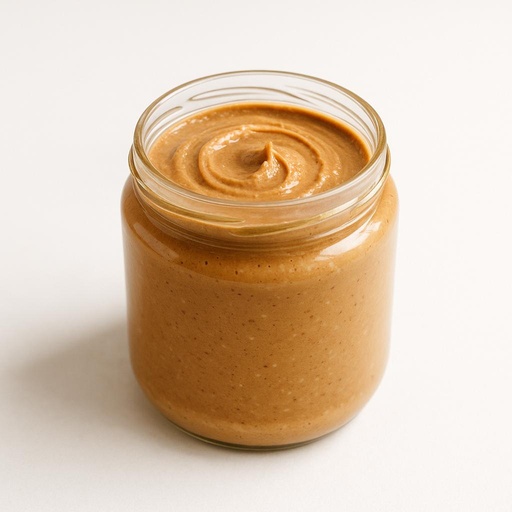
중국 땅콩 페이스트 공급업체 및 가격 — 마켓 오버뷰 2026
HS 코드
200811
최종 업데이트
2026-10-29
서치 및 소싱 팀을 위한 핵심 요약
- 중국에 대한 샘플 수출 거래 5건이 요약되어 있습니다.
- 중국의 땅콩 페이스트에 대해 수출 파트너 기업(제조사 포함) 1개와 수입 파트너 기업 34개가 매핑되어 있습니다.
- 이 페이지 데이터셋의 최신 기준 연도는 2024입니다.
- 페이지 데이터 최종 업데이트일: 2026-10-29.
중국의 땅콩 페이스트 수출 공급업체·제조사 인텔리전스, 가격 동향, 무역 흐름
중국의 땅콩 페이스트에 대해 수출 파트너 기업 1개가 추적됩니다. Supply Chain Intelligence 회사 프로필 및 분석으로 수출업체 커버리지, 파트너 품질, 경로 우선순위를 검증하세요.
중국에서의 땅콩 페이스트 수출 인텔리전스를 확인하세요. 샘플 공급업체 거래 5건, 월간 단가 범위, HS 코드 200811의 파트너 국가 무역 흐름 패턴을 포함합니다.
스캐터 포인트는 전체 거래 데이터셋의 93.0%에서 샘플링되었습니다. 점 하나하나가 실제 거래입니다 — 클릭해서 상세 정보를 보고, 적정한 거래였는지 AI Chat에 물어보세요.
중국의 땅콩 페이스트 샘플 수출 공급업체·제조사 거래 기록
중국의 땅콩 페이스트 샘플 거래 5건에는 수출 가격과 공급업체 거래 패턴 벤치마킹을 위한 날짜, 원산지, 파트너 국가 맥락이 포함됩니다.
중국의 땅콩 페이스트 샘플 거래 단가(일자별): 2026-10-13: 1.98 USD / kg, 2026-10-13: 2.61 USD / kg, 2026-10-12: 2.60 USD / kg, 2026-10-12: 1.98 USD / kg, 2026-10-12: 2.60 USD / kg.
| 일자 | 신고 품목 | 단가 | 수출업체 | 수입업체 | |
|---|---|---|---|---|---|
| 2026-10-13 | [땅콩 ** ******* ************* ****** ***** | 1.98 USD / kg | (중국) | (대한민국) | |
| 2026-10-13 | [땅콩 ** ******* ******** ***** ***** | 2.61 USD / kg | (중국) | (대한민국) | |
| 2026-10-12 | [땅콩 ** ******* *********** ***** | 2.60 USD / kg | (중국) | (대한민국) | |
| 2026-10-12 | [땅콩 ** ******* ************* ****** ***** | 1.98 USD / kg | (중국) | (대한민국) | |
| 2026-10-12 | [땅콩 ** ******* ***************** ****** ***** | 2.60 USD / kg | (중국) | (대한민국) |
중국의 땅콩 페이스트 선적 내역과 가격 보기
무료 계정으로 Tridge Eye에서 전체 시장을 열어 보세요
가입 후 기업 인증을 하세요 — 신규 인증 회사는 Tridge Eye Business를 무료로 체험할 수 있습니다.
중국의 상위 땅콩 페이스트 수출 공급업체, 제조사 및 기업
선도 수출업체 프로필을 검토하고 중국의 땅콩 페이스트에 대해 추적되는 전체 수출 파트너 기업 1개와 비교하세요. Supply Chain Intelligence 회사 프로필 및 분석으로 소싱 및 수출 파트너를 더 빠르게 선별할 수 있습니다.
(중국)
최근 수출 거래: 2026-09-29
산업군: 기타
밸류체인 역할: 무역
트릿지 아이에서 전체 그림 보기: 가격·거래 전체 이력 · 725,009+ 기업 프로필
중국 수출 파트너 커버리지
1개 기업
총 수출 파트너 기업 수는 중국의 땅콩 페이스트 수출 네트워크 깊이를 보여주는 핵심 신호입니다.
수출업체와 수입업체는 공급망 인텔리전스 기업 프로필 및 분석을 열어 중국 내 땅콩 페이스트 파트너 집중도, 공급 역량 시그널, 무역 관련성을 평가할 수 있습니다.
중국 내 땅콩 페이스트의 연간 수출 금액, 물량 및 공급업체 시장 규모 (HS 코드 200811)
중국의 땅콩 페이스트 수출 물량/금액 2년치를 분석해 공급 측 시장 성장, 계절성, 무역 변동성을 평가하세요.
| 연도 | 물량 | 금액 |
|---|---|---|
| 2023 | 311,609,359 | 657,297,075 USD |
| 2022 | 284,776,135 | 597,532,466 USD |
Tridge Ark · 수입 가능성 진단
중국산 땅콩 페이스트, 우리도 들여올 수 있을까요?
필요한 스펙과 물량만 알려주세요. 실제로 소싱이 되는지, 어떤 원산지와 공급사가 맞는지 짚어드려요.
무료 가능성 진단은 가입 없이 받을 수 있습니다.
중국의 땅콩 페이스트 수입 바이어 인텔리전스 및 가격 시그널: 바이어, 수요, 거래 파트너
중국의 땅콩 페이스트에 대해 수입 파트너 기업 34개가 추적됩니다. 수출업체와 수입업체는 Supply Chain Intelligence 회사 프로필 및 분석을 활용해 바이어 수요, 파트너 밀도, 다운스트림 채널을 분석할 수 있습니다.
스캐터 포인트는 전체 거래 데이터셋의 100.0%에서 샘플링되었습니다. 점 하나하나가 실제 거래입니다 — 클릭해서 상세 정보를 보고, 적정한 거래였는지 AI Chat에 물어보세요.
땅콩 페이스트의 중국 샘플 수입 거래 및 가격 기록
중국의 땅콩 페이스트 샘플 수입 거래 3건은 가격 수준과 수요 측 거래 패턴 벤치마킹을 위한 날짜, 원산지, 무역 국가 맥락을 제공합니다.
중국의 땅콩 페이스트 샘플 수입 거래 단가(일자별): 2026-01-17: 3.30 USD / kg, 2026-01-07: 3.29 USD / kg, 2026-01-07: 3.29 USD / kg.
| 일자 | 신고 품목 | 단가 | 수출업체 | 수입업체 | 원산지 | |
|---|---|---|---|---|---|---|
| 2026-01-17 | EEZ** ***** *** * **** **** ** ** ******* * ********** ***** ** ******* *************** ****** ********** *** ******* * | 3.30 USD / kg | (-) | (-) | - | |
| 2026-01-07 | EEZ** ***** *** ********* ***** ** ******* ******* ******** ****** ***** * ******* ******* ******************** *** *** | 3.29 USD / kg | (-) | (-) | - | |
| 2026-01-07 | EEZ** ***** *** ********* ***** ** ******* ******* ******** ****** ***** * ******* ******* ******************** *** *** | 3.29 USD / kg | (-) | (-) | - |
중국의 땅콩 페이스트 선적 내역과 가격 보기
무료 계정으로 Tridge Eye에서 전체 시장을 열어 보세요
가입 후 기업 인증을 하세요 — 신규 인증 회사는 Tridge Eye Business를 무료로 체험할 수 있습니다.
중국 내 상위 땅콩 페이스트 바이어, 수입업체 및 수요 파트너
선도 바이어 프로필을 검토하고 중국의 땅콩 페이스트에 대해 추적되는 전체 수입 파트너 기업 34개와 비교하세요. 수출업체와 수입업체는 Supply Chain Intelligence 회사 프로필 및 분석으로 수요 측 파트너 적합도를 평가할 수 있습니다.
(중국)
최근 수입 거래: 2026-09-29
임직원 규모: 직원 101 - 500명
매출액: 매출 USD 10M - 50M
산업군: 식품 제조
밸류체인 역할: 식품 제조
(중국)
최근 수입 거래: 2026-09-29
임직원 규모: 직원 11 - 50명
산업군: 음료 제조, 식품 제조, 기타
밸류체인 역할: 식품 제조, 무역
(중국)
최근 수입 거래: 2026-09-29
임직원 규모: 직원 501 - 1000명
산업군: 식품 제조, 식품 포장
밸류체인 역할: 유통 / 도매, 식품 제조
(중국)
최근 수입 거래: 2026-09-29
임직원 규모: 직원 101 - 500명
매출액: 매출 USD 10M - 50M
산업군: 기타
밸류체인 역할: 유통 / 도매, 농업 / 생산 / 가공 / 포장, 식품 제조
(중국)
최근 수입 거래: 2026-09-29
산업군: 식품 제조
밸류체인 역할: 농업 / 생산 / 가공 / 포장, 식품 제조, 무역
(중국)
최근 수입 거래: 2026-09-29
산업군: 기타
밸류체인 역할: 무역
트릿지 아이에서 전체 그림 보기: 가격·거래 전체 이력 · 725,009+ 기업 프로필
중국 수입 파트너 커버리지
34개 기업
수입 파트너 기업 수는 중국의 땅콩 페이스트 수요 측 가시성을 보여줍니다.
공급망 인텔리전스 분석과 기업 프로필을 활용해 중국에서 활동 중인 땅콩 페이스트 수입업체, 유통업체, 바이어 네트워크를 식별하세요.
중국 내 땅콩 페이스트의 연간 수입 금액, 물량 및 수요 규모 (HS 코드 200811)
중국의 땅콩 페이스트 수입 물량/금액 2년치를 추적해 수요 성장과 시장 모멘텀을 평가하세요.
| 연도 | 물량 | 금액 |
|---|---|---|
| 2023 | 1,639,968 | 8,471,773 USD |
| 2022 | 1,877,382 | 8,483,122 USD |
Tridge Ark · 수출 가능성 진단
우리 땅콩 페이스트, 이 중국 바이어들에게 팔 수 있을까요?
만드시는 제품만 알려주시면 됩니다. 지금 수출할 준비가 됐는지, 어느 시장이 맞는지 봐드려요.
무료 가능성 진단은 가입 없이 받을 수 있습니다.
Classification
Product TypeIngredient
Product FormPaste
Industry PositionFood Ingredient
Market
Peanut paste in China is supported by a large domestic peanut production and processing base, supplying both industrial food manufacturing (confectionery, bakery, sauces) and consumer channels. For imports, market access is shaped by GACC import inspection and China’s national food safety standards covering labeling and contaminant/mycotoxin controls (notably aflatoxins).
Market RoleMajor producer and processor; large domestic consumption market
Domestic RoleBroadly used food ingredient for confectionery, bakery, sauces/condiments, and spread products
Market Growth
Specification
Physical Attributes
- Uniform paste texture (smooth or coarse, by buyer spec)
- Roasted peanut aroma without off-odors (rancidity control)
- Controlled oil separation behavior (formulation/processing dependent)
Compositional Metrics
- Aflatoxin compliance for peanut-derived products under China national food safety limits (GB mycotoxin standard)
- Moisture and oxidation indicators (e.g., peroxide value) used in shelf-life and quality control
- Microbiological controls appropriate to low-moisture foods (Salmonella prevention and environmental monitoring)
Packaging
- Bulk pails or drums for industrial users
- Retail jars or plastic tubs for consumer channels
- Inner liner and tamper-evident sealing commonly used to limit oxidation and leakage
Supply Chain
Value Chain
- Peanut sourcing and incoming inspection → cleaning/sorting → roasting → blanching/skin removal → grinding/refining → formulation (optional salt/sugar/stabilizers) → heat treatment (as applicable) → packaging → finished goods distribution
Temperature
- Cool, dry storage to slow oxidation and rancidity
- Avoid heat exposure during storage and inland transport to reduce oil separation and quality degradation
Atmosphere Control
- Oxygen exposure management (tight sealing; nitrogen flushing sometimes used for retail packs) to slow oxidative rancidity
Shelf Life
- Shelf-life is driven primarily by oxidative rancidity and process hygiene; temperature excursions and high oxygen exposure accelerate quality loss
Freight IntensityMedium
Transport ModeSea
Risks
Food Safety Mycotoxins HighAflatoxin non-compliance is a deal-breaker risk for peanut-derived products: failing China’s mycotoxin limits can lead to border rejection, delays, or destruction and can also trigger downstream buyer suspension.Implement origin- and lot-based aflatoxin control plans (supplier approval, pre-shipment testing with accredited labs, and strict storage/drying controls); align COA parameters to China GB mycotoxin limits and buyer specs before shipment.
Food Safety Microbiological MediumLow-moisture foods such as nut pastes can carry Salmonella risk; contamination events can trigger recalls, intensified inspections, and buyer delisting.Use validated lethality steps where applicable, robust environmental monitoring (zones), hygienic design, and strict segregation of raw/roasted handling areas.
Regulatory Labeling MediumChinese label non-compliance (mandatory items, ingredient/additive declarations, allergen-related statements) can delay clearance and require relabeling or re-export.Run a pre-shipment label and document conformity check against applicable GB labeling rules and importer checklists; keep bilingual artwork control and change management.
Logistics MediumFreight-rate and port-disruption volatility can raise landed costs and extend transit time, increasing working-capital and quality risks (heat exposure, leakage) for paste shipments.Use temperature-protective loading plans when seasons are hot, select robust inner liners/seals, and contract buffer lead times and alternative ports/routes with the importer.
Sustainability
- Agronomic input management (pesticide/fertilizer) in upstream peanut cultivation can drive residue and sustainability screening expectations in audited supply chains
- Post-harvest drying and storage practices influence loss rates and quality (including mold pressure linked to mycotoxin risk)
Standards
- FSSC 22000
- ISO 22000
- BRCGS Food Safety
FAQ
What is the biggest trade-blocking food safety risk for peanut paste in China?Aflatoxin non-compliance is the most critical risk. China sets maximum limits for mycotoxins in foods, and peanut-derived products are closely scrutinized because aflatoxins can lead to border rejection and buyer suspension.
Which authority is responsible for import inspection and clearance of peanut paste into China?China’s customs authority (GACC) conducts import inspection and clearance processes for imported foods, including requirements related to overseas producer registration where applicable.
What labeling reference is commonly used for prepackaged peanut paste sold in China?Prepackaged food labels are generally aligned to China’s GB labeling standard for prepackaged foods, and importers typically check that Chinese label elements meet these rules before retail sale.
Sources
General Administration of Customs of the People's Republic of China (GACC) — Decree 248 — Regulations on the Registration and Administration of Overseas Producers of Imported Food
National Health Commission of the People's Republic of China (NHC) and State Administration for Market Regulation (SAMR) — GB 2761 — National Food Safety Standard: Maximum Levels of Mycotoxins in Foods
National Health Commission of the People's Republic of China (NHC) and State Administration for Market Regulation (SAMR) — GB 7718 — General Standard for the Labeling of Prepackaged Foods
Food and Agriculture Organization of the United Nations (FAO) — FAOSTAT — Crops and livestock products (groundnuts/peanuts) for China
Codex Alimentarius Commission (FAO/WHO) — Code of Hygienic Practice for Low-Moisture Foods (includes nut and seed pastes/butters hygiene considerations)
Ministry of Agriculture and Rural Affairs of the People's Republic of China (MARA) — China agricultural statistics publications covering peanut production and regional output context


Tridge Ark · 수출·수입 가능성 진단
중국 땅콩 페이스트, 사는 쪽이세요 파는 쪽이세요?
어느 쪽이든 몇 가지만 답해주시면 됩니다. 어디서 살 수 있는지, 누구에게 팔 수 있는지 정리해서 보내드릴게요.
무료 가능성 진단은 가입 없이 받을 수 있습니다.
'쿠키 허용'을 클릭하면 통계 및 개인 선호도 산출을 위한 쿠키 제공에 동의하게 됩니다.
개인정보 보호정책에서 쿠키에 대한 자세한 내용을 확인할 수 있습니다.