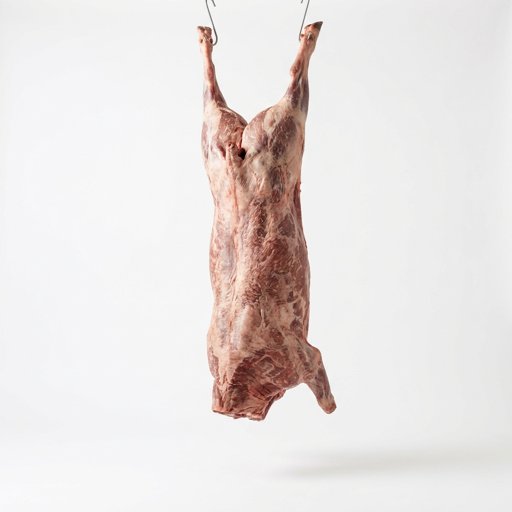
키프로스 소고기 원육 가격 및 무역 — 마켓 오버뷰 2026
최종 업데이트
2026-10-19
서치 및 소싱 팀을 위한 핵심 요약
- 이 페이지 데이터셋의 최신 기준 연도는 2024입니다.
- 페이지 데이터 최종 업데이트일: 2026-10-19.
Tridge Ark · 수입 가능성 진단
키프로스산 소고기 원육, 우리도 들여올 수 있을까요?
필요한 스펙과 물량만 알려주세요. 실제로 소싱이 되는지, 어떤 원산지와 공급사가 맞는지 짚어드려요.
무료 가능성 진단은 가입 없이 받을 수 있습니다.
키프로스의 소고기 원육 수입 바이어 인텔리전스 및 가격 시그널: 바이어, 수요, 거래 파트너
수출업체와 수입업체는 Supply Chain Intelligence 기업 프로필 및 분석으로 키프로스의 소고기 원육 구매 수요, 파트너 밀도, 다운스트림 채널을 분석할 수 있습니다.
스캐터 포인트는 전체 거래 데이터셋의 88.9%에서 샘플링되었습니다. 점 하나하나가 실제 거래입니다 — 클릭해서 상세 정보를 보고, 적정한 거래였는지 AI Chat에 물어보세요.
소고기 원육의 키프로스 샘플 수입 거래 및 가격 기록
키프로스의 소고기 원육 샘플 수입 거래 5건은 가격 수준과 수요 측 거래 패턴 벤치마킹을 위한 날짜, 원산지, 무역 국가 맥락을 제공합니다.
키프로스의 소고기 원육 샘플 수입 거래 단가(일자별): 2026-08-22: 8.74 USD / kg, 2026-08-04: 11.00 USD / kg, 2026-08-04: 13.00 USD / kg, 2026-08-03: 18.00 USD / kg, 2026-08-03: 9.00 USD / kg.
| 일자 | 신고 품목 | 단가 | 수출업체 | 수입업체 | 원산지 | |
|---|---|---|---|---|---|---|
| 2026-08-22 | Bac** **** ***** ******** ****** ** **** ***** *********** *********** ***** ** ** ** *** ***** ************ | 8.74 USD / kg | (-) | (-) | - | |
| 2026-08-04 | Bee* **** ***** ****** ******** **** * ********** ***** ****** * **** ****** * **** **** **** * **** ***** *** ***** ************ | 11.00 USD / kg | (-) | (-) | - | |
| 2026-08-04 | Bee* **** ***** ****** ***** ****** ** **** **** *** ** * ********** ***** ****** * **** ******* ****** ***** ** **** ***** *** ***** ************ | 13.00 USD / kg | (-) | (-) | - | |
| 2026-08-03 | Bee* **** **** ***** ****** ****** ***** ****** * ****** **** ***** *** *** *** ******* *** ***** **** ******** | 18.00 USD / kg | (-) | (-) | - | |
| 2026-08-03 | Bon***** **** ****** * *********** ***** ****** * **** ******* * *** ***** ************ | 9.00 USD / kg | (-) | (-) | - |
이 5건은 샘플입니다 — 트릿지에 가입하고 키프로스 소고기 원육 거래를 확인하세요
기록마다 수출사·수입사·단가가 보입니다. 적정한 거래였는지 AI Chat에 묻거나, 기록을 AI Curation으로 만드세요.
가입 후 기업 인증을 하세요 — 신규 인증 회사는 Tridge Eye Business를 무료로 체험할 수 있습니다.
키프로스 내 소고기 원육의 연간 수입 금액, 물량 및 수요 규모 (HS 코드 -)
키프로스의 소고기 원육 수입 물량/금액 3년치를 추적해 수요 성장과 시장 모멘텀을 평가하세요.
| 연도 | 물량 | 금액 |
|---|---|---|
| 2024 | 335,121 | 870,109 USD |
| 2023 | 413,512 | 824,385 USD |
| 2022 | 1,656,831 | 434,876 USD |
키프로스에 소고기 원육를 공급하는 주요 원산지 공급국 (HS 코드 -) 2024
2024년 기준, 키프로스로 소고기 원육를 공급하는 상위 원산 공급국 1개 전반의 수입 물량과 금액을 비교하세요.
| 순위 | 국가 | 물량 | 금액 |
|---|---|---|---|
| 1 | 네덜란드 | 335,121 | 870,109.416 USD |
Tridge Ark · 수출 가능성 진단
우리 소고기 원육, 이 키프로스 바이어들에게 팔 수 있을까요?
만드시는 제품만 알려주시면 됩니다. 지금 수출할 준비가 됐는지, 어느 시장이 맞는지 봐드려요.
무료 가능성 진단은 가입 없이 받을 수 있습니다.
Classification
Product TypeRaw Material
Product FormChilled/Frozen
Industry PositionPrimary Animal Product
Raw Material
Market
Raw beef in Cyprus is primarily a domestic-consumption product supplied through a combination of local slaughter and imports, reflecting the country’s small-market scale and island logistics. As an EU Member State, Cyprus applies EU-wide food safety, animal health, and official controls rules for raw beef placed on the market. Most commercial flows are intra-EU trade, while any third-country sourcing is subject to EU import conditions (approved countries/establishments, veterinary certification, and border controls). Demand is concentrated in retail (supermarkets and butchers) and foodservice, including hospitality-oriented channels.
Market RoleImport-dependent consumer market within the EU Single Market
Domestic RoleRetail and foodservice protein staple, with supply supplemented by imports
Specification
Physical Attributes
- Lean-to-fat ratio and trim specification (e.g., visible fat limits) are common acceptance points
- Color, odor, and surface condition on arrival are key checks for chilled beef
- Freezer burn and dehydration risk are monitored for frozen beef
Compositional Metrics
- Fat content targets may be specified by buyers for minced/ground beef programs when included in the supply scope
Grades
- EUROP cattle carcass classification is a common reference in EU markets for carcass conformation and fat cover
Packaging
- Vacuum-packed primal/subprimal cuts for chilled distribution
- Cartoned frozen cuts in lined cartons for reefer transport
- Retail-ready MAP (modified atmosphere) packs where used by downstream packers/retailers
Supply Chain
Value Chain
- Slaughter (approved establishment) → chilling → deboning/cutting → packing (vacuum/MAP/carton) → cold storage → dispatch → (if imported) port handling and transport → importer/wholesaler cold store → retail/butcher/foodservice distribution
Temperature
- Chilled beef requires continuous refrigeration throughout transport, storage, and retail handling
- Frozen beef requires continuous frozen-chain control through maritime reefer logistics and local distribution
Atmosphere Control
- Vacuum packing and/or MAP is used to manage oxidation and shelf-life behavior for chilled beef programs
Shelf Life
- Shelf-life outcomes are highly sensitive to cold-chain breaks during port handling, local distribution, and retail display
Freight IntensityMedium
Transport ModeSea
Risks
Animal Health HighAny notifiable cattle disease event affecting Cyprus or key supplying regions (e.g., foot-and-mouth disease or other transboundary outbreaks) can trigger immediate movement restrictions and/or sourcing bans under EU animal health rules, sharply disrupting raw beef supply and availability.Diversify suppliers across approved origins, require documented animal health status from suppliers, and monitor European Commission animal health updates for sourcing and routing decisions.
Regulatory Compliance MediumFor non-EU origin consignments, errors or inconsistencies in veterinary certification, TRACES NT/CHED-P entries, or establishment eligibility can cause border delays, additional checks, or rejection, increasing cold-chain risk and cost.Use a pre-shipment document checklist aligned to EU import conditions; validate establishment approval and TRACES NT data before departure.
Logistics MediumMaritime reefer schedule disruption, port congestion, or temperature excursions can degrade quality and shorten remaining shelf-life on arrival in an island market that depends on reliable cold-chain logistics.Contract verified cold-chain providers, set temperature-monitoring and alert requirements, and maintain contingency stock or alternative sailing options for critical SKUs.
Food Safety MediumPathogen control (e.g., Salmonella) and residue compliance are persistent risks for raw beef; non-conformities can lead to withdrawal, intensified inspection, or supplier delisting in EU-aligned retail programs.Require HACCP-based controls, supplier testing programs, and documented hygiene and cold-chain verification across slaughter, cutting, and transport.
Sustainability LowIncreasing buyer and policy pressure on ruminant meat sustainability (emissions reporting and animal welfare expectations) can tighten procurement criteria and reduce eligible supplier pools over time.Engage suppliers on animal welfare evidence and emissions reporting readiness; align procurement specifications to retailer/customer sustainability requirements.
Sustainability
- High climate footprint scrutiny for ruminant meat and rising buyer interest in emissions reporting
- Animal welfare expectations in EU-aligned supply chains (transport, lairage, slaughter practices)
- Antimicrobial use stewardship expectations and residue compliance controls
Labor & Social
- Worker health and safety risks in slaughtering and meat cutting operations (sharp tools, repetitive work, cold environments)
- Subcontractor and labor compliance due diligence where multi-tier service providers are used in logistics and processing
Standards
- HACCP
- ISO 22000
- BRCGS Food Safety
- IFS Food
FAQ
What is the typical market role of Cyprus for raw beef?Cyprus functions as an import-dependent consumer market for raw beef, supplied through a combination of local slaughter and imports, with distribution primarily through retail and foodservice channels.
Which documents are commonly needed when importing raw beef into Cyprus from non-EU countries?Commonly required document types include the commercial invoice, packing list, transport document (bill of lading/air waybill), the veterinary health certificate (where required under EU rules), and TRACES NT documentation such as a CHED-P for consignments subject to border control post checks; a certificate of origin is used when claiming preferential tariffs under an EU trade agreement.
What is the dominant transport mode for imported raw beef into Cyprus?Sea freight is typically the primary transport mode for imported raw beef into Cyprus, using reefer cold-chain logistics; disruptions to reefer schedules or temperature control are a key operational risk.
Sources


Tridge Ark · 수출·수입 가능성 진단
키프로스 소고기 원육, 사는 쪽이세요 파는 쪽이세요?
어느 쪽이든 몇 가지만 답해주시면 됩니다. 어디서 살 수 있는지, 누구에게 팔 수 있는지 정리해서 보내드릴게요.
무료 가능성 진단은 가입 없이 받을 수 있습니다.
'쿠키 허용'을 클릭하면 통계 및 개인 선호도 산출을 위한 쿠키 제공에 동의하게 됩니다.
개인정보 보호정책에서 쿠키에 대한 자세한 내용을 확인할 수 있습니다.