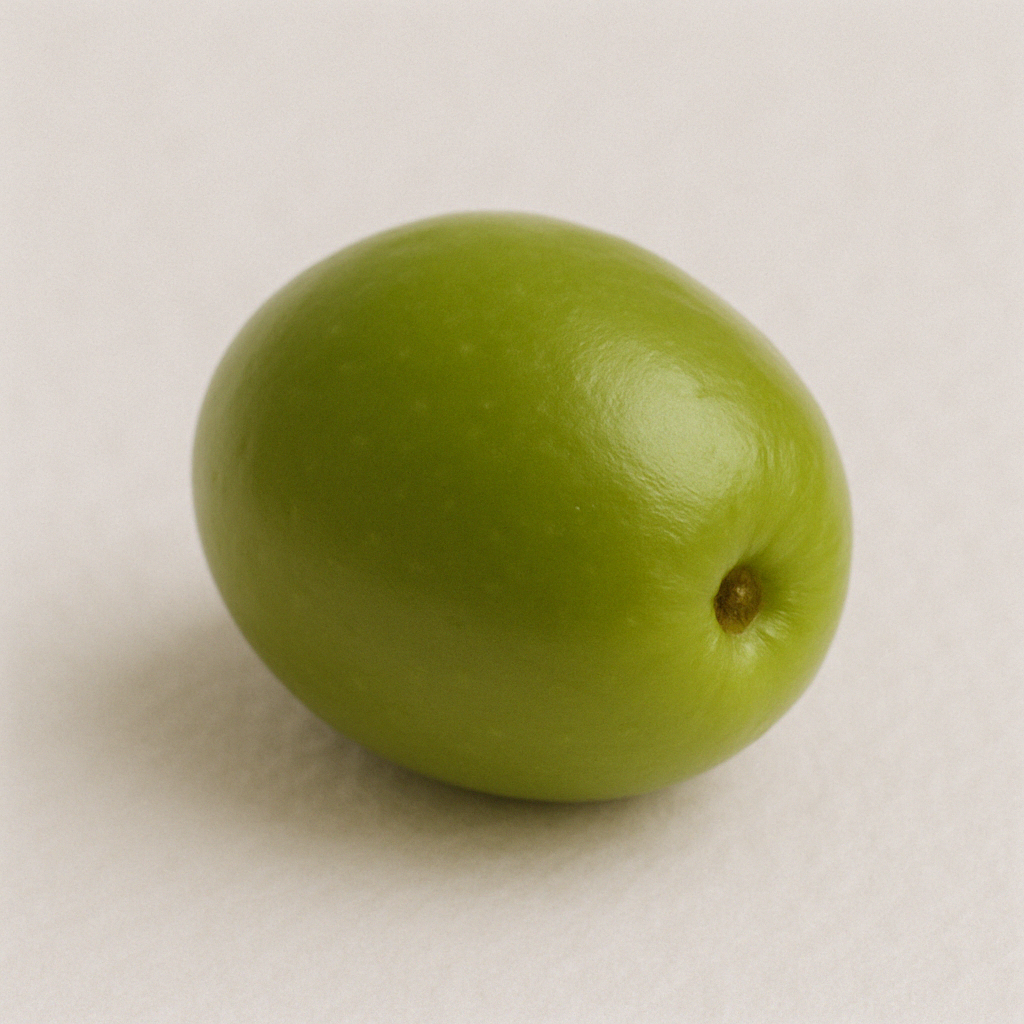
이집트산 신선 올리브
이 마켓의 첫 번째 우수 판매자가 되어보세요.
이 시장에 대하여
시장 정보
History
Olives have been cultivated in Egypt since antiquity, notably during the Graeco-Roman period in regions like Alexandria, Fayoum, and Thebaid. The industry remained traditional for centuries, but since the 1980s, Egypt has witnessed rapid expansion in both cultivated area and production volumes, especially under state land reclamation projects. More recently, Egypt has emerged as a top global exporter of table olives, with modern plantations in desert regions.
Production Regions
- Matrouh: Large-scale traditional and modern groves on Egypt’s northwestern coast.
- Noubaria: Major commercial cultivation hub contributing ~28% of total olive production.
- Ismailia: Significant producer in the Suez Canal Zone, contributing ~14%.
- Fayoum: Historic oasis cultivation area with 13% of national output.
- North Sinai: Emerging region with growing investments in desert olive farming.
Growing Conditions
Egypt’s climate is ideal for olives, with hot, dry summers and mild winters. Key conditions include:
- Temperature: Ranges from 15–35°C; optimal for flowering and oil accumulation.
- Soils: Sandy loam soils with good drainage are preferred.
- Water: Efficient drip irrigation is increasingly used in arid reclaimed lands.
- Sunlight: Long daylight hours promote healthy fruit development.
Harvesting Process
- Timing: Harvest runs from August to December, depending on the variety and intended use (table olives vs. oil).
- Method: Primarily manual harvesting using handpicking and small tools, especially for table olives.
- Handling: Post-harvest processing involves grading, brining, and packaging or immediate oil pressing to maintain freshness and quality.
Cultivation Methods
- Planting Density: Both traditional low-density and modern high-density systems are used.
- Pruning & Maintenance: Annual pruning to enhance yield and reduce disease risk.
- Fertilization: Use of organic matter and mineral nutrients based on soil conditions.
- Pest Control: Olive fruit fly and peacock spot are common issues addressed through integrated pest management.
Supply Chain
- Farmers: A mix of smallholders and large agribusinesses.
- Processors: Dozens of local processors focus on brining and curing table olives, while others produce extra virgin olive oil.
- Exporters: Major exporters target Europe, the Gulf, and North America, often through direct shipments or brokers.
Local Logistics
- Transportation: Truck-based movement from groves to processing units and ports.
- Storage: Controlled temperature storage facilities ensure quality preservation.
- Ports: Main export points include Alexandria, Port Said, and Damietta.
Regulations and Certifications
- Quality Standards: Egyptian producers follow Codex Alimentarius, EU standards, and ISO/HACCP certifications.
- Certifications: Common certifications include Organic, Global GAP, and Halal for exports to specific regions.
- Traceability: Increasing use of traceability systems via digital platforms and QR coding.
Quality Standards
- Table Olives: Graded by size, color, and defects; Egypt is known for large, firm, and flavorful varieties.
- Olive Oil: Graded by acidity and peroxide values; Egypt produces virgin, lampante, and extra virgin types.
- Packaging: Ranges from bulk drums for foodservice to glass jars and tins for retail markets.
Trade Terms
- Exports: In 2023, Egypt exported USD 24.7 million worth of olive oil, with top destinations including Spain, USA, and Brazil. Table olive exports are much larger in volume and value.
- Import Markets: Egypt imports some high-end olive oil (mainly EU) for blending or re-export.
- Key HS Codes: 150910 – Virgin olive oil, 150990 – Other olive oil, and 200570 – Table olives prepared or preserved
- Terms of Sale: Common Incoterms include FOB Alexandria and CIF European ports.
Environmental Impact
- Water Efficiency: Olive trees require relatively low water compared to other fruit crops, and Egypt promotes drip irrigation in desert plantations.
- Land Reclamation: Olive farming is part of Egypt’s desert greening programs, helping combat desertification.
- Biodiversity Risk: Monoculture expansion in reclaimed lands may reduce local biodiversity if not managed sustainably.
- Carbon Sequestration: Olive trees act as modest carbon sinks, and organic practices can enhance soil health.
Social Impact
- Rural Employment: Provides thousands of seasonal jobs in harvesting and processing, especially for women.
- Smallholder Livelihoods: Olive farming is a key source of income in arid and marginal areas with limited crop options.
- Women’s Role: Women are actively involved in brining and packaging operations, especially in domestic and small-scale processing.
- Community Development: Olive cooperatives and rural initiatives often support infrastructure, training, and micro-financing.
Uses
- Culinary – Table Olives: Consumed whole (green or black), stuffed, sliced, or pickled in various cuisines.
- Culinary – Olive Oil: Used for frying, dressing, marinades, and as a healthy fat substitute.
- Cosmetic Uses: Olive oil is used in soaps, creams, and hair care due to its moisturizing and antioxidant properties.
- Medicinal and Nutraceutical: Extra virgin olive oil is associated with cardiovascular health and is a core part of the Mediterranean diet.
Harvesting seasonality
Varieties
Table Olive – Picual
Originating from Spain but widely planted in Egypt; known for high oil content and used both for oil and table purposes.
Table Olive – Aggizi (Ajlouni)
Local Egyptian cultivar; medium-sized, green to black, ideal for pickling and brining.
Table Olive – Toffahi
Sweet-tasting variety popular in the domestic market; known for early ripening.
이집트의 신선 올리브 생산량
생산량 개요
이집트 신선 올리브의 생산량 추세 차트
이집트 신선 올리브 수출
수출 개요
수출 동향
검증된 판매자
/132x132/company-logo/e3/26/a7/e326a71e41d84f6ef2c1a547305fed658297e27f/LOGO_1_TRANSPARENT.png)