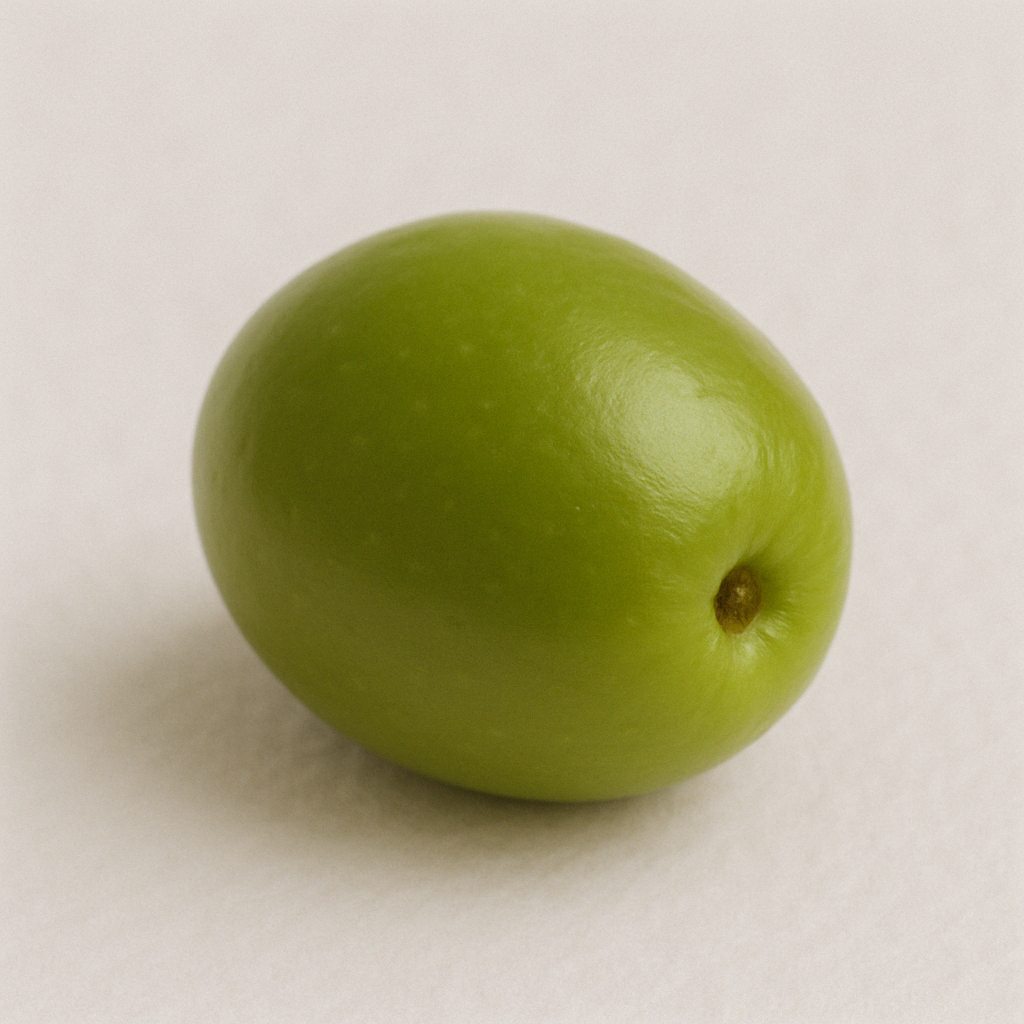
Fresh Olive from Italy
Be the first supplier featured in this market.
About this market
About
History
Olives have been cultivated in Italy for over two millennia. Historically used both for oil and direct consumption, specific cultivars were developed for table use due to their size, flesh-to-pit ratio, and taste. Roman-era records mention olive pickling, and regional traditions (e.g., brining in Sicily or salt-curing in Liguria) persist to this day.
Production Regions
- Sicily: Leading producer of table olives like Nocellara del Belice; widely consumed in Italy and exported.
- Puglia: Offers a mix of dual-purpose olives, including Bella di Cerignola, one of the largest olive types globally.
- Calabria: Known for Tondina and Cassanese varieties, used in both green and black forms.
- Liguria: Specializes in small black olives like Taggiasca, commonly dry- or oil-cured.
- Abruzzo & Lazio: Smaller-scale producers with PDO-protected cultivars such as Intosso and Itrana.
Growing Conditions
- Climate: Mediterranean climate with dry summers and mild, rainy winters is ideal for olive growth.
- Soil: Well-drained, calcareous soils support optimal fruit development.
- Elevation: Table olives are often grown at lower altitudes for larger fruit size and easy access.
- Irrigation: Used more often for table olive varieties to ensure fruit quality and prevent shriveling.
Harvesting Process
- Timing: Generally harvested from September to November, depending on variety and intended use (green or black).
- Method: Manual or semi-mechanical harvesting is preferred to prevent bruising of delicate fruit.
- Post-Harvest: Olives are sorted and processed within 1–2 days to preserve flavor and texture.
Cultivation Methods
- Integrated Farming: Combines traditional and modern practices to improve yield while minimizing chemical inputs.
- Organic Practices: Common in Sicily and Liguria for artisanal and health-conscious markets.
- Low-Density Orchards: Older groves with wide spacing are typical, especially for heritage varieties.
- Cover Cropping & Pruning: Improve soil health and air circulation, supporting fruit quality.
Supply Chain
- Producers: Primarily family-owned farms and cooperatives.
- Processors: Specialized facilities carry out curing (brining, dry salting, oil packing) based on traditional recipes.
- Distributors: Exporters work with high-end retailers and foodservice clients, especially in the EU, US, and Japan.
- Packaging: Vacuum-sealed, glass jars, and MAP (Modified Atmosphere Packaging) used for fresh and semi-preserved products.
Local Logistics
- Transport: Short-distance road transport to regional processing plants.
- Cold Chain: Used especially for fresh-packed olives and organic-certified lots.
- Ports for Export: Major export hubs include Genoa, Livorno, and Naples.
Regulations and Certifications
- PDO & PGI: Multiple Italian table olive varieties hold Protected Designation of Origin (PDO) or Protected Geographical Indication (PGI) status (e.g., Nocellara del Belice PDO).
- EU Standards: Compliance with food safety, traceability, and pesticide residue levels.
- Organic Certification: Strong demand, especially in northern Europe, drives conversion to organic farming.
Quality Standards
- Size & Color: Graded by caliber, uniformity, and ripeness (green, turning color, black).
- Texture & Skin Integrity: High-quality olives are firm, unbruised, and blemish-free.
- Taste Profile: Influenced by both variety and curing method (e.g., mild, tangy, bitter, nutty).
- Shelf Life: Depends on processing; salt- and oil-cured olives have longer shelf stability than fresh brined ones.
Trade Terms
- Exports: Italy exported over USD 92 million in table olives in 2023.
- Importers: Key markets include Germany, France, United States, and Japan.
- HS Code: 200570 – Olives prepared or preserved (excl. vinegar/acetic acid). Contract Terms: FOB for bulk orders; DDP for gourmet distributors.
Environmental Impact
- Biodiversity: Traditional olive groves serve as important biodiversity refuges.
- Carbon Sequestration: Olive trees store carbon and require less fertilizer than many crops.
- Water Use: Moderate compared to other fruits, though table olives need more than oil varieties.
- Agrochemical Input: Organic and IPM practices reduce environmental load in sensitive areas like Liguria and Sicily.
Social Impact
- Cultural Heritage: Olive preservation methods are tied to regional identities and culinary traditions.
- Family Farms: Most production comes from smallholders, sustaining rural livelihoods.
- Local Employment: Seasonal jobs in harvesting, sorting, and packing.
- Rural Tourism: Table olives and tasting experiences attract culinary tourists, especially in Tuscany and Sicily.
Uses
- Culinary – Table Olives: Served as appetizers, in salads, pasta dishes, and gourmet antipasti.
- Foodservice & Retail: Sold in fresh bars, jars, or vacuum packs across Europe and North America.
- Processed Foods: Used in breads, sauces, and frozen Mediterranean meals.
- Health Products: Rich in oleuropein and antioxidants, promoting gut and heart health.
Harvesting seasonality
Varieties
Bella di Cerignola
Vibrant bright green color; large, oval-shaped with a meaty texture and mild flavor; prized for its glossy appearance and firm bite.
Nocellara del Belice
Striking apple-green when fresh, turning to deep purplish-black when ripe; sweet, firm texture; PDO-certified and versatile in brine or light cure.
Taggiasca
Rich reddish-brown to dark violet hue; small Ligurian olives with a fruity, sweet profile; often dry-salted or packed in oil for gourmet dishes.
Gaeta
Dark brown to black, often with wrinkled skin; soft and sweet after dry-curing or brining; a staple in central Italian recipes.
Itrana
Shifts from bright green to deep pink and purple-black as it ripens; complex flavor profile; traditionally used in the famed Gaeta-style processing.
Production of Fresh Olive in Italy
Production overview
Production trend chart of Italy Fresh Olive
Export of Fresh Olive from Italy
Export overview
Export trend
Export transactions from 2025
Major exporters of Italy Fresh Olive in 2025

Major importers of Italy Fresh Olive in 2025


