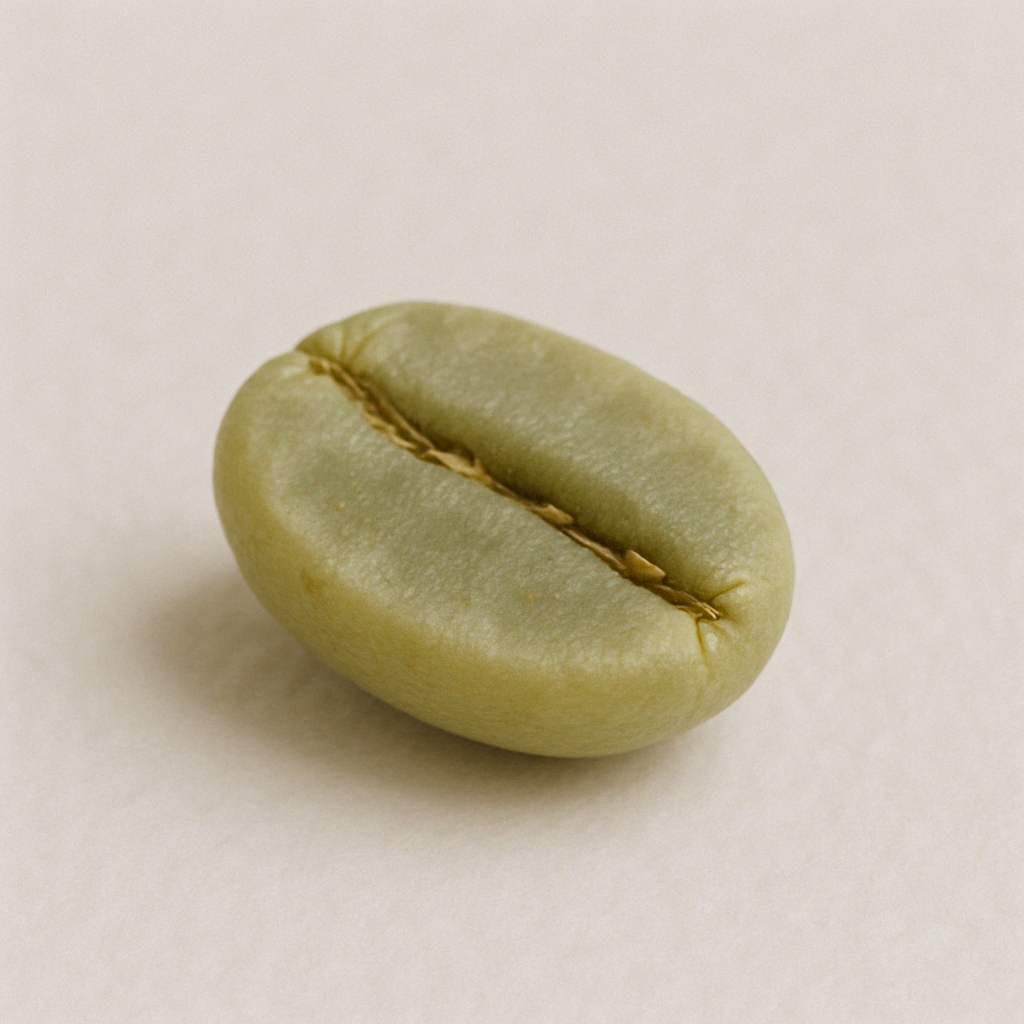
인도네시아산 생 커피 원두
이 마켓의 첫 번째 우수 판매자가 되어보세요.
이 시장에 대하여
시장 정보
History
Coffee was introduced by the Dutch in the late 1600s, with Java being one of the earliest global exporters. By the 18th century, Indonesia was a key supplier to Europe. After a devastating leaf rust outbreak in the 19th century, Robusta cultivation expanded, particularly on Sumatra and in South Sulawesi. Since the 1990s, Indonesia has become known for its single-origin Arabica coffees, driven by increasing demand for traceable, differentiated profiles.
Production Regions
- Sumatra (Aceh, Lintong, Mandheling): Earthy, herbal, chocolatey; processed using giling basah.
- Java: Historically significant; clean, mild Arabica and commercial Robusta.
- Sulawesi (Toraja, Kalosi): Sweet, full-bodied, with deep fruit notes and spice.
- Bali: Volcanic soil yields clean, mild, and floral coffees with balanced acidity.
- Flores & Papua: Gaining popularity for complex Arabica with exotic fruit notes.
Growing Conditions
- Altitude: 800–2,000 meters above sea level.
- Climate: Equatorial tropical; heavy rainfall (1,500–3,500 mm), consistent warmth.
- Soil: Volcanic and fertile, especially in Java, Bali, and Flores.
- Farming System: Smallholder-based; many operate on <2 hectares.
- Irrigation: Mostly rain-fed; some modern plantations have drip systems.
Harvesting Process
- Manual Handpicking: Most coffee in Indonesia is handpicked by smallholder farmers, ensuring selective harvest of only ripe, red cherries. However, due to labor limitations, some areas may practice strip picking during peak season, which can affect consistency in quality. Handpicking is often conducted over several passes to account for uneven ripening.
- Wet-Hulled (Giling Basah) – Traditional Indonesian Method: This unique semi-washed processing technique is widely used in Sumatra and Sulawesi. Cherries are depulped immediately after harvest, and beans are partially fermented overnight to remove mucilage. Beans are partially dried to around 30–40% moisture and then hulled while still wet. Final drying is completed afterward, often on tarpaulins or patios. This process produces coffee with a heavy body, low acidity, and earthy, spicy, or herbal notes.
- Fully Washed (Wet Processed): More common in Java, Bali, and Flores, especially among specialty and certified producers: Cherries are depulped and fully fermented in water tanks, followed by thorough washing and slow sun-drying. Produces cleaner, brighter flavor profiles with higher acidity and floral notes.
- Natural and Honey Processing (Emerging Methods): These methods are gaining popularity in areas such as Bali, Flores, and parts of Java. For natural, whole cherries are sun-dried intact on raised beds or patios, producing coffees with fruity, wine-like characteristics. For honey, cherries are partially depulped and dried with some mucilage intact, yielding a balanced sweetness and body.
Cultivation Methods
- Smallholder Dominance: About 95% of Indonesia’s coffee is produced by smallholder farmers, typically on farms smaller than 2 hectares. These family-run farms are often part of cooperative networks that manage post-harvest processing and market access.
- Agroforestry and Intercropping: Coffee is widely cultivated under agroforestry systems, where it is intercropped with shade trees, spices (like cinnamon and clove), fruit trees, and timber species. This system enhances biodiversity, soil health, and farmer income diversification.
- Organic Practices (Non-Certified and Certified): In regions like Flores, Bali, and Aceh, many farmers adopt organic or low-input methods due to cost constraints and traditional practices, although not all are certified. Certified organic coffee is increasing in demand, especially for export to Europe and North America.
- Traditional Shade-Grown Systems: In mountainous regions such as Toraja (Sulawesi), Gayo (Aceh), and Kintamani (Bali), coffee is grown beneath dense canopies of indigenous trees. These shade-grown systems preserve natural habitats, reduce water use, and contribute to slower bean development, enhancing flavor complexity.
Supply Chain
- Producers: ~2 million smallholder farmers.
- Middlemen/Collectors: Key players in aggregating and transporting parchment beans.
- Exporters & Processors: Some export directly or via cooperatives.
- Ports: Primary exports via Medan (Sumatra), Surabaya (Java), and Makassar (Sulawesi).
Local Logistics
- Transport: Coffee from remote areas must traverse poor rural roads.
- Drying Infrastructure: Sun-dried; wet-hulled beans often transported semi-wet.
- Storage: Beans stored in jute bags; lack of climate control can affect quality.
- Challenges: High humidity, fragmentation in supply chain, inconsistent quality.
Regulations and Certifications
- Ministry of Agriculture: Oversees quality control, phytosanitary certifications.
- Geographical Indications (GIs): Recognized for Gayo, Mandheling, Java Ijen, Toraja.
- Certifications: USDA/EU Organic, Fair Trade, Rainforest Alliance, and GI-protected origin labels
- Specialty Export Incentives: Provided through MoA and regional government support.
Quality Standards
- Grades: Based on defect count per 300g sample; Grade 1 is top-tier.
- Moisture Content: 11–13% for green beans.
- Flavor Profile: Bold body, low acidity, earthy, chocolate, spice, and tobacco tones—especially in Sumatran beans.
- Size & Shape: Robusta – round, Arabica – small to medium oval; wet-hulled beans often have a greenish-blue hue.
Trade Terms
- Exports (2023): ~405,000 MT of green coffee; ~70% Robusta, 30% Arabica.
- HS Code: 090111 – Coffee, not roasted, not decaffeinated.
- Top Destinations: USA, Italy, Japan, Germany, Malaysia, Russia.
- Terms: Typically FOB Surabaya or Medan; some direct container exports (CIF) for specialty buyers.
Environmental Impact
- Positive Impacts: Shade-grown systems support biodiversity. Volcanic soils and mixed cropping improve soil fertility.
- Challenges: Deforestation due to land expansion in Sumatra and Sulawesi. Pesticide use in some Robusta plantations. Vulnerable to climate variability and landslides.
Social Impact
- Rural Livelihoods: Millions depend on coffee for income; primary cash crop in Aceh, Toraja, and North Sumatra.
- Cultural Identity: Deeply rooted in community traditions, especially in Toraja ceremonies.
- Farmer Cooperatives: Expanding; enable traceability, better prices, and access to global markets.
- Gender Dynamics: Women involved in post-harvest activities and increasingly in farmer groups.
Uses
- Roasting: Single-origin specialty for third-wave markets.
- Espresso Blends: Mandheling and Java used for body and crema in blends.
- Instant Coffee: Robusta used for soluble coffee production.
- Domestic Use: Coffee consumption rising; kopi tubruk and kopi luwak are culturally popular.
수확 시기
품종
Gayo
Wet-hulled with notes of sweet spice, herbal tones, and syrupy body; GI-protected.
Mandheling
Bold, earthy, with low acidity and rich chocolate flavor; often sun-dried and semi-washed.
Toraja
Full-bodied with balanced acidity, fruity and spicy complexity; revered in specialty markets.
Java
Milder, clean cup with nutty and chocolate tones; legacy origin since the 17th century.
Robusta
Strong, bitter with high caffeine content; used in blends and instant coffee.
인도네시아의 생 커피 원두 생산량
생산량 개요
인도네시아 생 커피 원두의 생산량 추세 차트
인도네시아 생 커피 원두 수출
수출 개요
수출 동향
검증된 판매자


/132x132/company-logo/00/58/7f/00587ff988f33fc6418cb9f86d250a7310eb505c/Deluxe_Coffee_Logo_2000x2000px.png)
/132x132/company-logo/bd/3e/61/bd3e6174f2f97aaed3887ba8659ac60daef19265/Logo_Natahaki.png)
/132x132/company-logo/3e/9b/29/3e9b29c72d7b5db95aa42106bbdba33ee63dbe8e/Logo_CBA_Hijau.png)
/132x132/company-logo/77/05/39/7705394a32eb1b701d50241cdad8e050b072fd7b/RTK_new_no_bg.png)
/132x132/company-logo/c5/17/72/c517722c99944079f2140c2b5d357056ba6027ee/logo.png)
/132x132/company-logo/aa/95/c7/aa95c7333faacc167ac0fcd79bc69551eea539f4/Profile_-_gata.agro.png)
/132x132/company-logo/49/8a/4f/498a4f88883b116977a7fbe7c1d6336cc242816a/Logo_PWN.png)
/132x132/company-logo/b9/09/57/b909573285aef75d525bc9708faedb9e73652651/5.png)
/132x132/company-logo/ad/81/2d/ad812de73e6b5d32788974dc4fe0a3dc8d43aaf6/lgn1.png)


