/200x200/company-logo/13/24/d5/1324d5c914d8a86366a29f229f9a61b7b3129214/diplanya_logo.png)

상품
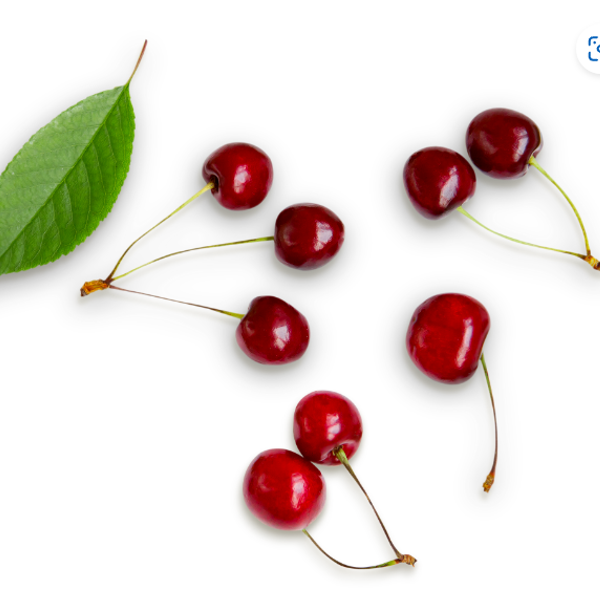
Cherries
Such a cherry tree full of red plump fruits – that's pure seduction. No wonder there are many legends about cherries. Like that of Buddha's mother Maya, who was virgin and pregnant at the same time, received the strength for the birth of a cherry tree. And indeed, cherries contain a lot of vitamins, prevent diseases and strengthen the immune system.
Whole
Fresh, Fresh
원산지
스페인
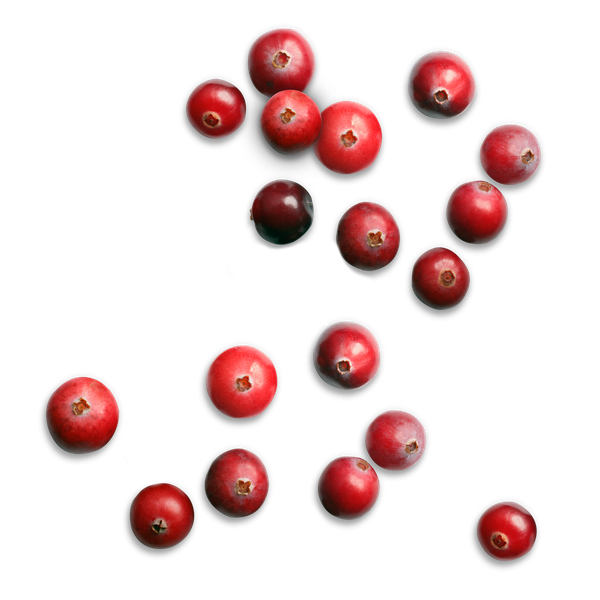
Fresh Cranberry
The English name of the cranberry is derived from the name crane berries, as the stamens of the flowers form a beak that reminded the first settlers of America of a crane's beak. It is considered the strongest berry in the world, which the Indians of North America already used to extract poison from arrow wounds. Sailors also liked to prevent scurvy with cranberries. Today, the anti-inflammatory effect of cranberries is scientifically proven, which is why it is often used for urinary tract and kidney infections.
Fresh
원산지
독일
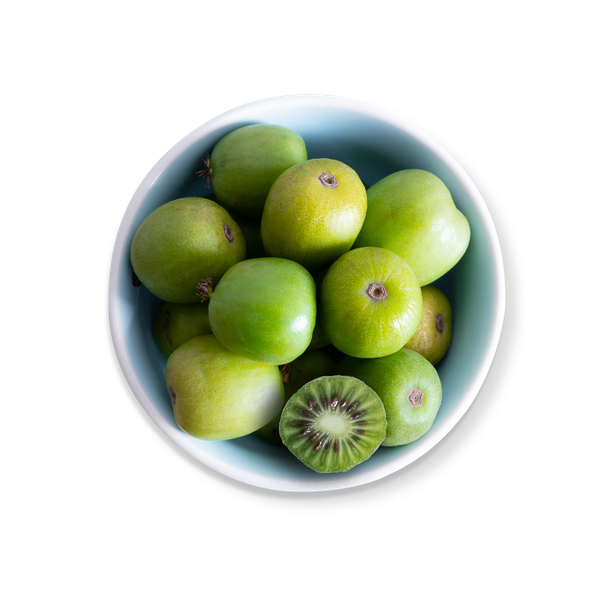
Kiwi Berry
Little sisters are usually a bit annoying. But this one is just cute. The kiwi berry, unlike its big sister, the kiwi, has a thin, hairless shell that you can eat. It is rich in minerals and even has a higher concentration of vitamin C than regular kiwifruits. Even if the little sister is still a bit less known: It has been particularly popular in China and Japan for 1300 years.
Fresh
원산지
독일
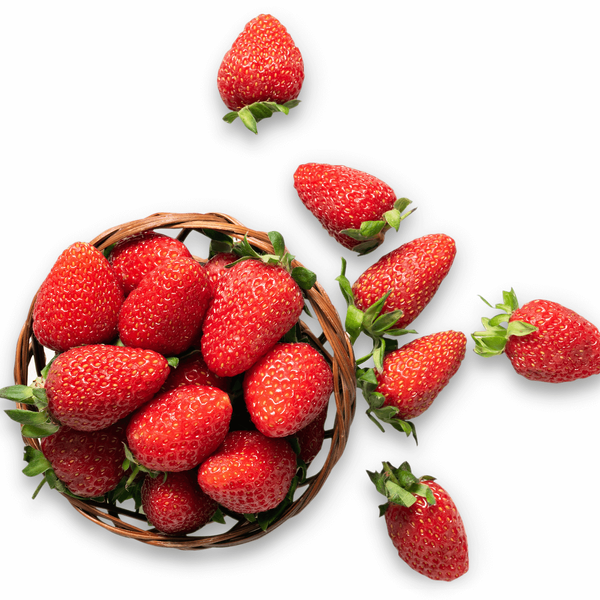
Fresh Strawberry
Its Serene Highness, the strawberry, originates from an old noble family of the rose family and attaches great importance to bowing to it briefly before eating it. With only 32 kilocalories per 100 grams, she pays meticulous attention to the slim line and boasts of containing more vitamin C per 100g than the common orange. The common rabble claims that from a botanical point of view it does not belong to the berries at all, but to the collective nut fruits. However, Her Majesty firmly rejects this.
Fresh
원산지
독일
추천 판매자
'쿠키 허용'을 클릭하면 통계 및 개인 선호도 산출을 위한 쿠키 제공에 동의하게 됩니다.
개인정보 보호정책에서 쿠키에 대한 자세한 내용을 확인할 수 있습니다.