/1600x1000/supply-main-image/29/51/41/29514182cf53b5467b77e70416939b320fb43884/blob.jpeg)
/104x104/company-logo/ec/83/20/ec8320561531b3b58b9ae97855c77b6a99888cfe/linklab_solutions_cover.jpg)

상품 상세 정보
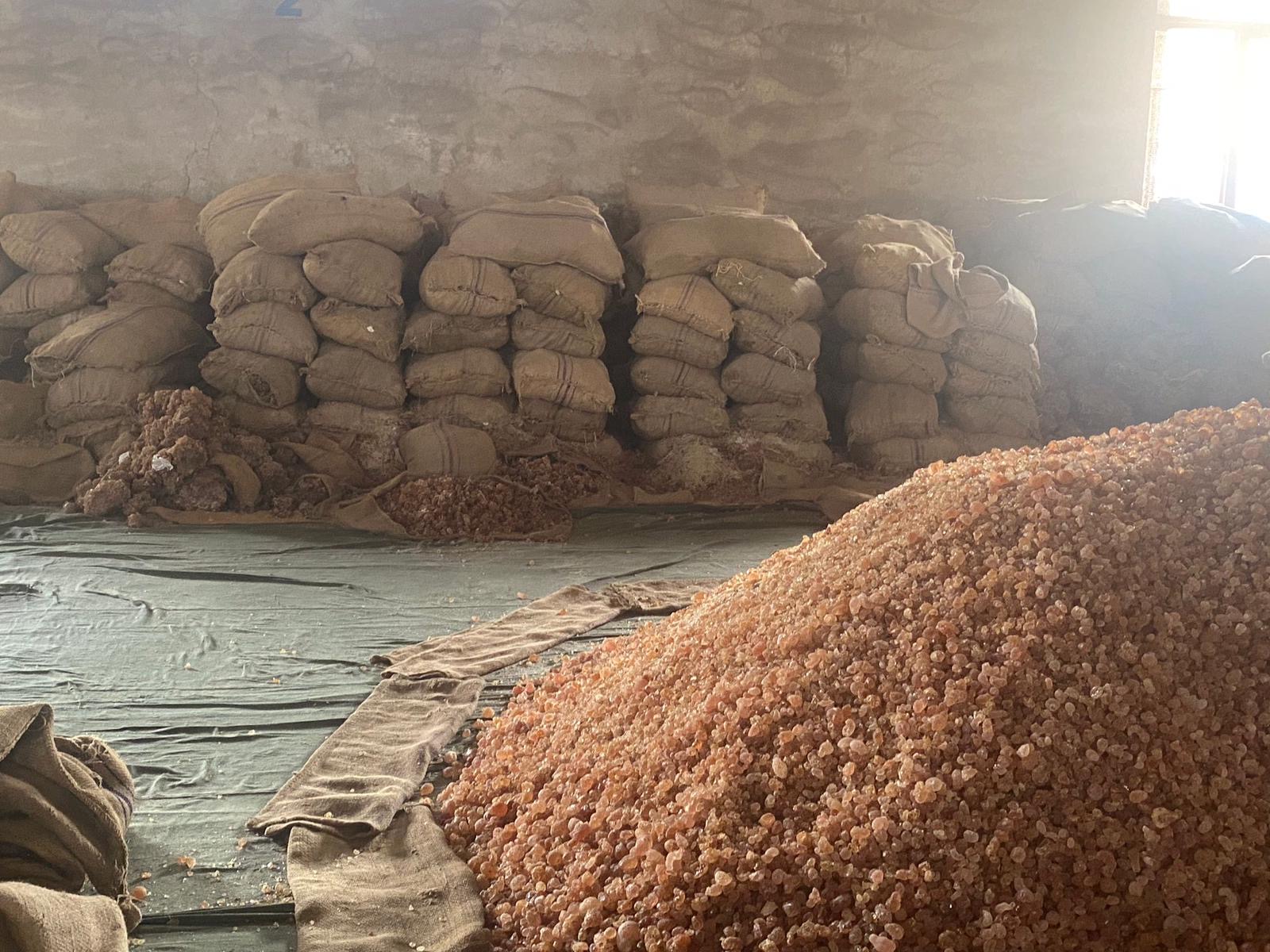
1. Origin: Sudan
2. Type: Arabic Gum (Acacia gum)
3. Grade: Grade 1 (Highest quality)
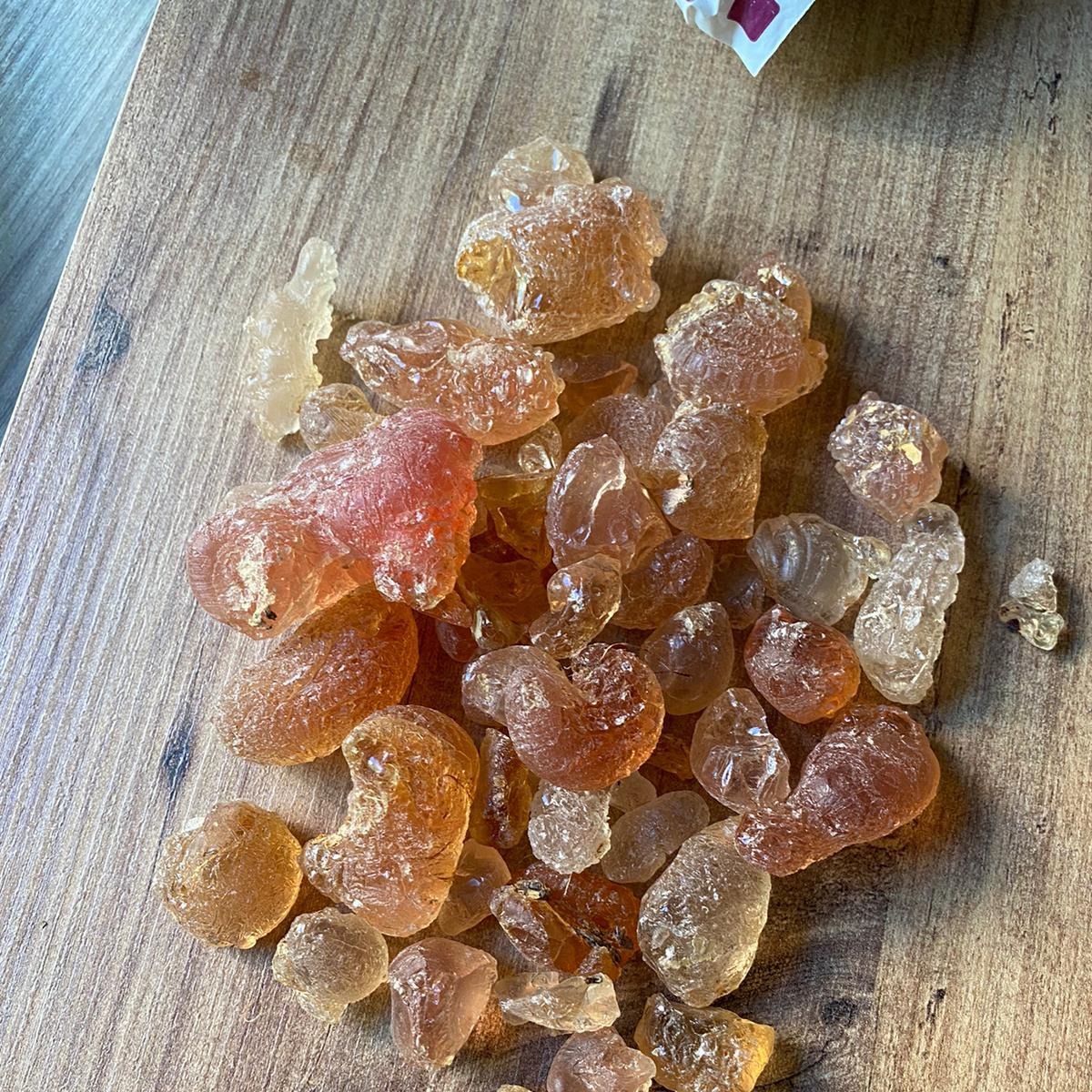
4. Color: Light yellow to amber
5. Form:
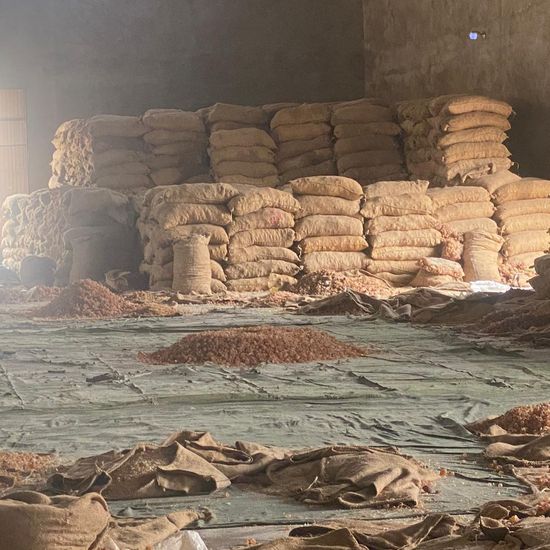
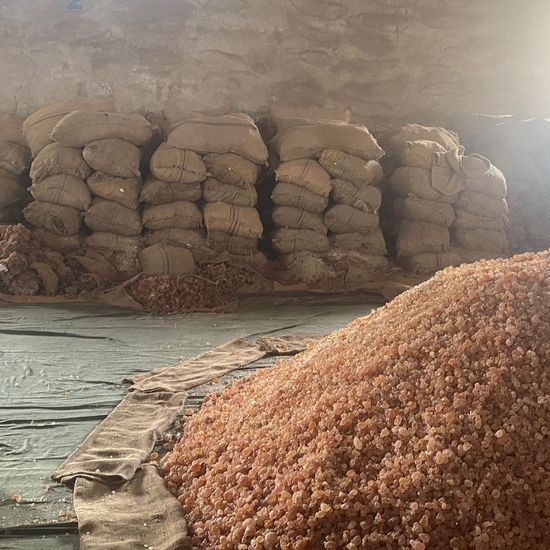
• Available in various forms including tears, powder, or granules
• Tears are irregularly shaped, translucent, and glassy
6. Purity: ≥ 99.5%
7. Moisture Content: ≤ 12%
8. Solubility:
• Soluble in water, forming a viscous solution
• Insoluble in organic solvents
9. Viscosity:
• Varies depending on the concentration of the solution
• Typically measured in centipoise (cP) or mPa·s
10. Particle Size:
• Powder: Typically 100% passing through a mesh size of 200
• Granules: Varies depending on customer requirements
11. Packaging:
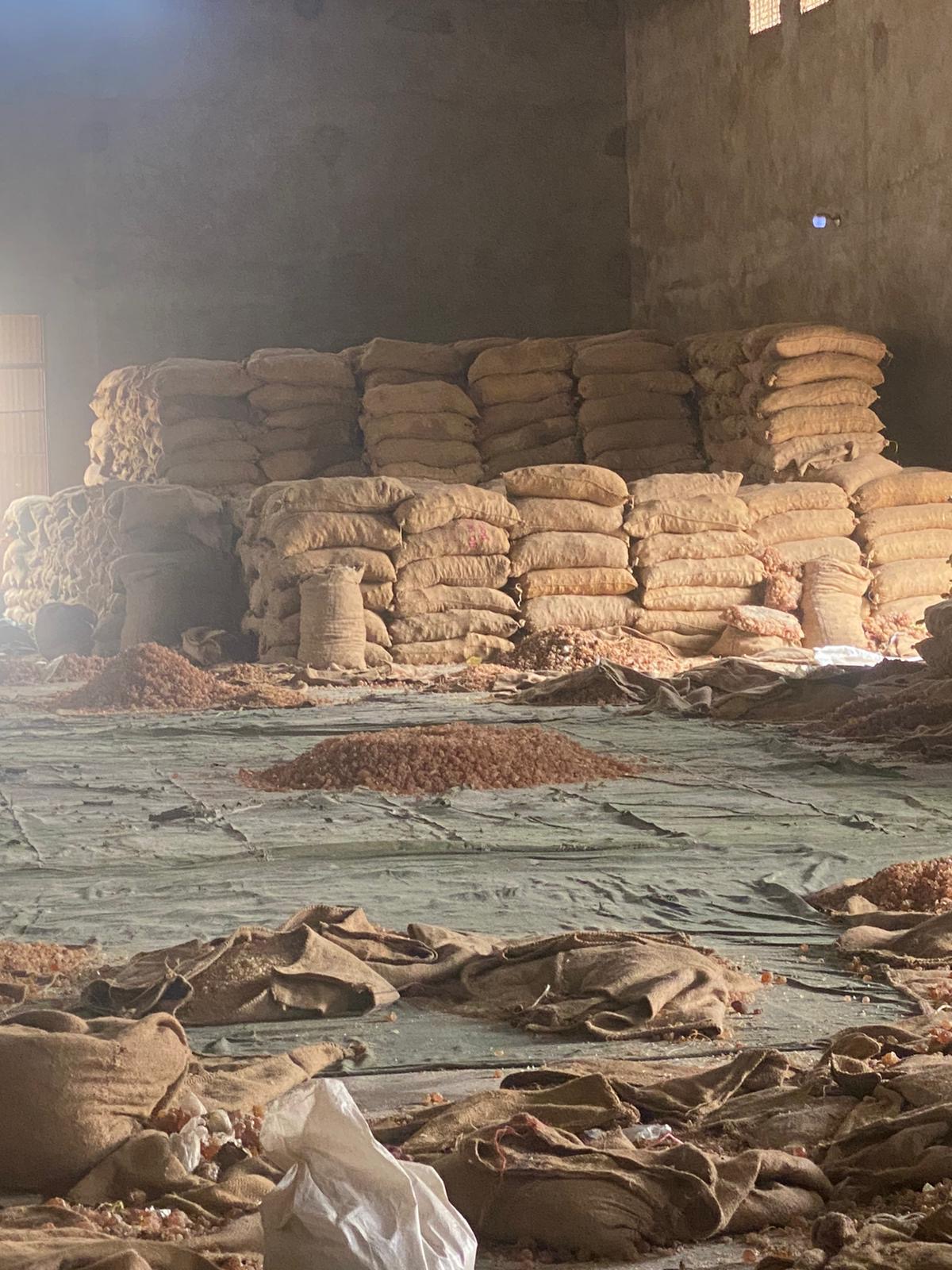
• Available in various packaging options such as jute bags, polypropylene bags, or drums
• Typically packed in 25 kg or 50 kg bags or as per customer requirements
12. Storage:
• Store in a cool, dry place away from direct sunlight
• Properly sealed to prevent moisture absorption and preserve quality
13. Shelf Life:
• Typically has a shelf life of 24-36 months under proper storage conditions
14. Certifications:
• Certificate of Origin
15. Harvesting Season:
• Arabic gum is harvested between November and May in Sudan
16. Uses:
• Widely used in the food industry as a stabilizer, thickening agent, and emulsifier
• Also used in pharmaceuticals, cosmetics, textiles, and various industrial applications
17. Quality Control:
• Subject to stringent quality control measures to ensure compliance with international standards and customer specifications
• Quality checks conducted at various stages of production, processing, and packaging
18. Allergen Information:
• Generally considered non-allergenic, but individuals with sensitivities to gum arabic should exercise caution
19. Transportation:
• Shipped via sea, land or air freight, depending on customer preferences and urgency
• Properly packed and labeled for transportation to ensure product integrity
20. Documentation:
• Complete and accurate documentation provided for customs clearance and regulatory compliance
• Includes commercial invoice, packing list, certificate of analysis, and any other necessary documents as per import regulations of the destination country.
기본 정보
이름
Arabic Gum - Sudan
상품
아라비아검
원산지
수단
상세 정보
Hashab - Acacia Senegal
/200x200/company-logo/ec/83/20/ec8320561531b3b58b9ae97855c77b6a99888cfe/linklab_solutions_cover.jpg)

관련 시장 데이터


이 판매자의 다른 상품
담당자

Mohamed Ali · 판매자
'쿠키 허용'을 클릭하면 통계 및 개인 선호도 산출을 위한 쿠키 제공에 동의하게 됩니다.
개인정보 보호정책에서 쿠키에 대한 자세한 내용을 확인할 수 있습니다.