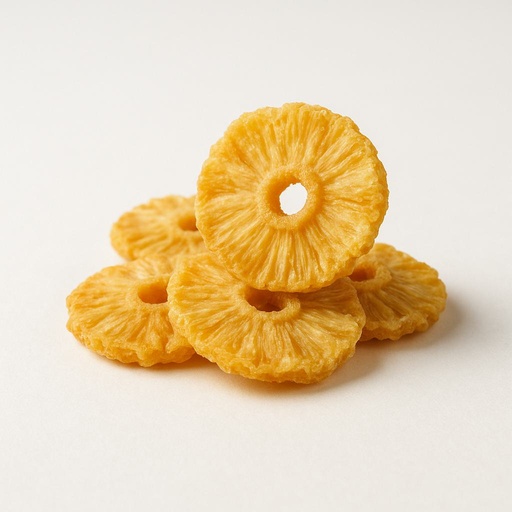
Dried Pineapple 공급업체, 무역 및 가격 — 마켓 오버뷰 2026
하위 제품
Dehydrated Pineapple, 동결건조 파인애플
원재료
Fresh Pineapple
HS 코드
080430
최종 업데이트
2026-10-19
서치 및 소싱 팀을 위한 핵심 요약
- Dried Pineapple 마켓 커버리지는 133개 국가에 걸쳐 있습니다.
- 이 제품에 대해 글로벌 공급망 인텔리전스 네트워크에 수출업체 894개와 수입업체 1,201개가 색인되어 있습니다.
- 1,248건의 공급업체 연계 거래가 상위 20개 국가에 걸쳐 요약되어 있습니다.
- 현재 프리미엄 공급업체 8개와 카탈로그 항목 8개가 등록되어 있습니다.
- 이 페이지 데이터셋의 최신 기준 연도는 2026입니다.
- 페이지 데이터 최종 업데이트일: 2026-10-19.
Dried Pineapple에 대한 글로벌 공급업체 거래, 수출 활동 및 가격 벤치마크
상위 20개 국가에 걸친 공급업체 연계 거래 1,248건을 분석하고, 월간 단가 벤치마크로 Dried Pineapple의 수출 경쟁력과 소싱 리스크를 추적하세요.
Dried Pineapple 국가별 공급업체 거래 및 수출 모멘텀 전년 대비 변화
Dried Pineapple의 긍정적/부정적 전년 대비 변화를 비교해 성장하는 공급 시장과 약화되는 수출 경로를 식별하세요.
Dried Pineapple의 YoY 변동 상위 국가는 중국 (+1991.6%), 스리랑카 (+121.5%), 폴란드 (-74.0%)입니다.
Dried Pineapple 국가별 공급업체 거래 및 단가 요약
2025-11 기준으로 Dried Pineapple 국가별 거래 건수와 월간 단가/물량을 비교해 공급업체 및 수출 시장 우선순위를 정하세요.
2026-04 기준, 노출 가능한 Dried Pineapple 거래 단가가 있는 국가는 에콰도르 (14.99 USD / kg), 멕시코 (14.52 USD / kg), 베트남 (13.05 USD / kg), 페루 (11.19 USD / kg), 인도 (5.58 USD / kg), 외 2개국입니다.
| 국가 | 전년 대비 변화 | 거래 건수 | 2025-11 | 2025-12 | 2026-01 | 2026-02 | 2026-03 | 2026-04 | 2026-05 | 2026-06 | 2026-07 | 2026-08 | 2026-09 | 2026-10 |
|---|---|---|---|---|---|---|---|---|---|---|---|---|---|---|
| 중국 | +1991.6% | 125 | 0.45 USD / kg (241,110 kg) | 0.42 USD / kg (435,875.6 kg) | 0.38 USD / kg (450,587.82 kg) | 0.44 USD / kg (475,993.82 kg) | - (-) | - (-) | ||||||
| 베트남 | +46.7% | 81 | 4.18 USD / kg (61,814.95 kg) | 6.74 USD / kg (59,542.46 kg) | 4.48 USD / kg (76,499.06 kg) | 6.99 USD / kg (2,152.66 kg) | - (-) | 13.05 USD / kg (185 kg) | ||||||
| 태국 | +53.2% | 291 | 2.78 USD / kg (688,799 kg) | 2.42 USD / kg (888,630 kg) | 2.62 USD / kg (661,590 kg) | 1.76 USD / kg (187,270 kg) | 5.95 USD / kg (4,000 kg) | 2.21 USD / kg (50,380 kg) | ||||||
| 페루 | -1.5% | 210 | 11.94 USD / kg (179,216.36 kg) | 12.08 USD / kg (212,189.222 kg) | 11.98 USD / kg (225,204.802 kg) | 11.59 USD / kg (114,001.062 kg) | 10.22 USD / kg (155,337.5 kg) | 11.19 USD / kg (106,247 kg) | ||||||
| 코스타리카 | -10.5% | 169 | 6.57 USD / kg (160,800.749 kg) | 9.79 USD / kg (222,973.86 kg) | 9.00 USD / kg (190,031.012 kg) | 5.29 USD / kg (150,260.672 kg) | 8.36 USD / kg (68,287.18 kg) | - (-) | ||||||
| 에콰도르 | +2.9% | 36 | 39.97 USD / kg (495 kg) | 13.33 USD / kg (4,212.83 kg) | 4.69 USD / kg (1,804.05 kg) | 36.19 USD / kg (414 kg) | 29.70 USD / kg (9,245.6 kg) | 14.99 USD / kg (4,020 kg) | ||||||
| 인도 | +24.5% | 26 | 5.06 USD / kg (50.03 kg) | - (-) | 5.71 USD / kg (613.5 kg) | - (-) | 8.63 USD / kg (227.21 kg) | 5.58 USD / kg (15 kg) | ||||||
| 미국 | +66.6% | 4 | 5.71 USD / kg (3,822.73 kg) | 4.85 USD / kg (1,756.27 kg) | - (-) | - (-) | - (-) | - (-) | ||||||
| 대만 | - | 4 | - (-) | 7.11 USD / kg (35,700 kg) | - (-) | - (-) | - (-) | - (-) | ||||||
| 멕시코 | -1.2% | 169 | 17.54 USD / kg (20,925.63 kg) | 18.65 USD / kg (58,901.61 kg) | 14.52 USD / kg (17,079.59 kg) | 13.93 USD / kg (37,132.71 kg) | 16.02 USD / kg (39,977.12 kg) | 14.52 USD / kg (19,230.71 kg) |
Dried Pineapple Global Supply Chain Coverage
2,095개 기업
Dried Pineapple에 대해 수출업체 894개와 수입업체 1,201개가 매핑되어 있습니다.
수출업체와 수입업체는 Tridge 공급망 인텔리전스의 기업 프로필 및 분석을 활용해 Dried Pineapple 거래 상대를 식별하고, 시장 도달 범위를 벤치마킹하며, 시장별 아웃리치 우선순위를 정할 수 있습니다.
Dried Pineapple 수출 공급업체 인텔리전스, 무역 흐름 및 가격 시그널
Dried Pineapple에 대해 Tridge Supply Chain Intelligence에 수출업체 894개가 매핑되어 있습니다. 수출업체와 수입업체는 회사 프로필 및 분석을 활용해 공급업체 커버리지, 거래 활동, 경로 기회를 평가할 수 있습니다.
Dried Pineapple 검증된 수출 공급업체 및 프리미엄 파트너
프리미엄 Dried Pineapple 공급업체 8개는 국가, 산업, 연락 가능성 시그널을 포함해 신뢰할 수 있는 수출 파트너를 더 빠르게 우선순위화할 수 있게 합니다.

FRUITBUYS COMPANY LIMITED
베트남
문의
식품 도매
Beeggymen Trade Center
필리핀
식품 제조, 기타

3 SEASONS FRUIT INDUSTRY CO., LTD.
태국
식품 제조, 식품 포장

T&A VN Import Export Company Limited
베트남
카탈로그
브로커 및 무역 대행, 식품 제조, 식품 포장

Kuvanga Cooperativa de Agroprocessamento
모잠비크
카탈로그
-

Cheer Farm Food
베트남
식품 제조, 식품 도매
Nature Pure Bio Products Private Limited
인도
식품 제조
Kuiburi Fruit Canning Co., Ltd.
태국
식품 제조, 식품 포장
프리미엄 공급업체로 가입하여 Tridge 공급망 네트워크에 참여하고 마케팅 및 수출 채널 전략을 고도화하세요.
Dried Pineapple 글로벌 공급업체 카탈로그 오퍼 및 수출 가격 기회
원산지, Incoterms, 최소 물량, 오퍼 가격 기준으로 Dried Pineapple 공급업체 등록 8건을 비교해 수출 준비가 된 소싱 기회를 식별하세요.





Dried Pineapple 상위 수출업체 및 공급업체 프로필
선도 수출업체 프로필을 검토하고 Dried Pineapple 공급망 인텔리전스 네트워크의 전체 수출업체 894개와 비교해 보세요. 수출업체와 수입업체는 회사 프로필 및 분석을 잠금 해제해 파트너를 더 빠르게 검증할 수 있습니다.
(페루)
최근 수출 거래: 2026-09-12
최근 수출 파트너 기업: 6
임직원 규모: 직원 11 - 50명
산업군: 브로커 및 무역 대행, 식품 제조, 식품 포장
밸류체인 역할: 유통 / 도매, 농업 / 생산 / 가공 / 포장, 무역
수출 국가: 페루, 네덜란드, 중국, 이스라엘, 호주, 벨기에, 독일, 캐나다, 멕시코, 미국
공급 제품: Dried Pineapple, Dried Mango, Dried Cape Gooseberries +5
(코스타리카)
최근 수출 거래: 2026-02-24
최근 수출 파트너 기업: 15
임직원 규모: 직원 1000명 초과
산업군: 음료 제조, 작물 생산, 식품 제조
밸류체인 역할: 유통 / 도매, 농업 / 생산 / 가공 / 포장, 식품 제조
수출 국가: 콜롬비아, 터키, 러시아, 이스라엘, 일본, 폴란드, 멕시코, 미국, 독일, 스페인
공급 제품: Dried Pineapple, Fresh Pineapple, Dehydrated Pineapple
(코스타리카)
최근 수출 거래: 2026-03-31
최근 수출 파트너 기업: 3
산업군: 작물 생산, 식품 제조, 식품 포장
밸류체인 역할: 유통 / 도매, 농업 / 생산 / 가공 / 포장, 식품 제조
수출 국가: 독일, 미국, 멕시코
공급 제품: Dried Pineapple, Dried Banana, Fresh Pineapple +2
(태국)
최근 수출 거래: 2026-06-14
최근 수출 파트너 기업: 1
임직원 규모: 직원 11 - 50명
매출액: 매출 USD 1M - 5M
산업군: 식품 제조
밸류체인 역할: 유통 / 도매, 식품 제조, 무역
수출 국가: 미국, 방글라데시, 인도
공급 제품: Dried Mango, Dried Pineapple, Hot Sauce +5
(코스타리카)
최근 수출 거래: 2026-03-27
최근 수출 파트너 기업: 6
임직원 규모: 직원 51 - 100명
매출액: 매출 USD 1M - 5M
산업군: 식품 제조
밸류체인 역할: 식품 제조
수출 국가: 프랑스, 스페인, 미국, 네덜란드, 이스라엘, 이탈리아
공급 제품: Dried Pineapple, Dried Apricots, Dried Banana +2
(태국)
최근 수출 거래: 2026-07-06
최근 수출 파트너 기업: 5
산업군: 식품 제조
밸류체인 역할: 식품 제조
수출 국가: 벨라루스, 이스라엘, 우크라이나, 파키스탄, 우즈베키스탄, 멕시코, 러시아, 인도
공급 제품: Dried Pineapple, Dried Mango, Dried Papaya +5
트릿지 아이에서 전체 그림 보기: 가격·거래 전체 이력 · 725,009+ 기업 프로필
Dried Pineapple 글로벌 수출업체 커버리지
894개 기업
수출업체 수는 Dried Pineapple의 공급 깊이와 소싱 선택지의 핵심 신호입니다.
공급망 인텔리전스 분석을 활용해 Dried Pineapple 기회를 국가, 제품, 밸류체인 역할로 좁힌 뒤 기업 프로필을 열어 적합성을 검증하세요.
Dried Pineapple의 주요 수출국 (HS 코드 080430) 2024
Dried Pineapple의 2024년 기준, 상위 공급국 10개의 수출 물량과 금액을 비교해 핵심 공급 구조를 파악하세요.
| 순위 | 국가 | 물량 | 금액 |
|---|---|---|---|
| 1 | 필리핀 | 682,066,765.12 kg | 429,822,630 USD |
| 2 | 네덜란드 | 162,138,216 kg | 192,067,986.169 USD |
| 3 | 미국 | 119,732,072 kg | 116,935,575 USD |
| 4 | 에콰도르 | 108,470,467.1 kg | 58,400,085.728 USD |
| 5 | 스페인 | 52,339,843.27 kg | 57,317,140.819 USD |
| 6 | 이탈리아 | 27,659,711 kg | 27,861,501.54 USD |
| 7 | 과테말라 | 40,368,989 kg | 23,266,356 USD |
| 8 | 멕시코 | 15,709,750 kg | 18,861,501 USD |
| 9 | 포르투갈 | 15,684,071 kg | 15,805,171.672 USD |
| 10 | 태국 | 5,040,030.743 kg | 8,841,992.23 USD |
Dried Pineapple 수출 무역 흐름 및 파트너 국가 요약
Dried Pineapple의 수출국-수입국 흐름을 금액, 물량, 점유율 기준으로 추적해 잠재력 높은 수출 경로를 발굴하세요.
Tridge Ark · 수입 가능성 진단
Dried Pineapple, 어디서 들여오는 게 좋을까요?
필요한 스펙과 물량만 알려주세요. 실제로 소싱이 되는지, 어떤 원산지와 공급사가 맞는지 짚어드려요.
무료 가능성 진단은 가입 없이 받을 수 있습니다.
Dried Pineapple 수입 바이어 인텔리전스, 수요 시그널 및 가격 벤치마크
Dried Pineapple 수요 인텔리전스를 위해 수입업체 1,201개가 매핑되어 있습니다. Supply Chain Intelligence 회사 프로필 및 분석으로 시장별 바이어, 유통업체, 다운스트림 수요 파트너의 우선순위를 정하세요.
Dried Pineapple 상위 바이어, 수입업체 및 수요 파트너
선도 바이어 프로필을 검토하고 Dried Pineapple에 대해 추적되는 전체 수입업체 1,201개와 비교해 보세요. 수출업체와 수입업체는 Supply Chain Intelligence 회사 프로필 및 분석을 활용해 바이어 품질과 수요 집중도를 평가할 수 있습니다.
(인도)
최근 수입 거래: 2026-08-03
최근 수입 파트너 기업: 1
임직원 규모: 직원 11 - 50명
산업군: 식품 제조, 식음료 서비스업, 식품 도매
밸류체인 역할: 네팔
(인도)
최근 수입 거래: 2026-06-17
최근 수입 파트너 기업: 2
임직원 규모: 직원 11 - 50명
산업군: 음료 제조, 식품 제조, 식품 포장
밸류체인 역할: -
(인도)
최근 수입 거래: 2026-09-12
최근 수입 파트너 기업: 1
임직원 규모: 직원 11 - 50명
산업군: 식품 제조, 식품 포장
밸류체인 역할: -
(멕시코)
최근 수입 거래: 2026-02-13
최근 수입 파트너 기업: 2
산업군: 음료 제조, 식품 제조, 식품 포장
밸류체인 역할: -
(인도)
최근 수입 거래: 2026-07-14
최근 수입 파트너 기업: 1
산업군: 식품 제조, 식품 포장, 기타
밸류체인 역할: 아프가니스탄
(인도)
최근 수입 거래: 2026-06-03
최근 수입 파트너 기업: 1
산업군: 음료 제조, 식품 제조, 식품 포장, 기타
밸류체인 역할: 미국
트릿지 아이에서 전체 그림 보기: 가격·거래 전체 이력 · 725,009+ 기업 프로필
글로벌 수입업체 커버리지
1,201개 기업
수입업체 수는 Dried Pineapple에 대한 수요 측 가시성의 현재 깊이를 보여줍니다.
공급망 인텔리전스 분석과 기업 프로필을 활용해 활동 중인 Dried Pineapple 바이어를 식별하고, 국가별 파트너 밀도를 비교하며, GTM 우선순위를 정교화하세요.
Dried Pineapple의 주요 수입 수요 국가 (HS 코드 080430) 2024
Dried Pineapple의 2024년 기준, 상위 수요국 10개의 수입 물량과 금액을 비교해 우선 시장을 식별하세요.
| 순위 | 국가 | 물량 | 금액 |
|---|---|---|---|
| 1 | 미국 | 1,323,226,387 kg | 1,001,008,574 USD |
| 2 | 스페인 | 185,794,557.38 kg | 173,681,751.735 USD |
| 3 | 네덜란드 | 174,120,312 kg | 171,004,124.234 USD |
| 4 | 독일 | 120,421,635.31 kg | 146,798,769.911 USD |
| 5 | 일본 | 157,371,924 kg | 135,728,077.63 USD |
| 6 | 이탈리아 | 144,469,430 kg | 129,354,727.019 USD |
| 7 | 캐나다 | 132,564,797.394 kg | 123,566,154.094 USD |
| 8 | 영국 | 112,506,260 kg | 94,288,837.097 USD |
| 9 | 대한민국 | 81,573,889.419 kg | 85,602,856 USD |
| 10 | 포르투갈 | 66,998,360 kg | 61,450,751.099 USD |
Dried Pineapple 수입 무역 흐름 및 원산지 국가 요약
Dried Pineapple의 원산지-도착지 무역 흐름을 금액, 물량, 점유율 기준으로 분석해 수요 측 소싱 채널을 모니터링하세요.
Tridge Ark · 수출 가능성 진단
우리 Dried Pineapple, 어느 바이어에게 팔 수 있을까요?
만드시는 제품만 알려주시면 됩니다. 지금 수출할 준비가 됐는지, 어느 시장이 맞는지 봐드려요.
무료 가능성 진단은 가입 없이 받을 수 있습니다.
Dried Pineapple의 국가별 글로벌 도매 공급가 추이
Dried Pineapple 국가별 월간 도매 공급가 요약
Dried Pineapple의 수출 및 소싱 의사결정을 위한 국가별 월간 도매 단가 벤치마크입니다.
2026-04 기준, 노출 가능한 Dried Pineapple 도매 단가가 있는 국가는 우크라이나 (4.63 USD / kg)입니다.
| 국가 | 2025-11 | 2025-12 | 2026-01 | 2026-02 | 2026-03 | 2026-04 | 2026-05 | 2026-06 | 2026-07 | 2026-08 | 2026-09 | 2026-10 |
|---|---|---|---|---|---|---|---|---|---|---|---|---|
| 우크라이나 | 4.53 USD / kg | 4.56 USD / kg | 4.62 USD / kg | 4.62 USD / kg | 4.62 USD / kg | 4.63 USD / kg |
Dried Pineapple 주요 수출국별 도매 가격 경쟁력
Dried Pineapple의 상위 수출국 1개 전반의 도매 가격 범위와 전년 대비 변화를 비교해 공급업체 가격 경쟁력을 벤치마킹하세요.
| 순위 | 국가 | 평균 | 하한 | 상한 | 전년 대비 |
|---|---|---|---|---|---|
| 1 | 우크라이나 | 4.58 USD / kg | 4.47 USD / kg | 4.72 USD / kg | -0.8% |
최신 Dried Pineapple 도매 수출 가격 업데이트
최신 5건의 Dried Pineapple 도매 업데이트를 활용해 현재 수출 가격 포인트와 원산지 수준 공급업체 변화를 검증하세요.
| 일자 | 항목명 | 단가 (USD) | |
|---|---|---|---|
| 2026-10-01 | Ана*** ******* ****** ********* *** ** ******** * ******* **** | 4.57 USD / kg | |
| 2026-10-01 | Ана*** ******* ****** ********* ** ** ***** ** *** * *** **** ***** * ******* **** | 4.52 USD / kg | |
| 2026-04-01 | Ана*** ******* ****** ********* *** ** * ******* **** | 4.66 USD / kg | |
| 2022-01-01 | Ана*** ******* ****** * ******* **** | 2.33 USD / kg | |
| 2021-08-01 | Ана*** ******* ****** * ******* **** | 2.53 USD / kg |
Classification
Product TypeProcessed Food
Product FormDried
Industry PositionValue-Added Processed Fruit Product
Market
Dried pineapple is a globally traded processed fruit product used both as a ready-to-eat snack and as an inclusion/ingredient in cereal, bakery, confectionery, and mixed dried-fruit products. Upstream supply is tied to fresh pineapple production in tropical countries, while drying/packing capacity tends to cluster in origins that already export processed pineapple products. Trade visibility can be limited because dried pineapple is often reported within broader HS “dried fruit” groupings (e.g., “other dried fruit” and mixed dried-fruit categories), so “major” exporter/importer rankings can vary by code choice and reporting practices. Commercial competitiveness is shaped by food safety performance (foreign matter control, microbiological outcomes), additive/label compliance (notably sulfites where used), and consistency of cut size, color, and texture.
Major Producing Countries
- 코스타리카Major pineapple producer with export-oriented pineapple supply chains used for fresh and processed products.
- 필리핀Major pineapple producer with established processed pineapple industry and export channels.
- 태국Significant pineapple producer with long-standing processed pineapple manufacturing base.
- 인도네시아Large tropical fruit producer; pineapple is an important crop supporting fresh and processed uses.
- 브라질Large pineapple producer primarily serving domestic and regional demand, with some processed output.
- 인도Large producer with varied regional production; some processing into dried fruit occurs alongside domestic consumption.
- 중국Notable pineapple producer and large dried-fruit processing base; trade positioning depends on specific dried-fruit product category.
- 나이지리아Large pineapple producer largely oriented to domestic/regional markets; drying may be more fragmented and small-scale.
Major Exporting Countries
- 태국Export-capable processed pineapple industry; dried pineapple may be shipped under broader dried-fruit HS categories depending on customs practice.
- 필리핀Processed pineapple exporter with established packing and export logistics relevant to dried formats.
- 중국Large dried-fruit manufacturing and export base; product may appear in “other dried fruit” and mixed dried-fruit trade groupings.
- 코스타리카Export-oriented pineapple supply chains can support dried pineapple production for overseas markets.
- 베트남Growing processed fruit and dried-fruit export presence; dried pineapple often marketed for snack and ingredient use.
Major Importing Countries
- 미국Large end-market for dried fruit snacks and ingredient inclusions across retail and food manufacturing.
- 독일Major EU consumption and food manufacturing market for dried fruits; imports may include direct use and onward distribution.
- 네덜란드EU logistics and re-export hub where dried fruit can enter for redistribution.
- 영국Significant consumer market for dried fruit snacks and baking ingredients.
- 일본Quality-sensitive market for packaged snacks and ingredient-grade dried fruits.
- 대한민국Import-reliant market for packaged snacks and bakery/cereal inclusions.
Specification
Major VarietiesMD-2, Smooth Cayenne, Queen, Red Spanish
Physical Attributes
- Cut forms commonly traded include rings, tidbits, slices, spears, and chunks; buyers often specify cut geometry and size distribution.
- Color uniformity (golden/yellow) and absence of excessive browning are key appearance attributes for snack and ingredient applications.
- Texture targets vary by product style (chewy/soft-dried vs. more fully dehydrated/crisp), affecting breakage and consumer acceptance.
Compositional Metrics
- Moisture level and water activity targets are central to shelf-stability and microbial risk control and are commonly specified in contracts.
- Sweetened variants may specify added sugar level; unsweetened variants may specify no added sugar claims and tighter browning control.
- Where sulfites are used as an anti-browning/preservative aid, finished-product sulfite level and labeling compliance are frequent buyer requirements.
Grades
- Commercial grades are typically defined by cut type/size, color, defect tolerance (burnt/dark pieces), and foreign matter limits rather than a single global grading system.
- Ingredient-grade specifications commonly include tighter controls for particle size distribution, metal/foreign matter, and microbiological parameters.
Packaging
- Bulk foodservice/industrial formats commonly use sealed, moisture-barrier liners (often multi-layer films) inside corrugated cartons.
- Retail formats commonly use resealable pouches with moisture/oxygen barrier properties; some products use nitrogen flushing or oxygen absorbers to reduce oxidative quality loss.
ProcessingHygroscopic behavior (moisture pickup) can drive clumping, stickiness, and accelerated browning if barrier packaging and dry storage are inadequate.Heat exposure during drying can increase non-enzymatic browning; process control aims to balance color retention with microbial lethality and shelf stability.
Supply Chain
Value Chain
- Fruit procurement (fresh pineapple) -> receiving inspection -> washing/peeling/coring -> cutting -> pre-treatment (optional) -> dehydration -> cooling -> sorting/inspection -> metal detection -> packaging -> palletization -> export distribution -> re-packing or ingredient use
Demand Drivers
- Retail snack consumption (plain or sweetened dried fruit)
- Ingredient inclusion in breakfast cereals, granola, bakery, confectionery, and trail-mix products
- Foodservice use as garnish or inclusion in prepared foods
Temperature
- Typically shipped and stored at ambient temperature, but quality is sensitive to heat exposure; cooler, stable temperatures reduce stickiness and quality degradation.
- Humidity control is often more critical than temperature; dry storage reduces moisture uptake and microbial risk escalation.
Atmosphere Control
- Oxygen management (high-barrier films, oxygen absorbers, or nitrogen flushing) is used in some supply chains to slow oxidative quality loss and color change.
Shelf Life
- Shelf life is generally long relative to fresh pineapple and is primarily constrained by moisture pickup, browning, flavor loss, and rancidity risks when packed with or near lipid-containing ingredients in mixed products.
- Post-opening shelf life for retail packs depends heavily on reseal quality and ambient humidity.
Risks
Food Safety HighDried pineapple trade can be disrupted by food safety and compliance failures, including foreign matter (metal, plastic), inadequate process control leading to microbiological hazards, and additive/label non-compliance (notably sulfites where used). Rejections, recalls, and import detentions can quickly halt shipments and damage buyer confidence because dried fruit is widely used as an ingredient across multiple finished products.Operate a validated HACCP plan with controlled drying parameters, robust foreign-matter prevention (sieves, magnets, metal detection/X-ray where applicable), routine microbiological and moisture/water-activity verification, and strict label/additive compliance checks for each destination market.
Regulatory Compliance MediumRegulatory expectations differ by market for additives, contaminant limits, labeling (including sulfite declaration thresholds), and importer documentation; mismatches can result in border delays, relabeling costs, or refusals.Maintain market-specific specification sheets, pre-approve labels with importers, and align additive use with Codex and destination-country requirements.
Climate MediumPineapple supply and quality can be affected by drought, excessive rainfall, and tropical storms in key producing regions, leading to volatility in raw fruit availability and processing yields.Diversify origin sourcing, maintain flexible production planning, and monitor climate outlooks relevant to major pineapple-growing areas.
Logistics MediumAlthough shelf-stable, dried pineapple is sensitive to moisture ingress during storage and transit; poor container conditions or extended port dwell time in humid climates can cause clumping, mold risk escalation, and quality downgrades.Use moisture-barrier packaging, desiccants where appropriate, and container loading practices that minimize condensation risk; specify dry, covered storage throughout transit.
Input Cost Volatility LowEnergy and packaging costs can materially influence processed fruit competitiveness because dehydration and barrier packaging are cost-intensive relative to fresh fruit handling.Improve energy efficiency (dryer optimization/heat recovery where feasible), qualify alternative packaging materials that meet barrier needs, and contract energy/packaging inputs when possible.
Sustainability
- Energy and emissions footprint of dehydration (thermal energy demand varies by drying technology and fuel mix).
- Packaging intensity and end-of-life challenges for multi-layer barrier films commonly used to control moisture and oxygen.
- Agrochemical management and runoff risks in pineapple cultivation areas, with downstream scrutiny from buyers and regulators.
- Land-use change and biodiversity impacts where pineapple expansion competes with natural habitats or mixed agricultural landscapes.
Labor & Social
- Occupational health and safety risks in cutting and drying operations (knife work, heat exposure, dust control).
- Labor standards and wage/hour compliance for seasonal and migrant labor in plantations and processing facilities.
- Traceability and supplier oversight expectations for social compliance in tropical fruit supply chains serving high-income import markets.
FAQ
Why is sulfite compliance a recurring issue for dried pineapple in international trade?Some dried pineapple is treated with sulfites to help control browning and preserve appearance. Because additive permissions and labeling expectations vary by market, shipments can face delays or rejection if sulfite use, testing results, or label declarations do not match destination requirements.
What are the typical processing steps to make dried pineapple for export?Export-grade dried pineapple is typically made by receiving and inspecting fresh fruit, washing, peeling/coring, cutting to a specified form, applying an optional anti-browning or sugar-infusion step, dehydrating under controlled conditions, cooling and sorting, then packaging with foreign-matter controls (such as metal detection) to protect against moisture and oxygen during transport.
If dried pineapple is shelf-stable, why do buyers emphasize moisture control so strongly?Dried pineapple can absorb moisture from humid environments, which can cause clumping and accelerate browning and spoilage risks. High-barrier packaging and dry storage conditions help preserve texture, color, and food safety performance through long distribution chains.
Sources
Dried Pineapple 공급업체, 수출 흐름, 가격 데이터 국가 커버리지
공급업체 커버리지, 무역 흐름, 가격 벤치마크를 위해 Dried Pineapple의 국가별 마켓 페이지를 탐색하세요.


전체 국가 마켓 페이지: 말레이시아, 일본, 영국, 베트남, 남아프리카, 캐나다, 에콰도르, 페루, 브라질, 이탈리아, 멕시코, 온두라스, 대한민국, 벨기에, 도미니카 공화국, 파키스탄, 폴란드, 콜롬비아, 사우디아라비아, 싱가포르, 과테말라, 뉴질랜드, 이스라엘, 파나마, 우간다, 칠레, 스리랑카, 나이지리아, 체코, 캄보디아, 가나, 룩셈부르크, 몰도바, 아랍에미리트, 아르메니아, 터키, 러시아, 포르투갈, 스와질란드, 호주, 탄자니아, 코트디부아르, 스위스, 이란, 아르헨티나, 오스트리아, 우크라이나, 핀란드, 에스토니아, 루마니아, 그리스, 리투아니아, 스웨덴, 덴마크, 니카라과, 홍콩, 노르웨이, 슬로바키아, 아일랜드, 카자흐스탄, 헝가리, 모로코, 바레인, 이집트, 아제르바이잔, 크로아티아, 모리셔스, 대만, 오만, 슬로베니아, 안도라, 알바니아, 보스니아 헤르체고비나, 바베이도스, 부르키나파소, 불가리아, 베냉, 버뮤다, 브루나이, 볼리비아, 바하마, 부탄, 보츠와나, 콩고 민주 공화국, 키프로스, 에티오피아, 피지, 아이슬란드, 자메이카, 요르단, 키르기스스탄, 쿠웨이트, 라오스, 라이베리아, 레소토, 라트비아, 몬테네그로, 마다가스카르, 마케도니아, 미얀마 [버마], 몽골, 마카오, 몰타, 몰디브, 말라위, 모잠비크, 나미비아, 니제르, 네팔, 파라과이, 카타르, 세르비아, 세네갈, 엘살바도르, 토고, 튀니지, 우루과이, 우즈베키스탄, 세인트빈센트 그레나딘, 잠비아, 짐바브웨
Tridge Ark · 수출·수입 가능성 진단
Dried Pineapple, 사는 쪽이세요 파는 쪽이세요?
어느 쪽이든 몇 가지만 답해주시면 됩니다. 어디서 살 수 있는지, 누구에게 팔 수 있는지 정리해서 보내드릴게요.
무료 가능성 진단은 가입 없이 받을 수 있습니다.
Dried Pineapple 연관 제품 카테고리
Dried Pineapple의 상위 제품, 하위 제품, 파생 제품, 원재료 제품 마켓 페이지를 둘러보세요.
하위 제품: Dehydrated Pineapple, 동결건조 파인애플
원재료: Fresh Pineapple
'쿠키 허용'을 클릭하면 통계 및 개인 선호도 산출을 위한 쿠키 제공에 동의하게 됩니다.
개인정보 보호정책에서 쿠키에 대한 자세한 내용을 확인할 수 있습니다.