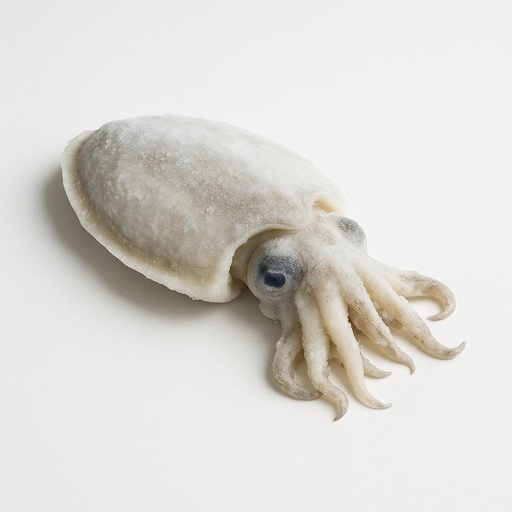
캐나다 냉동 갑오징어 공급업체 및 가격 — 마켓 오버뷰 2026
원재료
신선 갑오징어
최종 업데이트
2026-10-19
서치 및 소싱 팀을 위한 핵심 요약
- 페이지 데이터 최종 업데이트일: 2026-10-19.
Tridge Ark · 수입 가능성 진단
캐나다산 냉동 갑오징어, 우리도 들여올 수 있을까요?
필요한 스펙과 물량만 알려주세요. 실제로 소싱이 되는지, 어떤 원산지와 공급사가 맞는지 짚어드려요.
무료 가능성 진단은 가입 없이 받을 수 있습니다.
캐나다의 냉동 갑오징어 수입 바이어 인텔리전스 및 가격 시그널: 바이어, 수요, 거래 파트너
캐나다의 냉동 갑오징어에 대해 수입 파트너 기업 1개가 추적됩니다. 수출업체와 수입업체는 Supply Chain Intelligence 회사 프로필 및 분석을 활용해 바이어 수요, 파트너 밀도, 다운스트림 채널을 분석할 수 있습니다.
스캐터 포인트는 전체 거래 데이터셋의 63.3%에서 샘플링되었습니다. 점 하나하나가 실제 거래입니다 — 클릭해서 상세 정보를 보고, 적정한 거래였는지 AI Chat에 물어보세요.
냉동 갑오징어의 캐나다 샘플 수입 거래 및 가격 기록
캐나다의 냉동 갑오징어 샘플 수입 거래 5건은 가격 수준과 수요 측 거래 패턴 벤치마킹을 위한 날짜, 원산지, 무역 국가 맥락을 제공합니다.
캐나다의 냉동 갑오징어 샘플 수입 거래 단가(일자별): 2026-08-31: 7.17 USD / kg, 2026-08-28: 7.20 USD / kg, 2026-08-28: 7.50 USD / kg, 2026-08-27: 6.43 USD / kg, 2026-08-05: 7.17 USD / kg.
| 일자 | 신고 품목 | 단가 | 수출업체 | 수입업체 | 원산지 | |
|---|---|---|---|---|---|---|
| 2026-08-31 | FRO*** ***** ******* ****** **** *** * ******** * * ** *** * *** | 7.17 USD / kg | (-) | (-) | - | |
| 2026-08-28 | Cut******* ******** ***************** ***** ***** **** **** ***************************** ******************** | 7.20 USD / kg | (-) | (-) | - | |
| 2026-08-28 | Cut******* ******** ***************** ***** ***** **** **** **************************** **** ***** ****************** | 7.50 USD / kg | (-) | (-) | - | |
| 2026-08-27 | FRO*** ***** ******* ****** **** *** * ******** * * ** *** * **** | 6.43 USD / kg | (-) | (-) | - | |
| 2026-08-05 | FRO*** ***** ******* ****** **** *** * ******** * * ** *** * *** | 7.17 USD / kg | (-) | (-) | - |
이 5건은 샘플입니다 — 트릿지에 가입하고 캐나다 냉동 갑오징어 거래를 확인하세요
기록마다 수출사·수입사·단가가 보입니다. 적정한 거래였는지 AI Chat에 묻거나, 기록을 AI Curation으로 만드세요.
가입 후 기업 인증을 하세요 — 신규로 인증한 회사는 Tridge Eye Business 첫 달이 무료입니다.
캐나다 내 상위 냉동 갑오징어 바이어, 수입업체 및 수요 파트너
선도 바이어 프로필을 검토하고 캐나다의 냉동 갑오징어에 대해 추적되는 전체 수입 파트너 기업 1개와 비교하세요. 수출업체와 수입업체는 Supply Chain Intelligence 회사 프로필 및 분석으로 수요 측 파트너 적합도를 평가할 수 있습니다.
(캐나다)
최근 수입 거래: 2026-09-19
임직원 규모: 직원 11 - 50명
매출액: 매출 USD 10M - 50M
산업군: 식품 제조, 식음료 서비스업, 식품 도매, 기타
밸류체인 역할: 유통 / 도매, 식품 제조, 소매, 무역
트릿지 아이에서 전체 그림 보기: 가격·거래 전체 이력 · 725,009+ 기업 프로필
캐나다 수입 파트너 커버리지
1개 기업
수입 파트너 기업 수는 캐나다의 냉동 갑오징어 수요 측 가시성을 보여줍니다.
공급망 인텔리전스 분석과 기업 프로필을 활용해 캐나다에서 활동 중인 냉동 갑오징어 수입업체, 유통업체, 바이어 네트워크를 식별하세요.
Tridge Ark · 수출 가능성 진단
우리 냉동 갑오징어, 이 캐나다 바이어들에게 팔 수 있을까요?
만드시는 제품만 알려주시면 됩니다. 지금 수출할 준비가 됐는지, 어느 시장이 맞는지 봐드려요.
무료 가능성 진단은 가입 없이 받을 수 있습니다.
Classification
Product TypeRaw Material
Product FormFrozen
Industry PositionPrimary Aquatic Product
Raw Material
Market
Canada is an import-dependent market for frozen cuttlefish, with supply typically moving through refrigerated ocean freight into a tightly regulated food-import system. The product is usually sold through wholesalers, retail, and foodservice channels rather than any meaningful domestic production base. Cold-chain integrity, species identity, and label accuracy are the main commercial control points. Domestic cuttlefish production is not a material market driver.
Market RoleNet importer; import-dependent consumer market
Domestic RoleDomestic consumption market with limited direct production
SeasonalityAvailable year-round through imports and cold storage rather than a Canadian harvest season.
Specification
Physical Attributes
- Firm frozen texture
- Minimal freezer burn
- No thaw-refreeze damage
Packaging
- Bulk frozen cartons
- Poly-lined bags
- Retail-ready frozen packs with English/French labels where applicable
Supply Chain
Value Chain
- Overseas capture or processing -> freezing and primary packing -> ocean freight -> Canadian port entry -> importer cold storage -> wholesaler or foodservice distribution
Temperature
- Continuous frozen-chain control is required from origin pack-out to Canadian delivery
Shelf Life
- Quality is sensitive to freezer stability, pack integrity, and thaw-refreeze damage
Freight IntensityHigh
Transport ModeSea
Risks
Regulatory Compliance HighA mismatch between species identity, labels, commercial documents, or frozen temperature records can trigger detention or refusal at Canadian entry.Standardize scientific/common names, bilingual label text, and export temperature logs before shipment.
Logistics MediumFrozen cuttlefish depends on uninterrupted reefer transport and storage; port delays or power interruptions can cause thaw-refreeze damage and quality loss.Book refrigerated capacity early and use continuous temperature monitoring with backup storage at destination.
Food Safety MediumUpstream hygiene failures or weak freezing controls can create spoilage or contamination risk that is costly to correct after import.Buy from HACCP-controlled processors and require recent audit evidence and temperature verification.
Traceability MediumSeafood traceability can weaken across multiple handlers, increasing species substitution and origin-verification risk.Require lot codes and vessel or processor documentation that stays consistent through the shipment chain.
Sustainability MediumUpstream wild-catch cuttlefish supply can face IUU fishing, bycatch, and stock-management scrutiny depending on origin.Screen suppliers for harvest documentation and chain-of-custody certification where available.
Price Volatility MediumLanded cost can move quickly with catch swings, fuel, and reefer freight rates in a frozen seafood trade.Use indexed pricing or dual sourcing where possible.
Sustainability
- Traceability of marine capture origin
- IUU fishing screening in supplier fisheries
- Cold-chain energy use and packaging waste
Labor & Social
- Forced labor and unsafe working conditions screening in some global seafood supply chains
- Crew welfare and vessel-level labor due diligence on upstream supply
Standards
- BRCGS Food Safety
- SQF
- MSC Chain of Custody
FAQ
What is the biggest access risk for frozen cuttlefish entering Canada?The biggest risk is a border hold or rejection if the species identity, documents, labels, or frozen temperature records do not line up with Canadian requirements.
How does frozen cuttlefish usually reach Canadian buyers?It normally arrives by refrigerated ocean freight, then moves through cold storage and wholesale or foodservice distribution.
What labeling issues matter most in Canada?The product information needs to be accurate and not misleading, and bilingual English and French labeling may apply depending on how the product is packed and sold.


Tridge Ark · 수출·수입 가능성 진단
캐나다 냉동 갑오징어, 사는 쪽이세요 파는 쪽이세요?
어느 쪽이든 몇 가지만 답해주시면 됩니다. 어디서 살 수 있는지, 누구에게 팔 수 있는지 정리해서 보내드릴게요.
무료 가능성 진단은 가입 없이 받을 수 있습니다.
'쿠키 허용'을 클릭하면 통계 및 개인 선호도 산출을 위한 쿠키 제공에 동의하게 됩니다.
개인정보 보호정책에서 쿠키에 대한 자세한 내용을 확인할 수 있습니다.