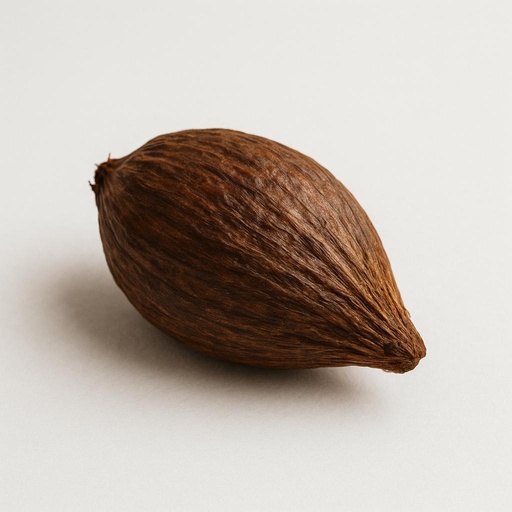
Palm Kernel Shell 공급업체, 무역 및 가격 — 마켓 오버뷰 2026
최종 업데이트
2026-10-08
서치 및 소싱 팀을 위한 핵심 요약
- Palm Kernel Shell 마켓 커버리지는 26개 국가에 걸쳐 있습니다.
- 이 제품에 대해 글로벌 공급망 인텔리전스 네트워크에 수출업체 131개와 수입업체 159개가 색인되어 있습니다.
- 172건의 공급업체 연계 거래가 상위 12개 국가에 걸쳐 요약되어 있습니다.
- 현재 프리미엄 공급업체 4개와 카탈로그 항목 2개가 등록되어 있습니다.
- 페이지 데이터 최종 업데이트일: 2026-10-08.
Palm Kernel Shell에 대한 글로벌 공급업체 거래, 수출 활동 및 가격 벤치마크
상위 12개 국가에 걸친 공급업체 연계 거래 172건을 분석하고, 월간 단가 벤치마크로 Palm Kernel Shell의 수출 경쟁력과 소싱 리스크를 추적하세요.
Palm Kernel Shell 국가별 공급업체 거래 및 수출 모멘텀 전년 대비 변화
Palm Kernel Shell의 긍정적/부정적 전년 대비 변화를 비교해 성장하는 공급 시장과 약화되는 수출 경로를 식별하세요.
Palm Kernel Shell의 YoY 변동 상위 국가는 중국 (+2762.7%), 케냐 (+234.6%), 인도네시아 (-89.6%)입니다.
Palm Kernel Shell 국가별 공급업체 거래 및 단가 요약
2025-11 기준으로 Palm Kernel Shell 국가별 거래 건수와 월간 단가/물량을 비교해 공급업체 및 수출 시장 우선순위를 정하세요.
2026-04 기준, 노출 가능한 Palm Kernel Shell 거래 단가가 있는 국가는 인도 (1.74 USD / kg)입니다.
| 국가 | 전년 대비 변화 | 거래 건수 | 2025-11 | 2025-12 | 2026-01 | 2026-02 | 2026-03 | 2026-04 | 2026-05 | 2026-06 | 2026-07 | 2026-08 | 2026-09 | 2026-10 |
|---|---|---|---|---|---|---|---|---|---|---|---|---|---|---|
| 인도 | +1.4% | 57 | 2.34 USD / kg (9,524 kg) | 1.10 USD / kg (111,160 kg) | 1.64 USD / kg (3,350 kg) | 1.86 USD / kg (12,456 kg) | 1.87 USD / kg (36,216 kg) | 1.74 USD / kg (54,050 kg) | ||||||
| 케냐 | +234.6% | 3 | - (-) | - (-) | - (-) | - (-) | - (-) | - (-) | ||||||
| 필리핀 | -3.2% | 6 | 0.23 USD / kg (335,120 kg) | 0.23 USD / kg (294,750 kg) | - (-) | 0.26 USD / kg (214,399.994 kg) | - (-) | - (-) | ||||||
| 멕시코 | -88.3% | 1 | - (-) | - (-) | - (-) | - (-) | 0.28 USD / kg (25,000 kg) | - (-) | ||||||
| 말레이시아 | -15.3% | 16 | 0.13 USD / kg (288,000 kg) | 0.17 USD / kg (576,000 kg) | 0.15 USD / kg (1,428,721 kg) | 0.18 USD / kg (548,775 kg) | - (-) | - (-) | ||||||
| 베트남 | -11.2% | 72 | 0.25 USD / kg (452,179 kg) | 0.23 USD / kg (2,845,191.5 kg) | 0.24 USD / kg (2,034,746 kg) | - (-) | - (-) | - (-) | ||||||
| 싱가포르 | +3.6% | 8 | 0.15 USD / kg (4,950,000 kg) | 0.15 USD / kg (2,165,000 kg) | - (-) | - (-) | - (-) | - (-) | ||||||
| 인도네시아 | -89.6% | 5 | - (-) | 0.15 USD / kg (2,400,000 kg) | - (-) | - (-) | - (-) | - (-) | ||||||
| 대만 | - | 1 | - (-) | 7.36 USD / kg (24,320 kg) | - (-) | - (-) | - (-) | - (-) | ||||||
| 중국 | +2762.7% | 1 | 4.69 USD / kg (9,430 kg) | - (-) | - (-) | - (-) | - (-) | - (-) |
Palm Kernel Shell Global Supply Chain Coverage
290개 기업
Palm Kernel Shell에 대해 수출업체 131개와 수입업체 159개가 매핑되어 있습니다.
수출업체와 수입업체는 Tridge 공급망 인텔리전스의 기업 프로필 및 분석을 활용해 Palm Kernel Shell 거래 상대를 식별하고, 시장 도달 범위를 벤치마킹하며, 시장별 아웃리치 우선순위를 정할 수 있습니다.
Palm Kernel Shell 수출 공급업체 인텔리전스, 무역 흐름 및 가격 시그널
Palm Kernel Shell에 대해 Tridge Supply Chain Intelligence에 수출업체 131개가 매핑되어 있습니다. 수출업체와 수입업체는 회사 프로필 및 분석을 활용해 공급업체 커버리지, 거래 활동, 경로 기회를 평가할 수 있습니다.
Palm Kernel Shell 검증된 수출 공급업체 및 프리미엄 파트너
프리미엄 Palm Kernel Shell 공급업체 4개는 국가, 산업, 연락 가능성 시그널을 포함해 신뢰할 수 있는 수출 파트너를 더 빠르게 우선순위화할 수 있게 합니다.
LAHLAH LOGISTICS LIMITED
나이지리아
문의
작물 생산, 축산, 어업 및 양식업, 식품 제조, 음료 제조, 주류 제조, 식품 포장, 식품 도매, 주류 도매, 식료품점, 주류 판매점, 식음료 서비스업, 백화점, 온라인 리테일 및 풀필먼트, 육상 운송, 해상 및 수상 운송, 항공 운송, 포워딩 및 복합운송, 브로커 및 무역 대행, 기타

LordTech Agritech Ltd
나이지리아
문의카탈로그
식품 제조, 축산

ARASA INVESTMENTS
가나
문의카탈로그
-

EFEREMMA AND KEL ENTERPRISE LIMITED
나이지리아
식품 도매
프리미엄 공급업체로 가입하여 Tridge 공급망 네트워크에 참여하고 마케팅 및 수출 채널 전략을 고도화하세요.
Palm Kernel Shell 글로벌 공급업체 카탈로그 오퍼 및 수출 가격 기회
원산지, Incoterms, 최소 물량, 오퍼 가격 기준으로 Palm Kernel Shell 공급업체 등록 2건을 비교해 수출 준비가 된 소싱 기회를 식별하세요.

Palm Kernel Shell
원산지 국가: 나이지리아
가격 협의

Palm Kernel Shells
원산지 국가: 가나
가격 협의
Palm Kernel Shell 상위 수출업체 및 공급업체 프로필
선도 수출업체 프로필을 검토하고 Palm Kernel Shell 공급망 인텔리전스 네트워크의 전체 수출업체 131개와 비교해 보세요. 수출업체와 수입업체는 회사 프로필 및 분석을 잠금 해제해 파트너를 더 빠르게 검증할 수 있습니다.
(인도네시아)
최근 수출 거래: 2026-09-08
최근 수출 파트너 기업: 4
임직원 규모: 직원 11 - 50명
매출액: 매출 USD 1M - 5M
산업군: 브로커 및 무역 대행
밸류체인 역할: 무역
수출 국가: 말레이시아, 태국, 싱가포르, 일본
공급 제품: Palm Kernel Shell
(인도네시아)
최근 수출 거래: 2026-09-08
최근 수출 파트너 기업: 2
임직원 규모: 직원 101 - 500명
매출액: 매출 USD 10M - 50M
산업군: 작물 생산, 식품 제조
밸류체인 역할: 유통 / 도매, 농업 / 생산 / 가공 / 포장
수출 국가: 태국, 일본
공급 제품: Palm Kernel Shell
(인도네시아)
최근 수출 거래: 2026-09-08
최근 수출 파트너 기업: 3
산업군: 음료 제조, 식품 제조, 기타
밸류체인 역할: 농업 / 생산 / 가공 / 포장, 식품 제조, 무역
수출 국가: 대한민국, 스페인, 일본, 말레이시아, 싱가포르, 필리핀, 중국, 방글라데시, 파키스탄, 인도
공급 제품: Palm Oil, Palm Mid-Fraction, Palm Kernel Oil +5
(인도네시아)
최근 수출 거래: 2026-09-08
최근 수출 파트너 기업: 2
임직원 규모: 직원 101 - 500명
매출액: 매출 USD 50M - 100M
산업군: 식품 제조, 기타
밸류체인 역할: 유통 / 도매, 농업 / 생산 / 가공 / 포장
수출 국가: 스위스, 독일, 중국, 인도, 네덜란드, 싱가포르, 필리핀, 방글라데시, 파키스탄, 말레이시아
공급 제품: Palm Oil, Palm Kernel Shell, Palm Kernel Oil +5
(인도네시아)
최근 수출 거래: 2026-09-08
최근 수출 파트너 기업: 1
산업군: 식품 제조
밸류체인 역할: 농업 / 생산 / 가공 / 포장, 무역
수출 국가: 일본
공급 제품: Palm Kernel Shell
(인도네시아)
최근 수출 거래: 2026-09-08
최근 수출 파트너 기업: 4
임직원 규모: 직원 1000명 초과
매출액: 매출 USD 5M - 10M
산업군: 음료 제조, 식품 제조, 식품 포장
밸류체인 역할: 유통 / 도매, 농업 / 생산 / 가공 / 포장, 식품 제조, 무역
수출 국가: 방글라데시, 아랍에미리트, 인도, 파키스탄, 미얀마 [버마], 미국, 싱가포르, 중국, 러시아, 필리핀
공급 제품: Palm Oil, Palm Mid-Fraction, Palm Kernel Oil +5
트릿지 아이에서 전체 그림 보기: 가격·거래 전체 이력 · 725,009+ 기업 프로필
Palm Kernel Shell 글로벌 수출업체 커버리지
131개 기업
수출업체 수는 Palm Kernel Shell의 공급 깊이와 소싱 선택지의 핵심 신호입니다.
공급망 인텔리전스 분석을 활용해 Palm Kernel Shell 기회를 국가, 제품, 밸류체인 역할로 좁힌 뒤 기업 프로필을 열어 적합성을 검증하세요.
소싱 진단
Palm Kernel Shell, 어디서 들여오는 게 좋을까요?
필요한 스펙과 물량만 알려주세요. 실제로 소싱이 되는지, 어떤 원산지와 공급사가 맞는지 짚어드려요.
무료 진단, 계정 없이 이용 가능합니다.
Palm Kernel Shell 수입 바이어 인텔리전스, 수요 시그널 및 가격 벤치마크
Palm Kernel Shell 수요 인텔리전스를 위해 수입업체 159개가 매핑되어 있습니다. Supply Chain Intelligence 회사 프로필 및 분석으로 시장별 바이어, 유통업체, 다운스트림 수요 파트너의 우선순위를 정하세요.
Palm Kernel Shell 상위 바이어, 수입업체 및 수요 파트너
선도 바이어 프로필을 검토하고 Palm Kernel Shell에 대해 추적되는 전체 수입업체 159개와 비교해 보세요. 수출업체와 수입업체는 Supply Chain Intelligence 회사 프로필 및 분석을 활용해 바이어 품질과 수요 집중도를 평가할 수 있습니다.
(일본)
최근 수입 거래: 2026-09-08
최근 수입 파트너 기업: 1
임직원 규모: 직원 1000명 초과
매출액: 매출 USD 1B 초과
산업군: 식품 제조
밸류체인 역할: 코트디부아르, 인도, 에콰도르, 미국, 인도네시아, 대한민국, 베트남
(싱가포르)
최근 수입 거래: 2026-09-08
최근 수입 파트너 기업: 1
임직원 규모: 직원 1000명 초과
산업군: 축산, 작물 생산, 식품 제조
밸류체인 역할: 필리핀, 인도, 베트남
(일본)
최근 수입 거래: 2026-09-08
최근 수입 파트너 기업: 1
임직원 규모: 직원 101 - 500명
매출액: 매출 USD 1B 초과
산업군: 기타
밸류체인 역할: -
(일본)
최근 수입 거래: 2026-09-08
최근 수입 파트너 기업: 1
임직원 규모: 직원 1000명 초과
매출액: 매출 USD 1B 초과
산업군: 음료 제조, 브로커 및 무역 대행, 식품 제조, 식품 포장, 식음료 서비스업, 식품 도매
밸류체인 역할: 멕시코, 필리핀, 미국, 인도, 베트남
(일본)
최근 수입 거래: 2026-09-08
최근 수입 파트너 기업: 1
임직원 규모: 직원 1000명 초과
매출액: 매출 USD 1B 초과
산업군: 브로커 및 무역 대행, 식품 제조, 식품 도매
밸류체인 역할: 베트남
(일본)
최근 수입 거래: 2026-09-08
최근 수입 파트너 기업: 1
임직원 규모: 직원 1000명 초과
매출액: 매출 USD 1B 초과
산업군: 음료 제조, 식품 제조, 식음료 서비스업, 식품 도매
밸류체인 역할: 인도, 스리랑카, 우크라이나, 미국, 인도네시아, 필리핀, 대한민국, 일본, 베트남
트릿지 아이에서 전체 그림 보기: 가격·거래 전체 이력 · 725,009+ 기업 프로필
글로벌 수입업체 커버리지
159개 기업
수입업체 수는 Palm Kernel Shell에 대한 수요 측 가시성의 현재 깊이를 보여줍니다.
공급망 인텔리전스 분석과 기업 프로필을 활용해 활동 중인 Palm Kernel Shell 바이어를 식별하고, 국가별 파트너 밀도를 비교하며, GTM 우선순위를 정교화하세요.
수출 진단
우리 Palm Kernel Shell, 어느 바이어에게 팔 수 있을까요?
만드시는 제품만 알려주시면 됩니다. 지금 수출할 준비가 됐는지, 어느 시장이 맞는지 봐드려요.
무료 진단, 계정 없이 이용 가능합니다.
가격 데이터
Palm Kernel Shell 가격, 어디까지 필요하세요?
전체 가격 히스토리와 경쟁사 벤치마크를 열어드립니다. 어떤 숫자가 필요하신지만 말씀해 주시면 함께 살펴봐 드려요.
Classification
Product TypeByproduct
Product FormDry Bulk Solid
Industry PositionAgro-Industrial Residue
Market
Palm kernel shell (PKS) is a lignocellulosic byproduct generated at palm oil milling and palm kernel processing facilities and traded primarily as a biomass fuel and as feedstock for charcoal/activated carbon. Global availability is structurally concentrated in Southeast Asia—especially Indonesia and Malaysia—because supply scales with palm oil throughput. International trade demand is strongly policy- and certification-driven, with Japan and South Korea frequently cited as major import markets for solid biomass fuels. Market frictions center on bulky logistics, variable moisture/contamination specifications, and heightened sustainability and labor scrutiny tied to the palm oil sector.
Market GrowthMixed (medium-term outlook)Policy- and sustainability-criteria-driven demand with periodic procurement swings tied to renewable power economics and freight rates
Major Producing Countries
- 인도네시아Largest palm oil and palm kernel processing base; PKS availability follows mill throughput.
- 말레이시아Major palm oil producer with significant kernel processing; consistent PKS supply.
- 태국Regional palm producer; smaller but material PKS availability relative to Indonesia/Malaysia.
- 나이지리아Large palm sector in West Africa; PKS generation present where industrial milling occurs.
- 콜롬비아Largest palm oil producer in the Americas; PKS generated at industrial mills.
- 과테말라Export-oriented palm oil industry; PKS available as a milling byproduct.
- 파푸아뉴기니Palm oil producer with PKS generation at mill sites.
Major Exporting Countries
Major Importing Countries
- 일본Commonly cited destination market for imported solid biomass fuels used in power and industrial heat, subject to sustainability requirements.
- 대한민국Commonly cited destination market for imported solid biomass fuels, influenced by renewable power policy and sustainability screening.
- 대만Imports solid biomass fuels for industrial energy use; procurement is sensitive to quality and logistics.
- 중국Potential industrial user market for biomass residues and carbon materials; trade may be routed through intermediaries.
Supply Calendar
- Indonesia:Jan, Feb, Mar, Apr, May, Jun, Jul, Aug, Sep, Oct, Nov, DecOil palm harvesting and milling operate year-round in equatorial zones; intra-year peaks vary by region and weather.
- Malaysia:Jan, Feb, Mar, Apr, May, Jun, Jul, Aug, Sep, Oct, Nov, DecYear-round mill output; export shipment seasonality is often shaped more by freight and contracting cycles than harvest windows.
- West Africa (e.g., Nigeria):Jan, Feb, Mar, Apr, May, Jun, Jul, Aug, Sep, Oct, Nov, DecSupply depends on industrial milling capacity and collection logistics; seasonal rainfall can affect drying and transport.
Specification
Physical Attributes
- Hard, woody shell fragments generated from palm kernel cracking/separation
- Bulk, irregular particle size with dust/fines fraction that can vary by handling and screening
- Quality-sensitive to visible contamination (stones, metal, fibers) due to downstream boiler and handling constraints
Compositional Metrics
- Moisture content is a primary traded specification due to impacts on handling, storage stability, and usable energy yield
- Ash content and ash behavior are commonly screened for combustion performance and maintenance outcomes
- Chlorine and sulfur are often monitored for corrosion and emissions compliance in combustion applications
- Foreign matter/impurities and fines percentage are common buyer-controlled parameters
Grades
- No single global grading standard; transactions are typically structured around buyer specifications (moisture, ash, size distribution, contamination limits)
Packaging
- Bulk vessel holds or bulk-in-container shipments for large-volume energy users
- Jumbo bags (FIBCs) and lined bulk bags used where port/receiver handling requires unitization
- Covered storage and moisture protection during loading are commonly specified in contracts
ProcessingScreening and drying/conditioning are common pre-export steps to meet moisture and contamination specificationsSize reduction or briquetting/pelletization may be used in some supply chains to improve handling, but many trades remain as unprocessed shell fragments
Supply Chain
Value Chain
- Palm oil mill and kernel recovery -> shell separation/cracking -> drying/stockpiling -> screening/impurity removal -> inland trucking to port -> export loading (bulk or container) -> ocean freight -> receiving storage -> industrial boiler/power plant firing or carbon-material processing
Demand Drivers
- Renewable electricity and heat policy incentives for solid biomass in certain importing markets
- Industrial fuel-switching away from coal or fuel oil where biomass is economically and regulatorily acceptable
- Charcoal and activated carbon value chains seeking lignocellulosic feedstocks for filtration and treatment applications
Shelf Life
- Long shelf life when stored dry and protected from rain; moisture ingress can drive mold, degradation, and handling problems
- Large stockpiles and poorly ventilated storage increase self-heating and fire risk, making moisture and pile management critical
Risks
Sustainability And Regulatory Compliance HighPKS tradeability is tightly coupled to the palm oil sector’s deforestation and labor controversies and to evolving biomass sustainability rules in importing markets; loss of certification acceptance or stricter traceability/lifecycle criteria can rapidly disqualify suppliers and strand contracted volumes.Require mill-level traceability and recognized sustainability verification aligned to the importing market’s biomass criteria; maintain an approved-supplier list and audit-ready chain-of-custody documentation.
Supply Concentration MediumGlobal PKS availability is concentrated where palm oil milling is concentrated—especially Indonesia and Malaysia—so disruptions in these origins (weather impacts, policy shifts, port constraints) can tighten supply for import-dependent buyers.Diversify origin coverage across Southeast Asia and selected African/American producers where feasible; qualify multiple receivers and blending strategies to manage variability.
Logistics MediumPKS is bulky with variable bulk density and is sensitive to moisture during loading and transit; freight rate spikes, port congestion, and wet-season handling can materially shift delivered cost and usable quality.Contract for covered storage and moisture-protected loading, specify moisture/fines limits with inspection protocols, and use freight hedging or longer-term freight arrangements where exposure is high.
Storage And Fire Safety MediumImproperly managed PKS stockpiles can self-heat and ignite, and wet material can accelerate degradation and handling failures; incidents can interrupt supply and increase insurance and compliance costs.Implement pile-size limits, temperature monitoring, ventilation practices, and strict moisture control from origin stockpiles through destination yards.
Quality Variability LowMoisture, ash, fines, and contamination variability across mills and aggregators can cause boiler performance issues and disputes at destination.Standardize sampling and testing at load-out and discharge, and use supplier scorecards tied to penalties/bonuses for consistent specification performance.
Sustainability
- Deforestation and peatland conversion controversies associated with palm oil expansion can create market-access risk and reputational exposure for PKS buyers seeking 'renewable' claims
- Traceability and certification expectations (e.g., linking PKS back to mills and plantation compliance) increasingly influence procurement eligibility
- Lifecycle greenhouse-gas accounting and land-use change debate can affect whether PKS is treated as a low-carbon residue in policy frameworks
Labor & Social
- Labor rights concerns in parts of the palm oil supply chain (including reported forced labor and migrant worker vulnerabilities) can affect PKS procurement through supplier due diligence requirements
- Smallholder inclusion and income stability are recurring themes in palm-producing regions, affecting traceability and compliance readiness
FAQ
What is palm kernel shell and where does it come from?Palm kernel shell is a hard, woody residue generated when palm kernels are cracked and separated during palm oil milling and palm kernel processing. Supply is therefore linked to palm oil and palm kernel oil production and is most concentrated in major palm-processing countries such as Indonesia and Malaysia.
Why is palm kernel shell traded internationally?It is traded mainly as a solid biomass fuel for power generation and industrial boilers, and in some cases as feedstock for charcoal or activated carbon. Cross-border demand is influenced by renewable energy policies and by whether buyers can meet sustainability and traceability requirements tied to the palm sector.
What specifications matter most when buying palm kernel shell?Buyers commonly focus on moisture (for storage stability and usable energy), ash and contaminants (for combustion performance and maintenance), and the share of fines and foreign matter (for handling and boiler reliability). Because there is no single global grade, contracts typically define these parameters explicitly.
Sources


수출·소싱 진단
Palm Kernel Shell, 사는 쪽이세요 파는 쪽이세요?
어느 쪽이든 몇 가지만 답해주시면 됩니다. 어디서 살 수 있는지, 누구에게 팔 수 있는지 정리해서 보내드릴게요.
무료 진단, 계정 없이 이용 가능합니다.
'쿠키 허용'을 클릭하면 통계 및 개인 선호도 산출을 위한 쿠키 제공에 동의하게 됩니다.
개인정보 보호정책에서 쿠키에 대한 자세한 내용을 확인할 수 있습니다.