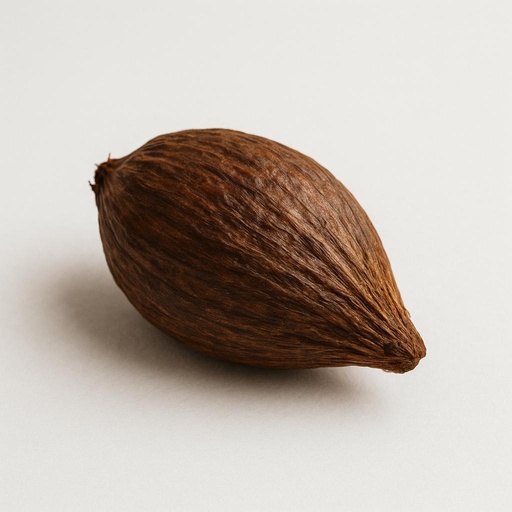
베트남 팜씨 껍질 공급업체 및 가격 — 마켓 오버뷰 2026
최종 업데이트
2026-10-08
서치 및 소싱 팀을 위한 핵심 요약
- 베트남에 대한 샘플 수출 거래 5건이 요약되어 있습니다.
- 베트남의 팜씨 껍질에 대해 수출 파트너 기업 32개와 수입 파트너 기업 33개가 매핑되어 있습니다.
- 페이지 데이터 최종 업데이트일: 2026-10-08.
베트남 내 팜씨 껍질 수출 공급업체 인텔리전스, 가격 추이 및 무역 흐름
베트남의 팜씨 껍질에 대해 수출 파트너 기업 32개가 추적됩니다. Supply Chain Intelligence 회사 프로필 및 분석으로 수출업체 커버리지, 파트너 품질, 경로 우선순위를 검증하세요.
베트남에서의 팜씨 껍질 수출 인텔리전스를 확인하세요. 샘플 공급업체 거래 5건, 월간 단가 범위, HS 코드 -의 파트너 국가 무역 흐름 패턴을 포함합니다.
스캐터 포인트는 전체 거래 데이터셋의 25.0%에서 샘플링되었습니다. 각 점은 실제 거래입니다. 가입하고 확인해 보세요 — 적정한 거래였는지 AI에게 물어볼 수도 있습니다.
팜씨 껍질의 베트남 샘플 수출 공급업체 거래 기록
베트남의 팜씨 껍질 샘플 거래 5건에는 수출 가격과 공급업체 거래 패턴 벤치마킹을 위한 날짜, 원산지, 파트너 국가 맥락이 포함됩니다.
베트남의 팜씨 껍질 샘플 거래 단가(일자별): 2026-01-20: 0.25 USD / kg, 2026-01-13: 0.27 USD / kg, 2026-01-12: 0.25 USD / kg, 2026-01-08: 0.07 USD / kg, 2026-01-01: 0.31 USD / kg.
| 일자 | 신고 품목 | 단가 | 수출업체 | 수입업체 | |
|---|---|---|---|---|---|
| 2026-01-20 | COC**** ***** ****** ********** ******** ** ******** *** ************* | 0.25 USD / kg | (베트남) | (태국) | |
| 2026-01-13 | COC**** ***** ****** ********** ******** ** ******** *** ************* | 0.27 USD / kg | (베트남) | (태국) | |
| 2026-01-12 | COC**** ***** ****** ********** ******** ** ******** *** ************* | 0.25 USD / kg | (베트남) | (태국) | |
| 2026-01-08 | Coc**** ***** *** ************* ** *** * ***** *** ******* **** ******* * **** ***** *********** | 0.07 USD / kg | (베트남) | (중국) | |
| 2026-01-01 | COC**** ***** ****** ********** ******** ** ******** *** ************* | 0.31 USD / kg | (베트남) | (태국) |
이 5건은 샘플입니다 — 트릿지에 가입하고 베트남 팜씨 껍질 거래를 확인하세요
필요한 거래의 수출·수입업체와 가격을 확인하고, 적정한 거래였는지 AI에게 묻고, AI Curation으로 만들어 보세요.
베트남 내 상위 팜씨 껍질 수출 공급업체 및 기업
선도 수출업체 프로필을 검토하고 베트남의 팜씨 껍질에 대해 추적되는 전체 수출 파트너 기업 32개와 비교하세요. Supply Chain Intelligence 회사 프로필 및 분석으로 소싱 및 수출 파트너를 더 빠르게 선별할 수 있습니다.
(베트남)
최근 수출 거래: 2026-09-08
산업군: 축산, 작물 생산, 식품 제조
밸류체인 역할: 유통 / 도매, 무역
(베트남)
최근 수출 거래: 2026-09-08
임직원 규모: 직원 1000명 초과
산업군: 식품 제조
밸류체인 역할: 유통 / 도매, 농업 / 생산 / 가공 / 포장, 식품 제조
(베트남)
최근 수출 거래: 2026-09-08
임직원 규모: 직원 1000명 초과
산업군: 축산, 식품 제조, 기타
밸류체인 역할: 유통 / 도매, 농업 / 생산 / 가공 / 포장, 식품 제조, 기타
(베트남)
최근 수출 거래: 2026-09-08
임직원 규모: 직원 1000명 초과
산업군: 축산, 식품 제조, 식품 포장, 식음료 서비스업
밸류체인 역할: 유통 / 도매, 농업 / 생산 / 가공 / 포장, 식품 제조
(베트남)
최근 수출 거래: 2026-09-08
임직원 규모: 직원 1000명 초과
매출액: 매출 USD 1B 초과
산업군: 축산, 식품 제조, 식음료 서비스업
밸류체인 역할: 유통 / 도매, 농업 / 생산 / 가공 / 포장, 식품 제조
(베트남)
최근 수출 거래: 2026-09-08
산업군: 식품 제조
밸류체인 역할: 유통 / 도매, 무역
트릿지 아이에서 전체 그림 보기: 가격·거래 전체 이력 · 725,009+ 기업 프로필
베트남 수출 파트너 커버리지
32개 기업
총 수출 파트너 기업 수는 베트남의 팜씨 껍질 수출 네트워크 깊이를 보여주는 핵심 신호입니다.
수출업체와 수입업체는 공급망 인텔리전스 기업 프로필 및 분석을 열어 베트남 내 팜씨 껍질 파트너 집중도, 공급 역량 시그널, 무역 관련성을 평가할 수 있습니다.
소싱 진단
베트남산 팜씨 껍질, 우리도 들여올 수 있을까요?
필요한 스펙과 물량만 알려주세요. 실제로 소싱이 되는지, 어떤 원산지와 공급사가 맞는지 짚어드려요.
무료 진단, 계정 없이 이용 가능합니다.
베트남의 팜씨 껍질 수입 바이어 인텔리전스 및 가격 시그널: 바이어, 수요, 거래 파트너
베트남의 팜씨 껍질에 대해 수입 파트너 기업 33개가 추적됩니다. 수출업체와 수입업체는 Supply Chain Intelligence 회사 프로필 및 분석을 활용해 바이어 수요, 파트너 밀도, 다운스트림 채널을 분석할 수 있습니다.
스캐터 포인트는 전체 거래 데이터셋의 70.4%에서 샘플링되었습니다. 각 점은 실제 거래입니다. 가입하고 확인해 보세요 — 적정한 거래였는지 AI에게 물어볼 수도 있습니다.
팜씨 껍질의 베트남 샘플 수입 거래 및 가격 기록
베트남의 팜씨 껍질 샘플 수입 거래 5건은 가격 수준과 수요 측 거래 패턴 벤치마킹을 위한 날짜, 원산지, 무역 국가 맥락을 제공합니다.
베트남의 팜씨 껍질 샘플 수입 거래 단가(일자별): 2026-01-03: 0.16 USD / kg, 2025-12-31: 0.15 USD / kg, 2025-12-31: 0.15 USD / kg, 2025-12-30: 0.64 USD / kg, 2025-12-29: 0.15 USD / kg.
| 일자 | 신고 품목 | 단가 | 수출업체 | 수입업체 | 원산지 | |
|---|---|---|---|---|---|---|
| 2026-01-03 | Dry **** **** **** ****** **************** ******* *** ********* *** ********** ** ****** ***** ***** ** ******** ************************* ****** ************** ******** *** ***** **** ******* **** ***** *** | 0.16 USD / kg | (-) | (-) | - | |
| 2025-12-31 | Dry **** *** * **** ****** ************ ** *** ******** *** ****** ********* ******* *** ********** *** ************ *** ******* *** ** ***** *** *************** *** ************** ** *** ****** **** ***** *** | 0.15 USD / kg | (-) | (-) | - | |
| 2025-12-31 | Dry **** *** * **** ****** ************ ** *** ******** *** ****** ********* ******* *** ********** *** ************ *** ******* *** ** ***** *** *************** *** ************** ** *** ****** **** ***** *** | 0.15 USD / kg | (-) | (-) | - | |
| 2025-12-30 | She** ******* **** **** ******** **** *** ********* *********** ******** ****** *** ******* ********* *** ********* *** **** ** **** *** **************** | 0.64 USD / kg | (-) | (-) | - | |
| 2025-12-29 | Dry **** *** * **** ****** ********* ** ** *** ********* *** ********** ** ****** ***** ****** ******* ******** ****** ***** ****** *********** ****** ******* ****** *** ****** **** ***** *** | 0.15 USD / kg | (-) | (-) | - |
이 5건은 샘플입니다 — 트릿지에 가입하고 베트남 팜씨 껍질 거래를 확인하세요
필요한 거래의 수출·수입업체와 가격을 확인하고, 적정한 거래였는지 AI에게 묻고, AI Curation으로 만들어 보세요.
베트남 내 상위 팜씨 껍질 바이어, 수입업체 및 수요 파트너
선도 바이어 프로필을 검토하고 베트남의 팜씨 껍질에 대해 추적되는 전체 수입 파트너 기업 33개와 비교하세요. 수출업체와 수입업체는 Supply Chain Intelligence 회사 프로필 및 분석으로 수요 측 파트너 적합도를 평가할 수 있습니다.
(베트남)
최근 수입 거래: 2026-09-08
산업군: 음료 제조, 식품 제조, 식품 포장
밸류체인 역할: 유통 / 도매, 농업 / 생산 / 가공 / 포장, 물류
(베트남)
최근 수입 거래: 2026-09-08
산업군: 기타
밸류체인 역할: 무역
(베트남)
최근 수입 거래: 2025-12-31
최근 수입 파트너 기업: 1
임직원 규모: 직원 11 - 50명
매출액: 매출 USD 1M - 5M
산업군: 기타
밸류체인 역할: 무역
(베트남)
최근 수입 거래: 2026-09-08
산업군: 음료 제조, 브로커 및 무역 대행, 식품 제조, 식품 포장
밸류체인 역할: 유통 / 도매, 농업 / 생산 / 가공 / 포장, 식품 제조, 무역
(베트남)
최근 수입 거래: 2026-09-08
산업군: 작물 생산, 식품 제조, 식품 도매
밸류체인 역할: 유통 / 도매, 농업 / 생산 / 가공 / 포장, 식품 제조
(베트남)
최근 수입 거래: 2026-09-08
산업군: 식품 도매, 기타
밸류체인 역할: 유통 / 도매, 물류
트릿지 아이에서 전체 그림 보기: 가격·거래 전체 이력 · 725,009+ 기업 프로필
베트남 수입 파트너 커버리지
33개 기업
수입 파트너 기업 수는 베트남의 팜씨 껍질 수요 측 가시성을 보여줍니다.
공급망 인텔리전스 분석과 기업 프로필을 활용해 베트남에서 활동 중인 팜씨 껍질 수입업체, 유통업체, 바이어 네트워크를 식별하세요.
수출 진단
우리 팜씨 껍질, 이 베트남 바이어들에게 팔 수 있을까요?
만드시는 제품만 알려주시면 됩니다. 지금 수출할 준비가 됐는지, 어느 시장이 맞는지 봐드려요.
무료 진단, 계정 없이 이용 가능합니다.
가격 데이터
베트남 팜씨 껍질 가격, 어디까지 필요하세요?
전체 가격 히스토리와 경쟁사 벤치마크를 열어드립니다. 어떤 숫자가 필요하신지만 말씀해 주시면 함께 살펴봐 드려요.
Classification
Product TypeByproduct
Product FormDry bulk solid
Industry PositionAgro-industrial residue used as biomass fuel feedstock
Market
Palm kernel shell (PKS) in Vietnam is primarily relevant as an imported solid biomass fuel feedstock for industrial heat and biomass power generation. Vietnam’s policy framework includes support mechanisms for grid-connected biomass power projects (including feed-in tariff provisions), which can underpin demand for eligible biomass fuels. PKS supply is typically linked to palm oil milling value chains concentrated outside Vietnam, so availability in Vietnam is driven by import logistics rather than domestic harvest seasons. Sustainability and labor-risk scrutiny associated with the broader palm oil sector can affect procurement requirements and buyer acceptance for PKS-linked supply chains.
Market RoleImport-dependent industrial biomass fuel market
Domestic RoleSupplemental biomass fuel option for industrial boilers/CHP and biomass power projects alongside domestic residues (e.g., rice husk, wood residues) where available
Market GrowthGrowing (medium-term outlook)policy-supported expansion of biomass power and industrial fuel switching, with fuel choice influenced by delivered cost and sustainability screening
SeasonalityMarket availability is generally year-round, with supply timing shaped by import scheduling and upstream palm oil milling output rather than Vietnam-specific crop seasonality.
Specification
Physical Attributes
- Hard shell fragments used as solid fuel; buyers typically screen for contaminant/foreign matter risk (e.g., stones, excessive fines) to protect boiler performance
Compositional Metrics
- Procurement specifications commonly focus on moisture, ash, and energy content (calorific value) for combustion performance
Grades
- Industrial-biomass fuel specifications (contract-defined) rather than consumer-grade standards
Packaging
- Bulk (loose) or jumbo-bag/containerized shipments are commonly used in international PKS trade; Vietnam receipt format depends on importer logistics and end-user storage/feeding systems
Supply Chain
Value Chain
- Upstream palm oil mill byproduct generation (outside Vietnam) → screening/drying and stockpiling near export port → sea freight → Vietnam port clearance (customs + plant quarantine where applicable) → importer stockyard → delivery to biomass power plant / industrial boiler user
Shelf Life
- Low perishability compared with food commodities, but fuel quality can degrade through moisture uptake and contamination during humid storage and handling
Freight IntensityHigh
Transport ModeSea
Risks
Regulatory Compliance HighImport clearance can be blocked or delayed if Vietnam plant quarantine requirements for plant/plant-product consignments are not met (e.g., missing or non-conforming plant quarantine/phytosanitary certification, or detection of regulated quarantine pests requiring treatment or refusal).Confirm the declared HS code and whether the shipment is subject to plant quarantine; secure exporter-issued phytosanitary/plant quarantine documentation where required, pre-screen for contamination/pests, and align treatment/fumigation plans with Vietnam border inspection procedures before shipment.
Sustainability HighPalm-linked deforestation and peatland-conversion concerns can trigger buyer/financier exclusion of PKS supply chains or require enhanced due diligence; reputational exposure is elevated because PKS is an upstream byproduct of the palm oil sector.Implement no-deforestation due diligence and supplier screening; request mill-level origin data and credible certification/verification where available; document chain-of-custody and grievance mechanisms.
Labor And Human Rights MediumChild labor and forced labor risks have been documented in parts of the upstream palm supply chain in major producing countries, creating compliance and reputational risk for Vietnam importers and end-users.Require supplier labor-risk due diligence (audits, grievance channels, remediation plans) and prioritize verified supply chains with transparent sourcing and worker-protection controls.
Logistics MediumOcean freight volatility and port handling constraints can materially impact delivered PKS economics and reliability, increasing the risk of fuel-supply shortfalls for continuous-operation boilers and biomass power plants.Contract for buffer stock, diversify origin/load ports, include freight-adjustment clauses, and maintain qualified alternative biomass fuels where technically feasible.
Policy MediumChanges in Vietnam biomass power support mechanisms and power-planning implementation priorities can alter the pipeline economics for biomass projects and thus demand for imported biomass fuels including PKS.Track MOIT/Prime Minister decisions affecting biomass power (FiT and planning updates), structure fuel supply contracts with demand flexibility, and avoid single-offtaker concentration.
Sustainability
- Deforestation and peatland conversion risks associated with the broader palm oil sector upstream of PKS generation
- Reputational and buyer due diligence scrutiny for palm-linked biomass supply chains (origin transparency, no-deforestation expectations)
- GHG accounting and sustainability eligibility risk for biomass fuels depending on project financier/offtaker standards
Labor & Social
- Child labor and forced labor risks documented in parts of the upstream palm supply chain (not Vietnam-specific production, but relevant for Vietnam buyers sourcing PKS from major producing countries)
- Migrant-worker vulnerability and weak grievance mechanisms in plantation-linked supply chains can trigger buyer exclusions and enhanced audit requirements
FAQ
Which HS code is commonly used for palm kernel shells when importing into Vietnam?Palm kernel shells are commonly mapped under HS 1404.90.91 in Vietnam HS code tables used for specialized export/import management. The final HS declaration should be confirmed with the importer’s customs broker and any relevant regulator guidance for the intended end use.
Can plant quarantine requirements affect imports of palm kernel shell into Vietnam?Yes. Vietnam’s plant quarantine framework sets conditions for importing plants and plant products, including requirements for certification by competent authorities in the exporting country and inspections at the first border gate. If documentation is missing or regulated pests/contamination are found, shipments can be delayed, treated, or refused depending on the case.
What are the main sustainability and labor concerns buyers associate with PKS supply chains?Although PKS is a byproduct, it is linked to the palm oil sector, which is widely associated with deforestation and peatland impacts when produced irresponsibly. Labor risks, including documented child labor and forced labor issues in parts of the upstream palm supply chain in major producing countries, can trigger enhanced due diligence requirements or buyer exclusions.
Sources


수출·소싱 진단
베트남 팜씨 껍질, 사는 쪽이세요 파는 쪽이세요?
어느 쪽이든 몇 가지만 답해주시면 됩니다. 어디서 살 수 있는지, 누구에게 팔 수 있는지 정리해서 보내드릴게요.
무료 진단, 계정 없이 이용 가능합니다.
'쿠키 허용'을 클릭하면 통계 및 개인 선호도 산출을 위한 쿠키 제공에 동의하게 됩니다.
개인정보 보호정책에서 쿠키에 대한 자세한 내용을 확인할 수 있습니다.