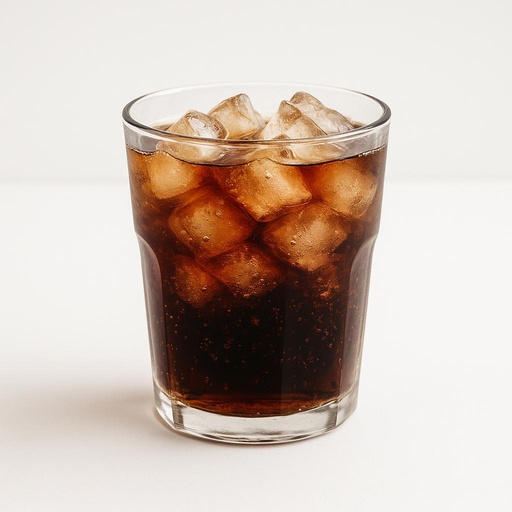
가나 청량 음료 공급업체 및 가격 — 마켓 오버뷰 2026
원재료
구연산, 옥수수 시럽, 소다수, 벤조산나트륨, +1
HS 코드
220210
최종 업데이트
2026-11-08
서치 및 소싱 팀을 위한 핵심 요약
- 가나에 대한 샘플 수출 거래 5건이 요약되어 있습니다.
- 가나의 청량 음료에 대해 수출 파트너 기업(제조사 포함) 13개와 수입 파트너 기업 16개가 매핑되어 있습니다.
- 페이지 데이터 최종 업데이트일: 2026-11-08.
가나의 청량 음료 수출 공급업체·제조사 인텔리전스, 가격 동향, 무역 흐름
가나의 청량 음료에 대해 수출 파트너 기업 13개가 추적됩니다. Supply Chain Intelligence 회사 프로필 및 분석으로 수출업체 커버리지, 파트너 품질, 경로 우선순위를 검증하세요.
가나에서의 청량 음료 수출 인텔리전스를 확인하세요. 샘플 공급업체 거래 5건, 월간 단가 범위, HS 코드 220210의 파트너 국가 무역 흐름 패턴을 포함합니다.
스캐터 포인트는 전체 거래 데이터셋의 32.9%에서 샘플링되었습니다. 점 하나하나가 실제 거래입니다 — 클릭해서 상세 정보를 보고, 적정한 거래였는지 AI Chat에 물어보세요.
가나의 청량 음료 샘플 수출 공급업체·제조사 거래 기록
가나의 청량 음료 샘플 거래 5건에는 수출 가격과 공급업체 거래 패턴 벤치마킹을 위한 날짜, 원산지, 파트너 국가 맥락이 포함됩니다.
가나의 청량 음료 샘플 거래 단가(일자별): 2026-08-25: 16.86 USD / kg, 2026-08-24: 0.13 USD / kg, 2026-08-15: 12.44 USD / kg, 2026-07-28: 6.08 USD / kg, 2026-07-27: 10.23 USD / kg.
| 일자 | 신고 품목 | 단가 | 수출업체 | 수입업체 | |
|---|---|---|---|---|---|
| 2026-08-25 | Unknown Product | 16.86 USD / kg | (가나) | (코트디부아르) | |
| 2026-08-24 | Unknown Product | 0.13 USD / kg | (가나) | (코트디부아르) | |
| 2026-08-15 | Unknown Product | 12.44 USD / kg | (가나) | (코트디부아르) | |
| 2026-07-28 | Unknown Product | 6.08 USD / kg | (가나) | (코트디부아르) | |
| 2026-07-27 | Unknown Product | 10.23 USD / kg | (가나) | (코트디부아르) |
가나의 청량 음료 선적 내역과 가격 보기
무료 계정으로 Tridge Eye에서 전체 시장을 열어 보세요
가입 후 기업 인증을 하세요 — 신규 인증 회사는 Tridge Eye Business를 무료로 체험할 수 있습니다.
가나의 상위 청량 음료 수출 공급업체, 제조사 및 기업
선도 수출업체 프로필을 검토하고 가나의 청량 음료에 대해 추적되는 전체 수출 파트너 기업 13개와 비교하세요. Supply Chain Intelligence 회사 프로필 및 분석으로 소싱 및 수출 파트너를 더 빠르게 선별할 수 있습니다.
(가나)
최근 수출 거래: 2026-10-08
산업군: 음료 제조, 식품 제조
밸류체인 역할: 유통 / 도매, 무역
(가나)
최근 수출 거래: 2026-10-08
산업군: 음료 제조, 식음료 서비스업, 식품 도매, 주류 판매점
밸류체인 역할: 무역
(가나)
최근 수출 거래: 2026-04-22
최근 수출 파트너 기업: 1
임직원 규모: 직원 101 - 500명
산업군: 식음료 서비스업, 기타
밸류체인 역할: 무역
(가나)
최근 수출 거래: 2026-10-08
임직원 규모: 직원 1000명 초과
매출액: 매출 USD 500M - 1B
산업군: 식품 제조, 식음료 서비스업, 식품 도매, 기타
밸류체인 역할: 유통 / 도매, 식품 제조, 소매
(가나)
최근 수출 거래: 2026-10-08
임직원 규모: 직원 101 - 500명
산업군: 음료 제조, 식품 제조
밸류체인 역할: 유통 / 도매, 식품 제조
(가나)
최근 수출 거래: 2026-10-08
산업군: 기타
밸류체인 역할: 유통 / 도매
트릿지 아이에서 전체 그림 보기: 가격·거래 전체 이력 · 725,009+ 기업 프로필
가나 수출 파트너 커버리지
13개 기업
총 수출 파트너 기업 수는 가나의 청량 음료 수출 네트워크 깊이를 보여주는 핵심 신호입니다.
수출업체와 수입업체는 공급망 인텔리전스 기업 프로필 및 분석을 열어 가나 내 청량 음료 파트너 집중도, 공급 역량 시그널, 무역 관련성을 평가할 수 있습니다.
Tridge Ark · 수입 가능성 진단
가나산 청량 음료, 우리도 들여올 수 있을까요?
필요한 스펙과 물량만 알려주세요. 실제로 소싱이 되는지, 어떤 원산지와 공급사가 맞는지 짚어드려요.
무료 가능성 진단은 가입 없이 받을 수 있습니다.
가나의 청량 음료 수입 바이어 인텔리전스 및 가격 시그널: 바이어, 수요, 거래 파트너
가나의 청량 음료에 대해 수입 파트너 기업 16개가 추적됩니다. 수출업체와 수입업체는 Supply Chain Intelligence 회사 프로필 및 분석을 활용해 바이어 수요, 파트너 밀도, 다운스트림 채널을 분석할 수 있습니다.
스캐터 포인트는 전체 거래 데이터셋의 3.6%에서 샘플링되었습니다. 점 하나하나가 실제 거래입니다 — 클릭해서 상세 정보를 보고, 적정한 거래였는지 AI Chat에 물어보세요.
청량 음료의 가나 샘플 수입 거래 및 가격 기록
가나의 청량 음료 샘플 수입 거래 5건은 가격 수준과 수요 측 거래 패턴 벤치마킹을 위한 날짜, 원산지, 무역 국가 맥락을 제공합니다.
가나의 청량 음료 샘플 수입 거래 단가(일자별): 2026-04-17: 0.58 USD / kg, 2026-04-16: 0.50 USD / kg, 2026-04-14: 0.58 USD / kg, 2026-04-13: 1.94 USD / kg, 2026-04-04: 1.29 USD / kg.
| 일자 | 신고 품목 | 단가 | 수출업체 | 수입업체 | 원산지 | |
|---|---|---|---|---|---|---|
| 2026-04-17 | E. ****** ******** *** *** ***** ****** ** | 0.58 USD / kg | (-) | (-) | - | |
| 2026-04-16 | E. *** *** *** ***** ****** | 0.50 USD / kg | (-) | (-) | - | |
| 2026-04-14 | 400 **** * ** *** * ***** **** ***** | 0.58 USD / kg | (-) | (-) | - | |
| 2026-04-13 | 35 **** * ** *** * *** ** **** ***** | 1.94 USD / kg | (-) | (-) | - | |
| 2026-04-04 | 10 **** * ** *** * ***** ******** **** ***** | 1.29 USD / kg | (-) | (-) | - |
가나의 청량 음료 선적 내역과 가격 보기
무료 계정으로 Tridge Eye에서 전체 시장을 열어 보세요
가입 후 기업 인증을 하세요 — 신규 인증 회사는 Tridge Eye Business를 무료로 체험할 수 있습니다.
가나 내 상위 청량 음료 바이어, 수입업체 및 수요 파트너
선도 바이어 프로필을 검토하고 가나의 청량 음료에 대해 추적되는 전체 수입 파트너 기업 16개와 비교하세요. 수출업체와 수입업체는 Supply Chain Intelligence 회사 프로필 및 분석으로 수요 측 파트너 적합도를 평가할 수 있습니다.
(가나)
최근 수입 거래: 2026-10-08
산업군: 음료 제조, 작물 생산, 식품 제조
밸류체인 역할: 농업 / 생산 / 가공 / 포장, 식품 제조, 무역
(가나)
최근 수입 거래: 2026-10-08
임직원 규모: 직원 101 - 500명
산업군: 음료 제조, 식품 제조, 식품 포장
밸류체인 역할: 유통 / 도매, 식품 제조, 소매
(가나)
최근 수입 거래: 2026-10-08
산업군: 음료 제조, 식품 제조, 식품 포장
밸류체인 역할: 유통 / 도매, 농업 / 생산 / 가공 / 포장, 식품 제조
(가나)
최근 수입 거래: 2026-10-08
임직원 규모: 직원 1000명 초과
산업군: 주류 도매, 주류 제조, 음료 제조
밸류체인 역할: 유통 / 도매, 식품 제조, 무역
(가나)
최근 수입 거래: 2026-10-08
임직원 규모: 직원 101 - 500명
산업군: 음료 제조, 식품 제조, 기타
밸류체인 역할: 유통 / 도매, 식품 제조, 기타
(가나)
최근 수입 거래: 2026-10-08
산업군: 기타
밸류체인 역할: 무역
트릿지 아이에서 전체 그림 보기: 가격·거래 전체 이력 · 725,009+ 기업 프로필
가나 수입 파트너 커버리지
16개 기업
수입 파트너 기업 수는 가나의 청량 음료 수요 측 가시성을 보여줍니다.
공급망 인텔리전스 분석과 기업 프로필을 활용해 가나에서 활동 중인 청량 음료 수입업체, 유통업체, 바이어 네트워크를 식별하세요.
Tridge Ark · 수출 가능성 진단
우리 청량 음료, 이 가나 바이어들에게 팔 수 있을까요?
만드시는 제품만 알려주시면 됩니다. 지금 수출할 준비가 됐는지, 어느 시장이 맞는지 봐드려요.
무료 가능성 진단은 가입 없이 받을 수 있습니다.
Classification
Product TypeProcessed Food
Product FormPackaged (bottled/canned) beverage
Industry PositionConsumer Packaged Beverage
Market
Soft drinks in Ghana are a high-frequency consumer packaged beverage category supplied by a mix of local manufacturers/bottlers and imported finished products. Market access is strongly compliance-driven: Ghana FDA regulates imports/exports and states zero tolerance for unregistered products at ports of entry. Labelling compliance (English, mandatory label elements) is a practical gatekeeper for clearance and distribution. Because finished soft drinks are bulky relative to unit value, ocean freight and port-side delays can materially affect landed cost, reinforcing the importance of in-country bottling and efficient distribution.
Market RoleDomestic consumer market with significant local bottling/manufacturing and supplementary imports
Domestic RoleMainstream packaged beverage category for domestic consumption across multiple price tiers and brand portfolios.
Specification
Compositional Metrics
- Nutrition information and claims on labels should be supportable with documentary evidence where presented (per FDA general labelling requirements summary).
Packaging
- Labelling must be in English and be legible/indelible.
- Core label elements expected for pre-packaged foods include: product name (brand and generic), net content, ingredients (specific names and/or E-numbers), manufacture date, best-before/use-by (where applicable), batch/lot number, country of origin, and manufacturer/agent name and full address.
- Storage/handling instructions and directions for use should be provided where applicable.
Supply Chain
Value Chain
- Manufacturer/bottler (local or foreign) → (if imported) sea freight → Ghana port entry → GRA Customs clearance with IDF and supporting documents → FDA/GSA controls as applicable → importer/distributor → wholesale/retail
Shelf Life
- Best-before/use-by (where applicable) and batch/lot identification are labelling elements that support shelf-life management and traceability in distribution.
Freight IntensityHigh
Transport ModeSea
Risks
Regulatory Compliance HighGhana FDA states zero tolerance for the importation of unregistered products and enforces import controls at ports of entry; non-registered soft drinks can be stopped, detained, or refused entry, disrupting the trade entirely.Complete Ghana FDA product registration and confirm port-control requirements and label compliance before shipment; align shipment documents with the importer’s FDA/GSA clearance checklist.
Documentation Gap MediumMissing or inconsistent import documentation (e.g., IDF, attested invoice, packing list, bill of lading, or required agency permits) can delay customs clearance and increase storage/demurrage costs at Ghana ports.Use a licensed customs agent and run a pre-shipment document reconciliation against GRA’s import procedure requirements.
Labeling MediumNon-compliance with Ghana FDA/GSA labelling rules for pre-packaged foods (English labelling, mandatory label elements such as ingredients/E-numbers, net content, dates, batch/lot, origin, and manufacturer address) can result in detention, relabelling requirements, or market-control actions.Perform a label artwork compliance check against Ghana FDA general labelling requirements and GSA General Labelling Rules (L.I. 1541) before printing and production.
Logistics MediumFinished soft drinks have high freight intensity; ocean freight volatility and port-side delays can materially raise landed cost and reduce price competitiveness in Ghana’s mass-market channels.Consider regional/local bottling where feasible, lock in freight/clearance SLAs, and maintain buffer inventory for high-velocity SKUs.
Sustainability
- Packaging waste and circularity expectations (PET lightweighting, collection/recycling initiatives) are increasingly visible in Ghana’s beverage sector communications.
FAQ
What documents are commonly required to clear imported soft drinks into Ghana?GRA Customs lists key clearance documents including the bill of lading/waybill, attested invoice, packing list, an Import Declaration Form (IDF) from the Ministry of Trade, and importer identification (TIN or GhanaCard PIN). Depending on the product, permits from regulatory agencies such as the Ghana FDA and Ghana Standards Authority may also be required.
Can unregistered soft drinks be imported into Ghana?Ghana FDA’s import/export control function states zero tolerance for the importation of unregistered products, and it operates at ports of entry to enforce this. In practice, importing unregistered soft drinks creates a high risk of detention or refusal at the border.
What label elements should imported pre-packaged soft drinks have for Ghana?Ghana FDA and GSA labelling requirements for pre-packaged foods emphasize English labelling and core elements such as the product name, net content, ingredients (specific names and/or E-numbers), manufacture date, best-before/use-by (where applicable), batch/lot number, country of origin, and the manufacturer/agent name and full address, plus storage instructions and directions for use where relevant.
Sources


Tridge Ark · 수출·수입 가능성 진단
가나 청량 음료, 사는 쪽이세요 파는 쪽이세요?
어느 쪽이든 몇 가지만 답해주시면 됩니다. 어디서 살 수 있는지, 누구에게 팔 수 있는지 정리해서 보내드릴게요.
무료 가능성 진단은 가입 없이 받을 수 있습니다.
'쿠키 허용'을 클릭하면 통계 및 개인 선호도 산출을 위한 쿠키 제공에 동의하게 됩니다.
개인정보 보호정책에서 쿠키에 대한 자세한 내용을 확인할 수 있습니다.