일본 비타민 E 공급업체 및 가격 — 마켓 오버뷰 2026
상위 제품
단일 비타민 원료
하위 제품
DL-알파-토코페롤, DL-알파-토코페릴 아세테이트, 토코트리에놀
최종 업데이트
2026-10-29
서치 및 소싱 팀을 위한 핵심 요약
- 일본에 대한 샘플 수출 거래 5건이 요약되어 있습니다.
- 페이지 데이터 최종 업데이트일: 2026-10-29.
일본 내 비타민 E 수출 공급업체 인텔리전스, 가격 추이 및 무역 흐름
일본의 비타민 E에 대해 수출 파트너 기업 2개가 추적됩니다. Supply Chain Intelligence 회사 프로필 및 분석으로 수출업체 커버리지, 파트너 품질, 경로 우선순위를 검증하세요.
일본에서의 비타민 E 수출 인텔리전스를 확인하세요. 샘플 공급업체 거래 5건, 월간 단가 범위, HS 코드 -의 파트너 국가 무역 흐름 패턴을 포함합니다.
스캐터 포인트는 전체 거래 데이터셋의 47.0%에서 샘플링되었습니다. 점 하나하나가 실제 거래입니다 — 클릭해서 상세 정보를 보고, 적정한 거래였는지 AI Chat에 물어보세요.
비타민 E의 일본 샘플 수출 공급업체 거래 기록
일본의 비타민 E 샘플 거래 5건에는 수출 가격과 공급업체 거래 패턴 벤치마킹을 위한 날짜, 원산지, 파트너 국가 맥락이 포함됩니다.
일본의 비타민 E 샘플 거래 단가(일자별): 2026-10-16: 140.10 USD / kg, 2026-08-29: 19.22 USD / kg, 2026-08-19: 99.93 USD / kg, 2026-08-19: 26.52 USD / kg, 2026-08-13: 161.00 USD / kg.
| 일자 | 신고 품목 | 단가 | 수출업체 | 수입업체 | |
|---|---|---|---|---|---|
| 2026-10-16 | [d-********** ****************** ***** ***** | 140.10 USD / kg | (일본) | (대한민국) | |
| 2026-08-29 | VIT***** * | 19.22 USD / kg | (일본) | (미국) | |
| 2026-08-19 | 433********************** ** ******* * ************* ******************* ******* ***** **** ********* ******* ***** ** ******* *** ********* **** ***** *** | 99.93 USD / kg | (일본) | (베트남) | |
| 2026-08-19 | VIT***** * | 26.52 USD / kg | (일본) | (미국) | |
| 2026-08-13 | Vit**** * ***** ***** ******* ******* * ***** **** ********* ******** * *********** ********* * **** ** ******* *** ****** ******** **** ***** *** | 161.00 USD / kg | (일본) | (베트남) |
일본의 비타민 E 선적 내역과 가격 보기
무료 계정으로 Tridge Eye에서 전체 시장을 열어 보세요
가입 후 기업 인증을 하세요 — 신규 인증 회사는 Tridge Eye Business를 무료로 체험할 수 있습니다.
일본 내 상위 비타민 E 수출 공급업체 및 기업
선도 수출업체 프로필을 검토하고 일본의 비타민 E에 대해 추적되는 전체 수출 파트너 기업 2개와 비교하세요. Supply Chain Intelligence 회사 프로필 및 분석으로 소싱 및 수출 파트너를 더 빠르게 선별할 수 있습니다.
(일본)
최근 수출 거래: 2026-07-06
최근 수출 파트너 기업: 2
임직원 규모: 직원 101 - 500명
산업군: 기타
밸류체인 역할: 물류, 무역
(일본)
최근 수출 거래: 2026-09-29
산업군: 기타
밸류체인 역할: 유통 / 도매
트릿지 아이에서 전체 그림 보기: 가격·거래 전체 이력 · 725,009+ 기업 프로필
일본 수출 파트너 커버리지
2개 기업
총 수출 파트너 기업 수는 일본의 비타민 E 수출 네트워크 깊이를 보여주는 핵심 신호입니다.
수출업체와 수입업체는 공급망 인텔리전스 기업 프로필 및 분석을 열어 일본 내 비타민 E 파트너 집중도, 공급 역량 시그널, 무역 관련성을 평가할 수 있습니다.
Tridge Ark · 수입 가능성 진단
일본산 비타민 E, 우리도 들여올 수 있을까요?
필요한 스펙과 물량만 알려주세요. 실제로 소싱이 되는지, 어떤 원산지와 공급사가 맞는지 짚어드려요.
무료 가능성 진단은 가입 없이 받을 수 있습니다.
Tridge Ark · 수출 가능성 진단
우리 비타민 E, 이 일본 바이어들에게 팔 수 있을까요?
만드시는 제품만 알려주시면 됩니다. 지금 수출할 준비가 됐는지, 어느 시장이 맞는지 봐드려요.
무료 가능성 진단은 가입 없이 받을 수 있습니다.
Classification
Product TypeProcessed Food
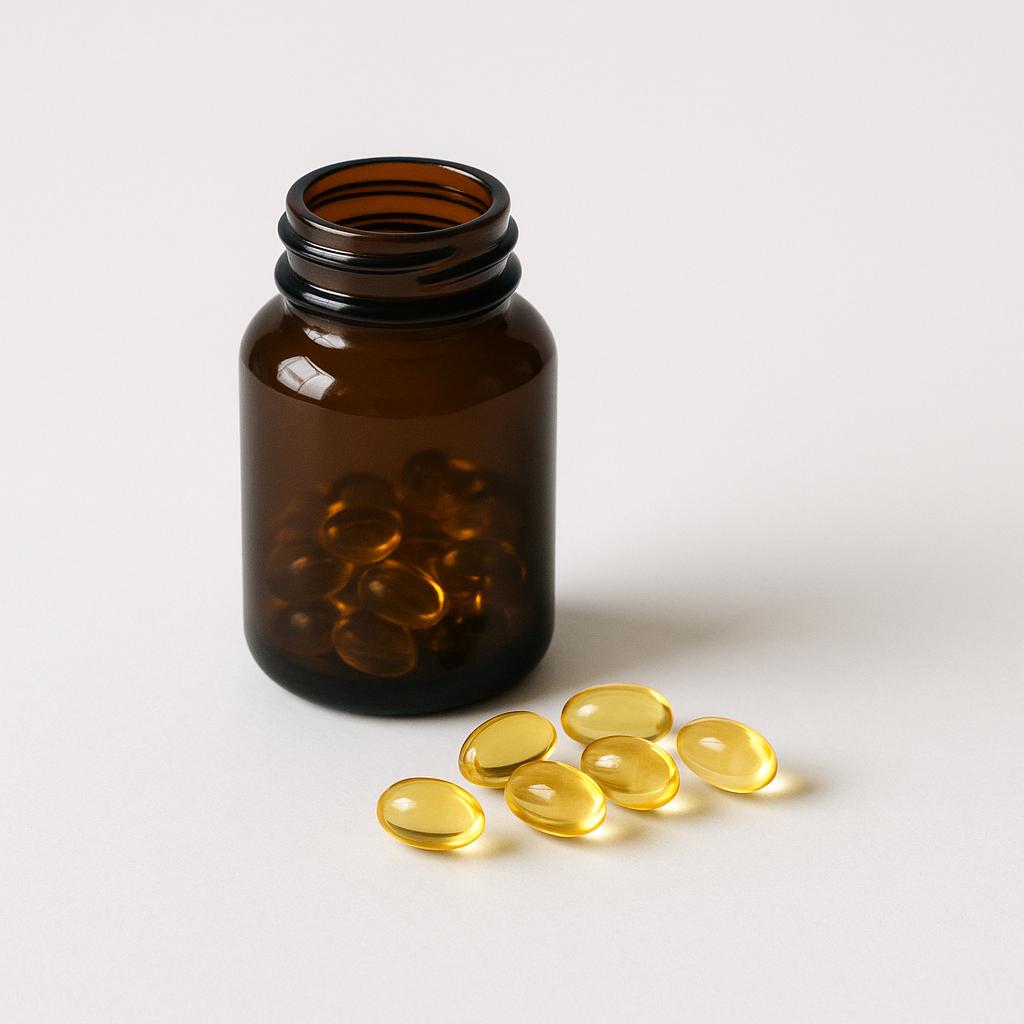
Product FormDietary supplement (vitamin E; typically softgel capsule)
Industry PositionNutraceutical / health food (consumer packaged product)
Market
Vitamin E supplements in Japan are sold as packaged “health foods” and may use regulatory frameworks such as Foods with Nutrient Function Claims (FNFC) and (where applicable) Foods with Function Claims (FFC) for on-pack claims. Vitamin E is one of the nutrients eligible for nutrient function claims, with a specified daily-intake range and prescribed claim/warning elements. For imports intended for sale or business use, Japan requires an import notification under the Food Sanitation Act and conducts document examination/inspection through MHLW quarantine stations. The market includes large domestic brands and retailers, with both imported ingredients and finished products present depending on channel and brand strategy.
Market RoleLarge domestic consumer and supplement-manufacturing market; relies on imported vitamin E ingredients and some imported finished supplements
Domestic RoleCommon single-ingredient and multivitamin supplement category positioned around antioxidant/beauty/healthy-aging benefits within Japan’s food labeling and health-claim frameworks
Specification
Primary VarietyVitamin E (α-tocopherol; natural d-α-tocopherol and/or synthetic forms depending on product)
Secondary Variety
- d-α-tocopherol (natural)
- dl-α-tocopherol (synthetic)
- α-tocopherol acetate
- mixed tocopherols (tocopherol concentrate)
Physical Attributes
- Common finished-product format: oil-filled softgel capsule
- Light/heat exposure can degrade oil-based vitamin E formulations; storage directions commonly emphasize avoiding high temperature, humidity, and direct sunlight
Compositional Metrics
- Vitamin E amount per recommended daily intake (critical for any nutrient-function claim eligibility and for label compliance)
- Carrier oil and capsule-shell composition (e.g., gelatin, glycerin) as declared ingredients on Japanese labels
Packaging
- Bottles or pouches for softgels (common in Japan retail)
- Occasional inclusion of desiccant; packaging typically instructs cool, dry, dark storage (varies by product)
Supply Chain
Value Chain
- Vitamin E ingredient (tocopherol/tocopherol acetate or vitamin E-containing plant oil) sourcing → formulation/blending → softgel encapsulation or tableting → packaging and Japan-compliant labeling → distribution via wholesalers/retail and e-commerce
Temperature
- Avoid high temperature and direct sunlight during storage and distribution to reduce oxidation and quality loss (commonly stated on Japan-market product pages and labeling guidance)
Atmosphere Control
- Minimize oxygen exposure for oil-based formulations during processing and packaging (model inference — no verifiable source)
Shelf Life
- Shelf-life is sensitive to heat/light exposure and repeated opening/closing of consumer packaging; channel handling discipline matters for quality perception (model inference — no verifiable source)
Freight IntensityLow
Transport ModeMultimodal
Risks
Regulatory Compliance HighNon-compliance with Japan’s Food Sanitation Act import process (including failure to submit required import notification for foods/additives intended for sale/business use, or inconsistencies in declared ingredients/manufacturing/additive use) can lead to import failure (e.g., rejection, disposal, or re-shipment) and major commercial disruption.Work with a Japan importer of record early; align product specs, ingredients/additives, manufacturing method, and label drafts; prepare a complete import-notification dossier and COA/test certificates consistent with the Notification Form.
Labeling And Claims MediumIn Japan, nutrient function claims (FNFC) and function claims (FFC) have strict rule sets; over-claiming or missing required warnings/disclosures can trigger enforcement, delisting, or reputational damage.If using FNFC, ensure vitamin E content per recommended daily intake is within the specified range and required warnings are included; if using FFC, submit the required notification to CAA before sale and keep claims aligned to the submitted scientific basis.
Food Safety MediumSupplement-category safety incidents in Japan can increase regulator, retailer, and consumer scrutiny of quality management and advertising; products with weak quality controls may face heightened commercial and compliance risk.Implement robust contaminant and identity testing, retain batch retain-samples, and maintain traceable QC records; consider credible third-party GMP/certification where commercially relevant.
Logistics LowOil-based vitamin E softgels are sensitive to heat and light; poor storage conditions in transit or retail can degrade quality and increase complaints/returns.Use heat-protective packaging and define maximum storage temperatures for distributors; include and enforce channel handling instructions and conduct periodic stability checks.
Sustainability
- If positioning as “natural” vitamin E sourced from vegetable oils (e.g., soy/palm), buyers may request upstream sourcing transparency and sustainability screening for the oil supply chain (model inference — no verifiable source).
Labor & Social
- Quality-management and third-party certification expectations (e.g., health-food GMP programs) can be a commercial requirement in Japan supplement channels; lack of credible GMP systems can be a barrier (model inference — no verifiable source).
Standards
- JHNFA Health Food GMP (GMP Factory Mark / GMP Product Mark) (where pursued by manufacturers)
- ISO 22000 / FSSC 22000 (where implemented by facilities)
- HACCP-based hygiene control programs (where applicable)
FAQ
Can vitamin E supplements in Japan display a nutrient function claim, and what daily intake range applies?Yes. Japan’s Food with Nutrient Function Claims (FNFC) framework includes vitamin E; the vitamin E amount in the product’s recommended daily intake must be within the specified range (2.4–150 mg) and the prescribed function claim and warning indications must be displayed.
Does Japan require government approval before selling a “Food with Function Claim” (FFC) supplement?Under Japan’s FFC system, businesses can display function claims if they submit the required safety and scientific-evidence information to the Consumer Affairs Agency (CAA) before sale. Unlike government-reviewed approval systems, the CAA does not conduct a pre-sale review of the claim and the business operator remains responsible for appropriate labeling based on the scientific evidence.
What is the key regulatory step to import vitamin E supplements into Japan for sale?For foods and related products imported for sale or business use, the importer must submit an import notification (Notification Form for Importation of Foods, etc.) under the Food Sanitation Act to the MHLW quarantine station for the port of entry, and the product cannot be sold for business purposes without this notification process.
Sources


Tridge Ark · 수출·수입 가능성 진단
일본 비타민 E, 사는 쪽이세요 파는 쪽이세요?
어느 쪽이든 몇 가지만 답해주시면 됩니다. 어디서 살 수 있는지, 누구에게 팔 수 있는지 정리해서 보내드릴게요.
무료 가능성 진단은 가입 없이 받을 수 있습니다.
'쿠키 허용'을 클릭하면 통계 및 개인 선호도 산출을 위한 쿠키 제공에 동의하게 됩니다.
개인정보 보호정책에서 쿠키에 대한 자세한 내용을 확인할 수 있습니다.