image
image

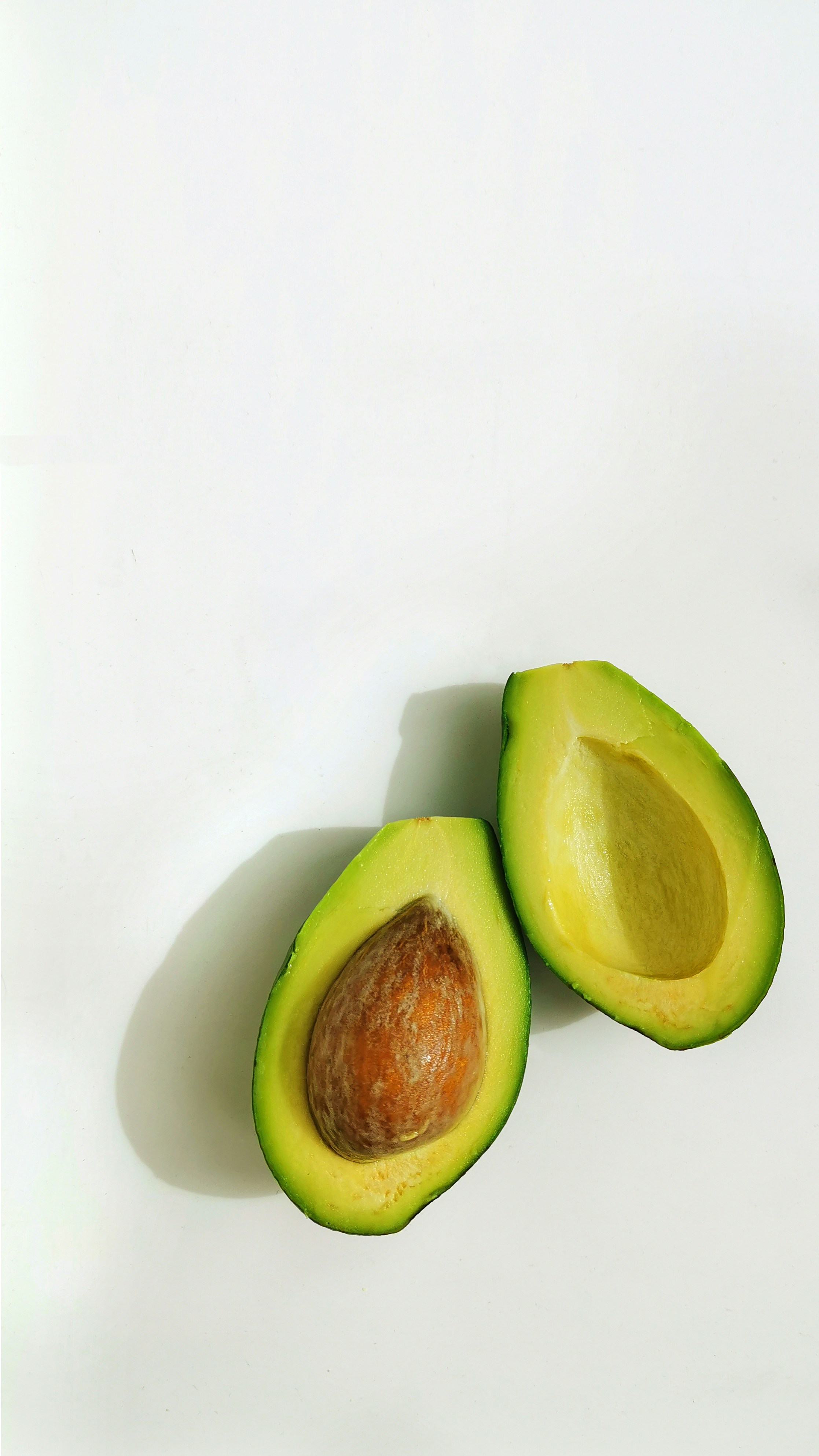
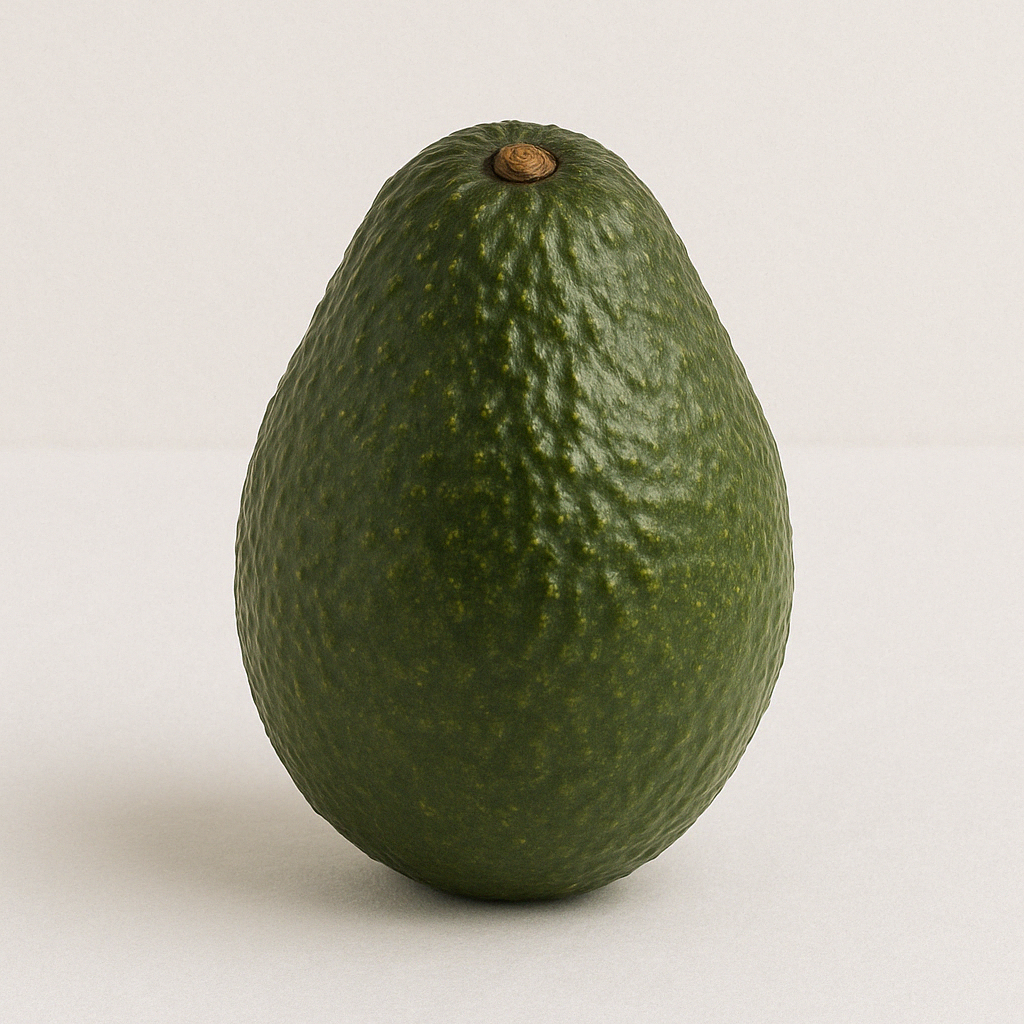
Fresh Avocado from Indonesia

Be the first supplier featured in this market.

Gain exclusive exposure and attract buyers from around the world.

About this market

About

Indonesia is a significant avocado producer, with cultivation deeply rooted in traditional farming systems. Unlike major exporters like Mexico or Colombia, Indonesia’s avocado industry primarily serves domestic demand, where avocados are widely consumed in desserts, smoothies, and local dishes. The country’s tropical climate supports year-round production, making it a consistent supplier for local markets. While exports are limited, there is growing interest in improving post-harvest handling and expanding exports to neighboring countries in Southeast Asia.

History

Avocados have been cultivated in Indonesia for centuries, introduced by Spanish and Portuguese traders in the colonial era. The fruit quickly became integrated into local agricultural systems and diets, with farmers developing unique varieties suited to the tropical environment. Unlike commercial production in Latin America, Indonesia’s avocado industry remained fragmented and small-scale for much of its history. However, in recent years, there has been increased interest in expanding commercial production, particularly for high-value varieties like Hass, which has potential for export.

Production Region

Avocado farming in Indonesia is widely distributed across various islands, with key production regions including:

  • West Java: The leading avocado-producing area, benefiting from volcanic soil and a favorable climate.
  • Sumatra: A major agricultural hub where avocados are often grown alongside coffee and durian.
  • Sulawesi: A developing region for avocado farming, with growing interest in commercial cultivation.
  • Bali & Lombok: Smaller-scale production, primarily for local consumption and tourism markets.

Growing Conditions

Ideal conditions for avocado cultivation in Indonesia include:

  • Climate: Tropical with high humidity, well-suited for year-round production.
  • Temperature: Ranges from 18-28°C, with optimal growth in higher altitudes.
  • Rainfall: Annual precipitation of 1,500-2,500 mm, supplemented by irrigation in drier areas.
  • Soil: Fertile, well-draining volcanic soil with a pH between 5.5 and 6.5.

Harvesting Process

Avocados in Indonesia are typically harvested by hand to minimize damage:

  • Maturity Indicators: Determined by skin color changes and firmness.
  • Hand Picking: Using clippers or poles to prevent bruising.
  • Post-Harvest Handling: Sorting, grading, and packaging are done manually or semi-mechanized.

Cultivation Method

Indonesian avocado farming is largely based on traditional and low-input cultivation practices:

  • Smallholder farming: Most avocado farms are family-run, with trees grown in backyard gardens and mixed agroforestry systems.
  • Minimal chemical inputs: Many farmers rely on organic fertilizers, such as compost and manure, rather than synthetic fertilizers.
  • Intercropping: Avocados are often planted alongside coffee, durian, and other fruit trees to maximize land productivity.
  • Natural irrigation: Many farms depend on rainfall rather than irrigation systems, though some larger farms are beginning to adopt drip irrigation.

Supply Chain

Indonesia’s avocado supply chain consists of smallholder farmers, cooperatives, and emerging commercial plantations:

  • Small Farms: Majority of production is from small-scale growers supplying local markets.
  • Commercial Growers: Increasing presence of structured plantations focused on export.
  • Exporters: Companies working with cooperatives to meet international quality standards.

Local Logistics

Avocados are transported from farms to markets and ports via:

  • Road Transport: Trucks and motorcycles for short-distance transport.
  • Cold Chain Development: Limited but growing infrastructure for temperature-controlled storage.
  • Export Ports: Major seaports include Jakarta (Tanjung Priok) 

Regulations and Certifications

Indonesia is working to align its avocado industry with international standards:

  • GlobalG.A.P. and Organic Certifications: Encouraged for export farms.
  • Phytosanitary Requirements: Ensuring compliance with destination country regulations.
  • Food Safety Standards: Implementation of HACCP in processing facilities.

Quality Standards

Avocados are graded based on:

  • Size and Weight: Standardized for international markets.
  • Skin Appearance: Free from blemishes and uniform ripening.
  • Oil Content and Ripeness: Assessed for export suitability.

Trade Terms

  • Minimum Order Quantity (MOQ): Typically 10-15 metric tons per shipment.
  • Incoterms: FOB (Free on Board), CIF (Cost, Insurance, and Freight), and EXW (Ex Works).
  • Payment Methods: Bank transfers, letters of credit, and escrow payments.

Environmental and Social Impacts

Avocado farming in Indonesia presents both challenges and opportunities:

  • Deforestation Risks: Expansion of plantations into rainforest areas.
  • Water Usage Concerns: Sustainable irrigation practices needed.
  • Smallholder Support: Government and NGO programs aim to improve livelihoods.

Uses

Avocados in Indonesia are consumed in various ways:

  • Fresh Consumption: Blended into smoothies and desserts like "Jus Alpukat."
  • Processed Products: Used in avocado oil and beauty products.
  • Culinary Applications: Increasing adoption in savory dishes and Western-style cuisine.


Harvesting seasonality

As of 2025-12-12, Fresh Avocado from Indonesia is in peak season. Please note that seasonality may vary depending on the variety or region. Refer to the tables below for detailed seasonality information on Fresh Avocado from Indonesia.
Off season
In season
High season
Fresh Avocado from Kabupaten Wonosobo
High season
Jan
Feb
Mar
Apr
May
Jun
Jul
Aug
Sep
Oct
Nov
Dec
Alpukat Hijau (Green Avocado) Fresh Avocado from Kabupaten Bogor
Jan
Feb
Mar
Apr
May
Jun
Jul
Aug
Sep
Oct
Nov
Dec
Alpukat Hijau (Green Avocado) Fresh Avocado from Kabupaten Kediri
Jan
Feb
Mar
Apr
May
Jun
Jul
Aug
Sep
Oct
Nov
Dec
Alpukat Hijau (Green Avocado) Fresh Avocado from Kabupaten Lombok Utara
Jan
Feb
Mar
Apr
May
Jun
Jul
Aug
Sep
Oct
Nov
Dec
Alpukat Hijau (Green Avocado) Fresh Avocado from Kabupaten Magelang
High season
Jan
Feb
Mar
Apr
May
Jun
Jul
Aug
Sep
Oct
Nov
Dec
Alpukat Hijau (Green Avocado) Fresh Avocado from Kabupaten Malang
Jan
Feb
Mar
Apr
May
Jun
Jul
Aug
Sep
Oct
Nov
Dec
Alpukat Hijau (Green Avocado) Fresh Avocado from Kabupaten Sukabumi
High season
Jan
Feb
Mar
Apr
May
Jun
Jul
Aug
Sep
Oct
Nov
Dec
Alpukat Hijau (Green Avocado) Fresh Avocado from Provinsi Bali
Jan
Feb
Mar
Apr
May
Jun
Jul
Aug
Sep
Oct
Nov
Dec
Butter Avocado (Mentega) Fresh Avocado from Kabupaten Bondowoso
Jan
Feb
Mar
Apr
May
Jun
Jul
Aug
Sep
Oct
Nov
Dec
Butter Avocado (Mentega) Fresh Avocado from Kabupaten Garut
Jan
Feb
Mar
Apr
May
Jun
Jul
Aug
Sep
Oct
Nov
Dec
Butter Avocado (Mentega) Fresh Avocado from Kabupaten Jember
Jan
Feb
Mar
Apr
May
Jun
Jul
Aug
Sep
Oct
Nov
Dec
Butter Avocado (Mentega) Fresh Avocado from Kabupaten Temanggung
Jan
Feb
Mar
Apr
May
Jun
Jul
Aug
Sep
Oct
Nov
Dec
Butter Avocado (Mentega) Fresh Avocado from Provinsi Sulawesi Selatan
Jan
Feb
Mar
Apr
May
Jun
Jul
Aug
Sep
Oct
Nov
Dec
Butter Avocado (Mentega) Fresh Avocado from Sulawesi Utara
Jan
Feb
Mar
Apr
May
Jun
Jul
Aug
Sep
Oct
Nov
Dec
Miki Avocado Fresh Avocado from Kabupaten Bogor
High season
Jan
Feb
Mar
Apr
May
Jun
Jul
Aug
Sep
Oct
Nov
Dec
Miki Avocado Fresh Avocado from Kabupaten Malang
Jan
Feb
Mar
Apr
May
Jun
Jul
Aug
Sep
Oct
Nov
Dec
Miki Avocado Fresh Avocado from Kabupaten Semarang
Jan
Feb
Mar
Apr
May
Jun
Jul
Aug
Sep
Oct
Nov
Dec
Miki Avocado Fresh Avocado from Kabupaten Sukabumi
Jan
Feb
Mar
Apr
May
Jun
Jul
Aug
Sep
Oct
Nov
Dec
Miki Avocado Fresh Avocado from Kota Blitar
Jan
Feb
Mar
Apr
May
Jun
Jul
Aug
Sep
Oct
Nov
Dec
Miki Avocado Fresh Avocado from Provinsi Bali
Jan
Feb
Mar
Apr
May
Jun
Jul
Aug
Sep
Oct
Nov
Dec
Miki Avocado Fresh Avocado from Sulawesi Tenggara
Jan
Feb
Mar
Apr
May
Jun
Jul
Aug
Sep
Oct
Nov
Dec

Varieties

Butter Avocado (Mentega)

A locally prized variety with a creamy, high-oil content, often used in drinks and desserts.

Alpukat Hijau (Green Avocado)

A variety with smooth green skin and a mild flavor, commonly consumed fresh.

Miki Avocado

A hybrid variety with a small seed and a rich, buttery texture, gaining popularity in local markets.

Hass

Though not widely grown, Hass avocados are increasingly cultivated for their export potential, particularly to Singapore and Malaysia.

Production of Fresh Avocado in Indonesia

Fresh Avocado is categorized under FAO code 0572 - Avocados, and the data is presented accordingly.

Production overview

In 2023, Indonesia ranked #5 globally for Fresh Avocado production, contributing 8.35% to global output. Indonesia's total production for Fresh Avocado was 874,046.49 metric tons in 2023.

Production trend chart of Indonesia Fresh Avocado

Indonesia's production of Fresh Avocado has increased by 89.35% over the past 5 years, rising from 461,613 metric tons in 2019 to 874,046.49 metric tons in 2023.
The production data for Indonesia Fresh Avocado is collected from the Food and Agriculture Organization of the United Nations (FAO). The data is classified under the FAO code 0572 - Avocados, which represents a specific category within FAO's agricultural production database.
Please note that the FAO code grouping may not exactly align with Fresh Avocado as defined in some markets, as the FAO may group products based on broader categories that include similar products.

Export of Fresh Avocado from Indonesia

Fresh Avocado is categorized under HS code 080440 - Fruit, edible; avocados, fresh or dried, and the data is presented accordingly.

Export overview

As of 2023, Indonesia ranked #65 in global exports of Fresh Avocado. Indonesia accounts for approximately 0% of the total global export value of Fresh Avocado, with an export value of 153,820 USD.
The top countries importing Fresh Avocado from Indonesia include World, Malaysia, Singapore, Hong Kong, Saudi Arabia.

Export trend

Indonesia's export value of Fresh Avocado has increased by 32.36% over the past 5 years, rising from 116,212 USD in 2019 to 153,820 USD in 2023.
The export data for Indonesia Fresh Avocado is sourced from UN Comtrade and official Customs databases of various countries. The data is categorized under the Harmonized System (HS) code 080440 - Fruit, edible; avocados, fresh or dried, which covers a specific classification for Fresh Avocado and related products in international trade.
It's important to note that the HS code classification may not always perfectly match the definition of Fresh Avocado in certain markets, as HS codes often encompass a broader range of similar products.

Verified suppliers

image
image
Fresh Avocado, Raw Common Coffee Bean
Export History: Asia
image
Fresh Avocado, Fresh Mangosteen, Sweet Potato, Fresh Dragon Fruit, Fresh Banana
Export History: Asia, Europe, North America
image
Other Coconut Oil, Fresh Avocado, Maize (Corn), Cashew Nut Kernel, Raw Common Coffee Bean, Vanilla, Whole Clove, Fishmeal, Palm Kernel Shell, Palm Kernel Expeller, Mixed Seasoning, White Peppercorn, Mixed Spices Products, Roasted Coffee Beans
By clicking “Accept Cookies,” I agree to provide cookies for statistical and personalized preference purposes. To learn more about our cookies, please read our Privacy Policy.