이 시장에 대하여
시장 정보
History
Avocado cultivation in Myanmar is relatively new compared to other countries, with the fruit being introduced in the late 20th century. Historically, Myanmar’s agricultural sector focused on crops like rice, pulses, and tea, but in recent years, efforts have been made to diversify crops to include high-value fruits like avocados. The commercial avocado farming industry began to take shape in the 2000s, with smallholder farmers experimenting with avocado varieties suited to the local climate. Myanmar’s avocado production is still in its infancy, but it is expected to grow steadily as the industry receives more attention from both local farmers and exporters.
Production Region
Avocado farming in Myanmar is still in its developmental stages, but the country has several regions with suitable conditions for avocado cultivation:
- Shan State: The primary avocado-producing region, where the high-altitude climate provides ideal conditions for avocado cultivation.
- Sagaing Region: An emerging area with farmers increasingly adopting avocado farming alongside other fruits.
- Yangon Region: The commercial heart of Myanmar, where small-scale farms are beginning to experiment with avocado cultivation due to demand from local markets.
- Magway and Mandalay Regions: Newer avocado-growing areas, where production is limited but has potential for expansion in the coming years.
Growing Conditions
Myanmar’s climate and geography provide ideal conditions for avocado production:
- Climate: Subtropical to temperate in highland regions, suitable for avocado growth.
- Temperature: Ranges from 15-27°C, avoiding extremes that could affect yield.
- Rainfall: 1,000-2,000 mm annually, with supplementary irrigation in drier zones.
- Soil: Well-drained, loamy soil with good organic content and a pH of 5.5-6.5.
Harvesting Process
Myanmar’s avocado harvesting practices are improving with training and better techniques:
- Maturity Indicators: Determined by skin color, firmness, and oil content.
- Hand-Picking: Fruits are harvested manually to avoid damage.
- Post-Harvest Handling: Sorting, grading, and packing are improving but still vary in efficiency across regions.
Cultivation Method
Most avocado farming in Myanmar is still small-scale, relying on traditional and organic farming methods, though modern techniques are being introduced to improve yields and quality:
- Rain-fed farming: The majority of avocado farms depend on natural rainfall, making production vulnerable to climate variability.
- Agroforestry-based cultivation: Many farmers grow avocados alongside other crops such as coffee, citrus, and tea in mixed cropping systems.
- Minimal pesticide use: Traditional farmers often use organic methods, but commercial farms are beginning to adopt Integrated Pest Management (IPM) practices.
- Post-harvest challenges: A lack of cold storage and processing facilities limits Myanmar’s ability to export avocados on a large scale. However, investment in better logistics and quality control is increasing.
- Government support and training: Agricultural extension programs are being developed to educate farmers on improved cultivation techniques, post-harvest handling, and market access.
Supply Chain
Myanmar’s avocado supply chain is developing:
- Smallholder Farmers: The majority of avocado production comes from small farms.
- Cooperatives & Traders: Local cooperatives and middlemen connect farmers with markets.
- Export Potential: Limited but growing, especially to China, Thailand, and India.
Local Logistics
Logistics challenges exist but are improving:
- Road Transport: Primary mode of transportation, often through mountainous regions.
- Cold Storage: Limited infrastructure, but investment is increasing.
- Export Routes: Border trade with China and Thailand is expanding.
Regulations and Certifications
Myanmar is working toward better regulatory frameworks for avocado exports:
- Phytosanitary Regulations: Compliance is necessary for export to key markets.
- Organic Certification: Some initiatives are promoting organic avocado production.
- Government Support: Policies are encouraging improved agricultural practices.
Quality Standards
Myanmar is gradually aligning with international quality standards:
- Size & Weight: Typically varies; grading is inconsistent but improving.
- Skin Appearance: Should be free from major blemishes and pest damage.
- Oil Content & Dry Matter: Important for export-quality avocados, still developing in standardization.
Trade Terms
Common trade practices include:
- Minimum Order Quantity (MOQ): Typically small-scale shipments due to limited infrastructure.
- Incoterms: EXW (Ex Works) and FOB (Free on Board) are common.
- Payment Methods: Direct bank transfers, cash payments in domestic trade.
Environmental and Social Impacts
Myanmar’s avocado industry presents both opportunities and challenges:
- Deforestation Risks: Some areas are converting forest land to avocado farms.
- Water Usage: Concerns about water management in drier regions.
- Livelihood Opportunities: Avocado farming provides income diversification for rural farmers.
- Infrastructure Gaps: Need for better roads, storage, and logistics support.
Uses
Avocados from Myanmar are primarily used for:
- Fresh Consumption: Sold in local markets and consumed raw.
- Processed Products: Some production of avocado oil and cosmetics.
- Culinary Applications: Used in smoothies, salads, and traditional dishes.
Additional Information
- Myanmar’s avocado exports are small but growing, with China and Thailand as key markets.
- Government and private sector initiatives aim to improve avocado quality and export readiness.
- Investments in post-harvest infrastructure could enhance Myanmar’s competitiveness in the regional avocado market.
수확 시기
품종
Hass
The most commercially viable variety, increasingly grown for potential export due to its high oil content and long shelf life.
Fuerte
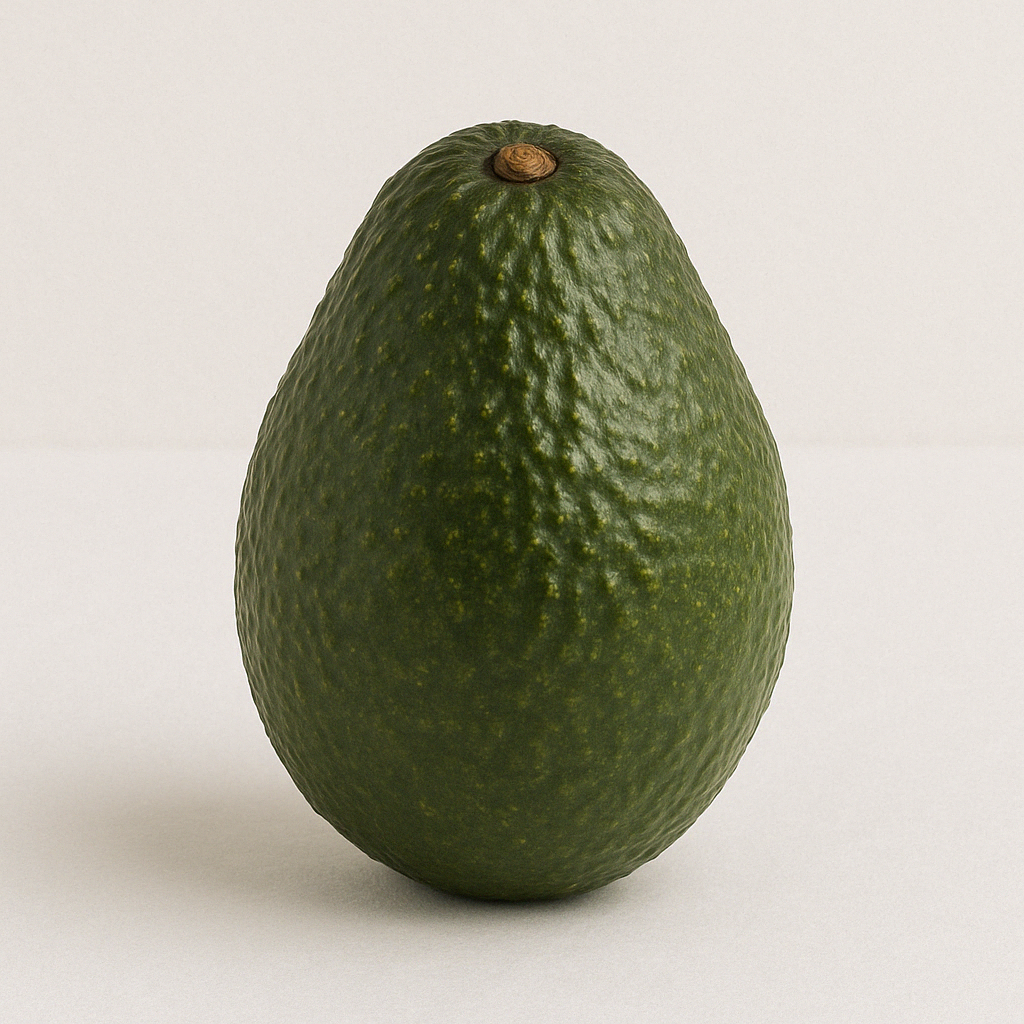
A green-skinned variety commonly consumed domestically and in regional markets.
Beacon
Some farmers experiment with this variety due to their adaptability to Myanmar’s diverse climates.


