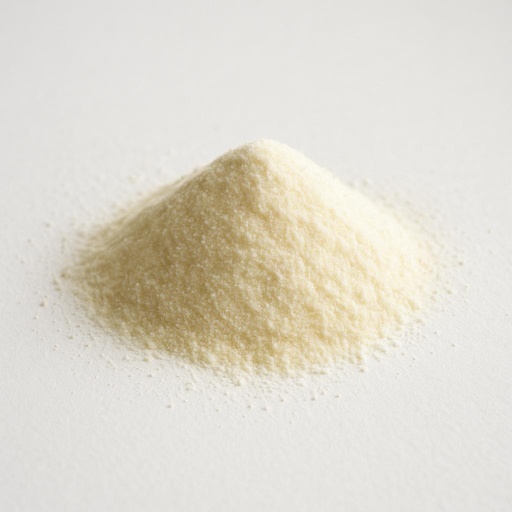
호주 아스코르브산 공급업체 및 가격 — 마켓 오버뷰 2026
상위 제품
비타민 C
파생 제품
블랙커런트 음료, 자두 주스 음료, 장기 보관 과일 음료, 오렌지 과일 컵, +3
최종 업데이트
2026-09-17
서치 및 소싱 팀을 위한 핵심 요약
- 호주에 대한 샘플 수출 거래 5건이 요약되어 있습니다.
- 페이지 데이터 최종 업데이트일: 2026-09-17.
호주 내 아스코르브산 수출 공급업체 인텔리전스, 가격 추이 및 무역 흐름
호주의 아스코르브산에 대해 수출 파트너 기업 1개가 추적됩니다. Supply Chain Intelligence 회사 프로필 및 분석으로 수출업체 커버리지, 파트너 품질, 경로 우선순위를 검증하세요.
호주에서의 아스코르브산 수출 인텔리전스를 확인하세요. 샘플 공급업체 거래 5건, 월간 단가 범위, HS 코드 -의 파트너 국가 무역 흐름 패턴을 포함합니다.
스캐터 포인트는 전체 거래 데이터셋의 100.0%에서 샘플링되었습니다.
아스코르브산의 호주 샘플 수출 공급업체 거래 기록
호주의 아스코르브산 샘플 거래 5건에는 수출 가격과 공급업체 거래 패턴 벤치마킹을 위한 날짜, 원산지, 파트너 국가 맥락이 포함됩니다.
호주의 아스코르브산 샘플 거래 단가(일자별): 2026-07-15: 37.36 USD / kg, 2026-04-22: 38.46 USD / kg, 2025-12-30: 3.98 USD / kg, 2025-12-17: 34.69 USD / kg, 2025-10-27: 76.77 USD / kg.
| 일자 | 신고 품목 | 단가 | 수출업체 | 수입업체 | |
|---|---|---|---|---|---|
| 2026-07-15 | [비타* ** *** * ********* * **** | 37.36 USD / kg | (호주) | (대한민국) | |
| 2026-04-22 | [비타* ** *** * ********* * **** | 38.46 USD / kg | (호주) | (대한민국) | |
| 2025-12-30 | VIT**** * | 3.98 USD / kg | (호주) | (스리랑카) | |
| 2025-12-17 | [비타* ** *** * ********* * **** | 34.69 USD / kg | (호주) | (대한민국) | |
| 2025-10-27 | [비타* ** ** *** ****** ******* * | 76.77 USD / kg | (호주) | (대한민국) |
호주 내 상위 아스코르브산 수출 공급업체 및 기업
선도 수출업체 프로필을 검토하고 호주의 아스코르브산에 대해 추적되는 전체 수출 파트너 기업 1개와 비교하세요. Supply Chain Intelligence 회사 프로필 및 분석으로 소싱 및 수출 파트너를 더 빠르게 선별할 수 있습니다.
(호주)
최근 수출 거래: 2026-08-17
임직원 규모: 직원 1000명 초과
매출액: 매출 USD 500M - 1B
산업군: 음료 제조식품 제조온라인 리테일 및 풀필먼트
밸류체인 역할: 식품 제조무역
호주 수출 파트너 커버리지
1개 기업
총 수출 파트너 기업 수는 호주의 아스코르브산 수출 네트워크 깊이를 보여주는 핵심 신호입니다.
수출업체와 수입업체는 공급망 인텔리전스 기업 프로필 및 분석을 열어 호주 내 아스코르브산 파트너 집중도, 공급 역량 시그널, 무역 관련성을 평가할 수 있습니다.
소싱 진단
호주산 아스코르브산, 우리도 들여올 수 있을까요?
필요한 스펙과 물량만 알려주세요. 실제로 소싱이 되는지, 어떤 원산지와 공급사가 맞는지 짚어드려요.
무료 진단, 계정 없이 이용 가능합니다.
수출 진단
우리 아스코르브산, 이 호주 바이어들에게 팔 수 있을까요?
만드시는 제품만 알려주시면 됩니다. 지금 수출할 준비가 됐는지, 어느 시장이 맞는지 봐드려요.
무료 진단, 계정 없이 이용 가능합니다.
가격 데이터
호주 아스코르브산 가격, 어디까지 필요하세요?
전체 가격 히스토리와 경쟁사 벤치마크를 열어드립니다. 어떤 숫자가 필요하신지만 말씀해 주시면 함께 살펴봐 드려요.
Classification
Product TypeIngredient
Product FormPowder
Industry PositionSupplement active ingredient
Market
In Australia, ascorbic acid is mainly an imported vitamin ingredient used in complementary medicines and other supplement products. The market is regulated by the TGA: lower-risk vitamin products can be listed medicines, while higher-risk complementary medicines are registered and assessed before supply. Consumer retail is broad, with sales commonly running through pharmacies, supermarkets, and health stores. Commercial risk is driven more by regulatory classification, claims, and batch quality than by local production.
Market RoleImport-dependent supplement ingredient market
Domestic RoleDownstream formulation and retail market for vitamin supplements
Specification
Supply Chain
Value Chain
- Overseas ingredient sourcing -> Australian sponsor or contract manufacturer -> blending, tableting, or encapsulation -> ARTG-compliant packaging -> retail distribution
Freight IntensityLow
Transport ModeSea
Risks
Regulatory Compliance HighIf ascorbic acid is marketed as a vitamin supplement, it must fit the correct TGA pathway. Listed medicines need low-risk ingredients, low-level indications, and ARTG inclusion before supply, while stronger claims can push the product into the higher-risk registered pathway. Misclassification or missing ARTG evidence can block import or sale.Lock the intended claims and ARTG pathway before purchase orders, and verify sponsor evidence before shipment.
Food Safety MediumAustralian vitamin products are actively monitored for potency and label-claim accuracy. The TGA recalled multiple vitamin and perinatal products in 2025 because some batches had insufficient or excessive iodine, showing that formulation accuracy is enforced.Require batch certificates of analysis, independent assay checks, and label review before release.
Logistics MediumAscorbic acid itself is dry and compact, but the Australian market is import-led, so replenishment depends on international freight and customs timing. Delays can interrupt local blending or packaging schedules even without cold-chain exposure.Hold safety stock, qualify at least two suppliers, and build in lead-time buffers for customs and freight variability.
Labeling and Claims LowAUST L or AUST R status, label statements, and permitted indications matter in Australian supplement supply. Claims that overstate benefits can trigger reclassification or compliance action.Pre-clear label copy and claims against the intended TGA pathway before commercial launch.
Standards
- PIC/S GMP
FAQ
Is ascorbic acid treated as a medicine in Australia when it is sold as a supplement?Yes. If it is sold with vitamin or therapeutic claims, it falls under the TGA framework for therapeutic goods. Lower-risk products are usually listed medicines, while higher-risk products are registered complementary medicines.
Can vitamin products containing ascorbic acid be sold in supermarkets and pharmacies?Yes. The TGA says complementary medicines can usually be purchased from supermarkets, health stores, and pharmacies without seeing a doctor or pharmacist, but they still need the correct Australian approval.
What is the main import risk for ascorbic acid supplements in Australia?The main risk is getting the classification or claims wrong. If the product is intended to support health, it needs the right TGA pathway and ARTG status before it can be sold.
Sources


수출·소싱 진단
호주 아스코르브산, 사는 쪽이세요 파는 쪽이세요?
어느 쪽이든 몇 가지만 답해주시면 됩니다. 어디서 살 수 있는지, 누구에게 팔 수 있는지 정리해서 보내드릴게요.
무료 진단, 계정 없이 이용 가능합니다.
'쿠키 허용'을 클릭하면 통계 및 개인 선호도 산출을 위한 쿠키 제공에 동의하게 됩니다.
개인정보 보호정책에서 쿠키에 대한 자세한 내용을 확인할 수 있습니다.