브라질 아스코르브산 공급업체 및 가격 — 마켓 오버뷰 2026
상위 제품
비타민 C
파생 제품
블랙커런트 음료, 자두 주스 음료, 장기 보관 과일 음료, 오렌지 과일 컵, +3
최종 업데이트
2026-09-17
서치 및 소싱 팀을 위한 핵심 요약
- 브라질에 대한 샘플 수출 거래 5건이 요약되어 있습니다.
- 브라질의 아스코르브산에 대해 수출 파트너 기업 33개와 수입 파트너 기업 18개가 매핑되어 있습니다.
- 페이지 데이터 최종 업데이트일: 2026-09-17.
브라질 내 아스코르브산 수출 공급업체 인텔리전스, 가격 추이 및 무역 흐름
브라질의 아스코르브산에 대해 수출 파트너 기업 33개가 추적됩니다. Supply Chain Intelligence 회사 프로필 및 분석으로 수출업체 커버리지, 파트너 품질, 경로 우선순위를 검증하세요.
브라질에서의 아스코르브산 수출 인텔리전스를 확인하세요. 샘플 공급업체 거래 5건, 월간 단가 범위, HS 코드 -의 파트너 국가 무역 흐름 패턴을 포함합니다.
스캐터 포인트는 전체 거래 데이터셋의 84.2%에서 샘플링되었습니다.
아스코르브산의 브라질 샘플 수출 공급업체 거래 기록
브라질의 아스코르브산 샘플 거래 5건에는 수출 가격과 공급업체 거래 패턴 벤치마킹을 위한 날짜, 원산지, 파트너 국가 맥락이 포함됩니다.
브라질의 아스코르브산 샘플 거래 단가(일자별): 2025-12-23: 30.06 USD / kg, 2025-12-23: 70.42 USD / kg, 2025-12-19: 55.29 USD / kg, 2025-12-08: 4.92 USD / kg, 2025-12-03: 25.91 USD / kg.
| 일자 | 신고 품목 | 단가 | 수출업체 | 수입업체 | |
|---|---|---|---|---|---|
| 2025-12-23 | PRO****** ******** ********* ************ * ********** ********* * ************ *** ******** ********** *** ************ ********** * *** ********* ********** ************** **** ********** ********* * ** ***** ** * ** ************ ** ********* ****** ********** * *** ********** *** ******** ********** * *** ********** *** ******** ********** * * *** ********** ******** * ****** ** * *************** ******** * * *** ********** ************ * ********** ********* * ************ *** ********* ********* *** ** | 30.06 USD / kg | (브라질) | (파라과이) | |
| 2025-12-23 | PRO****** ******** ********* ************ * ********** ********* * ************ *** ******** ********** *** ************ ********** * *** ********* ********** ************** **** ********** ********* * ** ***** ** * ** ************ ** ********* ****** ********** * *** ********** *** ******** ********** * *** ********** *** ******** ********** * * *** ********** *** ******* ******** * * *** ********** ************ * ********** ********* * ************ *** ********* ********* *** ************ ********** * *** | 70.42 USD / kg | (브라질) | (파라과이) | |
| 2025-12-19 | VIT***** * **** *** ********* | 55.29 USD / kg | (브라질) | (멕시코) | |
| 2025-12-08 | PRE******** **************** ******** * | 4.92 USD / kg | (브라질) | (멕시코) | |
| 2025-12-03 | ASC******* ********** *********** * **** ** ******** * * **** ** ******** | 25.91 USD / kg | (브라질) | (코스타리카) |
브라질 내 상위 아스코르브산 수출 공급업체 및 기업
선도 수출업체 프로필을 검토하고 브라질의 아스코르브산에 대해 추적되는 전체 수출 파트너 기업 33개와 비교하세요. Supply Chain Intelligence 회사 프로필 및 분석으로 소싱 및 수출 파트너를 더 빠르게 선별할 수 있습니다.
(브라질)
최근 수출 거래: 2026-08-17
임직원 규모: 직원 1000명 초과
산업군: 기타
밸류체인 역할: 물류
(브라질)
최근 수출 거래: 2026-08-17
산업군: 기타
밸류체인 역할: 무역
(브라질)
최근 수출 거래: 2025-11-05
최근 수출 파트너 기업: 2
산업군: 축산식품 제조식음료 서비스업
밸류체인 역할: 유통 / 도매농업 / 생산 / 가공 / 포장식품 제조
(브라질)
최근 수출 거래: 2026-08-17
임직원 규모: 직원 1000명 초과
산업군: 축산식품 제조
밸류체인 역할: 유통 / 도매농업 / 생산 / 가공 / 포장식품 제조무역
(브라질)
최근 수출 거래: 2026-08-17
산업군: 기타
밸류체인 역할: 유통 / 도매
(브라질)
최근 수출 거래: 2026-08-17
임직원 규모: 직원 11 - 50명
산업군: 축산식품 제조식품 포장기타
밸류체인 역할: 유통 / 도매농업 / 생산 / 가공 / 포장식품 제조
브라질 수출 파트너 커버리지
33개 기업
총 수출 파트너 기업 수는 브라질의 아스코르브산 수출 네트워크 깊이를 보여주는 핵심 신호입니다.
수출업체와 수입업체는 공급망 인텔리전스 기업 프로필 및 분석을 열어 브라질 내 아스코르브산 파트너 집중도, 공급 역량 시그널, 무역 관련성을 평가할 수 있습니다.
소싱 진단
브라질산 아스코르브산, 우리도 들여올 수 있을까요?
필요한 스펙과 물량만 알려주세요. 실제로 소싱이 되는지, 어떤 원산지와 공급사가 맞는지 짚어드려요.
무료 진단, 계정 없이 이용 가능합니다.
브라질의 아스코르브산 수입 바이어 인텔리전스 및 가격 시그널: 바이어, 수요, 거래 파트너
브라질의 아스코르브산에 대해 수입 파트너 기업 18개가 추적됩니다. 수출업체와 수입업체는 Supply Chain Intelligence 회사 프로필 및 분석을 활용해 바이어 수요, 파트너 밀도, 다운스트림 채널을 분석할 수 있습니다.
스캐터 포인트는 전체 거래 데이터셋의 100.0%에서 샘플링되었습니다.
아스코르브산의 브라질 샘플 수입 거래 및 가격 기록
브라질의 아스코르브산 샘플 수입 거래 2건은 가격 수준과 수요 측 거래 패턴 벤치마킹을 위한 날짜, 원산지, 무역 국가 맥락을 제공합니다.
브라질의 아스코르브산 샘플 수입 거래 단가(일자별): 2025-12-23: 18.07 USD / kg, 2025-12-23: 3.95 USD / kg.
| 일자 | 신고 품목 | 단가 | 수출업체 | 수입업체 | 원산지 | |
|---|---|---|---|---|---|---|
| 2025-12-23 | LOS ****** ******** * * *** ********** ************ * ********** ********* * ************ *** ********* ********* *** ************ ********** * *** ********* ********** ************** **** ********** ********* * ** ***** ** * ** ************ ** ********* ****** ********* ******** ********** | 18.07 USD / kg | (-) | (-) | - | |
| 2025-12-23 | LOS ****** ******** * * *** ********** ************ * ********** ********* * ************ *** ********* ********* *** ************ ********** * *** ********* ********** ************** **** ********** ********* * ** ***** ** * ** ************ ** ********* ****** ********* ******** ********** | 3.95 USD / kg | (-) | (-) | - |
브라질 내 상위 아스코르브산 바이어, 수입업체 및 수요 파트너
선도 바이어 프로필을 검토하고 브라질의 아스코르브산에 대해 추적되는 전체 수입 파트너 기업 18개와 비교하세요. 수출업체와 수입업체는 Supply Chain Intelligence 회사 프로필 및 분석으로 수요 측 파트너 적합도를 평가할 수 있습니다.
(브라질)
최근 수입 거래: 2026-08-17
산업군: 식품 제조식품 포장
밸류체인 역할: 식품 제조
(브라질)
최근 수입 거래: 2026-08-17
임직원 규모: 직원 101 - 500명
매출액: 매출 USD 5M - 10M
산업군: 음료 제조식품 제조식품 포장
밸류체인 역할: 유통 / 도매식품 제조
(브라질)
최근 수입 거래: 2026-08-17
최근 수입 파트너 기업: 2
산업군: 축산식품 제조식음료 서비스업
밸류체인 역할: 유통 / 도매농업 / 생산 / 가공 / 포장식품 제조
(브라질)
최근 수입 거래: 2026-08-17
산업군: 기타
밸류체인 역할: 식품 제조
(브라질)
최근 수입 거래: 2026-08-17
임직원 규모: 직원 101 - 500명
산업군: 식품 제조기타
밸류체인 역할: 유통 / 도매식품 제조
(브라질)
최근 수입 거래: 2026-08-17
산업군: 식품 제조
밸류체인 역할: 식품 제조
브라질 수입 파트너 커버리지
18개 기업
수입 파트너 기업 수는 브라질의 아스코르브산 수요 측 가시성을 보여줍니다.
공급망 인텔리전스 분석과 기업 프로필을 활용해 브라질에서 활동 중인 아스코르브산 수입업체, 유통업체, 바이어 네트워크를 식별하세요.
수출 진단
우리 아스코르브산, 이 브라질 바이어들에게 팔 수 있을까요?
만드시는 제품만 알려주시면 됩니다. 지금 수출할 준비가 됐는지, 어느 시장이 맞는지 봐드려요.
무료 진단, 계정 없이 이용 가능합니다.
가격 데이터
브라질 아스코르브산 가격, 어디까지 필요하세요?
전체 가격 히스토리와 경쟁사 벤치마크를 열어드립니다. 어떤 숫자가 필요하신지만 말씀해 주시면 함께 살펴봐 드려요.
Classification
Product TypeIngredient
Product FormPowder
Industry PositionNutraceutical and food ingredient (vitamin C)
Market
Ascorbic acid (vitamin C) in Brazil is primarily an industrial input used in dietary supplement manufacturing and in food/beverage fortification and antioxidant applications. The market is largely import-supplied, with supply access shaped by importer qualification, batch documentation, and regulatory clearance pathways for products subject to sanitary surveillance. Demand is linked to Brazil’s supplement and fortified food manufacturing base rather than agricultural production. Supplier selection commonly emphasizes consistent assay/purity, contaminant control, and lot-level traceability to support downstream compliance expectations.
Market RoleNet importer / import-dependent ingredient market
Domestic RoleIndustrial input for domestic dietary supplement, food/beverage, and OTC product manufacturing
Specification
Physical Attributes
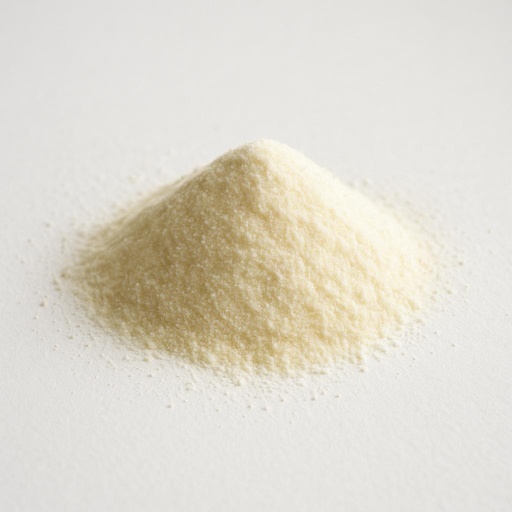
- White to slightly off-white crystalline powder
- Water-soluble; sensitive to oxidation under adverse storage/handling (heat, light, oxygen, certain metal ions)
Compositional Metrics
- Assay/purity (ascorbic acid content) per buyer specification
- Moisture / loss on drying limits to protect stability during humid storage conditions
- Contaminant limits (e.g., heavy metals) aligned to intended use (supplement vs food)
- Microbiological limits where required by downstream supplement/food specifications
Grades
- Food grade (buyer specification commonly aligned to FCC-style requirements)
- Pharmaceutical grade (buyer specification commonly aligned to pharmacopeial-style requirements)
Packaging
- Moisture- and oxygen-barrier inner liner (e.g., double PE bag) within outer carton/drum
- Lot/expiry/retest labeling to support downstream traceability
Supply Chain
Value Chain
- Overseas manufacturer → international freight → Brazilian importer (Siscomex filing; ANVISA involvement when applicable) → batch document review (spec/CoA) → ingredient distributor or direct-to-manufacturer delivery → domestic formulation into supplements/foods
Temperature
- Typically handled at ambient conditions; protect from excessive heat and humidity to preserve assay
Atmosphere Control
- Keep packaging tightly sealed to limit oxygen exposure; minimize light exposure during storage
Shelf Life
- Stability is sensitive to moisture/oxygen ingress; handling breaks can accelerate potency loss
- Downstream users often require clear expiry/retest dating and lot documentation
Freight IntensityLow
Transport ModeSea
Risks
Regulatory Compliance HighIf the product’s declared use and regulatory status in Brazil (e.g., supplement ingredient vs other regulated category) is misaligned with the importer’s ANVISA/Siscomex clearance pathway or documentation set, shipments can be held, delayed, reclassified, or refused—creating a direct market-access blocker for this trade pair.Before shipment, confirm the exact intended use-case and import compliance pathway with the Brazilian importer; prepare a complete technical dossier (specification, CoA, SDS, labeling/use statement) and ensure documents match the customs declaration.
Supply Concentration MediumGlobal ascorbic acid supply is dependent on a limited number of large-scale producers; disruptions can quickly translate into availability and price volatility for Brazil’s import-reliant market.Qualify multiple suppliers and maintain safety stock policies sized to lead times and regulatory clearance duration.
Food Safety MediumOut-of-spec potency due to oxidation or contamination (e.g., heavy metals) can trigger batch rejection, downstream reformulation, or recalls in Brazil’s supplement/food value chain.Require lot-specific CoA, perform periodic third-party verification testing, and enforce moisture/oxygen-protective storage and handling controls.
Logistics MediumPort delays, documentation errors, or inspection backlogs can disrupt just-in-time manufacturing schedules in Brazil for supplement and fortified food producers relying on imported vitamin C.Build lead-time buffers into procurement plans and run pre-shipment document reconciliation (invoice/packing list/CoA/HS classification) with the importer and broker.
Sustainability
- Upstream manufacturing environmental controls (effluent management, chemical handling) in the supply chain feeding Brazil imports
- Carbon footprint and sustainability scrutiny associated with long-distance global shipping into Brazil
Labor & Social
- Supplier due diligence for labor and EHS practices in upstream chemical/fermentation manufacturing supplying Brazil
- No widely documented Brazil-specific product-linked forced-labor controversy is commonly cited for ascorbic acid; responsible sourcing expectations still apply in supplier qualification
Standards
- GMP
- ISO 22000
- FSSC 22000
- HACCP (site-level food safety management where applicable)
FAQ
Which authority is most relevant for dietary supplement oversight in Brazil for products containing vitamin C?ANVISA is the primary Brazilian authority associated with health surveillance and regulatory oversight for dietary supplements and related regulated products.
What documents are typically expected for importing ascorbic acid into Brazil for industrial use?Commonly expected documents include the commercial invoice, packing list, transport document (bill of lading/air waybill), and a lot-specific Certificate of Analysis (CoA) plus technical documents like a specification sheet and SDS. Depending on the declared use and regulatory status, import licensing and ANVISA-related procedures may also apply.
Sources


수출·소싱 진단
브라질 아스코르브산, 사는 쪽이세요 파는 쪽이세요?
어느 쪽이든 몇 가지만 답해주시면 됩니다. 어디서 살 수 있는지, 누구에게 팔 수 있는지 정리해서 보내드릴게요.
무료 진단, 계정 없이 이용 가능합니다.
'쿠키 허용'을 클릭하면 통계 및 개인 선호도 산출을 위한 쿠키 제공에 동의하게 됩니다.
개인정보 보호정책에서 쿠키에 대한 자세한 내용을 확인할 수 있습니다.