Ascorbic Acid 공급업체, 무역 및 가격 — 마켓 오버뷰 2026
상위 제품
Vitamin C
파생 제품
블랙커런트 음료, 자두 주스 음료, 장기 보관 과일 음료, 오렌지 과일 컵, +3
최종 업데이트
2026-09-17
서치 및 소싱 팀을 위한 핵심 요약
- Ascorbic Acid 마켓 커버리지는 71개 국가에 걸쳐 있습니다.
- 이 제품에 대해 글로벌 공급망 인텔리전스 네트워크에 수출업체 1,947개와 수입업체 2,771개가 색인되어 있습니다.
- 2,672건의 공급업체 연계 거래가 상위 20개 국가에 걸쳐 요약되어 있습니다.
- 페이지 데이터 최종 업데이트일: 2026-09-17.
Ascorbic Acid에 대한 글로벌 공급업체 거래, 수출 활동 및 가격 벤치마크
상위 20개 국가에 걸친 공급업체 연계 거래 2,672건을 분석하고, 월간 단가 벤치마크로 Ascorbic Acid의 수출 경쟁력과 소싱 리스크를 추적하세요.
Ascorbic Acid 국가별 공급업체 거래 및 수출 모멘텀 전년 대비 변화
Ascorbic Acid의 긍정적/부정적 전년 대비 변화를 비교해 성장하는 공급 시장과 약화되는 수출 경로를 식별하세요.
Ascorbic Acid의 YoY 변동 상위 국가는 홍콩 (+270.1%), 인도 (+209.5%), 일본 (+174.7%)입니다.
Ascorbic Acid 국가별 공급업체 거래 및 단가 요약
2025-10 기준으로 Ascorbic Acid 국가별 거래 건수와 월간 단가/물량을 비교해 공급업체 및 수출 시장 우선순위를 정하세요.
2026-03 기준, 노출 가능한 Ascorbic Acid 거래 단가가 있는 국가는 미국 (44.38 USD / kg), 인도 (29.33 USD / kg), 스위스 (21.50 USD / kg), 네덜란드 (20.50 USD / kg), 캐나다 (12.84 USD / kg), 외 1개국입니다.
| 국가 | 전년 대비 변화 | 거래 건수 | 2025-10 | 2025-11 | 2025-12 | 2026-01 | 2026-02 | 2026-03 | 2026-04 | 2026-05 | 2026-06 | 2026-07 | 2026-08 | 2026-09 |
|---|---|---|---|---|---|---|---|---|---|---|---|---|---|---|
| 중국 | -19.7% | 965 | 3.87 USD / kg (2,159,492.015 kg) | 4.04 USD / kg (1,852,192.71 kg) | 3.82 USD / kg (1,754,477.56 kg) | 3.66 USD / kg (1,233,748.14 kg) | 4.17 USD / kg (1,837,375 kg) | 2.29 USD / kg (390,000 kg) | ||||||
| 네덜란드 | -4.4% | 311 | 19.65 USD / kg (84,450 kg) | 19.39 USD / kg (54,220 kg) | 18.53 USD / kg (259,917.95 kg) | 18.12 USD / kg (307,060 kg) | 21.50 USD / kg (65,420 kg) | 20.50 USD / kg (61,875 kg) | ||||||
| 캐나다 | +7.2% | 42 | 35.10 USD / kg (40,163.11 kg) | 16.96 USD / kg (28,723 kg) | 16.12 USD / kg (14,666 kg) | 12.84 USD / kg (16,569 kg) | 12.84 USD / kg (16,569 kg) | 12.84 USD / kg (28,692 kg) | ||||||
| 스페인 | -77.3% | 11 | 6.53 USD / kg (8,000 kg) | - (-) | - (-) | 57.04 USD / kg (12,000.75 kg) | 21.40 USD / kg (2,828 kg) | - (-) | ||||||
| 미국 | +71.3% | 449 | 24.22 USD / kg (73,485.1 kg) | 20.51 USD / kg (153,601.568 kg) | 19.79 USD / kg (144,110.104 kg) | 35.05 USD / kg (86,941.927 kg) | 17.77 USD / kg (185,199.03 kg) | 44.38 USD / kg (48,867.42 kg) | ||||||
| 인도 | +209.5% | 93 | 34.09 USD / kg (22,234.05 kg) | 35.29 USD / kg (984.23 kg) | 29.52 USD / kg (10,888.02 kg) | 20.34 USD / kg (704.68 kg) | 29.67 USD / kg (1,502.3 kg) | 29.33 USD / kg (3,200 kg) | ||||||
| 영국 | +14.6% | 66 | 14.79 USD / kg (43,933.7 kg) | 22.14 USD / kg (149.18 kg) | 11.88 USD / kg (34,506 kg) | 32.35 USD / kg (2,500 kg) | 18.75 USD / kg (1,450 kg) | - (-) | ||||||
| 독일 | -8.0% | 51 | 73.02 USD / kg (6,067.92 kg) | 13.57 USD / kg (31,516.4 kg) | 19.33 USD / kg (6,989.368 kg) | 55.51 USD / kg (321.41 kg) | 35.18 USD / kg (2 kg) | - (-) | ||||||
| 싱가포르 | +0.9% | 34 | 15.19 USD / kg (3,232.56 kg) | 18.50 USD / kg (3,050 kg) | 19.33 USD / kg (49,229.16 kg) | 16.15 USD / kg (10,100 kg) | 22.93 USD / kg (21.53 kg) | - (-) | ||||||
| 스위스 | +50.1% | 56 | 27.50 USD / kg (1,134.446 kg) | 88.72 USD / kg (501.61 kg) | 15.75 USD / kg (99,185.14 kg) | 21.50 USD / kg (500 kg) | - (-) | 21.50 USD / kg (5,000 kg) |
Ascorbic Acid Global Supply Chain Coverage
4,718개 기업
Ascorbic Acid에 대해 수출업체 1,947개와 수입업체 2,771개가 매핑되어 있습니다.
수출업체와 수입업체는 Tridge 공급망 인텔리전스의 기업 프로필 및 분석을 활용해 Ascorbic Acid 거래 상대를 식별하고, 시장 도달 범위를 벤치마킹하며, 시장별 아웃리치 우선순위를 정할 수 있습니다.
Ascorbic Acid 수출 공급업체 인텔리전스, 무역 흐름 및 가격 시그널
Ascorbic Acid에 대해 Tridge Supply Chain Intelligence에 수출업체 1,947개가 매핑되어 있습니다. 수출업체와 수입업체는 회사 프로필 및 분석을 활용해 공급업체 커버리지, 거래 활동, 경로 기회를 평가할 수 있습니다.
Ascorbic Acid 검증된 수출 공급업체 및 프리미엄 파트너
프리미엄 Ascorbic Acid 공급업체 2개는 국가, 산업, 연락 가능성 시그널을 포함해 신뢰할 수 있는 수출 파트너를 더 빠르게 우선순위화할 수 있게 합니다.
SM Empreendimentos Farmacêuticos Ltda.
브라질
기타
Paradise Ingredients, S.A.
코스타리카
음료 제조작물 생산식품 제조
프리미엄 공급업체로 가입하여 Tridge 공급망 네트워크에 참여하고 마케팅 및 수출 채널 전략을 고도화하세요.
Ascorbic Acid 상위 수출업체 및 공급업체 프로필
선도 수출업체 프로필을 검토하고 Ascorbic Acid 공급망 인텔리전스 네트워크의 전체 수출업체 1,947개와 비교해 보세요. 수출업체와 수입업체는 회사 프로필 및 분석을 잠금 해제해 파트너를 더 빠르게 검증할 수 있습니다.
(중국)
최근 수출 거래: 2026-08-17
최근 수출 파트너 기업: 1
임직원 규모: 직원 1000명 초과
매출액: 매출 USD 1B 초과
산업군: 기타
밸류체인 역할: 무역
수출 국가: 터키, 페루, 카자흐스탄, 멕시코, 인도
공급 제품: Vitamin Raw Material, Ammonium salts of phosphatidic acid, Dextrose +5
(중국)
최근 수출 거래: 2026-07-08
최근 수출 파트너 기업: 1
산업군: 식품 제조식품 포장기타
밸류체인 역할: 식품 제조
수출 국가: 덴마크, 러시아, 미국, 인도
공급 제품: Vitamin Raw Material, Vitamin A Supplement, Vitamin E Supplement +5
(중국)
최근 수출 거래: 2026-09-09
최근 수출 파트너 기업: 20
임직원 규모: 직원 1000명 초과
매출액: 매출 USD 1B 초과
산업군: 식품 제조기타
밸류체인 역할: 기타
수출 국가: 터키, 에콰도르, 콜롬비아, 러시아, 미국, 필리핀, 파키스탄, 인도네시아, 대한민국, 인도
공급 제품: Vitamin Raw Material, Sodium erythorbate, Xanthan Gum +5
(중국)
최근 수출 거래: 2026-01-25
최근 수출 파트너 기업: 9
산업군: 식품 제조
밸류체인 역할: 유통 / 도매무역
수출 국가: 필리핀, 터키, 멕시코, 베트남, 인도네시아, 러시아, 파키스탄, 미국, 방글라데시, 인도
공급 제품: Vitamin Raw Material, Dextrose, Acesulfame potassium +5
(중국)
최근 수출 거래: 2026-09-02
최근 수출 파트너 기업: 14
임직원 규모: 직원 1000명 초과
산업군: 음료 제조식품 제조
밸류체인 역할: 식품 제조무역
수출 국가: 브라질, 방글라데시, 멕시코, 필리핀, 터키, 러시아, 미국, 파키스탄, 대한민국, 인도
공급 제품: Vitamin Raw Material, Sodium Benzoate, Sodium erythorbate +5
(중국)
최근 수출 거래: 2026-08-17
최근 수출 파트너 기업: 1
산업군: 식품 제조식품 포장기타
밸류체인 역할: 식품 제조
수출 국가: 인도
공급 제품: Vitamin Raw Material, Single Vitamin Material, Vitamin C +1
Ascorbic Acid 글로벌 수출업체 커버리지
1,947개 기업
수출업체 수는 Ascorbic Acid의 공급 깊이와 소싱 선택지의 핵심 신호입니다.
공급망 인텔리전스 분석을 활용해 Ascorbic Acid 기회를 국가, 제품, 밸류체인 역할로 좁힌 뒤 기업 프로필을 열어 적합성을 검증하세요.
소싱 진단
Ascorbic Acid, 어디서 들여오는 게 좋을까요?
필요한 스펙과 물량만 알려주세요. 실제로 소싱이 되는지, 어떤 원산지와 공급사가 맞는지 짚어드려요.
무료 진단, 계정 없이 이용 가능합니다.
Ascorbic Acid 수입 바이어 인텔리전스, 수요 시그널 및 가격 벤치마크
Ascorbic Acid 수요 인텔리전스를 위해 수입업체 2,771개가 매핑되어 있습니다. Supply Chain Intelligence 회사 프로필 및 분석으로 시장별 바이어, 유통업체, 다운스트림 수요 파트너의 우선순위를 정하세요.
Ascorbic Acid 상위 바이어, 수입업체 및 수요 파트너
선도 바이어 프로필을 검토하고 Ascorbic Acid에 대해 추적되는 전체 수입업체 2,771개와 비교해 보세요. 수출업체와 수입업체는 Supply Chain Intelligence 회사 프로필 및 분석을 활용해 바이어 품질과 수요 집중도를 평가할 수 있습니다.
(인도)
최근 수입 거래: 2026-08-17
최근 수입 파트너 기업: 1
임직원 규모: 직원 101 - 500명
매출액: 매출 USD 10M - 50M
산업군: 식품 제조식품 포장기타
밸류체인 역할: -
(대한민국)
최근 수입 거래: 2026-09-15
최근 수입 파트너 기업: 5
임직원 규모: 직원 101 - 500명
산업군: 식품 제조
밸류체인 역할: 카자흐스탄
(인도)
최근 수입 거래: 2026-08-17
최근 수입 파트너 기업: 1
임직원 규모: 직원 11 - 50명
산업군: 기타
밸류체인 역할: -
(인도)
최근 수입 거래: 2026-08-17
최근 수입 파트너 기업: 1
매출액: 매출 USD 10M - 50M
산업군: 음료 제조식품 제조식품 포장식음료 서비스업식품 도매
밸류체인 역할: 말레이시아, 예멘, 부탄, 네팔, 나이지리아, 아랍에미리트, 우간다, 스리랑카
(인도)
최근 수입 거래: 2026-08-17
최근 수입 파트너 기업: 1
임직원 규모: 직원 101 - 500명
매출액: 매출 USD 10M - 50M
산업군: 식품 제조식품 포장기타
밸류체인 역할: -
(인도)
최근 수입 거래: 2026-08-17
최근 수입 파트너 기업: 1
산업군: 기타
밸류체인 역할: -
글로벌 수입업체 커버리지
2,771개 기업
수입업체 수는 Ascorbic Acid에 대한 수요 측 가시성의 현재 깊이를 보여줍니다.
공급망 인텔리전스 분석과 기업 프로필을 활용해 활동 중인 Ascorbic Acid 바이어를 식별하고, 국가별 파트너 밀도를 비교하며, GTM 우선순위를 정교화하세요.
수출 진단
우리 Ascorbic Acid, 어느 바이어에게 팔 수 있을까요?
만드시는 제품만 알려주시면 됩니다. 지금 수출할 준비가 됐는지, 어느 시장이 맞는지 봐드려요.
무료 진단, 계정 없이 이용 가능합니다.
가격 데이터
Ascorbic Acid 가격, 어디까지 필요하세요?
전체 가격 히스토리와 경쟁사 벤치마크를 열어드립니다. 어떤 숫자가 필요하신지만 말씀해 주시면 함께 살펴봐 드려요.
Classification
Product TypeIngredient
Product FormPowder (Crystalline)
Industry PositionFood and Nutraceutical Ingredient
Market
Ascorbic acid (vitamin C; commonly traded under HS 293627 for “vitamin C and its derivatives, unmixed”) is a globally traded industrial ingredient used heavily in dietary supplements, food fortification, and as an antioxidant food additive (INS 300). UN Comtrade data accessed via the World Bank’s WITS platform shows trade flows with a strong exporter concentration led by China, while major import demand is anchored by the United States and large Asian and European markets (e.g., Republic of Korea, Japan, Germany, the Netherlands). The market is driven more by industrial capacity, regulatory specifications (food-additive vs. pharmaceutical), and logistics than by agricultural seasonality. Because supply is concentrated and quality expectations are specification-driven, buyers typically prioritize supplier qualification, impurity control, and trade-policy exposure management.
Market GrowthNot Mentioned
Major Producing Countries
- 중국Industrial production and export availability are strongly associated with Chinese manufacturing capacity; UN Comtrade (via WITS, HS 293627) shows China as the leading exporter.
Major Exporting Countries
- 중국Largest reported exporter in UN Comtrade (via WITS) for HS 293627 (Vitamin C and its derivatives, unmixed).
- 네덜란드Major global export hub/re-exporter linked to EU distribution and logistics.
- 독일Large reported exporter; includes distribution and intra-European trade flows.
- 미국Reported exporter in UN Comtrade (via WITS); includes redistribution and specialized supply.
- 일본Reported exporter; often associated with high-spec/regulated end uses.
Major Importing Countries
- 미국One of the largest import markets in UN Comtrade (via WITS) for HS 293627.
- 대한민국Major importing market in UN Comtrade (via WITS) for HS 293627.
- 일본Major importing market in UN Comtrade (via WITS) for HS 293627.
- 독일Large importing market and intra-EU distribution center for industrial ingredients.
- 네덜란드Large importing market; re-export and distribution gateway role in Europe.
- 프랑스Significant importer in UN Comtrade (via WITS) for HS 293627.
Specification
Major VarietiesL-ascorbic acid (vitamin C)
Physical Attributes
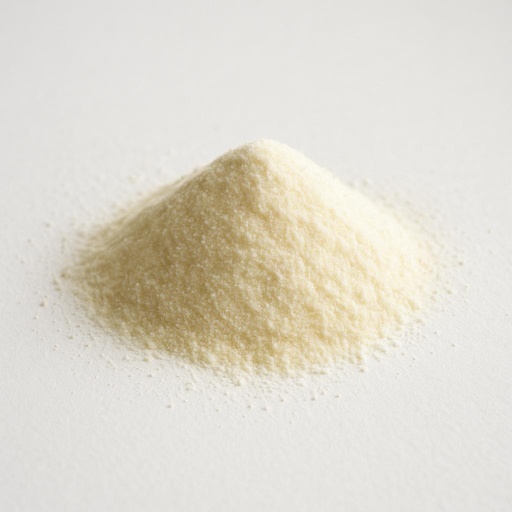
- White to slightly yellow, odourless crystalline powder (food-additive specification reference).
- Readily oxidizes in aqueous solution; protection from air and light is relevant for liquid formulations.
Compositional Metrics
- CAS No. 50-81-7; INS 300 (food additive identification in JECFA).
- Assay commonly specified at not less than 99% on the dried basis in FAO/JECFA food additive specifications.
Grades
- Food additive grade aligned to FAO/WHO JECFA specifications (used as antioxidant; INS 300).
- Pharmaceutical grade aligned to pharmacopeial requirements (e.g., USP/EP) for regulated medicinal/supplement applications.
Packaging
- Moisture-barrier packaging (e.g., lined drums or lined bags) to protect from humidity and oxidation during international transport.
- Lot/traceability labeling aligned to GMP/food safety system expectations for supplement and food manufacturing customers.
ProcessingUsed as an antioxidant/reducing agent in foods and beverages; also used for vitamin C fortification in supplements and fortified foods.Sensitive to oxidation in solution; handling practices often minimize oxygen/light exposure in liquid premixes.
Supply Chain
Value Chain
- Starch/sugar feedstock (glucose/dextrose) sourcing → fermentation-based intermediate production → chemical conversion → crystallization and drying → quality testing (assay/impurities) → packaging → international distributors/agents → supplement, food, and pharmaceutical manufacturers
Demand Drivers
- Dietary supplement manufacturing demand for vitamin C (tablets, capsules, powders, premixes).
- Food and beverage fortification programs (added vitamin C) and functional beverage formulations.
- Use as an antioxidant food additive (INS 300) to limit oxidation and quality deterioration in certain processed foods.
- Pharmaceutical and regulated-market demand where pharmacopeial-grade material is required.
Temperature
- Dry material handling emphasizes cool, dry storage and protection from light/moisture to preserve potency and prevent degradation.
Risks
Supply Concentration HighGlobal export availability is highly concentrated, with UN Comtrade data (via WITS, HS 293627) showing China as the leading exporter. Concentration increases exposure to single-origin disruptions (plant shutdowns, energy constraints, logistics bottlenecks, or regulatory actions), which can rapidly tighten supply for supplement and food manufacturers.Qualify multiple suppliers (including alternative trade hubs), maintain safety stocks for critical SKUs, and use specification-based dual-sourcing (food-grade vs. pharmacopeial-grade) where feasible.
Quality And Compliance MediumEnd uses span food additive and pharmaceutical/supplement applications, so buyers may require tight control of assay, impurities, and contaminants. Non-conformance can trigger rejected lots, recalls, or border holds in regulated markets.Specify the applicable standard (e.g., JECFA food-additive specs vs. pharmacopeial grade), require COAs aligned to that standard, and implement incoming testing for critical impurities.
Trade Policy MediumGiven concentrated sourcing and high cross-border movement, changes in tariffs, customs enforcement, sanctions, or documentation requirements can materially affect landed cost and lead times for HS 293627 shipments.Monitor tariff/classification and trade-policy changes for key supplying routes, and keep flexible incoterms/logistics options (multiple ports and forwarders).
Input Cost Volatility MediumProduction economics are sensitive to feedstock (glucose/starch derivatives) and energy/utility costs; shocks can pass through into spot pricing and availability for downstream supplement premixes and finished products.Use indexed or staggered procurement, diversify contract durations, and align forecast/booking cycles with supplier production planning.
Sustainability
- Industrial effluent and wastewater management considerations in fermentation/chemical conversion pathways for vitamin C.
- Energy use and associated emissions intensity in large-scale chemical/bioprocess manufacturing and drying operations.
- Upstream agricultural feedstock sustainability (glucose/starch inputs) as an indirect footprint driver.
Labor & Social
- Worker health and safety risks in chemical and fermentation manufacturing (process safety, chemical handling).
- Supplier labor and EHS auditing expectations in regulated supplement and food supply chains (GMP-aligned oversight).
FAQ
Which countries are the main exporters of ascorbic acid in global trade?UN Comtrade data accessed via the World Bank’s WITS platform for HS 293627 reports China as the leading exporter, with the Netherlands and Germany also appearing as major exporting hubs alongside the United States and Japan.
What are the main uses of ascorbic acid in global supplement and food supply chains?Ascorbic acid is widely used as vitamin C in dietary supplements and fortification, and it is also used as a food additive (INS 300) with an antioxidant function, as reflected in FAO/WHO JECFA evaluations and specifications.
What specifications do buyers commonly reference when purchasing ascorbic acid internationally?Food-industry transactions often reference FAO/WHO JECFA food additive specifications (INS 300), while pharmaceutical and some supplement applications may require pharmacopeial-grade material; typical buyer specifications focus on assay and impurity/contaminant limits consistent with the referenced standard.
Sources
Ascorbic Acid 공급업체, 수출 흐름, 가격 데이터 국가 커버리지
공급업체 커버리지, 무역 흐름, 가격 벤치마크를 위해 Ascorbic Acid의 국가별 마켓 페이지를 탐색하세요.


전체 국가 마켓 페이지: 스위스, 칠레, 중국, 콜롬비아, 코스타리카, 독일, 에콰도르, 이집트, 스페인, 프랑스, 영국, 가나, 과테말라, 홍콩, 온두라스, 헝가리, 인도, 이탈리아, 요르단, 일본, 캄보디아, 대한민국, 카자흐스탄, 라오스, 레바논, 스리랑카, 레소토, 리투아니아, 룩셈부르크, 말라위, 멕시코, 말레이시아, 모잠비크, 니카라과, 네덜란드, 노르웨이, 네팔, 뉴질랜드, 파나마, 페루, 필리핀, 파키스탄, 폴란드, 파라과이, 러시아, 사우디아라비아, 싱가포르, 슬로베니아, 엘살바도르, 태국, 타지키스탄, 터키, 우크라이나, 우간다, 미국, 우루과이, 우즈베키스탄, 베트남, 남아프리카
수출·소싱 진단
Ascorbic Acid, 사는 쪽이세요 파는 쪽이세요?
어느 쪽이든 몇 가지만 답해주시면 됩니다. 어디서 살 수 있는지, 누구에게 팔 수 있는지 정리해서 보내드릴게요.
무료 진단, 계정 없이 이용 가능합니다.
'쿠키 허용'을 클릭하면 통계 및 개인 선호도 산출을 위한 쿠키 제공에 동의하게 됩니다.
개인정보 보호정책에서 쿠키에 대한 자세한 내용을 확인할 수 있습니다.