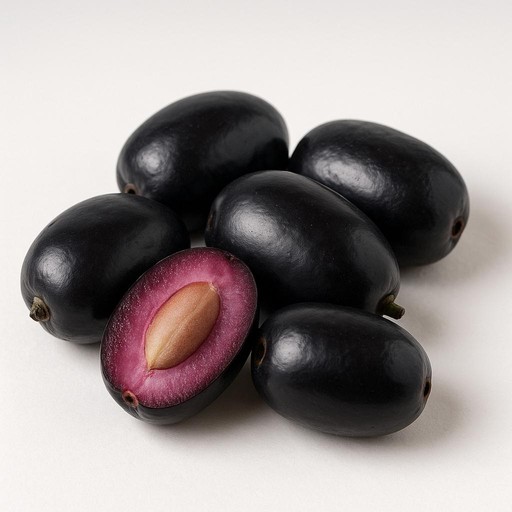
미국 신선 자바 자두 공급업체 및 가격 — 마켓 오버뷰 2026
파생 제품
자바 자두 주스, 자바 플럼 주스 농축액, 건조 자바 자두
HS 코드
081090
최종 업데이트
2026-09-13
서치 및 소싱 팀을 위한 핵심 요약
- 수출 파트너 국가 5개와 수입 파트너 국가 5개가 랭킹되어 있습니다.
- 이 페이지 데이터셋의 최신 기준 연도는 2024입니다.
- 페이지 데이터 최종 업데이트일: 2026-09-13.
미국 내 신선 자바 자두 수출 공급업체 인텔리전스, 가격 추이 및 무역 흐름
Supply Chain Intelligence 기업 프로필 및 분석으로 미국의 신선 자바 자두 수출업체 커버리지, 파트너 품질, 경로 우선순위를 검증하세요.
미국 내 신선 자바 자두의 연간 수출 금액, 물량 및 공급업체 시장 규모 (HS 코드 081090)
미국의 신선 자바 자두 수출 물량/금액 3년치를 분석해 공급 측 시장 성장, 계절성, 무역 변동성을 평가하세요.
| 연도 | 물량 | 금액 |
|---|---|---|
| 2024 | 26,218,700 | 73,697,590 USD |
| 2023 | 21,498,460 | 62,302,338 USD |
| 2022 | 21,143,725 | 61,149,784 USD |
미국에서 수출되는 신선 자바 자두의 주요 수출 대상 시장 (HS 코드 081090) 2024
2024년 기준, 미국발 신선 자바 자두 수출의 상위 목적지국 5개 전반에서 수출 물량과 금액을 비교하세요.
| 순위 | 국가 | 물량 | 금액 |
|---|---|---|---|
| 1 | 캐나다 | 15,549,086 | 45,791,273 USD |
| 2 | 대한민국 | 2,429,333 | 9,495,158 USD |
| 3 | 호주 | 1,360,935 | 5,127,629 USD |
| 4 | 멕시코 | 3,016,765 | 3,720,132 USD |
| 5 | 일본 | 451,237 | 1,331,310 USD |
소싱 진단
미국산 신선 자바 자두, 우리도 들여올 수 있을까요?
필요한 스펙과 물량만 알려주세요. 실제로 소싱이 되는지, 어떤 원산지와 공급사가 맞는지 짚어드려요.
무료 진단, 계정 없이 이용 가능합니다.
미국의 신선 자바 자두 수입 바이어 인텔리전스 및 가격 시그널: 바이어, 수요, 거래 파트너
미국의 신선 자바 자두에 대해 수입 파트너 기업 1개가 추적됩니다. 수출업체와 수입업체는 Supply Chain Intelligence 회사 프로필 및 분석을 활용해 바이어 수요, 파트너 밀도, 다운스트림 채널을 분석할 수 있습니다.
스캐터 포인트는 전체 거래 데이터셋의 100.0%에서 샘플링되었습니다.
신선 자바 자두의 미국 샘플 수입 거래 및 가격 기록
미국의 신선 자바 자두 샘플 수입 거래 5건은 가격 수준과 수요 측 거래 패턴 벤치마킹을 위한 날짜, 원산지, 무역 국가 맥락을 제공합니다.
미국의 신선 자바 자두 샘플 수입 거래 단가(일자별): 2026-06-25: 2.42 USD / kg, 2026-04-04: 2.53 USD / kg, 2026-03-05: 2.42 USD / kg, 2026-02-25: 2.42 USD / kg, 2026-01-28: 1.76 USD / kg.
| 일자 | 신고 품목 | 단가 | 수출업체 | 수입업체 | 원산지 | |
|---|---|---|---|---|---|---|
| 2026-06-25 | HOT ***** *** *** **** | 2.42 USD / kg | (-) | (-) | - | |
| 2026-04-04 | ASH*** ***** ** ******* * ** * *** ******** ***** ******* ***** ***** | 2.53 USD / kg | (-) | (-) | - | |
| 2026-03-05 | HOT ***** *** *** **** | 2.42 USD / kg | (-) | (-) | - | |
| 2026-02-25 | HOT ***** *** *** **** | 2.42 USD / kg | (-) | (-) | - | |
| 2026-01-28 | Foo* *********** *** ***** * ***** ***** | 1.76 USD / kg | (-) | (-) | - |
미국 내 상위 신선 자바 자두 바이어, 수입업체 및 수요 파트너
선도 바이어 프로필을 검토하고 미국의 신선 자바 자두에 대해 추적되는 전체 수입 파트너 기업 1개와 비교하세요. 수출업체와 수입업체는 Supply Chain Intelligence 회사 프로필 및 분석으로 수요 측 파트너 적합도를 평가할 수 있습니다.
(미국)
최근 수입 거래: 2026-08-13
임직원 규모: 직원 11 - 50명
매출액: 매출 USD 1M - 5M
산업군: 브로커 및 무역 대행식품 제조식품 포장
밸류체인 역할: 농업 / 생산 / 가공 / 포장무역
미국 수입 파트너 커버리지
1개 기업
수입 파트너 기업 수는 미국의 신선 자바 자두 수요 측 가시성을 보여줍니다.
공급망 인텔리전스 분석과 기업 프로필을 활용해 미국에서 활동 중인 신선 자바 자두 수입업체, 유통업체, 바이어 네트워크를 식별하세요.
미국 내 신선 자바 자두의 연간 수입 금액, 물량 및 수요 규모 (HS 코드 081090)
미국의 신선 자바 자두 수입 물량/금액 3년치를 추적해 수요 성장과 시장 모멘텀을 평가하세요.
| 연도 | 물량 | 금액 |
|---|---|---|
| 2024 | 275,685,098 | 376,237,668 USD |
| 2023 | 259,898,289 | 350,566,619 USD |
| 2022 | 244,675,680 | 306,313,151 USD |
미국에 신선 자바 자두를 공급하는 주요 원산지 공급국 (HS 코드 081090) 2024
2024년 기준, 미국로 신선 자바 자두를 공급하는 상위 원산 공급국 5개 전반의 수입 물량과 금액을 비교하세요.
| 순위 | 국가 | 물량 | 금액 |
|---|---|---|---|
| 1 | 멕시코 | 216,770,116 | 196,827,279 USD |
| 2 | 에콰도르 | 31,606,337 | 78,763,258 USD |
| 3 | 페루 | 2,600,519 | 17,227,044 USD |
| 4 | 베트남 | 3,477,629 | 16,563,346 USD |
| 5 | 과테말라 | 3,038,868 | 9,501,681 USD |
수출 진단
우리 신선 자바 자두, 이 미국 바이어들에게 팔 수 있을까요?
만드시는 제품만 알려주시면 됩니다. 지금 수출할 준비가 됐는지, 어느 시장이 맞는지 봐드려요.
무료 진단, 계정 없이 이용 가능합니다.
가격 데이터
미국 신선 자바 자두 가격, 어디까지 필요하세요?
전체 가격 히스토리와 경쟁사 벤치마크를 열어드립니다. 어떤 숫자가 필요하신지만 말씀해 주시면 함께 살펴봐 드려요.
Classification
Product TypeRaw Material
Product FormFresh
Industry PositionPrimary Agricultural Product
Raw Material
Market
Fresh java plum (Syzygium cumini) is a niche fresh fruit in the United States, with presence largely tied to limited subtropical cultivation and specialty-market demand. Within the U.S., the tree is documented in Florida (with UF/IFAS noting it has escaped cultivation and is invasive in South Florida) and it is also documented as naturalized in Hawai‘i. For import supply, U.S. market access is driven primarily by USDA APHIS commodity- and origin-specific admissibility requirements (via ACIR and related manuals), with additional FDA import obligations (e.g., Prior Notice and importer verification under FSMA). Operationally, trade is most sensitive to phytosanitary compliance (authorization, required treatments, and documentation) and to the short shelf-life handling needed for fresh berries/stone-fruit-like tropical products.
Market RoleDomestic niche consumer market with limited subtropical production; potential importer for specialty demand
Domestic RoleLimited local supply from subtropical areas; primarily specialty/household and small-scale distribution rather than a mainstream U.S. commercial fruit category
SeasonalityIn Florida, UF/IFAS notes flowering occurs from late spring to summer and fruit matures by late summer; seasonality in other U.S. subtropical areas may differ.
Specification
Physical Attributes
- Fruit described as dark purple to black at maturity; oblong/ellipsoid; typically single-seeded
- Florida reference describes color progression during maturation from green to pink to deep crimson and finally black
Supply Chain
Value Chain
- Local U.S. supply: harvest in subtropical areas (e.g., Florida/Hawai‘i) -> sorting/packing -> short-haul distribution to local/specialty outlets
- Import supply (when authorized): foreign grower/packhouse -> transport -> U.S. port entry with USDA APHIS/FDA screening -> importer distribution
Freight IntensityMedium
Transport ModeMultimodal
Risks
Regulatory Compliance HighU.S. market access for fresh java plum can be blocked if the commodity is not authorized for the specific exporting country under USDA APHIS requirements (ACIR/manuals) or if required pest-risk mitigations (e.g., specified conditions/treatments and documentation) are not met, leading to refusal, hold, or re-export/destruction at entry.Verify commodity-and-origin admissibility in APHIS ACIR before purchase; align pre-shipment actions with the exporting country’s NPPO and the APHIS-listed conditions/treatments and required documentation.
Food Safety MediumFDA import controls (including Prior Notice and importer accountability under FSMA FSVP) can trigger detention or delays if filings are missing/incorrect or if the importer cannot demonstrate risk-based supplier verification for the product and supplier when FSVP applies.Implement an FSVP for each food/supplier as applicable and ensure timely, accurate Prior Notice submission (via CBP interface or FDA PNSI) with complete shipment data.
Sustainability MediumFlorida-specific reputational and operational risk exists because java plum is documented as invasive in South Florida; local sourcing programs may face scrutiny if fruit is harvested from unmanaged or proliferating trees.For any Florida-linked sourcing narratives, document that supply comes from managed trees and follow UF/IFAS guidance discouraging propagation in invasive zones.
Logistics MediumFresh java plum is a perishable, quality-sensitive fruit; delays from inspections/holds or breaks in handling can quickly downgrade quality and increase rejection risk in specialty channels.Use conservative transit plans with contingency for inspection delays; pre-align broker/port procedures and maintain rapid distribution on release.
Sustainability
- Invasive-species concern in Florida: UF/IFAS documents Syzygium cumini has escaped cultivation and is invasive in South Florida; propagation is not recommended by UF/IFAS guidance for that region.
Standards
- USDA Harmonized GAP (AMS audit program for specialty crops)
- USDA GAP&GHP audit verification program (AMS)
FAQ
Is java plum considered invasive in parts of the United States?Yes. UF/IFAS documents that java plum (Syzygium cumini) has escaped cultivation and is invasive in South Florida, and UF/IFAS does not recommend propagating it there.
Where in the United States is java plum documented to occur?UF/IFAS documents java plum distribution in Florida (from South Florida northward into parts of peninsular Florida). The Smithsonian’s Flora of the Hawaiian Islands also documents it as naturalized on multiple Hawaiian Islands.
What are the key U.S. compliance checkpoints for importing fresh java plum as food?USDA APHIS requirements must be checked for the specific commodity and exporting country via ACIR (including any required conditions/treatments and documentation). For FDA, importers must submit Prior Notice for the shipment and, when FSVP applies, maintain a risk-based foreign supplier verification program for the food and supplier.
Sources


수출·소싱 진단
미국 신선 자바 자두, 사는 쪽이세요 파는 쪽이세요?
어느 쪽이든 몇 가지만 답해주시면 됩니다. 어디서 살 수 있는지, 누구에게 팔 수 있는지 정리해서 보내드릴게요.
무료 진단, 계정 없이 이용 가능합니다.
신선 자바 자두 연관 제품 카테고리
신선 자바 자두의 상위 제품, 하위 제품, 파생 제품, 원재료 제품 마켓 페이지를 둘러보세요.
'쿠키 허용'을 클릭하면 통계 및 개인 선호도 산출을 위한 쿠키 제공에 동의하게 됩니다.
개인정보 보호정책에서 쿠키에 대한 자세한 내용을 확인할 수 있습니다.