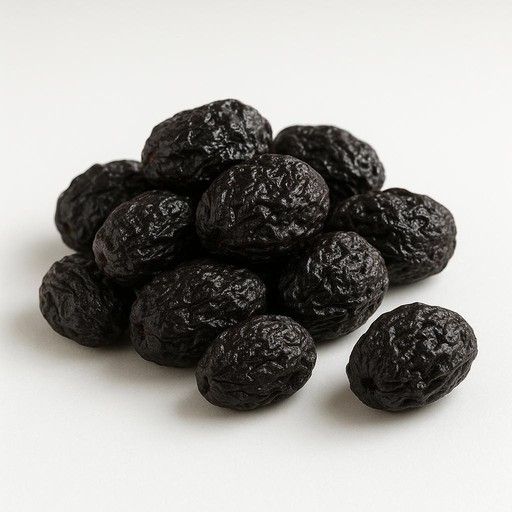
Dried Java Plum 공급업체, 무역 및 가격 — 마켓 오버뷰 2026
원재료
신선 자바 자두
최종 업데이트
2026-09-13
서치 및 소싱 팀을 위한 핵심 요약
- Dried Java Plum 마켓 커버리지는 27개 국가에 걸쳐 있습니다.
- 이 제품에 대해 글로벌 공급망 인텔리전스 네트워크에 수출업체 240개와 수입업체 217개가 색인되어 있습니다.
- 162건의 공급업체 연계 거래가 상위 5개 국가에 걸쳐 요약되어 있습니다.
- 페이지 데이터 최종 업데이트일: 2026-09-13.
Dried Java Plum에 대한 글로벌 공급업체 거래, 수출 활동 및 가격 벤치마크
상위 5개 국가에 걸친 공급업체 연계 거래 162건을 분석하고, 월간 단가 벤치마크로 Dried Java Plum의 수출 경쟁력과 소싱 리스크를 추적하세요.
Dried Java Plum 국가별 공급업체 거래 및 수출 모멘텀 전년 대비 변화
Dried Java Plum의 긍정적/부정적 전년 대비 변화를 비교해 성장하는 공급 시장과 약화되는 수출 경로를 식별하세요.
Dried Java Plum의 YoY 변동 상위 국가는 우즈베키스탄 (-44.7%), 중국 (-40.2%), 인도 (-4.2%)입니다.
Dried Java Plum 국가별 공급업체 거래 및 단가 요약
2025-10 기준으로 Dried Java Plum 국가별 거래 건수와 월간 단가/물량을 비교해 공급업체 및 수출 시장 우선순위를 정하세요.
2026-03 기준, 노출 가능한 Dried Java Plum 거래 단가가 있는 국가는 인도 (2.40 USD / kg)입니다.
| 국가 | 전년 대비 변화 | 거래 건수 | 2025-10 | 2025-11 | 2025-12 | 2026-01 | 2026-02 | 2026-03 | 2026-04 | 2026-05 | 2026-06 | 2026-07 | 2026-08 | 2026-09 |
|---|---|---|---|---|---|---|---|---|---|---|---|---|---|---|
| 인도 | -4.2% | 153 | 2.31 USD / kg (29,928 kg) | 1.84 USD / kg (7,480.24 kg) | 1.07 USD / kg (100,373.5 kg) | 1.28 USD / kg (7,730 kg) | 1.68 USD / kg (28,118.8 kg) | 2.40 USD / kg (1,937.6 kg) | ||||||
| 파키스탄 | - | 2 | - (-) | - (-) | 1.20 USD / kg (2,000 kg) | - (-) | 1.20 USD / kg (2,000 kg) | - (-) | ||||||
| 우즈베키스탄 | -44.7% | 5 | 0.42 USD / kg (396 kg) | 0.42 USD / kg (6,850 kg) | 0.42 USD / kg (1,250 kg) | - (-) | - (-) | - (-) | ||||||
| 중국 | -40.2% | 1 | - (-) | - (-) | 0.42 USD / kg (5,600 kg) | - (-) | - (-) | - (-) | ||||||
| 타지키스탄 | - | 1 | - (-) | 0.34 USD / kg (129 kg) | - (-) | - (-) | - (-) | - (-) |
Dried Java Plum Global Supply Chain Coverage
457개 기업
Dried Java Plum에 대해 수출업체 240개와 수입업체 217개가 매핑되어 있습니다.
수출업체와 수입업체는 Tridge 공급망 인텔리전스의 기업 프로필 및 분석을 활용해 Dried Java Plum 거래 상대를 식별하고, 시장 도달 범위를 벤치마킹하며, 시장별 아웃리치 우선순위를 정할 수 있습니다.
Dried Java Plum 수출 공급업체 인텔리전스, 무역 흐름 및 가격 시그널
Dried Java Plum에 대해 Tridge Supply Chain Intelligence에 수출업체 240개가 매핑되어 있습니다. 수출업체와 수입업체는 회사 프로필 및 분석을 활용해 공급업체 커버리지, 거래 활동, 경로 기회를 평가할 수 있습니다.
Dried Java Plum 상위 수출업체 및 공급업체 프로필
선도 수출업체 프로필을 검토하고 Dried Java Plum 공급망 인텔리전스 네트워크의 전체 수출업체 240개와 비교해 보세요. 수출업체와 수입업체는 회사 프로필 및 분석을 잠금 해제해 파트너를 더 빠르게 검증할 수 있습니다.
(인도)
최근 수출 거래: 2026-08-13
최근 수출 파트너 기업: 1
임직원 규모: 직원 1000명 초과
매출액: 매출 USD 1B 초과
산업군: 음료 제조작물 생산식품 제조식품 포장식음료 서비스업
밸류체인 역할: 유통 / 도매농업 / 생산 / 가공 / 포장식품 제조소매무역
수출 국가: 폴란드, 알제리, 이탈리아, 말레이시아, 러시아, 멕시코, 대한민국, 베트남, 중국, 대만
공급 제품: Sesame Seed, Dried Mung Bean, Sorghum Grain +5
(인도)
최근 수출 거래: 2026-04-20
최근 수출 파트너 기업: 1
임직원 규모: 직원 101 - 500명
매출액: 매출 USD 10M - 50M
산업군: 음료 제조식품 제조식품 포장식품 도매기타
밸류체인 역할: 유통 / 도매농업 / 생산 / 가공 / 포장식품 제조무역
수출 국가: 태국, 싱가포르, 이스라엘, 터키, 요르단, 레바논, 이란, 이집트, 아랍에미리트, 이라크
공급 제품: Sesame Seed, Cumin Seed, Fresh Turmeric +5
(홍콩)
최근 수출 거래: 2026-08-13
최근 수출 파트너 기업: 1
산업군: 기타
밸류체인 역할: 무역
수출 국가: 미국
공급 제품: Dried Java Plum, Flavored Roasted Corn Snacks, Corn Crackers +5
(인도)
최근 수출 거래: 2026-08-13
최근 수출 파트너 기업: 1
산업군: 작물 생산식품 제조
밸류체인 역할: 농업 / 생산 / 가공 / 포장식품 제조무역
수출 국가: 크로아티아, 콜롬비아, 미국, 남아프리카, 태국, 요르단, 인도네시아, 터키, 러시아, 중국
공급 제품: Chia Seed, Dried Moringa Leaf, Cassia Tea +5
(인도)
최근 수출 거래: 2026-07-31
최근 수출 파트너 기업: 2
산업군: 작물 생산식품 제조
밸류체인 역할: 농업 / 생산 / 가공 / 포장식품 제조
수출 국가: 프랑스, 이탈리아, 이스라엘, 호주, 독일
공급 제품: Dried Java Plum, Dried Licorice Root, Moringa Seed +5
(아프가니스탄)
최근 수출 거래: 2026-08-13
최근 수출 파트너 기업: 1
임직원 규모: 직원 11 - 50명
산업군: 브로커 및 무역 대행작물 생산식품 제조
밸류체인 역할: 농업 / 생산 / 가공 / 포장무역
수출 국가: 파키스탄
공급 제품: Raisins, Cumin Seed, Dried Apricots +5
Dried Java Plum 글로벌 수출업체 커버리지
240개 기업
수출업체 수는 Dried Java Plum의 공급 깊이와 소싱 선택지의 핵심 신호입니다.
공급망 인텔리전스 분석을 활용해 Dried Java Plum 기회를 국가, 제품, 밸류체인 역할로 좁힌 뒤 기업 프로필을 열어 적합성을 검증하세요.
소싱 진단
Dried Java Plum, 어디서 들여오는 게 좋을까요?
필요한 스펙과 물량만 알려주세요. 실제로 소싱이 되는지, 어떤 원산지와 공급사가 맞는지 짚어드려요.
무료 진단, 계정 없이 이용 가능합니다.
Dried Java Plum 수입 바이어 인텔리전스, 수요 시그널 및 가격 벤치마크
Dried Java Plum 수요 인텔리전스를 위해 수입업체 217개가 매핑되어 있습니다. Supply Chain Intelligence 회사 프로필 및 분석으로 시장별 바이어, 유통업체, 다운스트림 수요 파트너의 우선순위를 정하세요.
Dried Java Plum 상위 바이어, 수입업체 및 수요 파트너
선도 바이어 프로필을 검토하고 Dried Java Plum에 대해 추적되는 전체 수입업체 217개와 비교해 보세요. 수출업체와 수입업체는 Supply Chain Intelligence 회사 프로필 및 분석을 활용해 바이어 품질과 수요 집중도를 평가할 수 있습니다.
(미국)
최근 수입 거래: 2026-08-13
최근 수입 파트너 기업: 1
임직원 규모: 직원 101 - 500명
산업군: 기타
밸류체인 역할: -
(우크라이나)
최근 수입 거래: 2026-08-13
최근 수입 파트너 기업: 1
산업군: 브로커 및 무역 대행작물 생산식품 제조
밸류체인 역할: -
(아르헨티나)
최근 수입 거래: 2026-08-13
최근 수입 파트너 기업: 1
산업군: 기타
밸류체인 역할: -
(방글라데시)
최근 수입 거래: 2026-08-13
최근 수입 파트너 기업: 1
산업군: 식품 제조식품 포장식음료 서비스업식료품점
밸류체인 역할: -
(필리핀)
최근 수입 거래: 2026-08-13
최근 수입 파트너 기업: 1
임직원 규모: 직원 11 - 50명
매출액: 매출 USD 5M - 10M
산업군: 식품 제조식음료 서비스업식품 도매
밸류체인 역할: -
(파키스탄)
최근 수입 거래: 2026-08-13
최근 수입 파트너 기업: 1
임직원 규모: 직원 11 - 50명
매출액: 매출 USD 1M - 5M
산업군: 음료 제조브로커 및 무역 대행작물 생산식품 제조식품 포장
밸류체인 역할: 사우디아라비아, 카자흐스탄, 아프가니스탄
글로벌 수입업체 커버리지
217개 기업
수입업체 수는 Dried Java Plum에 대한 수요 측 가시성의 현재 깊이를 보여줍니다.
공급망 인텔리전스 분석과 기업 프로필을 활용해 활동 중인 Dried Java Plum 바이어를 식별하고, 국가별 파트너 밀도를 비교하며, GTM 우선순위를 정교화하세요.
수출 진단
우리 Dried Java Plum, 어느 바이어에게 팔 수 있을까요?
만드시는 제품만 알려주시면 됩니다. 지금 수출할 준비가 됐는지, 어느 시장이 맞는지 봐드려요.
무료 진단, 계정 없이 이용 가능합니다.
가격 데이터
Dried Java Plum 가격, 어디까지 필요하세요?
전체 가격 히스토리와 경쟁사 벤치마크를 열어드립니다. 어떤 숫자가 필요하신지만 말씀해 주시면 함께 살펴봐 드려요.
Classification
Product TypeProcessed Food
Product FormDried
Industry PositionProcessed Fruit Product
Market
Dried java plum (also marketed as jamun) is a niche dried-fruit product derived from Syzygium cumini and typically traded through specialty, ethnic, and functional-food channels rather than as a globally standardized dried fruit commodity. Supply is closely linked to seasonal fresh-fruit availability in tropical and subtropical growing regions, but the dried form is marketed year-round due to shelf stability. International trade can be difficult to isolate in public trade statistics because product descriptions may be reported under broad “other dried fruit” groupings or, for powders, under ingredient/botanical headings depending on processing and declared use. Buyer focus in cross-border trade tends to concentrate on moisture control, foreign-matter management, and contaminant testing because these are the main determinants of safety and shelf life for dried fruit products.
Specification
Physical Attributes
- Dark purple to black coloration in the dried product, reflecting the naturally pigmented fruit skin and pulp
- Commonly marketed as whole dried fruit, sliced pieces, or milled powder depending on end use
Compositional Metrics
- Moisture content and water activity are primary stability specifications for dried fruit products
- Contaminant screening commonly emphasized in buyer specs for dried fruit supply chains (e.g., mycotoxins, heavy metals, pesticide residues), depending on destination-market requirements
Packaging
- Moisture-barrier packaging (e.g., laminated/foil pouches or lined cartons) to limit humidity uptake during storage and transport
- Food-grade bulk packs for ingredient users (with inner liners) and smaller consumer packs for retail/e-commerce
ProcessingLow-moisture product; quality and safety are highly sensitive to rehydration from humid storage conditionsPowdered forms require tighter foreign-matter control and sieving/metal detection due to higher downstream application sensitivity
Supply Chain
Value Chain
- Fresh fruit procurement -> washing/sorting -> pitting and slicing (where applicable) -> dehydration -> cooling/equilibration -> grading/foreign matter control -> metal detection -> packaging -> ambient distribution
Demand Drivers
- Specialty and ethnic food demand for jamun/java plum products
- Functional-food and supplement-adjacent use in powder format as an ingredient in mixes, beverages, and nutraceutical-style products (subject to local regulatory positioning)
Temperature
- Typically shipped and stored ambient; quality depends more on low humidity and moisture-barrier packaging than on refrigeration
Shelf Life
- Shelf life is primarily limited by moisture uptake and resulting mold risk, plus oxidative quality loss where packaging is not adequately protective
Risks
Food Safety and Contaminants HighThe most material disruption risk in dried java plum trade is food-safety non-compliance driven by inadequate drying and moisture control (mold growth), plus contaminant findings (e.g., mycotoxins, pesticide residues, heavy metals) that can trigger border rejections, recalls, or import alerts in destination markets.Use HACCP-based controls with validated drying parameters, set moisture/water-activity specifications, require batch testing aligned to destination regulations (contaminants/mycotoxins/residues), and verify foreign-matter controls (sieving and metal detection) before export.
Quality Variability MediumDried java plum quality can vary significantly across suppliers (piece size, dryness, cleanliness, sensory profile), creating buyer risk for inconsistent performance in retail packs or ingredient applications.Define product-form-specific specs (whole vs. slices vs. powder), standardize grading and defect tolerances, and implement pre-shipment inspection and retention samples.
Regulatory Classification MediumDepending on whether the product is imported as a dried fruit, powder, or marketed for functional/health uses, regulatory treatment and labeling expectations can differ by jurisdiction, raising the risk of delays or non-compliance.Align product description, intended use, and labeling with importer counsel; confirm tariff classification and claims compliance prior to shipment.
Food Fraud MediumPowdered formats are more exposed to substitution or dilution risks (economically motivated adulteration), which can lead to authenticity disputes and regulatory actions.Apply supplier qualification, incoming identity testing (fit-for-purpose methods), and chain-of-custody documentation for high-risk powder SKUs.
Sustainability
- Energy use and emissions associated with dehydration (hot-air drying or other mechanical drying) relative to fresh-fruit distribution
- Packaging waste considerations for moisture-barrier materials used to protect dried fruit quality in humid climates
Labor & Social
- Traceability and compliance risk where drying and packing are conducted by fragmented, small-scale processors with variable documentation and worker protections
FAQ
What is dried java plum (jamun) made from?It is produced by drying the fruit of Syzygium cumini (commonly sold as jamun/java plum), and is typically sold as whole dried fruit, sliced pieces, or as a milled powder depending on the intended use.
What is the biggest trade risk for dried java plum in global supply chains?Food-safety non-compliance is the main risk, especially where drying and moisture control are insufficient, because it increases mold risk and can lead to contaminant findings (such as mycotoxins or residues) that trigger border rejections or recalls.
How should dried java plum be stored to protect quality?It is generally stored and shipped at ambient temperature, but it must be kept dry in sealed, moisture-barrier packaging because humidity-driven moisture uptake is a key driver of quality loss and mold risk.
Sources


수출·소싱 진단
Dried Java Plum, 사는 쪽이세요 파는 쪽이세요?
어느 쪽이든 몇 가지만 답해주시면 됩니다. 어디서 살 수 있는지, 누구에게 팔 수 있는지 정리해서 보내드릴게요.
무료 진단, 계정 없이 이용 가능합니다.
'쿠키 허용'을 클릭하면 통계 및 개인 선호도 산출을 위한 쿠키 제공에 동의하게 됩니다.
개인정보 보호정책에서 쿠키에 대한 자세한 내용을 확인할 수 있습니다.