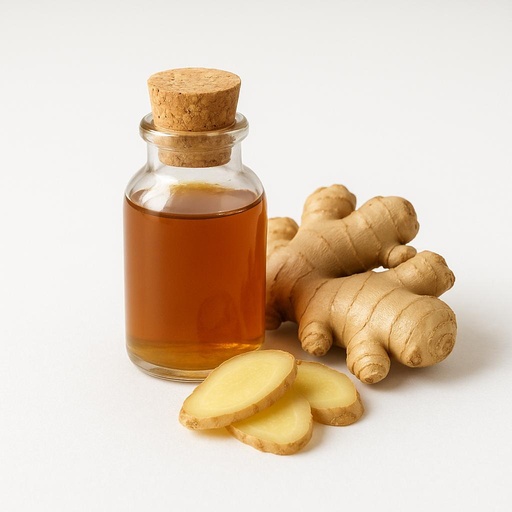
폴란드 생강 추출물 가격 및 무역 — 마켓 오버뷰 2026
하위 제품
농축 생강 추출물, 일반 생강 추출물, 에센셜 오일 생강 추출물, 분말 생강 추출물, +2
파생 제품
진저비어, 진저에일, 수정과
원재료
신선 생강
HS 코드
130219
최종 업데이트
2026-10-19
서치 및 소싱 팀을 위한 핵심 요약
- 수출 파트너 국가 5개와 수입 파트너 국가 5개가 랭킹되어 있습니다.
- 이 페이지 데이터셋의 최신 기준 연도는 2024입니다.
- 페이지 데이터 최종 업데이트일: 2026-10-19.
폴란드 내 생강 추출물 수출 공급업체 인텔리전스, 가격 추이 및 무역 흐름
Supply Chain Intelligence 기업 프로필 및 분석으로 폴란드의 생강 추출물 수출업체 커버리지, 파트너 품질, 경로 우선순위를 검증하세요.
폴란드 내 생강 추출물의 연간 수출 금액, 물량 및 공급업체 시장 규모 (HS 코드 130219)
폴란드의 생강 추출물 수출 물량/금액 3년치를 분석해 공급 측 시장 성장, 계절성, 무역 변동성을 평가하세요.
| 연도 | 물량 | 금액 |
|---|---|---|
| 2024 | 584,233 | 16,190,640 USD |
| 2023 | 727,656 | 11,861,335 USD |
| 2022 | 2,173,057 | 11,205,273 USD |
폴란드에서 수출되는 생강 추출물의 주요 수출 대상 시장 (HS 코드 130219) 2024
2024년 기준, 폴란드발 생강 추출물 수출의 상위 목적지국 5개 전반에서 수출 물량과 금액을 비교하세요.
| 순위 | 국가 | 물량 | 금액 |
|---|---|---|---|
| 1 | 라트비아 | 32,890 | 1,848,005 USD |
| 2 | 독일 | 77,545 | 1,774,784 USD |
| 3 | 미국 | 25,200 | 1,270,303 USD |
| 4 | 네덜란드 | 12,555 | 1,168,223 USD |
| 5 | 프랑스 | 53,870 | 1,158,945 USD |
Tridge Ark · 수입 가능성 진단
폴란드산 생강 추출물, 우리도 들여올 수 있을까요?
필요한 스펙과 물량만 알려주세요. 실제로 소싱이 되는지, 어떤 원산지와 공급사가 맞는지 짚어드려요.
무료 가능성 진단은 가입 없이 받을 수 있습니다.
폴란드의 생강 추출물 수입 바이어 인텔리전스 및 가격 시그널: 바이어, 수요, 거래 파트너
수출업체와 수입업체는 Supply Chain Intelligence 기업 프로필 및 분석으로 폴란드의 생강 추출물 구매 수요, 파트너 밀도, 다운스트림 채널을 분석할 수 있습니다.
폴란드 내 생강 추출물의 연간 수입 금액, 물량 및 수요 규모 (HS 코드 130219)
폴란드의 생강 추출물 수입 물량/금액 3년치를 추적해 수요 성장과 시장 모멘텀을 평가하세요.
| 연도 | 물량 | 금액 |
|---|---|---|
| 2024 | 2,314,646 | 58,180,343 USD |
| 2023 | 2,748,812 | 54,024,899 USD |
| 2022 | 2,277,964 | 50,610,652 USD |
폴란드에 생강 추출물를 공급하는 주요 원산지 공급국 (HS 코드 130219) 2024
2024년 기준, 폴란드로 생강 추출물를 공급하는 상위 원산 공급국 5개 전반의 수입 물량과 금액을 비교하세요.
| 순위 | 국가 | 물량 | 금액 |
|---|---|---|---|
| 1 | 중국 | 914,180 | 21,118,462 USD |
| 2 | 프랑스 | 221,030 | 8,596,959 USD |
| 3 | 스페인 | 257,980 | 7,901,321 USD |
| 4 | 독일 | 144,105 | 6,659,286 USD |
| 5 | 인도 | 139,125 | 5,104,334 USD |
Tridge Ark · 수출 가능성 진단
우리 생강 추출물, 이 폴란드 바이어들에게 팔 수 있을까요?
만드시는 제품만 알려주시면 됩니다. 지금 수출할 준비가 됐는지, 어느 시장이 맞는지 봐드려요.
무료 가능성 진단은 가입 없이 받을 수 있습니다.
Classification
Product TypeIngredient
Product FormExtract (typically powder or oleoresin)
Industry PositionFood Ingredient / Botanical Extract
Market
Ginger extract in Poland is primarily an import-dependent ingredient market, supplied through EU and global ingredient distribution networks for use in foods, beverages, and food supplements. As an EU Member State, Poland applies EU-wide rules that can materially affect market access for botanical extracts, including novel food status determinations for certain extracts and intended uses. Food-safety compliance expectations for spices and botanical ingredients commonly focus on pesticide-residue conformity and contaminant controls, with non-compliance routed through EU alert mechanisms. For supplement-style products, Poland’s competent authority processes include business registration and product notification workflows.
Market RoleImport-dependent consumer and processing market (EU Member State)
Domestic RoleUsed as a botanical ingredient for food manufacturing and food supplements; also distributed via retail supplement channels
Market Growth
Specification
Primary VarietyZingiber officinale (ginger rhizome) extract
Compositional Metrics
- Gingerols and shogaols content testing may be used for identity/standardization of ginger extracts/oleoresins (analytical method reference: ISO 13685).
Supply Chain
Value Chain
- Overseas producer (extraction/standardization) → EU importer/ingredient distributor → Polish food/supplement manufacturer (formulation/packing) → retail/wholesale distribution
Freight IntensityLow
Transport ModeMultimodal
Risks
Regulatory Compliance HighMarket access can be blocked if the specific ginger extract (composition, concentration, or intended use) is deemed a 'novel food' and is placed on the EU/Polish market without the required authorisation under Regulation (EU) 2015/2283; novel food is defined by lack of significant EU consumption before 15 May 1997 and category criteria.Confirm intended use classification early (food flavouring vs supplement ingredient) and assess novel-food status against the EU framework; where uncertainty exists, compile documented history-of-use evidence or pursue the EU authorisation pathway with competent-regulator/EFSA-aligned dossier planning.
Food Safety HighEU border and market actions (including RASFF-linked issues) commonly arise in the spices/herbs category from pesticide MRL exceedances and other contaminants; non-compliant consignments can be detained, rejected, or withdrawn from the market.Implement HACCP-based controls and supplier qualification; use accredited lab testing and COAs aligned to EU MRLs (Regulation (EC) No 396/2005) and contaminant limits (Commission Regulation (EU) 2023/915), and maintain batch traceability for rapid containment.
Tariff Classification MediumBotanical 'ginger extract' can fall under different CN/HS classifications depending on product characteristics and intended use, creating risk of incorrect duty/tax treatment or documentary mismatches at import.Use the EU BTI process (and consult EBTI decisions) to lock a defensible tariff classification before scaling shipments.
Documentation Gap MediumFor supplement-style products, Poland’s notification and monitoring approach (GIS/e-Sanepid) and EU labelling rules can lead to compliance actions if product and label documentation are incomplete or inconsistent with the declared category (food vs supplement vs flavouring).Align product presentation/claims and label content to EU food information rules and supplement-specific labelling expectations; follow GIS guidance for notification workflows and retain dossier evidence supporting category and safety.
Sustainability
- EU buyer sustainability codes of conduct and third-party sustainability schemes (e.g., Rainforest Alliance) are increasingly requested in spice/herb supply chains supplying EU markets such as Poland.
- Pesticide-use reduction and residue management are recurring compliance and sustainability expectations for spice/botanical supply chains serving the EU.
Labor & Social
- Buyer codes of conduct and social audit frameworks (e.g., SMETA) are commonly encountered in EU spices/herbs supply chains and may be requested for botanical-ingredient sourcing used in Poland/EU.
Standards
- FSSC 22000
- IFS
- BRCGS
- GFSI-recognised food safety certification (buyer-driven)
FAQ
Can ginger extract be treated as a “novel food” in Poland (EU)?It can be, depending on the specific extract and intended use. In the EU, a novel food is defined as food not consumed to a significant degree before 15 May 1997 and meeting category criteria under Regulation (EU) 2015/2283; if a product is considered novel, it generally needs EU authorisation before it can be placed on the market in Poland.
If ginger extract is sold as a food supplement in Poland, is there a pre-approval step?Poland’s Chief Sanitary Inspectorate (GIS) describes a notification-based approach: the operator must follow food-business registration/approval steps where applicable and notify GIS electronically via the e-Sanepid system for products subject to notification, and GIS notes it does not “approve” supplements before sale but monitors notified products.
What are the most common EU food-safety compliance pain points for spice/botanical ingredients like ginger extract?EU market guidance for herbs and spices highlights pesticide MRL exceedances as a frequent driver of non-compliance actions, with issues tracked via the EU Rapid Alert System for Food and Feed (RASFF). For Poland as an EU market, meeting EU pesticide MRL rules and contaminant maximum levels is a central compliance requirement.
Sources


Tridge Ark · 수출·수입 가능성 진단
폴란드 생강 추출물, 사는 쪽이세요 파는 쪽이세요?
어느 쪽이든 몇 가지만 답해주시면 됩니다. 어디서 살 수 있는지, 누구에게 팔 수 있는지 정리해서 보내드릴게요.
무료 가능성 진단은 가입 없이 받을 수 있습니다.
'쿠키 허용'을 클릭하면 통계 및 개인 선호도 산출을 위한 쿠키 제공에 동의하게 됩니다.
개인정보 보호정책에서 쿠키에 대한 자세한 내용을 확인할 수 있습니다.