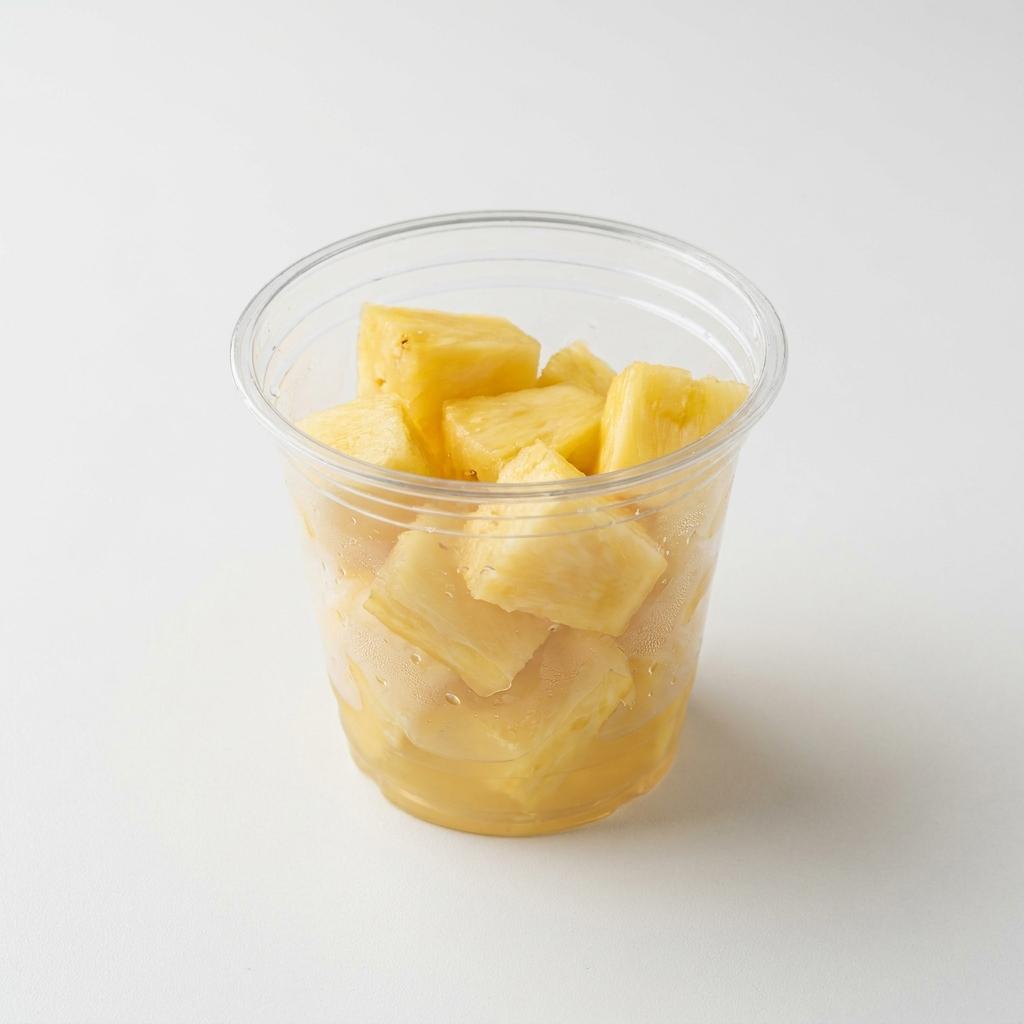
파인애플 과일 컵 공급업체, 무역 및 가격 — 마켓 오버뷰 2026
상위 제품
과일 컵
최종 업데이트
2026-11-06
서치 및 소싱 팀을 위한 핵심 요약
- 파인애플 과일 컵 마켓 커버리지는 24개 국가에 걸쳐 있습니다.
- 이 제품에 대해 글로벌 공급망 인텔리전스 네트워크에 수출업체 59개와 수입업체 88개가 색인되어 있습니다.
- 789건의 공급업체 연계 거래가 상위 18개 국가에 걸쳐 요약되어 있습니다.
- 페이지 데이터 최종 업데이트일: 2026-11-06.
파인애플 과일 컵에 대한 글로벌 공급업체 거래, 수출 활동 및 가격 벤치마크
상위 18개 국가에 걸친 공급업체 연계 거래 789건을 분석하고, 월간 단가 벤치마크로 파인애플 과일 컵의 수출 경쟁력과 소싱 리스크를 추적하세요.
파인애플 과일 컵 국가별 공급업체 거래 및 수출 모멘텀 전년 대비 변화
파인애플 과일 컵의 긍정적/부정적 전년 대비 변화를 비교해 성장하는 공급 시장과 약화되는 수출 경로를 식별하세요.
파인애플 과일 컵의 YoY 변동 상위 국가는 멕시코 (+66.3%), 베트남 (-30.0%), 태국 (-15.6%)입니다.
파인애플 과일 컵 국가별 공급업체 거래 및 단가 요약
2025-12 기준으로 파인애플 과일 컵 국가별 거래 건수와 월간 단가/물량을 비교해 공급업체 및 수출 시장 우선순위를 정하세요.
2026-05 기준, 노출 가능한 파인애플 과일 컵 거래 단가가 있는 국가는 멕시코 (2.43 USD / kg), 필리핀 (1.76 USD / kg), 페루 (1.58 USD / kg), 태국 (1.28 USD / kg), 베트남 (1.22 USD / kg), 외 1개국입니다.
원산지별 최신 월별 가격 보기
| 국가 | 전년 대비 변화 | 거래 건수 | 2025-12 | 2026-01 | 2026-02 | 2026-03 | 2026-04 | 2026-05 | 2026-06 | 2026-07 | 2026-08 | 2026-09 | 2026-10 | 2026-11 |
|---|---|---|---|---|---|---|---|---|---|---|---|---|---|---|
| 필리핀 | -6.6% | 589 | 1.59 USD / kg (322,355.734 kg) | 1.76 USD / kg (215,287.441 kg) | 1.70 USD / kg (461,168.091 kg) | 1.74 USD / kg (707,378.966 kg) | 1.76 USD / kg (370,612.152 kg) | 1.76 USD / kg (517,441.358 kg) | ||||||
| 베트남 | -30.0% | 11 | 1.29 USD / kg (-) | 1.29 USD / kg (36,288 kg) | 1.26 USD / kg (22,088.16 kg) | 1.26 USD / kg (36,288 kg) | - (-) | 1.22 USD / kg (18,144 kg) | ||||||
| 태국 | -15.6% | 27 | 0.88 USD / kg (176,870 kg) | - (-) | 1.50 USD / kg (228,120 kg) | 0.87 USD / kg (48,810 kg) | 0.97 USD / kg (68,810 kg) | 1.28 USD / kg (88,725 kg) | ||||||
| 인도네시아 | -13.4% | 23 | 0.73 USD / kg (10,700 kg) | 0.70 USD / kg (107,000 kg) | - (-) | 0.70 USD / kg (21,410 kg) | - (-) | 0.73 USD / kg (20,520 kg) | ||||||
| 페루 | - | 21 | 1.96 USD / kg (26,580 kg) | - (-) | 2.66 USD / kg (22,720 kg) | 1.18 USD / kg (10,528 kg) | 2.37 USD / kg (10,026.26 kg) | 1.58 USD / kg (144,409.03 kg) | ||||||
| 싱가포르 | - | 20 | 1.40 USD / kg (-) | 1.40 USD / kg (107,038 kg) | 1.40 USD / kg (107,046 kg) | - (-) | - (-) | - (-) | ||||||
| 대한민국 | - | 12 | 1.42 USD / kg (10,707 kg) | 1.39 USD / kg (48,557 kg) | 1.40 USD / kg (10,707 kg) | 1.37 USD / kg (42,812 kg) | 1.36 USD / kg (18,306 kg) | - (-) | ||||||
| 코스타리카 | -8.4% | 35 | - (-) | 2.20 USD / kg (54,971.79 kg) | 1.77 USD / kg (67,758 kg) | 1.73 USD / kg (78,022 kg) | - (-) | - (-) | ||||||
| 중국 | - | 24 | 1.11 USD / kg (44,780 kg) | 1.83 USD / kg (94,558.3 kg) | 1.30 USD / kg (56,024 kg) | 1.37 USD / kg (37,850 kg) | - (-) | - (-) | ||||||
| 말레이시아 | - | 1 | - (-) | - (-) | - (-) | - (-) | - (-) | - (-) |
파인애플 과일 컵 Global Supply Chain Coverage
147개 기업
파인애플 과일 컵에 대해 수출업체 59개와 수입업체 88개가 매핑되어 있습니다.
수출업체와 수입업체는 Tridge 공급망 인텔리전스의 기업 프로필 및 분석을 활용해 파인애플 과일 컵 거래 상대를 식별하고, 시장 도달 범위를 벤치마킹하며, 시장별 아웃리치 우선순위를 정할 수 있습니다.
파인애플 과일 컵 수출 공급업체 인텔리전스, 무역 흐름 및 가격 시그널
파인애플 과일 컵에 대해 Tridge Supply Chain Intelligence에 수출업체 59개가 매핑되어 있습니다. 수출업체와 수입업체는 회사 프로필 및 분석을 활용해 공급업체 커버리지, 거래 활동, 경로 기회를 평가할 수 있습니다.
파인애플 과일 컵 검증된 수출 공급업체 및 프리미엄 파트너
프리미엄 파인애플 과일 컵 공급업체 1개는 국가, 산업, 연락 가능성 시그널을 포함해 신뢰할 수 있는 수출 파트너를 더 빠르게 우선순위화할 수 있게 합니다.
Kuiburi Fruit Canning Co., Ltd.
태국
식품 제조, 식품 포장
프리미엄 공급업체로 가입하여 Tridge 공급망 네트워크에 참여하고 마케팅 및 수출 채널 전략을 고도화하세요.
파인애플 과일 컵 상위 수출업체 및 공급업체 프로필
선도 수출업체 프로필을 검토하고 파인애플 과일 컵 공급망 인텔리전스 네트워크의 전체 수출업체 59개와 비교해 보세요. 수출업체와 수입업체는 회사 프로필 및 분석을 잠금 해제해 파트너를 더 빠르게 검증할 수 있습니다.
(필리핀)
최근 수출 거래: 2026-10-30
최근 수출 파트너 기업: 12
임직원 규모: 직원 1000명 초과
매출액: 매출 USD 1B 초과
산업군: 작물 생산, 식품 제조
밸류체인 역할: 유통 / 도매, 농업 / 생산 / 가공 / 포장, 식품 제조
수출 국가: 네덜란드, 아랍에미리트, 캐나다, 호주, 사우디아라비아, 뉴질랜드, 대한민국, 중국, 미국, 일본
공급 제품: 신선 바나나, 과일 통조림, 파인애플 주스 +5
(싱가포르)
최근 수출 거래: 2026-10-06
최근 수출 파트너 기업: 2
임직원 규모: 직원 1000명 초과
산업군: 작물 생산, 식품 제조, 식품 포장, 식품 도매
밸류체인 역할: 유통 / 도매, 농업 / 생산 / 가공 / 포장, 식품 제조
수출 국가: 필리핀, 터키, 러시아, 미국, 베트남, 멕시코, 카자흐스탄, 인도, 대한민국
공급 제품: 신선 바나나, 신선 파인애플, 파인애플 주스 +5
(필리핀)
최근 수출 거래: 2026-10-06
최근 수출 파트너 기업: 13
임직원 규모: 직원 1000명 초과
산업군: 음료 제조, 식품 제조
밸류체인 역할: 유통 / 도매, 농업 / 생산 / 가공 / 포장, 식품 제조
수출 국가: 프랑스, 인도, 영국, 독일, 홍콩, 네덜란드, 일본, 멕시코, 중국, 미국
공급 제품: 파인애플 주스 농축액, 과일 통조림, 파인애플 주스 +5
(인도네시아)
최근 수출 거래: 2026-08-30
최근 수출 파트너 기업: 1
임직원 규모: 직원 1000명 초과
산업군: 음료 제조, 작물 생산, 식품 제조, 식품 포장
밸류체인 역할: 유통 / 도매, 농업 / 생산 / 가공 / 포장, 식품 제조
수출 국가: 네덜란드, 스페인, 멕시코, 대한민국, 독일, 미국, 영국, 호주, 러시아, 아르헨티나
공급 제품: 과일 통조림, 파인애플 주스 농축액, 과일 컵 +5
(태국)
최근 수출 거래: 2026-08-11
최근 수출 파트너 기업: 2
임직원 규모: 직원 1000명 초과
산업군: 식품 제조, 식품 도매, 온라인 리테일 및 풀필먼트
밸류체인 역할: 유통 / 도매, 식품 제조, 무역
수출 국가: 베트남, 인도, 터키, 캐나다, 우크라이나, 러시아, 필리핀, 대한민국, 미국
공급 제품: 과일 통조림, 과일 컵, 파인애플 주스 농축액 +5
(태국)
최근 수출 거래: 2026-10-06
최근 수출 파트너 기업: 1
산업군: 음료 제조, 식품 제조, 식품 포장
밸류체인 역할: 유통 / 도매, 농업 / 생산 / 가공 / 포장, 식품 제조
수출 국가: 터키, 카자흐스탄, 필리핀, 파키스탄, 멕시코, 인도, 미국, 대한민국, 우크라이나, 러시아
공급 제품: 과일 통조림, 건조 파인애플, 옥수수통조림 +5
트릿지 아이에서 전체 그림 보기: 가격·거래 전체 이력 · 725,009+ 기업 프로필
파인애플 과일 컵 글로벌 수출업체 커버리지
59개 기업
수출업체 수는 파인애플 과일 컵의 공급 깊이와 소싱 선택지의 핵심 신호입니다.
공급망 인텔리전스 분석을 활용해 파인애플 과일 컵 기회를 국가, 제품, 밸류체인 역할로 좁힌 뒤 기업 프로필을 열어 적합성을 검증하세요.
Tridge Ark · 수입 가능성 진단
파인애플 과일 컵, 어디서 들여오는 게 좋을까요?
필요한 스펙과 물량만 알려주세요. 실제로 소싱이 되는지, 어떤 원산지와 공급사가 맞는지 짚어드려요.
무료 가능성 진단은 가입 없이 받을 수 있습니다.
파인애플 과일 컵 수입 바이어 인텔리전스, 수요 시그널 및 가격 벤치마크
파인애플 과일 컵 수요 인텔리전스를 위해 수입업체 88개가 매핑되어 있습니다. Supply Chain Intelligence 회사 프로필 및 분석으로 시장별 바이어, 유통업체, 다운스트림 수요 파트너의 우선순위를 정하세요.
파인애플 과일 컵 상위 바이어, 수입업체 및 수요 파트너
선도 바이어 프로필을 검토하고 파인애플 과일 컵에 대해 추적되는 전체 수입업체 88개와 비교해 보세요. 수출업체와 수입업체는 Supply Chain Intelligence 회사 프로필 및 분석을 활용해 바이어 품질과 수요 집중도를 평가할 수 있습니다.
(미국)
최근 수입 거래: 2026-08-25
최근 수입 파트너 기업: 4
임직원 규모: 직원 1000명 초과
매출액: 매출 USD 500M - 1B
산업군: 음료 제조, 식품 제조, 식품 포장
밸류체인 역할: 대한민국, 중국, 스위스, 필리핀, 인도, 터키, 코스타리카, 멕시코, 미국
(대한민국)
최근 수입 거래: 2026-10-30
최근 수입 파트너 기업: 2
임직원 규모: 직원 101 - 500명
매출액: 매출 USD 50M - 100M
산업군: 음료 제조, 작물 생산, 식품 제조, 식품 포장, 식음료 서비스업, 식품 도매
밸류체인 역할: -
(대한민국)
최근 수입 거래: 2026-09-04
최근 수입 파트너 기업: 2
임직원 규모: 직원 11 - 50명
산업군: 식품 도매
밸류체인 역할: -
(미국)
최근 수입 거래: 2026-10-06
최근 수입 파트너 기업: 1
임직원 규모: 직원 1000명 초과
매출액: 매출 USD 1B 초과
산업군: 백화점
밸류체인 역할: 보츠와나, 멕시코, 니카라과, 에콰도르, 칠레, 미국, 코스타리카
(미국)
최근 수입 거래: 2026-01-03
최근 수입 파트너 기업: 9
임직원 규모: 직원 1 - 10명
매출액: 매출 USD 10M - 50M
산업군: 식품 제조, 식품 포장, 식음료 서비스업, 식품 도매
밸류체인 역할: -
(미국)
최근 수입 거래: 2026-10-06
최근 수입 파트너 기업: 3
임직원 규모: 직원 11 - 50명
매출액: 매출 USD 10M - 50M
산업군: 식품 제조, 식품 포장, 식품 도매
밸류체인 역할: 인도네시아
트릿지 아이에서 전체 그림 보기: 가격·거래 전체 이력 · 725,009+ 기업 프로필
글로벌 수입업체 커버리지
88개 기업
수입업체 수는 파인애플 과일 컵에 대한 수요 측 가시성의 현재 깊이를 보여줍니다.
공급망 인텔리전스 분석과 기업 프로필을 활용해 활동 중인 파인애플 과일 컵 바이어를 식별하고, 국가별 파트너 밀도를 비교하며, GTM 우선순위를 정교화하세요.
Tridge Ark · 수출 가능성 진단
우리 파인애플 과일 컵, 어느 바이어에게 팔 수 있을까요?
만드시는 제품만 알려주시면 됩니다. 지금 수출할 준비가 됐는지, 어느 시장이 맞는지 봐드려요.
무료 가능성 진단은 가입 없이 받을 수 있습니다.
Classification
Product TypeProcessed Food
Product FormShelf-stable single-serve cups
Industry PositionConsumer Packaged Food
Market
Pineapple fruit cups are a globally traded ready-to-eat product typically supplied from industrial pineapple processing hubs that convert tropical pineapple harvests into shelf-stable, portioned consumer packs. Trade flows for prepared or preserved pineapple products commonly align with HS 200820, with major export supply concentrated in Southeast Asia and select re-export hubs. Major import demand is concentrated in large packaged-food markets in North America, Europe, and East Asia, where convenience snacking and lunchbox usage support steady baseline demand. Key commercial dynamics are driven by raw pineapple availability and quality, packaging input costs (cups/lidding), and compliance with food safety and additive standards for prepared fruit.
Major Producing Countries
- 코스타리카Among leading global pineapple producers in FAOSTAT crop statistics; major upstream origin for fresh and processing-grade fruit.
- 필리핀Major pineapple producer and a key processing base for prepared/preserved pineapple products.
- 브라질Large pineapple-producing country in FAOSTAT crop statistics; primarily domestic consumption with some processing.
- 인도네시아Major pineapple producer and major exporter of prepared/preserved pineapple products (HS 200820) in UN Comtrade data via WITS.
- 태국Major pineapple producer and leading exporter of prepared/preserved pineapple products (HS 200820) in UN Comtrade data via WITS.
Major Exporting Countries
- 태국Top exporter of HS 200820 (pineapples, prepared or preserved) in UN Comtrade data via WITS (2024).
- 인도네시아Top exporter of HS 200820 in UN Comtrade data via WITS (2024).
- 필리핀Top exporter of HS 200820 in UN Comtrade data via WITS (2024).
- 케냐Significant exporter of HS 200820 in UN Comtrade data via WITS (2024).
- 네덜란드Notable exporter/re-exporter of HS 200820 in UN Comtrade data via WITS (2024), reflecting EU distribution and re-export activity.
Major Importing Countries
- 미국Largest single importer of HS 200820 (prepared/preserved pineapple) in UN Comtrade data via WITS (2024).
- 스페인Major importer of HS 200820 in UN Comtrade data via WITS (2024).
- 독일Major importer of HS 200820 in UN Comtrade data via WITS (2024).
- 중국Major importer of HS 200820 in UN Comtrade data via WITS (2024).
- 일본Major importer of HS 200820 in UN Comtrade data via WITS (2024).
Specification
Major VarietiesSmooth Cayenne-type (commonly used for processing into pieces), MD-2 (commonly used in global pineapple supply chains, especially fresh export)
Physical Attributes
- Uniform diced chunks/tidbits with controlled piece size for spoonable single-serve formats
- Yellow-golden color and intact texture (firmness) without excessive fiber or translucency
- Low defect tolerance for core fragments, peel remnants, and bruised/discolored pieces
Compositional Metrics
- Soluble solids (Brix) and Brix/acid balance used to manage sweetness perception and lot-to-lot consistency
- Drained weight and net weight verification as key commercial and regulatory checks for packed fruit products
Grades
- Codex commodity standard conventions for canned pineapple (style/defect limits and packing media expectations) are commonly referenced for prepared pineapple products
Packaging
- Retortable single-serve plastic cups with heat-sealed lidding (foil/laminate), typically case-packed for export distribution
- Alternative formats in the same trade category include cans and pouches; fruit cups emphasize portion control and convenience
ProcessingPacked in water/juice/syrup media and hermetically sealed prior to thermal processing for shelf stabilityOptional use of acidulants/antioxidants and firming agents depending on formulation and target texture/color outcomes
Supply Chain
Value Chain
- Pineapple cultivation and harvest (tropical origins) -> transport to processing facility -> peeling/coring/cutting -> cup filling with packing medium -> sealing -> thermal processing -> cooling -> case packing/palletizing -> containerized export -> ambient distribution to retail/foodservice
Demand Drivers
- Convenience snacking and lunchbox-ready single-serve formats in retail channels
- Preference for ready-to-eat fruit with predictable sweetness/texture and year-round availability independent of fresh seasonality
- Institutional and foodservice demand for portion-controlled fruit components (schools, hospitals, airlines, catering)
Temperature
- Shelf-stable fruit cups are typically distributed ambient; heat exposure control during storage and shipping helps preserve sensory quality (color/flavor) over time
- Once opened, product is generally handled as a refrigerated ready-to-eat food to reduce spoilage risk
Shelf Life
- Shelf stability is achieved through hermetic sealing and validated thermal processing; seal integrity and process control are critical to prevent spoilage and safety failures
- Quality over storage time is influenced by packing medium, headspace oxygen management, and temperature abuse in downstream logistics
Risks
Food Safety HighPineapple fruit cups are a ready-to-eat product; failures in sanitation controls, seal integrity, or thermal process validation can trigger spoilage or pathogen-related recalls and rapid trade or retailer delist disruptions.Run a validated HACCP plan with critical control points for fruit preparation and thermal processing; verify container closure integrity; maintain robust traceability, environmental monitoring, and supplier approval for incoming fruit and packaging.
Supply Concentration MediumExports of prepared/preserved pineapple (a common proxy category for fruit-cup trade) are concentrated in a small set of countries with large processing capacity, increasing exposure to localized shocks (plant outages, logistics disruptions, input inflation).Qualify multi-origin supply (e.g., multiple processing countries) and maintain dual-approved packaging and ingredient suppliers to reduce single-node dependency.
Climate MediumPineapple production in tropical regions is exposed to extreme rainfall events, drought, and cyclone/typhoon impacts that can reduce field yields, damage fruit quality for processing, and disrupt factory throughput.Diversify sourcing regions and contracts, monitor origin-level climate alerts, and align inventory buffers with peak weather-risk periods in major producing regions.
Regulatory Compliance MediumAdditive permissions, labeling rules (e.g., sugar-related claims), and packaging compliance requirements vary across import markets; non-compliance can result in border holds, relabeling costs, or reformulation needs.Map target-market additive and labeling requirements to Codex-aligned specs; implement regulatory review gates for formulations, artwork, and pack materials before production runs.
Sustainability
- Single-serve packaging footprint: high packaging-to-product ratio increases exposure to plastic-waste scrutiny, recycling constraints, and extended producer responsibility (EPR) cost shifts
- Tropical plantation land-use impacts: biodiversity loss risk and agrochemical runoff concerns in pineapple-growing regions supplying processing plants
- Processing effluent and wastewater management: fruit processing generates high-organic-load wastewater that can become a compliance and community-impact risk if not treated effectively
Labor & Social
- Plantation and processing labor conditions: worker health and safety (including potential agrochemical exposure), wages, and working hours are recurrent due-diligence themes in large-scale tropical fruit supply chains
- Migrant/seasonal labor vulnerability and supplier transparency challenges across multi-tier sourcing networks
FAQ
What trade classification commonly captures pineapple fruit cups in global trade data?Pineapple fruit cups are often tracked within the broader category of prepared or preserved pineapples under HS 200820, which covers “pineapples, prepared or preserved” in the HS system.
Which countries are major exporters of prepared or preserved pineapple products relevant to fruit cups?Thailand, Indonesia, and the Philippines are leading exporters in HS 200820 trade statistics, with Kenya and the Netherlands also appearing among significant exporters (often reflecting EU re-export activity).
Why are many pineapple fruit cups shelf-stable at ambient temperature?Shelf stability is typically achieved by filling and hermetically sealing the cups and then applying validated thermal processing (retort) to control microorganisms; this approach aligns with established Codex commodity standards for canned pineapple and general food hygiene expectations.
Sources


Tridge Ark · 수출·수입 가능성 진단
파인애플 과일 컵, 사는 쪽이세요 파는 쪽이세요?
어느 쪽이든 몇 가지만 답해주시면 됩니다. 어디서 살 수 있는지, 누구에게 팔 수 있는지 정리해서 보내드릴게요.
무료 가능성 진단은 가입 없이 받을 수 있습니다.
'쿠키 허용'을 클릭하면 통계 및 개인 선호도 산출을 위한 쿠키 제공에 동의하게 됩니다.
개인정보 보호정책에서 쿠키에 대한 자세한 내용을 확인할 수 있습니다.