브라질 표백 셸락 공급업체 및 가격 — 마켓 오버뷰 2026
HS 코드
130190
최종 업데이트
2026-08-23
서치 및 소싱 팀을 위한 핵심 요약
- 브라질에 대한 샘플 수출 거래 5건이 요약되어 있습니다.
- 브라질의 표백 셸락에 대해 수출 파트너 기업 1개와 수입 파트너 기업 4개가 매핑되어 있습니다.
- 수출 파트너 국가 5개와 수입 파트너 국가 5개가 랭킹되어 있습니다.
- 이 페이지 데이터셋의 최신 기준 연도는 2024입니다.
- 페이지 데이터 최종 업데이트일: 2026-08-23.
브라질 내 표백 셸락 수출 공급업체 인텔리전스, 가격 추이 및 무역 흐름
브라질의 표백 셸락에 대해 수출 파트너 기업 1개가 추적됩니다. Supply Chain Intelligence 회사 프로필 및 분석으로 수출업체 커버리지, 파트너 품질, 경로 우선순위를 검증하세요.
브라질에서의 표백 셸락 수출 인텔리전스를 확인하세요. 샘플 공급업체 거래 5건, 월간 단가 범위, HS 코드 130190의 파트너 국가 무역 흐름 패턴을 포함합니다.
스캐터 포인트는 전체 거래 데이터셋의 78.6%에서 샘플링되었습니다.
표백 셸락의 브라질 샘플 수출 공급업체 거래 기록
브라질의 표백 셸락 샘플 거래 5건에는 수출 가격과 공급업체 거래 패턴 벤치마킹을 위한 날짜, 원산지, 파트너 국가 맥락이 포함됩니다.
브라질의 표백 셸락 샘플 거래 단가(일자별): 2026-05-21: 12.00 USD / kg, 2026-05-06: 1.83 USD / kg, 2026-03-16: 7.73 USD / kg, 2026-01-05: 8.76 USD / kg, 2026-01-05: 8.76 USD / kg.
| 일자 | 신고 품목 | 단가 | 수출업체 | 수입업체 | |
|---|---|---|---|---|---|
| 2026-05-21 | LOS *** ******* *********** * ************ ********** | 12.00 USD / kg | (브라질) | (아르헨티나) | |
| 2026-05-06 | RES*** ***** **** *** **** ***** ********* ********* ******* ***** **** ******** ************ **** *** ************* ****** **** *** **** ******* *** ***** ********* | 1.83 USD / kg | (브라질) | (페루) | |
| 2026-03-16 | LOS *** ******* *********** * ************ ********** | 7.73 USD / kg | (브라질) | (코스타리카) | |
| 2026-01-05 | LOS *** ******* *********** * ************ ********** | 8.76 USD / kg | (브라질) | (코스타리카) | |
| 2026-01-05 | GOM* **** * **** **** ***** * ******* * ***** | 8.76 USD / kg | (브라질) | (코스타리카) |
브라질 내 상위 표백 셸락 수출 공급업체 및 기업
선도 수출업체 프로필을 검토하고 브라질의 표백 셸락에 대해 추적되는 전체 수출 파트너 기업 1개와 비교하세요. Supply Chain Intelligence 회사 프로필 및 분석으로 소싱 및 수출 파트너를 더 빠르게 선별할 수 있습니다.
(브라질)
최근 수출 거래: 2026-07-23
산업군: 기타
밸류체인 역할: 유통 / 도매
브라질 수출 파트너 커버리지
1개 기업
총 수출 파트너 기업 수는 브라질의 표백 셸락 수출 네트워크 깊이를 보여주는 핵심 신호입니다.
수출업체와 수입업체는 공급망 인텔리전스 기업 프로필 및 분석을 열어 브라질 내 표백 셸락 파트너 집중도, 공급 역량 시그널, 무역 관련성을 평가할 수 있습니다.
브라질 내 표백 셸락의 연간 수출 금액, 물량 및 공급업체 시장 규모 (HS 코드 130190)
브라질의 표백 셸락 수출 물량/금액 3년치를 분석해 공급 측 시장 성장, 계절성, 무역 변동성을 평가하세요.
| 연도 | 물량 | 금액 |
|---|---|---|
| 2024 | 31,678,376 | 33,136,690 USD |
| 2023 | 30,276,811 | 28,652,310 USD |
| 2022 | 31,924,796 | 49,121,154 USD |
브라질에서 수출되는 표백 셸락의 주요 수출 대상 시장 (HS 코드 130190) 2024
2024년 기준, 브라질발 표백 셸락 수출의 상위 목적지국 5개 전반에서 수출 물량과 금액을 비교하세요.
| 순위 | 국가 | 물량 | 금액 |
|---|---|---|---|
| 1 | 포르투갈 | 28,434,592 | 28,624,013 USD |
| 2 | 베트남 | 1,931,135 | 1,813,177 USD |
| 3 | 스페인 | 803,590 | 967,266 USD |
| 4 | 중국 | 324,105 | 325,280 USD |
| 5 | 미국 | 26,796 | 275,200 USD |
소싱 진단
브라질산 표백 셸락, 우리도 들여올 수 있을까요?
필요한 스펙과 물량만 알려주세요. 실제로 소싱이 되는지, 어떤 원산지와 공급사가 맞는지 무료로 짚어드려요.
브라질의 표백 셸락 수입 바이어 인텔리전스 및 가격 시그널: 바이어, 수요, 거래 파트너
브라질의 표백 셸락에 대해 수입 파트너 기업 4개가 추적됩니다. 수출업체와 수입업체는 Supply Chain Intelligence 회사 프로필 및 분석을 활용해 바이어 수요, 파트너 밀도, 다운스트림 채널을 분석할 수 있습니다.
스캐터 포인트는 전체 거래 데이터셋의 100.0%에서 샘플링되었습니다.
표백 셸락의 브라질 샘플 수입 거래 및 가격 기록
브라질의 표백 셸락 샘플 수입 거래 5건은 가격 수준과 수요 측 거래 패턴 벤치마킹을 위한 날짜, 원산지, 무역 국가 맥락을 제공합니다.
브라질의 표백 셸락 샘플 수입 거래 단가(일자별): 2026-07-27: 16.29 USD / kg, 2026-07-23: 65.53 USD / kg, 2026-07-13: 16.00 USD / kg, 2026-05-31: 16.29 USD / kg, 2026-05-27: 65.53 USD / kg.
| 일자 | 신고 품목 | 단가 | 수출업체 | 수입업체 | 원산지 | |
|---|---|---|---|---|---|---|
| 2026-07-27 | 20 ***** ** ******* ******* **** ** ********** ***** ******* | 16.29 USD / kg | (-) | (-) | - | |
| 2026-07-23 | SHE********* ******* ******* ** *** ***** ******* **** ** ***** ****** ******* | 65.53 USD / kg | (-) | (-) | - | |
| 2026-07-13 | SHE**** * ******** ** *** ************** ****** ** ***** ******* | 16.00 USD / kg | (-) | (-) | - | |
| 2026-05-31 | 20 ***** ** ******* ******* **** ** ********** ***** ******* | 16.29 USD / kg | (-) | (-) | - | |
| 2026-05-27 | SHE********* ******* ******* ** *** ***** ******* **** ** ***** ****** ******* | 65.53 USD / kg | (-) | (-) | - |
브라질 내 상위 표백 셸락 바이어, 수입업체 및 수요 파트너
선도 바이어 프로필을 검토하고 브라질의 표백 셸락에 대해 추적되는 전체 수입 파트너 기업 4개와 비교하세요. 수출업체와 수입업체는 Supply Chain Intelligence 회사 프로필 및 분석으로 수요 측 파트너 적합도를 평가할 수 있습니다.
(브라질)
최근 수입 거래: 2026-07-23
임직원 규모: 직원 501 - 1000명
산업군: 기타
밸류체인 역할: 유통 / 도매
(브라질)
최근 수입 거래: 2026-07-23
산업군: 기타
밸류체인 역할: 무역
(브라질)
최근 수입 거래: 2026-07-23
산업군: 식품 제조
밸류체인 역할: 유통 / 도매식품 제조
(브라질)
최근 수입 거래: 2026-07-23
산업군: 음료 제조식품 제조식음료 서비스업기타
밸류체인 역할: 유통 / 도매식품 제조기타소매
브라질 수입 파트너 커버리지
4개 기업
수입 파트너 기업 수는 브라질의 표백 셸락 수요 측 가시성을 보여줍니다.
공급망 인텔리전스 분석과 기업 프로필을 활용해 브라질에서 활동 중인 표백 셸락 수입업체, 유통업체, 바이어 네트워크를 식별하세요.
브라질 내 표백 셸락의 연간 수입 금액, 물량 및 수요 규모 (HS 코드 130190)
브라질의 표백 셸락 수입 물량/금액 3년치를 추적해 수요 성장과 시장 모멘텀을 평가하세요.
| 연도 | 물량 | 금액 |
|---|---|---|
| 2024 | 3,114,957 | 5,271,978 USD |
| 2023 | 2,269,951 | 4,308,577 USD |
| 2022 | 1,238,441 | 4,778,281 USD |
브라질에 표백 셸락를 공급하는 주요 원산지 공급국 (HS 코드 130190) 2024
2024년 기준, 브라질로 표백 셸락를 공급하는 상위 원산 공급국 5개 전반의 수입 물량과 금액을 비교하세요.
| 순위 | 국가 | 물량 | 금액 |
|---|---|---|---|
| 1 | 인도 | 199,499 | 1,793,746 USD |
| 2 | 아르헨티나 | 2,504,330 | 1,548,316 USD |
| 3 | 프랑스 | 25,986 | 470,133 USD |
| 4 | 일본 | 41,600 | 268,991 USD |
| 5 | 독일 | 11,446 | 249,502 USD |
수출 진단
우리 표백 셸락, 이 브라질 바이어들에게 팔 수 있을까요?
만드시는 제품만 알려주시면 됩니다. 지금 수출할 준비가 됐는지, 어느 시장이 맞는지 무료로 봐드려요.
가격 데이터
가려진 브라질 표백 셸락 가격, 열어볼까요?
전체 가격 히스토리와 경쟁사 벤치마크를 열어드립니다. 어떤 숫자가 필요하신지만 말씀해 주시면 함께 살펴봐 드려요.
Classification
Product TypeIngredient
Product FormRefined (wax-free bleached shellac resin)
Industry PositionFood additive and pharmaceutical excipient (glazing/surface-finishing agent)
Market
Bleached shellac (INS 904) is a specialty glazing/surface-finishing additive used in Brazil primarily via imports for confectionery and other coated foods, and for pharmaceutical/dietary-supplement tablet/capsule coatings. Brazil’s use context is driven by ANVISA’s food-category authorizations and Mercosur technical regulations that reference INS-based additive listings. Where permitted, shellac is also used for surface treatment of fresh produce; ANVISA regulatory updates and category-specific limits (often quantum satis) determine practical market access. The market is therefore compliance-led, with demand linked to downstream manufacturers’ coating and appearance/handling requirements.
Market RoleNet importer and domestic user market (specialty food additive and pharmaceutical excipient)
Domestic RoleInput material for domestic food processing, produce surface treatment (where permitted), and pharmaceutical/supplement manufacturing
Market GrowthNot Mentioned
Specification
Physical Attributes
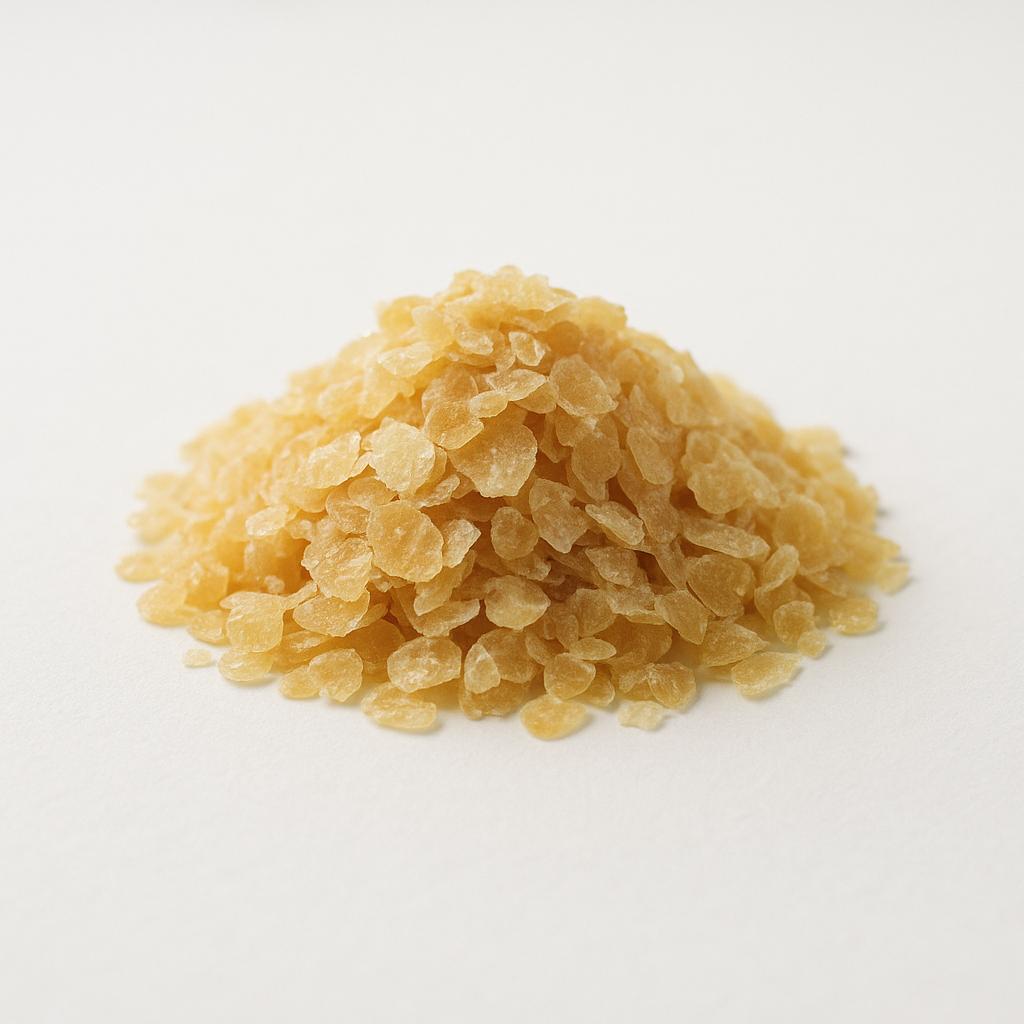
- Bleached shellac is described as an off-white to tan, amorphous, granular resin; wax-free bleached shellac as a light yellow, amorphous, granular resin
- Generally insoluble in water and soluble (slowly) in alcohol, supporting use as solvent-based glazing/coating systems
Compositional Metrics
- Acid value is referenced in some specifications/compendia sources as a quality parameter (e.g., values reported in the literature and databases for shellac)
Grades
- Bleached shellac
- Wax-free bleached shellac (dewaxed grade)
Packaging
- Typically supplied as granular resin/flakes/powder for industrial use; moisture-barrier packaging is commonly used to protect quality during storage and distribution
Supply Chain
Value Chain
- Import (resin) → dry storage → quality release against specification → dissolution/compounding into coating system (as applicable) → application as glazing/surface-finishing in food or pharmaceutical production → finished goods distribution
Temperature
- Generally handled as a shelf-stable dry resin; protect from heat and humidity during storage in Brazil to reduce softening/caking risk
Freight IntensityLow
Transport ModeSea
Risks
Regulatory Compliance HighIn Brazil, shellac (INS 904) use is category-specific under ANVISA/Mercosur-aligned additive lists; if the intended application is not authorized (or a consultation outcome is assumed but not yet enacted), products using the coating can be non-compliant, risking enforcement actions, recalls, or blocked commercialization.Validate the exact ANVISA authorization for the intended food category (and any current updates), document the legal basis, and align labeling/technical files before import and production runs.
Food Safety MediumNon-conformity to identity/purity specifications (e.g., impurities from processing/bleaching or inconsistent grade declaration between bleached vs. wax-free bleached shellac) can lead to customer rejection or regulatory non-compliance in Brazil.Require CoA to JECFA specifications for each lot, verify grade identity (bleached vs. wax-free bleached), and implement incoming QC and supplier qualification.
Market Access MediumBecause shellac is insect-derived, misalignment with vegan/vegetarian positioning or unverified religious-dietary claims (e.g., halal/kosher) can create reputational and compliance risk in Brazil’s retail and supplement/pharma channels.Disclose ingredient origin transparently in internal compliance files, avoid vegan claims, and obtain channel-specific halal/kosher certifications when required.
Sustainability
- Origin-country biodiversity and host-tree stewardship considerations for lac cultivation/harvesting (supply chain is predominantly outside Brazil)
- Chemical use and wastewater management expectations at bleaching/processing stages in the upstream supply chain
Labor & Social
- Insect-derived ingredient (lac insect) can trigger ethical/consumer scrutiny for vegan positioning; ensure marketing claims in Brazil do not misrepresent the ingredient’s origin
FAQ
Qual é a função do shellac (INS 904) no mercado brasileiro?O shellac (INS 904) é usado principalmente como agente glaceante/recobrimento (glazing/surface-finishing) para dar brilho e proteção superficial em certos alimentos e, fora do uso alimentar direto, como material de revestimento em comprimidos e cápsulas. No Brasil, o uso em alimentos depende das autorizações por categoria definidas pela Anvisa e referências do Mercosul, e também existe referência de uso em categorias como frutas com tratamento de superfície.
O uso de shellac é automaticamente permitido em qualquer alimento no Brasil?Não. No Brasil, a lógica regulatória de aditivos é por categoria de alimento e função tecnológica. Mesmo quando o shellac (INS 904) aparece em listas técnicas (como no âmbito Mercosul) e em anexos da Anvisa para certas categorias, o uso deve ser validado para a categoria específica do produto final e respeitar as condições aplicáveis (frequentemente quantum satis).
Shellac (INS 904) é compatível com alegações veganas?Não. O shellac é obtido a partir de secreções de insetos (lac insect), então não é compatível com alegações veganas. Para canais que exigem halal ou kosher, a aceitação pode ser condicional e deve ser confirmada com o certificador e o cliente-alvo.
Sources
브라질 대비 공급업체, 수출 및 가격 비교를 위한 표백 셸락의 다른 국가 마켓
브라질와 연관된 국가들에서 표백 셸락 공급업체 커버리지, 무역 흐름, 가격 벤치마크를 비교해 보세요.


무료 진단
브라질 표백 셸락, 사는 쪽이세요 파는 쪽이세요?
어느 쪽이든 몇 가지만 답해주시면 됩니다. 어디서 살 수 있는지, 누구에게 팔 수 있는지 정리해서 보내드릴게요.
'쿠키 허용'을 클릭하면 통계 및 개인 선호도 산출을 위한 쿠키 제공에 동의하게 됩니다.
개인정보 보호정책에서 쿠키에 대한 자세한 내용을 확인할 수 있습니다.