독일 표백 셸락 공급업체 및 가격 — 마켓 오버뷰 2026
HS 코드
130190
최종 업데이트
2026-08-23
서치 및 소싱 팀을 위한 핵심 요약
- 독일에 대한 샘플 수출 거래 5건이 요약되어 있습니다.
- 독일의 표백 셸락에 대해 수출 파트너 기업 6개와 수입 파트너 기업 22개가 매핑되어 있습니다.
- 수출 파트너 국가 5개와 수입 파트너 국가 5개가 랭킹되어 있습니다.
- 이 페이지 데이터셋의 최신 기준 연도는 2024입니다.
- 페이지 데이터 최종 업데이트일: 2026-08-23.
독일 내 표백 셸락 수출 공급업체 인텔리전스, 가격 추이 및 무역 흐름
독일의 표백 셸락에 대해 수출 파트너 기업 6개가 추적됩니다. Supply Chain Intelligence 회사 프로필 및 분석으로 수출업체 커버리지, 파트너 품질, 경로 우선순위를 검증하세요.
독일에서의 표백 셸락 수출 인텔리전스를 확인하세요. 샘플 공급업체 거래 5건, 월간 단가 범위, HS 코드 130190의 파트너 국가 무역 흐름 패턴을 포함합니다.
스캐터 포인트는 전체 거래 데이터셋의 100.0%에서 샘플링되었습니다.
표백 셸락의 독일 샘플 수출 공급업체 거래 기록
독일의 표백 셸락 샘플 거래 5건에는 수출 가격과 공급업체 거래 패턴 벤치마킹을 위한 날짜, 원산지, 파트너 국가 맥락이 포함됩니다.
독일의 표백 셸락 샘플 거래 단가(일자별): 2026-06-30: 26.84 USD / kg, 2026-06-30: 28.13 USD / kg, 2026-06-21: 24.47 USD / kg, 2026-06-18: 23.40 USD / kg, 2026-04-23: 25.84 USD / kg.
| 일자 | 신고 품목 | 단가 | 수출업체 | 수입업체 | |
|---|---|---|---|---|---|
| 2026-06-30 | GOM* **** | 26.84 USD / kg | (독일) | (에콰도르) | |
| 2026-06-30 | GOM* **** | 28.13 USD / kg | (독일) | (에콰도르) | |
| 2026-06-21 | GOM* **** | 24.47 USD / kg | (독일) | (에콰도르) | |
| 2026-06-18 | GOM* **** | 23.40 USD / kg | (독일) | (에콰도르) | |
| 2026-04-23 | GOM* **** | 25.84 USD / kg | (독일) | (에콰도르) |
독일 내 상위 표백 셸락 수출 공급업체 및 기업
선도 수출업체 프로필을 검토하고 독일의 표백 셸락에 대해 추적되는 전체 수출 파트너 기업 6개와 비교하세요. Supply Chain Intelligence 회사 프로필 및 분석으로 소싱 및 수출 파트너를 더 빠르게 선별할 수 있습니다.
(독일)
최근 수출 거래: 2026-07-23
산업군: 음료 제조식품 제조기타
밸류체인 역할: 식품 제조무역
(독일)
최근 수출 거래: 2026-07-23
산업군: 기타
밸류체인 역할: 무역
(독일)
최근 수출 거래: 2026-07-23
최근 수출 파트너 기업: 1
매출액: 매출 USD 1M - 5M
산업군: 식품 제조식품 포장식음료 서비스업
밸류체인 역할: 식품 제조무역
(독일)
최근 수출 거래: 2026-06-21
최근 수출 파트너 기업: 5
산업군: 음료 제조식품 제조기타
밸류체인 역할: 유통 / 도매식품 제조기타
(독일)
최근 수출 거래: 2026-07-23
임직원 규모: 직원 1000명 초과
매출액: 매출 USD 10M - 50M
산업군: 기타
밸류체인 역할: 무역
(독일)
최근 수출 거래: 2026-07-23
산업군: 기타
밸류체인 역할: 유통 / 도매
독일 수출 파트너 커버리지
6개 기업
총 수출 파트너 기업 수는 독일의 표백 셸락 수출 네트워크 깊이를 보여주는 핵심 신호입니다.
수출업체와 수입업체는 공급망 인텔리전스 기업 프로필 및 분석을 열어 독일 내 표백 셸락 파트너 집중도, 공급 역량 시그널, 무역 관련성을 평가할 수 있습니다.
독일 내 표백 셸락의 연간 수출 금액, 물량 및 공급업체 시장 규모 (HS 코드 130190)
독일의 표백 셸락 수출 물량/금액 3년치를 분석해 공급 측 시장 성장, 계절성, 무역 변동성을 평가하세요.
| 연도 | 물량 | 금액 |
|---|---|---|
| 2024 | 801,186 | 15,494,164 USD |
| 2023 | 1,196,329 | 21,002,144 USD |
| 2022 | 1,648,845 | 26,000,671 USD |
독일에서 수출되는 표백 셸락의 주요 수출 대상 시장 (HS 코드 130190) 2024
2024년 기준, 독일발 표백 셸락 수출의 상위 목적지국 5개 전반에서 수출 물량과 금액을 비교하세요.
| 순위 | 국가 | 물량 | 금액 |
|---|---|---|---|
| 1 | 미국 | 171,948 | 4,471,426.248 USD |
| 2 | 스페인 | 178,373 | 2,775,656.452 USD |
| 3 | 프랑스 | 87,485 | 1,880,116.507 USD |
| 4 | 이탈리아 | 105,348 | 1,783,675.325 USD |
| 5 | 영국 | 46,718 | 1,633,369.48 USD |
소싱 진단
독일산 표백 셸락, 우리도 들여올 수 있을까요?
필요한 스펙과 물량만 알려주세요. 실제로 소싱이 되는지, 어떤 원산지와 공급사가 맞는지 무료로 짚어드려요.
독일의 표백 셸락 수입 바이어 인텔리전스 및 가격 시그널: 바이어, 수요, 거래 파트너
독일의 표백 셸락에 대해 수입 파트너 기업 22개가 추적됩니다. 수출업체와 수입업체는 Supply Chain Intelligence 회사 프로필 및 분석을 활용해 바이어 수요, 파트너 밀도, 다운스트림 채널을 분석할 수 있습니다.
스캐터 포인트는 전체 거래 데이터셋의 54.8%에서 샘플링되었습니다.
표백 셸락의 독일 샘플 수입 거래 및 가격 기록
독일의 표백 셸락 샘플 수입 거래 5건은 가격 수준과 수요 측 거래 패턴 벤치마킹을 위한 날짜, 원산지, 무역 국가 맥락을 제공합니다.
독일의 표백 셸락 샘플 수입 거래 단가(일자별): 2026-07-29: 21.60 USD / kg, 2026-07-20: 15.15 USD / kg, 2026-07-18: 14.96 USD / kg, 2026-07-14: 23.15 USD / kg, 2026-07-11: 13.94 USD / kg.
| 일자 | 신고 품목 | 단가 | 수출업체 | 수입업체 | 원산지 | |
|---|---|---|---|---|---|---|
| 2026-07-29 | SHE**** ******** ******* ******** ******** ***** ** *** **** *********** ***** ******* ***** ********* *** ***** | 21.60 USD / kg | (-) | (-) | - | |
| 2026-07-20 | 270 **** ******* *** *** ******* ** ********** ***** ******* | 15.15 USD / kg | (-) | (-) | - | |
| 2026-07-18 | SEE**** ******* *** *** *** ***** *********** *** *** | 14.96 USD / kg | (-) | (-) | - | |
| 2026-07-14 | SHE**** ******** ******* ******** ******** ***** ** *** **** *********** ***** ******* ***** ********* **** ***** | 23.15 USD / kg | (-) | (-) | - | |
| 2026-07-11 | SEE**** ******* *** *** *** ***** *********** *** *** | 13.94 USD / kg | (-) | (-) | - |
독일 내 상위 표백 셸락 바이어, 수입업체 및 수요 파트너
선도 바이어 프로필을 검토하고 독일의 표백 셸락에 대해 추적되는 전체 수입 파트너 기업 22개와 비교하세요. 수출업체와 수입업체는 Supply Chain Intelligence 회사 프로필 및 분석으로 수요 측 파트너 적합도를 평가할 수 있습니다.
(독일)
최근 수입 거래: 2026-07-23
산업군: 식품 도매기타
밸류체인 역할: 유통 / 도매물류
(독일)
최근 수입 거래: 2026-07-23
임직원 규모: 직원 11 - 50명
산업군: 기타
밸류체인 역할: 무역
(독일)
최근 수입 거래: 2026-07-23
산업군: 기타
밸류체인 역할: 무역
(독일)
최근 수입 거래: 2026-07-23
임직원 규모: 직원 11 - 50명
매출액: 매출 USD 50M - 100M
산업군: 식품 도매기타
밸류체인 역할: 유통 / 도매무역
(독일)
최근 수입 거래: 2026-07-23
임직원 규모: 직원 101 - 500명
산업군: 식품 제조식품 포장기타
밸류체인 역할: 식품 제조기타무역
(독일)
최근 수입 거래: 2025-11-19
최근 수입 파트너 기업: 1
산업군: 음료 제조식품 제조기타
밸류체인 역할: 유통 / 도매식품 제조기타
독일 수입 파트너 커버리지
22개 기업
수입 파트너 기업 수는 독일의 표백 셸락 수요 측 가시성을 보여줍니다.
공급망 인텔리전스 분석과 기업 프로필을 활용해 독일에서 활동 중인 표백 셸락 수입업체, 유통업체, 바이어 네트워크를 식별하세요.
독일 내 표백 셸락의 연간 수입 금액, 물량 및 수요 규모 (HS 코드 130190)
독일의 표백 셸락 수입 물량/금액 3년치를 추적해 수요 성장과 시장 모멘텀을 평가하세요.
| 연도 | 물량 | 금액 |
|---|---|---|
| 2024 | 1,854,891 | 22,649,411 USD |
| 2023 | 1,877,976 | 23,972,533 USD |
| 2022 | 2,698,099 | 27,362,645 USD |
독일에 표백 셸락를 공급하는 주요 원산지 공급국 (HS 코드 130190) 2024
2024년 기준, 독일로 표백 셸락를 공급하는 상위 원산 공급국 5개 전반의 수입 물량과 금액을 비교하세요.
| 순위 | 국가 | 물량 | 금액 |
|---|---|---|---|
| 1 | 인도 | 613,815.096 | 6,675,228.631 USD |
| 2 | 태국 | 149,045.832 | 2,909,183.235 USD |
| 3 | 이란 | 60,336.37 | 965,605.679 USD |
| 4 | 소말리아 | 92,038 | 956,654.393 USD |
| 5 | 인도네시아 | 165,604.266 | 738,408.609 USD |
수출 진단
우리 표백 셸락, 이 독일 바이어들에게 팔 수 있을까요?
만드시는 제품만 알려주시면 됩니다. 지금 수출할 준비가 됐는지, 어느 시장이 맞는지 무료로 봐드려요.
가격 데이터
가려진 독일 표백 셸락 가격, 열어볼까요?
전체 가격 히스토리와 경쟁사 벤치마크를 열어드립니다. 어떤 숫자가 필요하신지만 말씀해 주시면 함께 살펴봐 드려요.
Classification
Product TypeIngredient
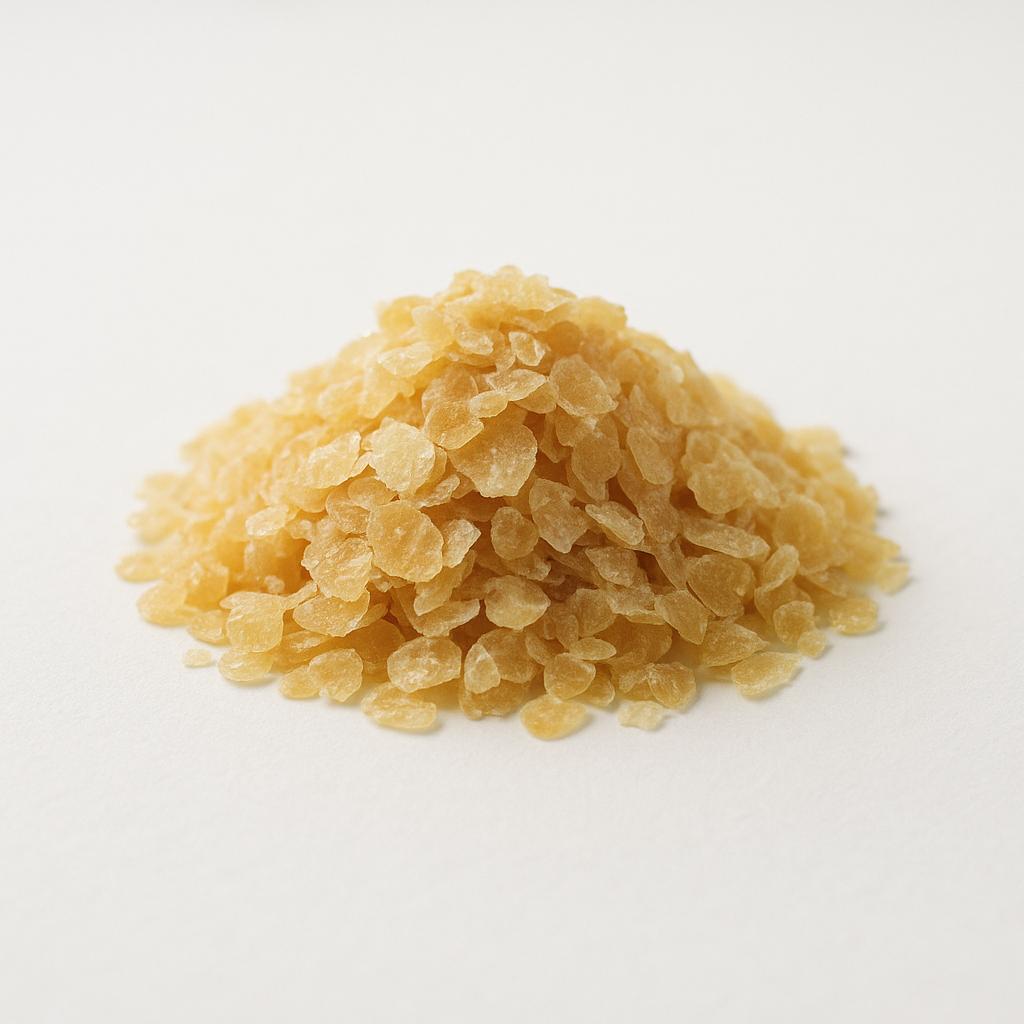
Product FormRefined (wax-free) bleached shellac resin (granules/flakes)
Industry PositionFood additive ingredient (glazing agent/coating)
Market
Bleached shellac (E 904) is an EU-authorised glazing agent used in foods and some tablet/coated-tablet applications, and products containing it can be marketed in Germany under EU-harmonised rules. Germany is an import-dependent end-market: domestic activity is primarily distribution, formulation, and use by food and pharmaceutical manufacturers rather than primary production of shellac. For bleached (decolourised) shellac, EU regulatory attention has increased due to impurity considerations highlighted by EFSA, with EU specifications updated accordingly. As a result, German buyers commonly focus on supplier documentation covering EU purity specifications and the production/bleaching route.
Market RoleImport-dependent consumer and downstream formulating market (EU Member State)
Domestic RoleDownstream use of E 904 as a glazing/coating ingredient in foods and tablet coatings placed on the German market under EU rules
SeasonalityYear-round availability driven by imports and ambient warehousing rather than agricultural seasonality within Germany.
Specification
Physical Attributes
- Off-white to light yellow, amorphous, granular resin (wax-free bleached shellac)
- Insoluble in water; freely (though very slowly) soluble in alcohol; slightly soluble in acetone
Compositional Metrics
- EU purity/specification criteria apply to E 904, including acid value specifications and wax limits for wax-free bleached shellac
- EFSA identified impurity considerations for chemically bleached shellac (e.g., organochlorine impurities), increasing the importance of method-of-manufacture and impurity controls
Grades
- Wax-free bleached (dewaxed) shellac meeting EU specifications for E 904
- Bleached shellac grades differentiated by wax content and decolourisation/bleaching route in supplier specifications
Packaging
- Solid resin supplied as granules/flakes for industrial dissolution/formulation by downstream users
- Industrial packs (e.g., lined bags/drums) with moisture protection and batch identification for traceability
Supply Chain
Value Chain
- Non-EU lac harvesting and primary refining → bleached/dewaxed shellac production → EU import into Germany → ingredient distributor → food/pharma manufacturer coating application → finished goods distribution
Temperature
- Typically handled and stored at ambient temperatures; protect from excessive heat that can soften resin and from humidity that can promote clumping
Shelf Life
- Practical shelf life is sensitive to moisture/heat exposure and packaging integrity; batch control and FIFO rotation support consistent performance
Freight IntensityLow
Transport ModeSea
Risks
Regulatory Compliance HighFor bleached shellac (E 904), EU safety and specification scrutiny has increased due to impurity considerations highlighted by EFSA (including concerns for chemically bleached material). Non-conforming batches (e.g., failing updated EU specification expectations or lacking defensible impurity documentation) can be blocked from being used/placed on the German market and can trigger recalls or enforcement actions.Source only from suppliers with robust EU-specification compliance programs (Regulation (EU) No 231/2012 as amended), including batch CoA, bleaching-route declaration, and targeted impurity testing aligned with EFSA-identified concerns; monitor EU specification updates.
Logistics MediumGermany’s market is import-dependent; sea-freight disruptions and longer lead times from origin regions can cause supply gaps for manufacturers using shellac in continuous production.Maintain safety stock in Germany/EU warehouses, qualify at least two suppliers or origins, and contract lead times that account for disruption risk.
Food Safety MediumFailure to meet EU purity criteria for E 904 (e.g., contaminants, heavy metals, wax content limits, or other specification parameters) can lead to non-compliance findings during official controls in Germany.Implement incoming QC with periodic third-party verification against EU specification parameters and retain full batch documentation for inspections.
Labeling MediumBecause shellac is insect-derived, unclear ingredient communication or unsupported suitability claims (e.g., vegan) can create reputational and customer-compliance issues in Germany.Ensure additive declaration is correct under Regulation (EU) No 1169/2011 and align voluntary claims (e.g., vegetarian/vegan suitability) with documented ingredient origin and customer policy.
Sustainability
- Import dependency on lac-producing regions outside the EU concentrates supply risk for German users, making dual-sourcing and inventory strategy important.
- Insect-derived additive: sustainability and ethics claims (e.g., vegan suitability) require careful substantiation to avoid misleading communication in the German/EU market.
Labor & Social
- Consumer and customer scrutiny around insect-derived ingredients can create reputational risk if suitability claims (e.g., vegan/vegetarian) are unclear or inconsistent with product reality.
- Supply-chain transparency is often limited for upstream lac collection/refining outside the EU; German buyers may face questions from retailers/auditors on traceability and responsible sourcing.
FAQ
Can bleached shellac (E 904) be used in foods sold in Germany?Yes. Germany applies EU-harmonised food additive rules, and shellac (E 904) is authorised at EU level under Regulation (EC) No 1333/2008 with conditions of use by food category. Products placed on the German market must also follow EU labelling rules under Regulation (EU) No 1169/2011.
Which specification should German importers use to verify food-grade bleached shellac compliance?The primary reference is the EU purity specification for E 904 in Regulation (EU) No 231/2012, as amended (including recent updates in 2026). Batch Certificates of Analysis should demonstrate conformity to the applicable E 904 specification parameters.
Why does the bleaching method matter for bleached shellac in the EU/Germany market?EFSA’s 2024 re-evaluation of shellac (E 904) highlighted impurity considerations for chemically bleached shellac, including a need for additional data on certain impurities. This increases the importance of supplier documentation on the manufacturing route and impurity control when supplying bleached shellac for the EU and German markets.
Sources
독일 대비 공급업체, 수출 및 가격 비교를 위한 표백 셸락의 다른 국가 마켓
독일와 연관된 국가들에서 표백 셸락 공급업체 커버리지, 무역 흐름, 가격 벤치마크를 비교해 보세요.


무료 진단
독일 표백 셸락, 사는 쪽이세요 파는 쪽이세요?
어느 쪽이든 몇 가지만 답해주시면 됩니다. 어디서 살 수 있는지, 누구에게 팔 수 있는지 정리해서 보내드릴게요.
'쿠키 허용'을 클릭하면 통계 및 개인 선호도 산출을 위한 쿠키 제공에 동의하게 됩니다.
개인정보 보호정책에서 쿠키에 대한 자세한 내용을 확인할 수 있습니다.