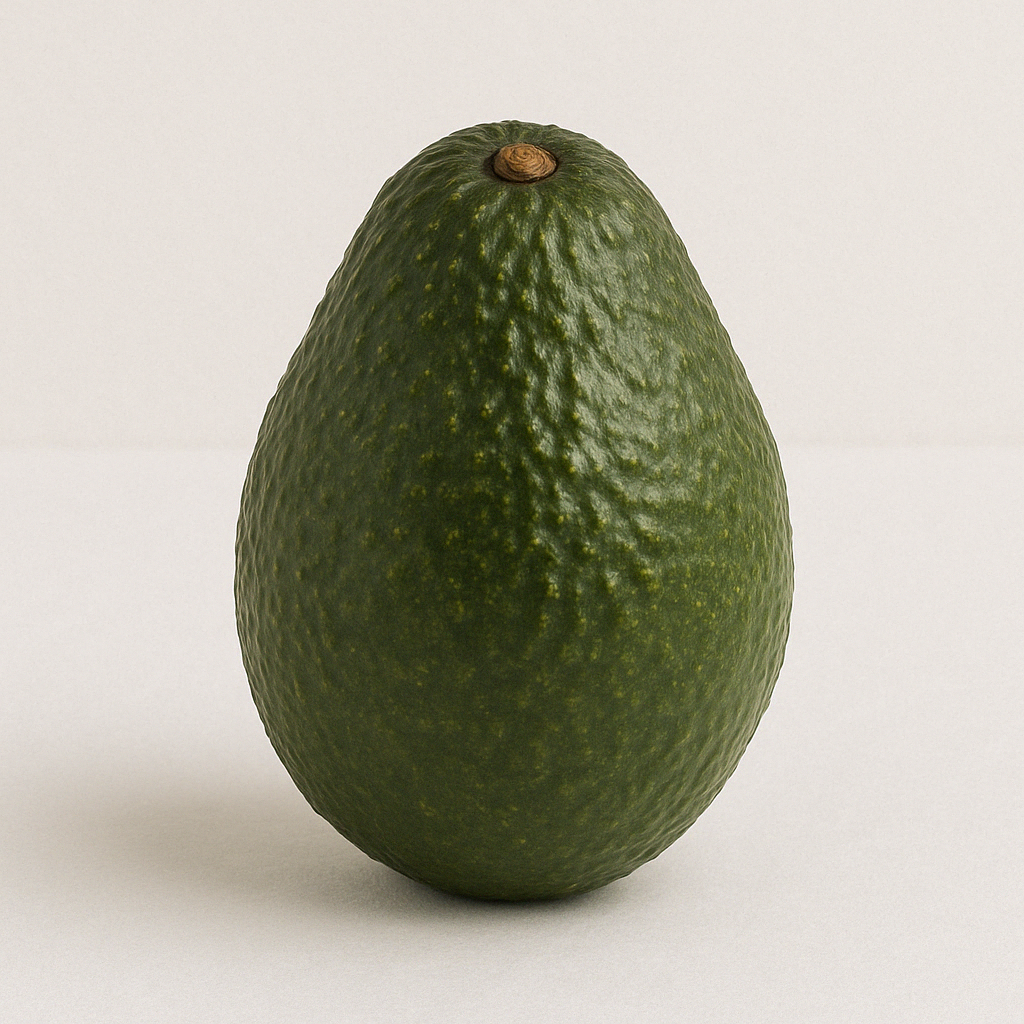
이 시장에 대하여
시장 정보
History
Avocados have been grown in Kenya for decades, with traditional farming dating back to the early 20th century. The crop was initially cultivated for domestic consumption, with smallholder farmers growing indigenous varieties. Commercial avocado production gained momentum in the 1970s, driven by increased global demand and Kenya’s entry into the export market. By the 2010s, the government actively promoted avocado farming through farmer training programs, improved seedlings, and enhanced access to international markets. Today, Kenya continues to expand its avocado industry, with exports reaching record levels each year.
Production Region
Avocado farming in Kenya is widespread, with production concentrated in high-altitude areas that provide optimal growing conditions. Key regions include:
- Murang’a: The leading avocado-producing region, with well-established commercial farms and export-quality production.
- Kiambu: A major supplier of high-quality avocados, benefiting from its proximity to Nairobi for efficient logistics.
- Nyeri & Kirinyaga: These central regions have a mix of smallholder and large-scale farms supplying both domestic and export markets.
- Nakuru & Bomet: Emerging avocado-growing regions that have seen increased investment in commercial farming.
Growing Conditions
Kenya’s climate is well-suited for avocado production, with key factors including:
- Climate: Subtropical to tropical, with consistent warmth.
- Temperature: Optimal range of 16-26°C for avocado growth.
- Rainfall: 1,000-1,500 mm annually, supplemented by irrigation in drier areas.
- Soil: Well-drained volcanic soils with a pH of 5.5-6.5.
Harvesting Process
- Maturity Indicators: Hass avocados are harvested when the skin darkens and oil content reaches export standards.
- Hand Picking: Farmers manually pick avocados using clippers or long poles to prevent bruising.
- Post-Harvest Handling: Sorting, grading, and packing are conducted in certified facilities to meet international market requirements.
Cultivation Method
Kenyan avocado farming is a mix of traditional and modern agricultural techniques, with a strong emphasis on sustainability and quality control:
- Smallholder farming: Over 70% of avocado production comes from small-scale farmers who grow avocados alongside other crops.
- Commercial plantations: Large-scale farms have been established in key regions to enhance export quality and supply consistency.
- Organic farming: A growing number of farmers adopt organic methods to meet premium market demands in Europe and Asia.
- Drip irrigation: Increasingly used in commercial farms to improve water efficiency and boost yields.
- Integrated Pest Management (IPM): Widely implemented to reduce chemical pesticide use and maintain sustainable farming practices.
- GlobalG.A.P. Certification: Many Kenyan exporters adhere to international quality standards, ensuring access to high-value markets.
Supply Chain
Kenya’s avocado industry consists of:
- Smallholder Farmers: Over 70% of avocado production comes from small-scale growers.
- Commercial Farms: Larger farms focus on high-quality exports and processing.
- Export Companies: Major exporters include Kakuzi, Sunripe, and Vegpro, which aggregate supply from smallholders and commercial farms.
Local Logistics
- Road Transport: Trucks transport avocados from farms to processing and export hubs.
- Cold Chain Infrastructure: Limited but improving, with increased investment in temperature-controlled storage.
- Export Ports & Airports: Jomo Kenyatta International Airport (Nairobi) and Mombasa Port are key export gateways.
Regulations and Certifications
Kenya adheres to stringent export standards, requiring:
- GlobalG.A.P. and Organic Certifications: Essential for access to European and other premium markets.
- Phytosanitary Regulations: Compliance with EU, China, and Middle Eastern import requirements.
- Kenya Bureau of Standards (KEBS) & Horticultural Crops Directorate (HCD): Oversee quality control and export approvals.
Quality Standards
Avocado quality is determined based on:
- Size & Weight: Standardized for international markets (sizes 12-24 for Hass).
- Skin Appearance: No blemishes, uniform ripening, and absence of pests or diseases.
- Oil Content & Dry Matter: Hass avocados require a minimum dry matter content of 23% for export.
- Post-Harvest Handling: Proper cleaning, sorting, and packaging to prevent contamination and extend shelf life.
Trade Terms
- Minimum Order Quantity (MOQ): Typically 10-20 metric tons per shipment.
- Incoterms: FOB (Free on Board), CIF (Cost, Insurance, and Freight), and DDP (Delivered Duty Paid).
- Payment Methods: Bank transfers, letters of credit, and advance deposits.
Environmental and Social Impacts
- Deforestation Risks: Expansion of avocado farming has led to concerns about land use changes.
- Water Consumption: High water requirements necessitate improved irrigation efficiency.
- Economic Benefits: Avocado exports provide significant income for smallholder farmers and rural communities.
Uses
- Fresh Consumption: Eaten raw, in salads, and blended into smoothies.
- Processed Products: Used in avocado oil production and cosmetic applications.
- Culinary Applications: Growing demand in global cuisines, including guacamole and sushi.
Additional Information
- Kenya is Africa’s largest avocado exporter, with strong growth potential in Asian markets.
- Government initiatives are promoting increased processing to add value to exports.
- Strategic partnerships with international buyers are improving supply chain efficiency.
수확 시기
품종
Hass
The dominant export variety, known for its high oil content, creamy texture, and long shelf life, making it ideal for international markets.
Fuerte
A green-skinned hybrid variety with a smoother texture and a slightly nutty taste, popular in domestic markets and some export destinations.
Puebla
A locally grown variety with high moisture content and a mild flavor, mostly consumed within Kenya.
Nabal
A large, green-skinned avocado with a buttery texture, grown primarily for local use and regional trade.
케냐의 신선 아보카도 생산량
생산량 개요
케냐 신선 아보카도의 생산량 추세 차트
케냐 신선 아보카도 수출
수출 개요
수출 동향
2025 년의 수출 거래 건
2025년 케냐의 주요 신선 아보카도 수출업체


2025년 케냐 신선 아보카도의 주요 수입업체


연도별 수출 가격 동향
최근 수출 가격 변동
- 지난 6개월 동안 케냐에서 신선 아보카도을(를) 수입한 주요 국가는 인도입니다.
- 2026-08의 가격은 제한적이거나 누락된 데이터로 인해 지난 6개월 평균과 비교해 명확한 패턴을 보이지 않았습니다.
검증된 판매자
/132x132/company-logo/9a/6c/61/9a6c6145d80ecff8dd93fc45ae596e5646c0af29/IMG_4380.jpeg)

/132x132/company-logo/67/4c/65/674c65d80c16cf32c43b19a4ae20a5cdb69ddaf0/Logo.png)
/132x132/company-logo/fc/01/e2/fc01e2fec6846393ac9500345bc76fb3f48c78f2/SAMAGIL_Logo__NO_BACKGRND_-removebg-preview.png)
/132x132/company-logo/82/c2/1b/82c21b9854fc16be7b52ba8c8a4545f7739553eb/RIZIKI_LOGO.jpg)
/132x132/company-logo/e3/4e/75/e34e75d7c80e4d2cf2b7e3a365d405abc866a328/Logo_2025-removebg-preview.png)
/132x132/company-logo/19/a7/a8/19a7a800f299bfdce94efa58d3aa0e9bd0c0c522/GOTFruit-2-removebg-preview.png)
/132x132/company-logo/9c/93/17/9c9317ae9a2cada38e3cc4660e1ba1d9f1640ce7/Enzispring_Logo.png)
/132x132/company-logo/31/50/81/3150815beae9227ea948f651c9dc67af99aa06bb/CAMILCO_EXPORTS_LTD.png)
/132x132/company-logo/1c/40/c0/1c40c00a1cb94082df53cae0b388c55d6e9dd0a2/GWIZA-logo-2022-011_1.png)
/132x132/company-logo/9a/a3/1d/9aa31deb4a4d0369554a5cab4d5fc31b14d1d097/Screenshot_2024-04-07_184745.png)


