뉴질랜드 아스코르브산 공급업체 및 가격 — 마켓 오버뷰 2026
상위 제품
비타민 C
파생 제품
블랙커런트 음료, 자두 주스 음료, 장기 보관 과일 음료, 오렌지 과일 컵, +3
최종 업데이트
2026-09-17
서치 및 소싱 팀을 위한 핵심 요약
- 뉴질랜드에 대한 샘플 수출 거래 2건이 요약되어 있습니다.
- 뉴질랜드의 아스코르브산에 대해 수출 파트너 기업 2개와 수입 파트너 기업 2개가 매핑되어 있습니다.
- 페이지 데이터 최종 업데이트일: 2026-09-17.
뉴질랜드 내 아스코르브산 수출 공급업체 인텔리전스, 가격 추이 및 무역 흐름
뉴질랜드의 아스코르브산에 대해 수출 파트너 기업 2개가 추적됩니다. Supply Chain Intelligence 회사 프로필 및 분석으로 수출업체 커버리지, 파트너 품질, 경로 우선순위를 검증하세요.
뉴질랜드에서의 아스코르브산 수출 인텔리전스를 확인하세요. 샘플 공급업체 거래 2건, 월간 단가 범위, HS 코드 -의 파트너 국가 무역 흐름 패턴을 포함합니다.
스캐터 포인트는 전체 거래 데이터셋의 100.0%에서 샘플링되었습니다.
아스코르브산의 뉴질랜드 샘플 수출 공급업체 거래 기록
뉴질랜드의 아스코르브산 샘플 거래 2건에는 수출 가격과 공급업체 거래 패턴 벤치마킹을 위한 날짜, 원산지, 파트너 국가 맥락이 포함됩니다.
뉴질랜드의 아스코르브산 샘플 거래 단가(일자별): 2025-12-18: 83.06 USD / kg, 2025-09-17: 114.47 USD / kg.
| 일자 | 신고 품목 | 단가 | 수출업체 | 수입업체 | |
|---|---|---|---|---|---|
| 2025-12-18 | [비타* ** *** * ************** * ***** | 83.06 USD / kg | (뉴질랜드) | (대한민국) | |
| 2025-09-17 | [비타* ** ***************** | 114.47 USD / kg | (뉴질랜드) | (대한민국) |
뉴질랜드 내 상위 아스코르브산 수출 공급업체 및 기업
선도 수출업체 프로필을 검토하고 뉴질랜드의 아스코르브산에 대해 추적되는 전체 수출 파트너 기업 2개와 비교하세요. Supply Chain Intelligence 회사 프로필 및 분석으로 소싱 및 수출 파트너를 더 빠르게 선별할 수 있습니다.
(뉴질랜드)
최근 수출 거래: 2026-08-17
임직원 규모: 직원 11 - 50명
매출액: 매출 USD 1M - 5M
산업군: 기타
밸류체인 역할: 유통 / 도매
(뉴질랜드)
최근 수출 거래: 2026-08-17
임직원 규모: 직원 101 - 500명
매출액: 매출 USD 5M - 10M
산업군: 음료 제조식품 제조기타
밸류체인 역할: 식품 제조기타
뉴질랜드 수출 파트너 커버리지
2개 기업
총 수출 파트너 기업 수는 뉴질랜드의 아스코르브산 수출 네트워크 깊이를 보여주는 핵심 신호입니다.
수출업체와 수입업체는 공급망 인텔리전스 기업 프로필 및 분석을 열어 뉴질랜드 내 아스코르브산 파트너 집중도, 공급 역량 시그널, 무역 관련성을 평가할 수 있습니다.
소싱 진단
뉴질랜드산 아스코르브산, 우리도 들여올 수 있을까요?
필요한 스펙과 물량만 알려주세요. 실제로 소싱이 되는지, 어떤 원산지와 공급사가 맞는지 짚어드려요.
무료 진단, 계정 없이 이용 가능합니다.
뉴질랜드의 아스코르브산 수입 바이어 인텔리전스 및 가격 시그널: 바이어, 수요, 거래 파트너
뉴질랜드의 아스코르브산에 대해 수입 파트너 기업 2개가 추적됩니다. 수출업체와 수입업체는 Supply Chain Intelligence 회사 프로필 및 분석을 활용해 바이어 수요, 파트너 밀도, 다운스트림 채널을 분석할 수 있습니다.
스캐터 포인트는 전체 거래 데이터셋의 100.0%에서 샘플링되었습니다.
아스코르브산의 뉴질랜드 샘플 수입 거래 및 가격 기록
뉴질랜드의 아스코르브산 샘플 수입 거래 5건은 가격 수준과 수요 측 거래 패턴 벤치마킹을 위한 날짜, 원산지, 무역 국가 맥락을 제공합니다.
뉴질랜드의 아스코르브산 샘플 수입 거래 단가(일자별): 2025-09-20: 543.26 USD / kg, 2025-09-20: 543.26 USD / kg, 2025-09-20: 543.26 USD / kg, 2025-09-19: 543.26 USD / kg, 2025-09-12: 8.96 USD / kg.
| 일자 | 신고 품목 | 단가 | 수출업체 | 수입업체 | 원산지 | |
|---|---|---|---|---|---|---|
| 2025-09-20 | ASC***** ********* ******** ******************* ************* ************* ********** | 543.26 USD / kg | (-) | (-) | - | |
| 2025-09-20 | ASC***** ********* ******** ******************* ************* ************* ********** | 543.26 USD / kg | (-) | (-) | - | |
| 2025-09-20 | ASC***** ********* ******** ******************* ************* ************* ********** | 543.26 USD / kg | (-) | (-) | - | |
| 2025-09-19 | ASC***** ********* ******** ******************* ************* ************* ********** | 543.26 USD / kg | (-) | (-) | - | |
| 2025-09-12 | ASC***** **** ****** ******** | 8.96 USD / kg | (-) | (-) | - |
뉴질랜드 내 상위 아스코르브산 바이어, 수입업체 및 수요 파트너
선도 바이어 프로필을 검토하고 뉴질랜드의 아스코르브산에 대해 추적되는 전체 수입 파트너 기업 2개와 비교하세요. 수출업체와 수입업체는 Supply Chain Intelligence 회사 프로필 및 분석으로 수요 측 파트너 적합도를 평가할 수 있습니다.
(뉴질랜드)
최근 수입 거래: 2026-08-17
산업군: 식품 제조기타
밸류체인 역할: 식품 제조무역
(뉴질랜드)
최근 수입 거래: 2026-08-17
임직원 규모: 직원 11 - 50명
매출액: 매출 USD 1M - 5M
산업군: 기타
밸류체인 역할: 소매
뉴질랜드 수입 파트너 커버리지
2개 기업
수입 파트너 기업 수는 뉴질랜드의 아스코르브산 수요 측 가시성을 보여줍니다.
공급망 인텔리전스 분석과 기업 프로필을 활용해 뉴질랜드에서 활동 중인 아스코르브산 수입업체, 유통업체, 바이어 네트워크를 식별하세요.
수출 진단
우리 아스코르브산, 이 뉴질랜드 바이어들에게 팔 수 있을까요?
만드시는 제품만 알려주시면 됩니다. 지금 수출할 준비가 됐는지, 어느 시장이 맞는지 봐드려요.
무료 진단, 계정 없이 이용 가능합니다.
가격 데이터
뉴질랜드 아스코르브산 가격, 어디까지 필요하세요?
전체 가격 히스토리와 경쟁사 벤치마크를 열어드립니다. 어떤 숫자가 필요하신지만 말씀해 주시면 함께 살펴봐 드려요.
Classification
Product TypeIngredient
Product FormPowder (crystalline)
Industry PositionFood, supplement, and pharmaceutical input
Market
Ascorbic acid (vitamin C) in New Zealand is primarily an imported ingredient used in dietary supplements and also used in food manufacturing as an additive (additive number 300). Dietary supplements are regulated under the Dietary Supplements Regulations 1985 (Ministry of Health), which restrict therapeutic claims unless permitted under the Medicines Act 1981. For food uses, New Zealand adopts joint food standards of the Australia New Zealand Food Standards Code under the Food Act 2014, with amendments periodically adopted by the Minister for Food Safety. Practical market access hinges on correct regulatory classification (dietary supplement vs food vs medicine) and compliant labeling/advertising.
Market RoleImport-dependent consumer and manufacturing ingredient market (net importer)
Domestic RoleUsed by New Zealand supplement businesses (formulation/packing) and food manufacturers as a vitamin/antioxidant input, with compliance shaped by the Dietary Supplements Regulations 1985 and the adopted joint food standards for foods.
Specification
Primary VarietyVitamin C (L-ascorbic acid)
Secondary Variety
- Sodium ascorbate
- Calcium ascorbate
- Ascorbyl palmitate
Physical Attributes
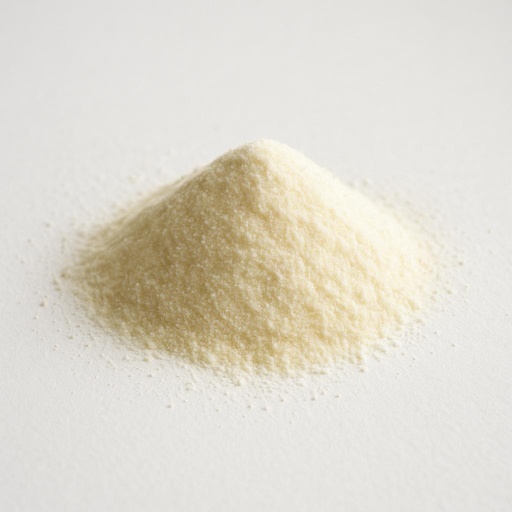
- White to off-white crystalline powder
- Moisture-sensitive; protect from humidity
- Oxidation-sensitive; protect from heat and light
Compositional Metrics
- Specification typically managed through a certificate of analysis (e.g., identity, assay, and impurity limits) aligned to buyer requirements for food or supplement use
Grades
- Food-grade (for permitted food additive uses under joint food standards)
- Supplement ingredient grade (for dietary supplement products subject to Dietary Supplements Regulations 1985)
- Pharmaceutical grade (when supplied as a therapeutically active ingredient or for medicinal supply pathways)
Packaging
- Sealed moisture-barrier inner liner inside an outer carton/drum for bulk shipments
- Smaller moisture-barrier packs for contract manufacturing and repacking operations
Supply Chain
Value Chain
- Overseas manufacturer → international freight → New Zealand importer → bonded/3PL storage → (optional) local blending/encapsulation/tableting → domestic distribution → retail/online sale of finished supplements
Temperature
- Generally ambient transport and storage, with emphasis on cool, dry conditions and protection from heat/light to preserve potency
Shelf Life
- Shelf-life is sensitive to moisture ingress and oxidation; packaging integrity and humidity control are critical
Freight IntensityLow
Transport ModeSea
Risks
Regulatory Compliance HighIf a vitamin C product is supplied or advertised as intended for a therapeutic purpose (or makes therapeutic claims), it can fall under New Zealand’s medicines framework; dietary supplements are also restricted from therapeutic claims under the Dietary Supplements Regulations 1985 except as permitted by the Medicines Act 1981, creating a high risk of blocked marketing, enforcement action, or forced relabeling/withdrawal.Pre-clear product positioning and claims (including online listings) against the Dietary Supplements Regulations 1985 and Medsafe guidance; if therapeutic intent is unavoidable, pursue the appropriate medicines pathway instead of a dietary supplement pathway.
Labeling MediumNon-compliant label statements (especially implied therapeutic claims) can trigger corrective actions or removal from sale in New Zealand, even when the ingredient itself is permitted.Implement a claims-and-label review workflow that covers product label, website listings, and marketplace descriptions before shipment and before launch.
Documentation Gap MediumMissing or inconsistent batch documentation (e.g., CoA/lot identifiers) can delay release to downstream manufacturers and complicate recalls or customer audits.Require shipment-level CoA and lot traceability in supplier contracts; verify document consistency (product name, grade, batch, net weight) before dispatch.
Standards
- GMP
- HACCP
- ISO 22000 / FSSC 22000
FAQ
Can a vitamin C dietary supplement sold in New Zealand claim to treat or prevent disease (for example, colds)?Generally no. The Dietary Supplements Regulations 1985 restrict dietary supplements from being advertised or labelled with therapeutic claims (such as treating or preventing disease) except as permitted by the Medicines Act 1981, and Medsafe guidance emphasizes that products supplied as dietary supplements/natural health products must not be intended for a therapeutic purpose.
Do the Australia New Zealand Food Standards Code joint standards apply to dietary supplements in New Zealand?No. The Dietary Supplements Regulations 1985 state that the adopted joint food standards do not apply to dietary supplements, so dietary supplements follow their own regulatory settings rather than the joint food standards framework used for foods.
What food additive number is used for ascorbic acid in Australia New Zealand food standards materials?FSANZ consumer guidance references vitamin C (ascorbic acid) as additive number 300.
Sources


수출·소싱 진단
뉴질랜드 아스코르브산, 사는 쪽이세요 파는 쪽이세요?
어느 쪽이든 몇 가지만 답해주시면 됩니다. 어디서 살 수 있는지, 누구에게 팔 수 있는지 정리해서 보내드릴게요.
무료 진단, 계정 없이 이용 가능합니다.
'쿠키 허용'을 클릭하면 통계 및 개인 선호도 산출을 위한 쿠키 제공에 동의하게 됩니다.
개인정보 보호정책에서 쿠키에 대한 자세한 내용을 확인할 수 있습니다.