스리랑카 표백 셸락 공급업체 및 가격 — 마켓 오버뷰 2026
HS 코드
130190
최종 업데이트
2026-08-23
서치 및 소싱 팀을 위한 핵심 요약
- 스리랑카에 대한 샘플 수출 거래 3건이 요약되어 있습니다.
- 스리랑카의 표백 셸락에 대해 수출 파트너 기업 5개와 수입 파트너 기업 3개가 매핑되어 있습니다.
- 수출 파트너 국가 4개와 수입 파트너 국가 5개가 랭킹되어 있습니다.
- 이 페이지 데이터셋의 최신 기준 연도는 2024입니다.
- 페이지 데이터 최종 업데이트일: 2026-08-23.
스리랑카 내 표백 셸락 수출 공급업체 인텔리전스, 가격 추이 및 무역 흐름
스리랑카의 표백 셸락에 대해 수출 파트너 기업 5개가 추적됩니다. Supply Chain Intelligence 회사 프로필 및 분석으로 수출업체 커버리지, 파트너 품질, 경로 우선순위를 검증하세요.
스리랑카에서의 표백 셸락 수출 인텔리전스를 확인하세요. 샘플 공급업체 거래 3건, 월간 단가 범위, HS 코드 130190의 파트너 국가 무역 흐름 패턴을 포함합니다.
스캐터 포인트는 전체 거래 데이터셋의 100.0%에서 샘플링되었습니다.
표백 셸락의 스리랑카 샘플 수출 공급업체 거래 기록
스리랑카의 표백 셸락 샘플 거래 3건에는 수출 가격과 공급업체 거래 패턴 벤치마킹을 위한 날짜, 원산지, 파트너 국가 맥락이 포함됩니다.
스리랑카의 표백 셸락 샘플 거래 단가(일자별): 2025-11-11: 5.15 USD / kg, 2025-08-21: 5.00 USD / kg, 2025-08-21: 5.00 USD / kg.
| 일자 | 신고 품목 | 단가 | 수출업체 | 수입업체 | |
|---|---|---|---|---|---|
| 2025-11-11 | 540 **** ** ******* **** *** ** *** **** ***** *** | 5.15 USD / kg | (스리랑카) | (파키스탄) | |
| 2025-08-21 | 540 **** ** ******* **** *** ** *** **** ***** *** | 5.00 USD / kg | (스리랑카) | (파키스탄) | |
| 2025-08-21 | 540 **** ** ******* **** *** ** *** **** ***** *** | 5.00 USD / kg | (스리랑카) | (파키스탄) |
스리랑카 내 상위 표백 셸락 수출 공급업체 및 기업
선도 수출업체 프로필을 검토하고 스리랑카의 표백 셸락에 대해 추적되는 전체 수출 파트너 기업 5개와 비교하세요. Supply Chain Intelligence 회사 프로필 및 분석으로 소싱 및 수출 파트너를 더 빠르게 선별할 수 있습니다.
(스리랑카)
최근 수출 거래: 2026-02-02
산업군: 브로커 및 무역 대행식품 도매기타
밸류체인 역할: 유통 / 도매기타무역
(스리랑카)
최근 수출 거래: 2026-07-23
산업군: 식품 제조
밸류체인 역할: 유통 / 도매식품 제조
(스리랑카)
최근 수출 거래: 2025-11-11
최근 수출 파트너 기업: 1
산업군: 기타
밸류체인 역할: 유통 / 도매무역
(스리랑카)
최근 수출 거래: 2026-07-23
임직원 규모: 직원 1000명 초과
매출액: 매출 USD 1B 초과
산업군: 음료 제조식품 제조식음료 서비스업식품 도매
밸류체인 역할: 유통 / 도매식품 제조소매
(스리랑카)
최근 수출 거래: 2026-07-23
산업군: 음료 제조식품 제조
밸류체인 역할: 식품 제조무역
스리랑카 수출 파트너 커버리지
5개 기업
총 수출 파트너 기업 수는 스리랑카의 표백 셸락 수출 네트워크 깊이를 보여주는 핵심 신호입니다.
수출업체와 수입업체는 공급망 인텔리전스 기업 프로필 및 분석을 열어 스리랑카 내 표백 셸락 파트너 집중도, 공급 역량 시그널, 무역 관련성을 평가할 수 있습니다.
스리랑카 내 표백 셸락의 연간 수출 금액, 물량 및 공급업체 시장 규모 (HS 코드 130190)
스리랑카의 표백 셸락 수출 물량/금액 2년치를 분석해 공급 측 시장 성장, 계절성, 무역 변동성을 평가하세요.
| 연도 | 물량 | 금액 |
|---|---|---|
| 2024 | 956,419 | 870,359 USD |
| 2023 | 569,759 | 512,983 USD |
스리랑카에서 수출되는 표백 셸락의 주요 수출 대상 시장 (HS 코드 130190) 2024
2024년 기준, 스리랑카발 표백 셸락 수출의 상위 목적지국 4개 전반에서 수출 물량과 금액을 비교하세요.
| 순위 | 국가 | 물량 | 금액 |
|---|---|---|---|
| 1 | 인도 | 752,474 | 684,448.307 USD |
| 2 | 베트남 | 203,284 | 185,487.537 USD |
| 3 | 카타르 | 631 | 279.004 USD |
| 4 | 호주 | 30 | 144.035 USD |
소싱 진단
스리랑카산 표백 셸락, 우리도 들여올 수 있을까요?
필요한 스펙과 물량만 알려주세요. 실제로 소싱이 되는지, 어떤 원산지와 공급사가 맞는지 무료로 짚어드려요.
스리랑카의 표백 셸락 수입 바이어 인텔리전스 및 가격 시그널: 바이어, 수요, 거래 파트너
스리랑카의 표백 셸락에 대해 수입 파트너 기업 3개가 추적됩니다. 수출업체와 수입업체는 Supply Chain Intelligence 회사 프로필 및 분석을 활용해 바이어 수요, 파트너 밀도, 다운스트림 채널을 분석할 수 있습니다.
스캐터 포인트는 전체 거래 데이터셋의 100.0%에서 샘플링되었습니다.
표백 셸락의 스리랑카 샘플 수입 거래 및 가격 기록
스리랑카의 표백 셸락 샘플 수입 거래 5건은 가격 수준과 수요 측 거래 패턴 벤치마킹을 위한 날짜, 원산지, 무역 국가 맥락을 제공합니다.
스리랑카의 표백 셸락 샘플 수입 거래 단가(일자별): 2026-07-16: 24.06 USD / kg, 2026-06-27: 22.78 USD / kg, 2026-05-09: 24.06 USD / kg, 2026-04-23: 22.75 USD / kg, 2026-04-22: 11.07 USD / kg.
| 일자 | 신고 품목 | 단가 | 수출업체 | 수입업체 | 원산지 | |
|---|---|---|---|---|---|---|
| 2026-07-16 | SHE**** ******* ******** **** ******* ******** ***** **** ** **** ** ****** ******* ******* ************** | 24.06 USD / kg | (-) | (-) | - | |
| 2026-06-27 | SHE**** ******* ******** **** ******* ******** ***** **** ** **** ** ****** ******* ******* ************** | 22.78 USD / kg | (-) | (-) | - | |
| 2026-05-09 | SHE**** ******* ******** **** ******* ******** ***** **** ** **** ** ****** ******* ******* ************** | 24.06 USD / kg | (-) | (-) | - | |
| 2026-04-23 | SHE**** ******* ******** **** ******* ******** ***** **** ** **** ** ****** ******* ******* ************** | 22.75 USD / kg | (-) | (-) | - | |
| 2026-04-22 | 540 **** ** ******* **** *** ** *** ********* ** *** ******* ****** ** ***** ******* ***** ****** ******** | 11.07 USD / kg | (-) | (-) | - |
스리랑카 내 상위 표백 셸락 바이어, 수입업체 및 수요 파트너
선도 바이어 프로필을 검토하고 스리랑카의 표백 셸락에 대해 추적되는 전체 수입 파트너 기업 3개와 비교하세요. 수출업체와 수입업체는 Supply Chain Intelligence 회사 프로필 및 분석으로 수요 측 파트너 적합도를 평가할 수 있습니다.
(스리랑카)
최근 수입 거래: 2026-04-22
최근 수입 파트너 기업: 1
산업군: 기타
밸류체인 역할: 유통 / 도매무역
(스리랑카)
최근 수입 거래: 2026-07-23
산업군: 식품 도매
밸류체인 역할: 유통 / 도매무역
(스리랑카)
최근 수입 거래: 2026-07-23
최근 수입 파트너 기업: 1
산업군: 브로커 및 무역 대행식품 도매기타
밸류체인 역할: 유통 / 도매기타무역
스리랑카 수입 파트너 커버리지
3개 기업
수입 파트너 기업 수는 스리랑카의 표백 셸락 수요 측 가시성을 보여줍니다.
공급망 인텔리전스 분석과 기업 프로필을 활용해 스리랑카에서 활동 중인 표백 셸락 수입업체, 유통업체, 바이어 네트워크를 식별하세요.
스리랑카 내 표백 셸락의 연간 수입 금액, 물량 및 수요 규모 (HS 코드 130190)
스리랑카의 표백 셸락 수입 물량/금액 2년치를 추적해 수요 성장과 시장 모멘텀을 평가하세요.
| 연도 | 물량 | 금액 |
|---|---|---|
| 2024 | 1,094,460 | 880,086 USD |
| 2023 | 925,625 | 797,025 USD |
스리랑카에 표백 셸락를 공급하는 주요 원산지 공급국 (HS 코드 130190) 2024
2024년 기준, 스리랑카로 표백 셸락를 공급하는 상위 원산 공급국 5개 전반의 수입 물량과 금액을 비교하세요.
| 순위 | 국가 | 물량 | 금액 |
|---|---|---|---|
| 1 | 인도네시아 | 776,696 | 405,768.45 USD |
| 2 | 인도 | 257,493 | 245,616.038 USD |
| 3 | 파키스탄 | 23,565 | 106,827.082 USD |
| 4 | 독일 | 1,400 | 45,578.424 USD |
| 5 | 아랍에미리트 | 4,800 | 29,945.307 USD |
수출 진단
우리 표백 셸락, 이 스리랑카 바이어들에게 팔 수 있을까요?
만드시는 제품만 알려주시면 됩니다. 지금 수출할 준비가 됐는지, 어느 시장이 맞는지 무료로 봐드려요.
가격 데이터
가려진 스리랑카 표백 셸락 가격, 열어볼까요?
전체 가격 히스토리와 경쟁사 벤치마크를 열어드립니다. 어떤 숫자가 필요하신지만 말씀해 주시면 함께 살펴봐 드려요.
Classification
Product TypeIngredient
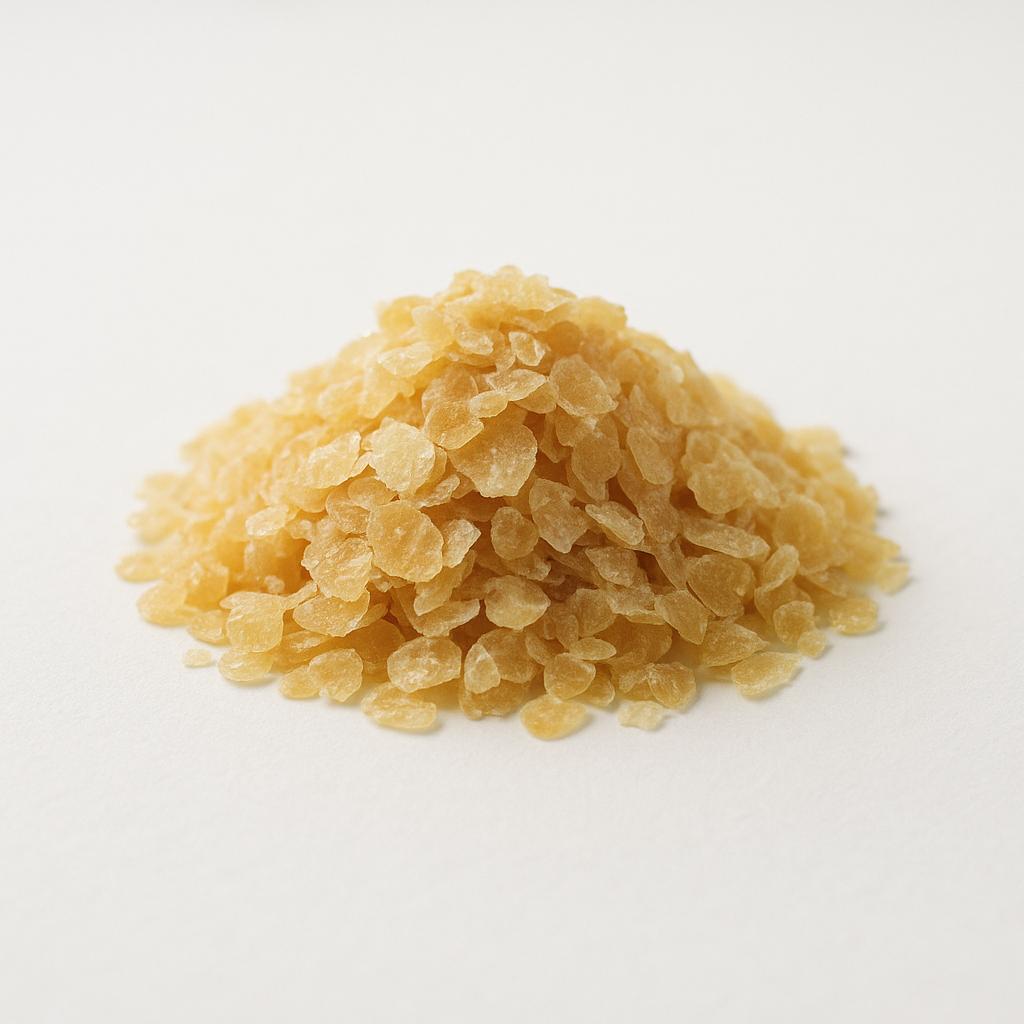
Product FormRefined solid resin (granules/flakes)
Industry PositionFood additive ingredient (glazing agent)
Market
Bleached shellac (INS 904 / E904) is relevant to Sri Lanka primarily as an imported food-additive ingredient used as a glazing agent for externally applied coatings. Sri Lanka’s Food (Additives - General) Regulations 2019 permit classes of additives (including glazing agents) when they are covered by the Codex GSFA list and limits, and require labeling with the common name and INS number. Food import control at the border is implemented by the Ministry of Health’s Food Control Administration Unit (FCAU), making documentation and label conformity a practical gatekeeper for import clearance. Sri Lanka buyers typically treat shellac as a specification-driven input where purity (e.g., wax/rosin/solvent-related quality) and intended-use category alignment drive acceptance.
Market RoleImport-dependent user market (food additive glazing agent)
Domestic RoleSpecialty input used for glazing/coating applications consistent with Codex GSFA provisions and Sri Lanka food additive controls.
Specification
Physical Attributes
- Bleached shellac is described in EU specifications as an off-white to light yellow, amorphous, granular resin; insoluble in water and soluble in alcohol (slowly).
Compositional Metrics
- Quality/purity expectations commonly focus on wax content (bleached vs wax-free bleached/‘dewaxed’), rosin absence, loss on drying/moisture, and limits for toxic elements (e.g., arsenic/lead/mercury) in line with applicable specifications.
Grades
- Bleached shellac
- Wax-free bleached shellac (dewaxed)
Supply Chain
Value Chain
- Overseas shellac refining/bleaching → exporter shipment → sea freight → Port of Colombo → Sri Lanka Customs declaration/clearance + FCAU food import control → importer storage/distribution → industrial users (food manufacturers/packers).
Freight IntensityLow
Transport ModeSea
Risks
Regulatory Compliance HighIf the importer cannot demonstrate that bleached shellac (INS 904) is permitted for the intended technological function and food category under Sri Lanka’s Food (Additives - General) Regulations 2019 (which reference Codex GSFA), or if INS labeling requirements are not met, the shipment or finished product can face detention, relabeling, or rejection.Pre-validate intended use against Codex GSFA provisions for INS 904 and keep a clearance-ready dossier (COA/spec sheet + label text showing common name and INS number) aligned to Sri Lanka FCAU import control expectations.
Food Safety MediumQuality/purity variability (e.g., wax/rosin content and toxic element limits) can lead to buyer rejection or non-compliance in export-linked supply chains; EU purity criteria and recognized specifications are often used as benchmarks for E 904.Require supplier COA against an agreed specification (e.g., JECFA/Codex and, when needed, EU 231/2012 criteria) and run inbound verification testing for critical parameters where risk tolerance is low.
Documentation Gap MediumMissing or inconsistent documentation (e.g., unclear INS identification, missing COA, or mismatched product naming such as ‘shellac’ vs ‘shellac, bleached’) can delay FCAU checks and Sri Lanka Customs clearance.Standardize nomenclature to ‘Shellac, bleached (INS 904)’ across invoice/packing list/COA/spec sheet and keep importer SOP checklists aligned to FCAU guidance.
Market Access LowConsumer and customer expectations around insect-derived ingredients can create channel restrictions (e.g., vegan claims) even when the additive is legally permitted.Align product positioning and labeling claims with ingredient reality; maintain customer-facing explanations and certification decisions (where applicable) in the technical file.
Sustainability
- Upstream sourcing transparency for an insect-derived natural resin (shellac) when Sri Lanka manufacturers sell into markets with strong ingredient-origin scrutiny.
Labor & Social
- Insect-derived ingredient (lac insect) can conflict with vegan/vegetarian positioning; Sri Lanka brand owners/importers face reputational and mislabeling risk if claims are not managed transparently.
FAQ
Is bleached shellac (INS 904 / E904) permitted as a food additive in Sri Lanka?Sri Lanka’s Food (Additives - General) Regulations 2019 allow food additives for listed technological functions (including glazing agents) when they are covered by the Codex GSFA list and limits. Codex GSFA lists “Shellac, bleached” as INS 904 (glazing agent), so it can be used in Sri Lanka where the relevant GSFA provisions and any Sri Lanka product standards allow.
How should shellac be declared for Sri Lanka compliance purposes?Sri Lanka’s Food (Additives - General) Regulations 2019 require labels on foods containing additives to include the common name and INS number of permitted food additives. In practice, documentation and labeling commonly identify the additive as “Shellac, bleached (INS 904)”.
Which authority implements food import control for this product at Sri Lankan borders?The Ministry of Health’s Food Control Administration Unit (FCAU) implements the food import control procedure at Sri Lankan borders and provides guidance on import control requirements.
Sources
스리랑카 대비 공급업체, 수출 및 가격 비교를 위한 표백 셸락의 다른 국가 마켓
스리랑카와 연관된 국가들에서 표백 셸락 공급업체 커버리지, 무역 흐름, 가격 벤치마크를 비교해 보세요.


무료 진단
스리랑카 표백 셸락, 사는 쪽이세요 파는 쪽이세요?
어느 쪽이든 몇 가지만 답해주시면 됩니다. 어디서 살 수 있는지, 누구에게 팔 수 있는지 정리해서 보내드릴게요.
'쿠키 허용'을 클릭하면 통계 및 개인 선호도 산출을 위한 쿠키 제공에 동의하게 됩니다.
개인정보 보호정책에서 쿠키에 대한 자세한 내용을 확인할 수 있습니다.