멕시코 표백 셸락 공급업체 및 가격 — 마켓 오버뷰 2026
HS 코드
130190
최종 업데이트
2026-08-23
서치 및 소싱 팀을 위한 핵심 요약
- 멕시코에 대한 샘플 수출 거래 3건이 요약되어 있습니다.
- 멕시코의 표백 셸락에 대해 수출 파트너 기업 6개와 수입 파트너 기업 2개가 매핑되어 있습니다.
- 수출 파트너 국가 1개와 수입 파트너 국가 2개가 랭킹되어 있습니다.
- 이 페이지 데이터셋의 최신 기준 연도는 2024입니다.
- 페이지 데이터 최종 업데이트일: 2026-08-23.
멕시코 내 표백 셸락 수출 공급업체 인텔리전스, 가격 추이 및 무역 흐름
멕시코의 표백 셸락에 대해 수출 파트너 기업 6개가 추적됩니다. Supply Chain Intelligence 회사 프로필 및 분석으로 수출업체 커버리지, 파트너 품질, 경로 우선순위를 검증하세요.
멕시코에서의 표백 셸락 수출 인텔리전스를 확인하세요. 샘플 공급업체 거래 3건, 월간 단가 범위, HS 코드 130190의 파트너 국가 무역 흐름 패턴을 포함합니다.
스캐터 포인트는 전체 거래 데이터셋의 100.0%에서 샘플링되었습니다.
표백 셸락의 멕시코 샘플 수출 공급업체 거래 기록
멕시코의 표백 셸락 샘플 거래 3건에는 수출 가격과 공급업체 거래 패턴 벤치마킹을 위한 날짜, 원산지, 파트너 국가 맥락이 포함됩니다.
멕시코의 표백 셸락 샘플 거래 단가(일자별): 2026-05-22: 1.61 USD / kg, 2026-03-27: 2.28 USD / kg, 2025-07-30: 60.70 USD / kg.
| 일자 | 신고 품목 | 단가 | 수출업체 | 수입업체 | |
|---|---|---|---|---|---|
| 2026-05-22 | PRE********** ** ********* ** ************* ** ***** ******* * ************** ***** **** | 1.61 USD / kg | (멕시코) | (미국) | |
| 2026-03-27 | PRE********** ** ********* ** ************* ** ***** ******* * ************** ***** **** | 2.28 USD / kg | (멕시코) | (코스타리카) | |
| 2025-07-30 | LOS ***** | 60.70 USD / kg | (멕시코) | (아르헨티나) |
멕시코 내 상위 표백 셸락 수출 공급업체 및 기업
선도 수출업체 프로필을 검토하고 멕시코의 표백 셸락에 대해 추적되는 전체 수출 파트너 기업 6개와 비교하세요. Supply Chain Intelligence 회사 프로필 및 분석으로 소싱 및 수출 파트너를 더 빠르게 선별할 수 있습니다.
(멕시코)
최근 수출 거래: 2026-07-23
산업군: 기타
밸류체인 역할: 유통 / 도매무역
(멕시코)
최근 수출 거래: 2026-07-23
최근 수출 파트너 기업: 2
산업군: 기타
밸류체인 역할: 농업 / 생산 / 가공 / 포장식품 제조
(멕시코)
최근 수출 거래: 2026-07-23
산업군: 식품 도매
밸류체인 역할: 유통 / 도매무역
(멕시코)
최근 수출 거래: 2026-07-23
산업군: 기타
밸류체인 역할: 무역
(멕시코)
최근 수출 거래: 2026-07-23
임직원 규모: 직원 101 - 500명
산업군: 식품 포장기타
밸류체인 역할: 유통 / 도매기타
(멕시코)
최근 수출 거래: 2026-07-23
산업군: 음료 제조식품 제조식품 포장식음료 서비스업기타
밸류체인 역할: 유통 / 도매식품 제조무역
멕시코 수출 파트너 커버리지
6개 기업
총 수출 파트너 기업 수는 멕시코의 표백 셸락 수출 네트워크 깊이를 보여주는 핵심 신호입니다.
수출업체와 수입업체는 공급망 인텔리전스 기업 프로필 및 분석을 열어 멕시코 내 표백 셸락 파트너 집중도, 공급 역량 시그널, 무역 관련성을 평가할 수 있습니다.
멕시코 내 표백 셸락의 연간 수출 금액, 물량 및 공급업체 시장 규모 (HS 코드 130190)
멕시코의 표백 셸락 수출 물량/금액 1년치를 분석해 공급 측 시장 성장, 계절성, 무역 변동성을 평가하세요.
| 연도 | 물량 | 금액 |
|---|---|---|
| 2024 | 259 | 1,206 USD |
멕시코에서 수출되는 표백 셸락의 주요 수출 대상 시장 (HS 코드 130190) 2024
2024년 기준, 멕시코발 표백 셸락 수출의 상위 목적지국 1개 전반에서 수출 물량과 금액을 비교하세요.
| 순위 | 국가 | 물량 | 금액 |
|---|---|---|---|
| 1 | 미국 | 259 | 1,206 USD |
소싱 진단
멕시코산 표백 셸락, 우리도 들여올 수 있을까요?
필요한 스펙과 물량만 알려주세요. 실제로 소싱이 되는지, 어떤 원산지와 공급사가 맞는지 무료로 짚어드려요.
멕시코의 표백 셸락 수입 바이어 인텔리전스 및 가격 시그널: 바이어, 수요, 거래 파트너
멕시코의 표백 셸락에 대해 수입 파트너 기업 2개가 추적됩니다. 수출업체와 수입업체는 Supply Chain Intelligence 회사 프로필 및 분석을 활용해 바이어 수요, 파트너 밀도, 다운스트림 채널을 분석할 수 있습니다.
스캐터 포인트는 전체 거래 데이터셋의 93.3%에서 샘플링되었습니다.
표백 셸락의 멕시코 샘플 수입 거래 및 가격 기록
멕시코의 표백 셸락 샘플 수입 거래 5건은 가격 수준과 수요 측 거래 패턴 벤치마킹을 위한 날짜, 원산지, 무역 국가 맥락을 제공합니다.
멕시코의 표백 셸락 샘플 수입 거래 단가(일자별): 2026-04-25: 21.44 USD / kg, 2026-04-25: 22.87 USD / kg, 2025-12-05: 21.35 USD / kg, 2025-11-14: 17.49 USD / kg, 2025-11-03: 24.50 USD / kg.
| 일자 | 신고 품목 | 단가 | 수출업체 | 수입업체 | 원산지 | |
|---|---|---|---|---|---|---|
| 2026-04-25 | DEW**** ******** ******* ******* *************** ******* ** ****** **** **** ****** ** ****** ** ***** ******* *** | 21.44 USD / kg | (-) | (-) | - | |
| 2026-04-25 | DEW**** ******* ******* ******* ************** ******* ** ***** ************* ** **** ** ****** ** ***** ******* | 22.87 USD / kg | (-) | (-) | - | |
| 2025-12-05 | GOM* **** *********** **** ** ******* | 21.35 USD / kg | (-) | (-) | - | |
| 2025-11-14 | SHE**** ******* ******** *********** ***** *********** *** *** ******* | 17.49 USD / kg | (-) | (-) | - | |
| 2025-11-03 | GOM* **** ******* ** ***** ** ******* | 24.50 USD / kg | (-) | (-) | - |
멕시코 내 상위 표백 셸락 바이어, 수입업체 및 수요 파트너
선도 바이어 프로필을 검토하고 멕시코의 표백 셸락에 대해 추적되는 전체 수입 파트너 기업 2개와 비교하세요. 수출업체와 수입업체는 Supply Chain Intelligence 회사 프로필 및 분석으로 수요 측 파트너 적합도를 평가할 수 있습니다.
(멕시코)
최근 수입 거래: 2025-10-10
최근 수입 파트너 기업: 1
산업군: 기타
밸류체인 역할: 농업 / 생산 / 가공 / 포장식품 제조
(멕시코)
최근 수입 거래: 2026-07-23
임직원 규모: 직원 1000명 초과
매출액: 매출 USD 1B 초과
산업군: 음료 제조식품 제조식품 포장식음료 서비스업
밸류체인 역할: 유통 / 도매식품 제조소매무역
멕시코 수입 파트너 커버리지
2개 기업
수입 파트너 기업 수는 멕시코의 표백 셸락 수요 측 가시성을 보여줍니다.
공급망 인텔리전스 분석과 기업 프로필을 활용해 멕시코에서 활동 중인 표백 셸락 수입업체, 유통업체, 바이어 네트워크를 식별하세요.
멕시코 내 표백 셸락의 연간 수입 금액, 물량 및 수요 규모 (HS 코드 130190)
멕시코의 표백 셸락 수입 물량/금액 3년치를 추적해 수요 성장과 시장 모멘텀을 평가하세요.
| 연도 | 물량 | 금액 |
|---|---|---|
| 2024 | 111,451 | 395,592 USD |
| 2023 | 47,006 | 217,282 USD |
| 2022 | 118,626 | 596,019 USD |
멕시코에 표백 셸락를 공급하는 주요 원산지 공급국 (HS 코드 130190) 2024
2024년 기준, 멕시코로 표백 셸락를 공급하는 상위 원산 공급국 2개 전반의 수입 물량과 금액을 비교하세요.
| 순위 | 국가 | 물량 | 금액 |
|---|---|---|---|
| 1 | 인도 | 108,601 | 368,429 USD |
| 2 | 브라질 | 2,850 | 27,163 USD |
수출 진단
우리 표백 셸락, 이 멕시코 바이어들에게 팔 수 있을까요?
만드시는 제품만 알려주시면 됩니다. 지금 수출할 준비가 됐는지, 어느 시장이 맞는지 무료로 봐드려요.
가격 데이터
가려진 멕시코 표백 셸락 가격, 열어볼까요?
전체 가격 히스토리와 경쟁사 벤치마크를 열어드립니다. 어떤 숫자가 필요하신지만 말씀해 주시면 함께 살펴봐 드려요.
Classification
Product TypeIngredient
Product FormBleached resin (granular/flakes or powder)
Industry PositionFood additive (glazing/coating agent)
Market
Bleached shellac (SIN/INS 904) is listed in Mexico’s food additive framework (DOF, 16 July 2012) and is used primarily as a glazing/coating agent in eligible food categories under good manufacturing practice. Mexico functions mainly as an import-dependent market for shellac and related natural gums/resins (HS 1301), with imports materially exceeding exports in recent trade statistics. Demand is concentrated in industrial and distribution hubs, with the largest international purchases for HS 1301 reported in Ciudad de México, Estado de México and Jalisco. For food manufacturers, the main commercial focus is regulatory conformity (permitted use/function, purity specifications) and batch documentation to support audits and inspections.
Market RoleNet importer (import-dependent ingredient market)
Domestic RoleDownstream user market for food-manufacturing applications (glazing/coating agent) supplied largely via imports
Specification
Primary VarietyShellac, bleached / goma laca blanqueada (INS 904)
Secondary Variety
- Wax-free bleached shellac (goma laca blanqueada libre de cera)
Physical Attributes
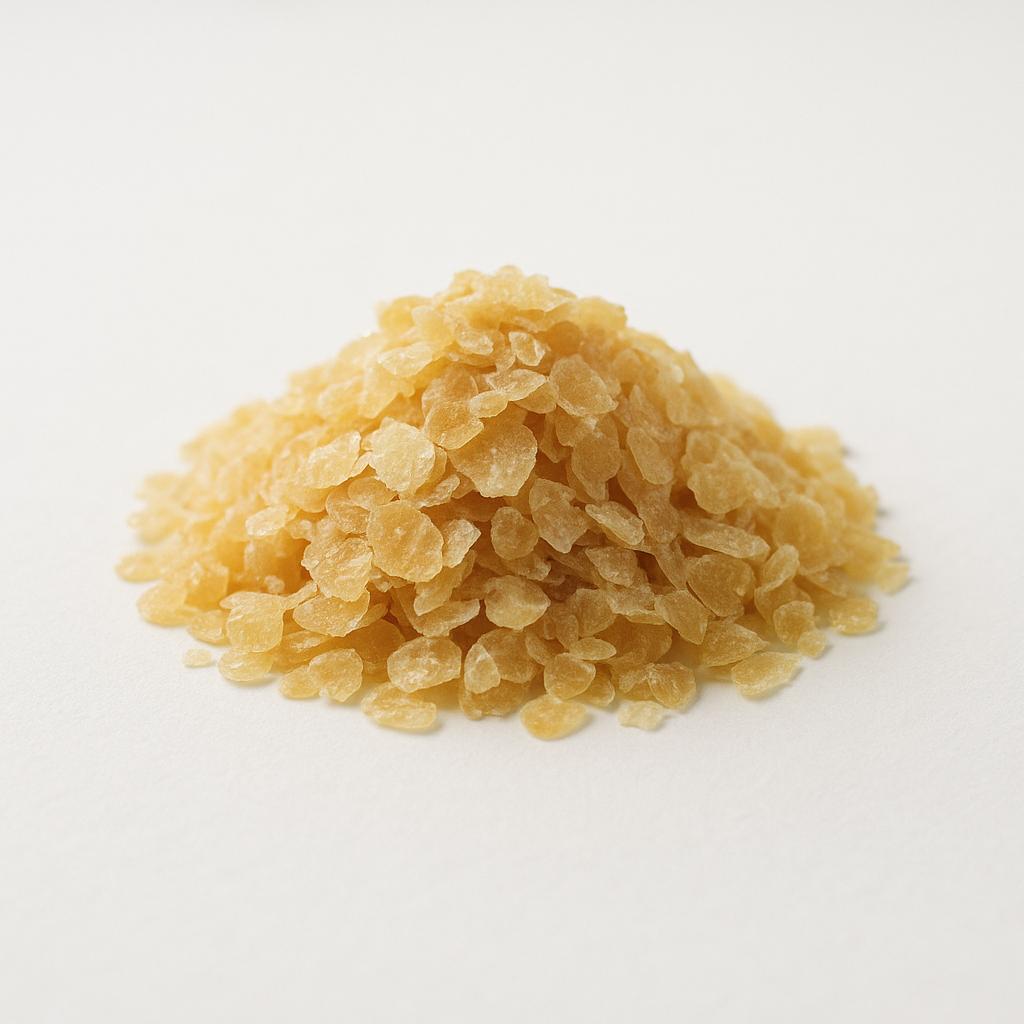
- Bleached shellac: off-white to tan, amorphous, granular resin
- Wax-free bleached shellac: light yellow, amorphous, granular resin
- Insoluble in water; soluble (slowly) in alcohol (per EU purity criteria reference)
Compositional Metrics
- Wax limit (EU reference): ≤5.5% for bleached shellac; ≤0.2% for wax-free bleached shellac
- Acid value (EU reference): 60–89
- Loss on drying (EU reference): ≤6.0%
- Lead limit (EU reference): ≤2 mg/kg
Grades
- Bleached shellac
- Wax-free bleached shellac
Supply Chain
Value Chain
- Overseas shellac processing/bleaching → import into Mexico under HS 1301 shellac category → specialty ingredient distribution → use as glazing/coating agent in food manufacturing
Risks
Regulatory Compliance HighNon-compliance with Mexico’s permitted-additive framework for shellac (SIN 904)—including identity mismatch (bleached vs. wax-free), use outside permitted technological functions, or inadequate supporting documentation—can trigger import clearance issues and/or enforcement actions affecting market access.Map the intended food-category use to the applicable Mexico additive permissions and maintain a dossier (identity, specs, CoA) aligned with recognized purity criteria (JECFA/Codex/EU references) for each lot.
Food Safety MediumPurity non-conformance (e.g., heavy metals such as lead, or exceeding wax limits for wax-free grades) can cause rejection by quality systems and regulators, especially when aligned to internationally referenced purity criteria.Require each lot’s CoA against an agreed purity standard (e.g., EU 231/2012 and/or JECFA specifications) and conduct periodic third-party verification testing.
Market Acceptance MediumBecause shellac is insect-derived, it can conflict with vegan/vegetarian expectations and some religious-diet requirements, creating reformulation risk for certain channels and export-oriented Mexican manufacturers.Screen customer claim requirements early (vegan/vegetarian/halal/kosher) and pre-approve acceptable alternatives or certification pathways where needed.
Supply Concentration MediumMexico’s reliance on imports for shellac and related natural gums/resins exposes users to international supply volatility (availability, pricing, and lead times) relative to a domestically produced input.Qualify multiple origins/suppliers and maintain safety stock policies aligned to production schedules and import lead times.
Sustainability
- Animal/insect-derived ingredient: suitability for vegan/vegetarian positioning requires careful formulation/claims review.
FAQ
Is bleached shellac (E/INS 904) recognized in Mexico’s food additive framework?Yes. Mexico’s DOF agreement on permitted additives lists “Goma laca / Shellac” with SIN 904, including synonyms such as “goma laca blanqueada” and “goma laca blanqueada libre de cera”.
What is the main technological function of bleached shellac in foods?It is primarily used as a glazing/coating agent. JECFA’s evaluation for bleached shellac (INS 904) describes its present uses as coating, glazing and surface-finishing applications, and Codex GSFA lists it as a glazing agent in multiple food categories under GMP.
What purity criteria are commonly referenced for bleached shellac specifications?International purity criteria references include limits for wax content (different for bleached vs. wax-free bleached grades) and a low maximum for lead, along with parameters such as loss on drying and acid value (as set out in EU purity criteria for E 904).
Sources
멕시코 대비 공급업체, 수출 및 가격 비교를 위한 표백 셸락의 다른 국가 마켓
멕시코와 연관된 국가들에서 표백 셸락 공급업체 커버리지, 무역 흐름, 가격 벤치마크를 비교해 보세요.


무료 진단
멕시코 표백 셸락, 사는 쪽이세요 파는 쪽이세요?
어느 쪽이든 몇 가지만 답해주시면 됩니다. 어디서 살 수 있는지, 누구에게 팔 수 있는지 정리해서 보내드릴게요.
'쿠키 허용'을 클릭하면 통계 및 개인 선호도 산출을 위한 쿠키 제공에 동의하게 됩니다.
개인정보 보호정책에서 쿠키에 대한 자세한 내용을 확인할 수 있습니다.