네덜란드 표백 셸락 공급업체 및 가격 — 마켓 오버뷰 2026
HS 코드
130190
최종 업데이트
2026-08-23
서치 및 소싱 팀을 위한 핵심 요약
- 네덜란드에 대한 샘플 수출 거래 3건이 요약되어 있습니다.
- 네덜란드의 표백 셸락에 대해 수출 파트너 기업 1개와 수입 파트너 기업 3개가 매핑되어 있습니다.
- 수출 파트너 국가 5개와 수입 파트너 국가 5개가 랭킹되어 있습니다.
- 이 페이지 데이터셋의 최신 기준 연도는 2024입니다.
- 페이지 데이터 최종 업데이트일: 2026-08-23.
네덜란드 내 표백 셸락 수출 공급업체 인텔리전스, 가격 추이 및 무역 흐름
네덜란드의 표백 셸락에 대해 수출 파트너 기업 1개가 추적됩니다. Supply Chain Intelligence 회사 프로필 및 분석으로 수출업체 커버리지, 파트너 품질, 경로 우선순위를 검증하세요.
네덜란드에서의 표백 셸락 수출 인텔리전스를 확인하세요. 샘플 공급업체 거래 3건, 월간 단가 범위, HS 코드 130190의 파트너 국가 무역 흐름 패턴을 포함합니다.
스캐터 포인트는 전체 거래 데이터셋의 100.0%에서 샘플링되었습니다.
표백 셸락의 네덜란드 샘플 수출 공급업체 거래 기록
네덜란드의 표백 셸락 샘플 거래 3건에는 수출 가격과 공급업체 거래 패턴 벤치마킹을 위한 날짜, 원산지, 파트너 국가 맥락이 포함됩니다.
네덜란드의 표백 셸락 샘플 거래 단가(일자별): 2026-06-10: 2.06 USD / kg, 2026-06-10: 2.06 USD / kg, 2025-12-03: 3.23 USD / kg.
| 일자 | 신고 품목 | 단가 | 수출업체 | 수입업체 | |
|---|---|---|---|---|---|
| 2026-06-10 | BRI*** ******* ******* *** ************ ********** * ********** ***** ********** * ****** ***** ********** ****** ** ****** ************ ************ ****** ******** ************** ********** ****** * ** ** ***** ** * ****** *** ******** * ****** ***** ***** * ***** *** *** *** | 2.06 USD / kg | (네덜란드) | (페루) | |
| 2026-06-10 | BRI*** ******* ******* *** ************ ********** * ********** ***** ********** * ****** ***** ********** ****** ** ****** ************ ************ ****** ******** ************** ********** ****** * ** ** ***** ** * ****** *** ******** * ****** ***** ***** * ***** *** *** *** | 2.06 USD / kg | (네덜란드) | (페루) | |
| 2025-12-03 | ШЕЛ*** ********* ************ ********* ******* ****** ********** * ****** ********** ********** ***** ************ | 3.23 USD / kg | (네덜란드) | (우크라이나) |
네덜란드 내 상위 표백 셸락 수출 공급업체 및 기업
선도 수출업체 프로필을 검토하고 네덜란드의 표백 셸락에 대해 추적되는 전체 수출 파트너 기업 1개와 비교하세요. Supply Chain Intelligence 회사 프로필 및 분석으로 소싱 및 수출 파트너를 더 빠르게 선별할 수 있습니다.
(네덜란드)
최근 수출 거래: 2026-07-23
산업군: 브로커 및 무역 대행작물 생산식품 제조
밸류체인 역할: 농업 / 생산 / 가공 / 포장무역
네덜란드 수출 파트너 커버리지
1개 기업
총 수출 파트너 기업 수는 네덜란드의 표백 셸락 수출 네트워크 깊이를 보여주는 핵심 신호입니다.
수출업체와 수입업체는 공급망 인텔리전스 기업 프로필 및 분석을 열어 네덜란드 내 표백 셸락 파트너 집중도, 공급 역량 시그널, 무역 관련성을 평가할 수 있습니다.
네덜란드 내 표백 셸락의 연간 수출 금액, 물량 및 공급업체 시장 규모 (HS 코드 130190)
네덜란드의 표백 셸락 수출 물량/금액 3년치를 분석해 공급 측 시장 성장, 계절성, 무역 변동성을 평가하세요.
| 연도 | 물량 | 금액 |
|---|---|---|
| 2024 | 53,252 | 1,063,854 USD |
| 2023 | 37,172 | 809,638 USD |
| 2022 | 101,059 | 2,173,256 USD |
네덜란드에서 수출되는 표백 셸락의 주요 수출 대상 시장 (HS 코드 130190) 2024
2024년 기준, 네덜란드발 표백 셸락 수출의 상위 목적지국 5개 전반에서 수출 물량과 금액을 비교하세요.
| 순위 | 국가 | 물량 | 금액 |
|---|---|---|---|
| 1 | 벨기에 | 26,192 | 431,810.273 USD |
| 2 | 터키 | 3,685 | 116,571.293 USD |
| 3 | 독일 | 5,036 | 115,656.682 USD |
| 4 | 영국 | 1,871 | 68,184.557 USD |
| 5 | 도미니카 공화국 | 1,463 | 44,668.759 USD |
소싱 진단
네덜란드산 표백 셸락, 우리도 들여올 수 있을까요?
필요한 스펙과 물량만 알려주세요. 실제로 소싱이 되는지, 어떤 원산지와 공급사가 맞는지 무료로 짚어드려요.
네덜란드의 표백 셸락 수입 바이어 인텔리전스 및 가격 시그널: 바이어, 수요, 거래 파트너
네덜란드의 표백 셸락에 대해 수입 파트너 기업 3개가 추적됩니다. 수출업체와 수입업체는 Supply Chain Intelligence 회사 프로필 및 분석을 활용해 바이어 수요, 파트너 밀도, 다운스트림 채널을 분석할 수 있습니다.
스캐터 포인트는 전체 거래 데이터셋의 100.0%에서 샘플링되었습니다.
표백 셸락의 네덜란드 샘플 수입 거래 및 가격 기록
네덜란드의 표백 셸락 샘플 수입 거래 4건은 가격 수준과 수요 측 거래 패턴 벤치마킹을 위한 날짜, 원산지, 무역 국가 맥락을 제공합니다.
네덜란드의 표백 셸락 샘플 수입 거래 단가(일자별): 2026-03-30: 22.58 USD / kg, 2026-03-15: 16.82 USD / kg, 2026-03-13: 14.60 USD / kg, 2026-03-07: 14.11 USD / kg.
| 일자 | 신고 품목 | 단가 | 수출업체 | 수입업체 | 원산지 | |
|---|---|---|---|---|---|---|
| 2026-03-30 | SHE**** ******* ******** ************* ** *** ***** ********* ****** ** ***** ******* ***** ******** ****** ******* | 22.58 USD / kg | (-) | (-) | - | |
| 2026-03-15 | SHE**** ** ************* ** *** ***** ********* ****** ** ***** ******* ***** ******** ****** ******* | 16.82 USD / kg | (-) | (-) | - | |
| 2026-03-13 | SHE**** ******* ****** ************* ***** ***** ********* ****** ** ***** ******* ***** ******** ****** ******* | 14.60 USD / kg | (-) | (-) | - | |
| 2026-03-07 | SHE**** ******** ************* ** *** ***** ********* ****** ** ***** ******* ***** ******** ****** ******* | 14.11 USD / kg | (-) | (-) | - |
네덜란드 내 상위 표백 셸락 바이어, 수입업체 및 수요 파트너
선도 바이어 프로필을 검토하고 네덜란드의 표백 셸락에 대해 추적되는 전체 수입 파트너 기업 3개와 비교하세요. 수출업체와 수입업체는 Supply Chain Intelligence 회사 프로필 및 분석으로 수요 측 파트너 적합도를 평가할 수 있습니다.
(네덜란드)
최근 수입 거래: 2026-07-23
임직원 규모: 직원 1000명 초과
매출액: 매출 USD 1B 초과
산업군: 기타
밸류체인 역할: 유통 / 도매
(네덜란드)
최근 수입 거래: 2026-07-23
임직원 규모: 직원 51 - 100명
매출액: 매출 USD 5M - 10M
산업군: 음료 제조식품 제조기타
밸류체인 역할: 식품 제조기타
(네덜란드)
최근 수입 거래: 2026-07-23
산업군: 식품 제조
밸류체인 역할: 식품 제조무역
네덜란드 수입 파트너 커버리지
3개 기업
수입 파트너 기업 수는 네덜란드의 표백 셸락 수요 측 가시성을 보여줍니다.
공급망 인텔리전스 분석과 기업 프로필을 활용해 네덜란드에서 활동 중인 표백 셸락 수입업체, 유통업체, 바이어 네트워크를 식별하세요.
네덜란드 내 표백 셸락의 연간 수입 금액, 물량 및 수요 규모 (HS 코드 130190)
네덜란드의 표백 셸락 수입 물량/금액 3년치를 추적해 수요 성장과 시장 모멘텀을 평가하세요.
| 연도 | 물량 | 금액 |
|---|---|---|
| 2024 | 2,568,809 | 9,300,032 USD |
| 2023 | 2,628,333 | 8,830,661 USD |
| 2022 | 3,529,359 | 13,845,196 USD |
네덜란드에 표백 셸락를 공급하는 주요 원산지 공급국 (HS 코드 130190) 2024
2024년 기준, 네덜란드로 표백 셸락를 공급하는 상위 원산 공급국 5개 전반의 수입 물량과 금액을 비교하세요.
| 순위 | 국가 | 물량 | 금액 |
|---|---|---|---|
| 1 | 프랑스 | 1,883,660 | 5,779,152.908 USD |
| 2 | 독일 | 220,415 | 1,307,010.124 USD |
| 3 | 벨기에 | 351,477 | 737,931.279 USD |
| 4 | 인도 | 26,067 | 477,907.774 USD |
| 5 | 영국 | 15,281 | 265,977.68 USD |
수출 진단
우리 표백 셸락, 이 네덜란드 바이어들에게 팔 수 있을까요?
만드시는 제품만 알려주시면 됩니다. 지금 수출할 준비가 됐는지, 어느 시장이 맞는지 무료로 봐드려요.
가격 데이터
가려진 네덜란드 표백 셸락 가격, 열어볼까요?
전체 가격 히스토리와 경쟁사 벤치마크를 열어드립니다. 어떤 숫자가 필요하신지만 말씀해 주시면 함께 살펴봐 드려요.
Classification
Product TypeIngredient
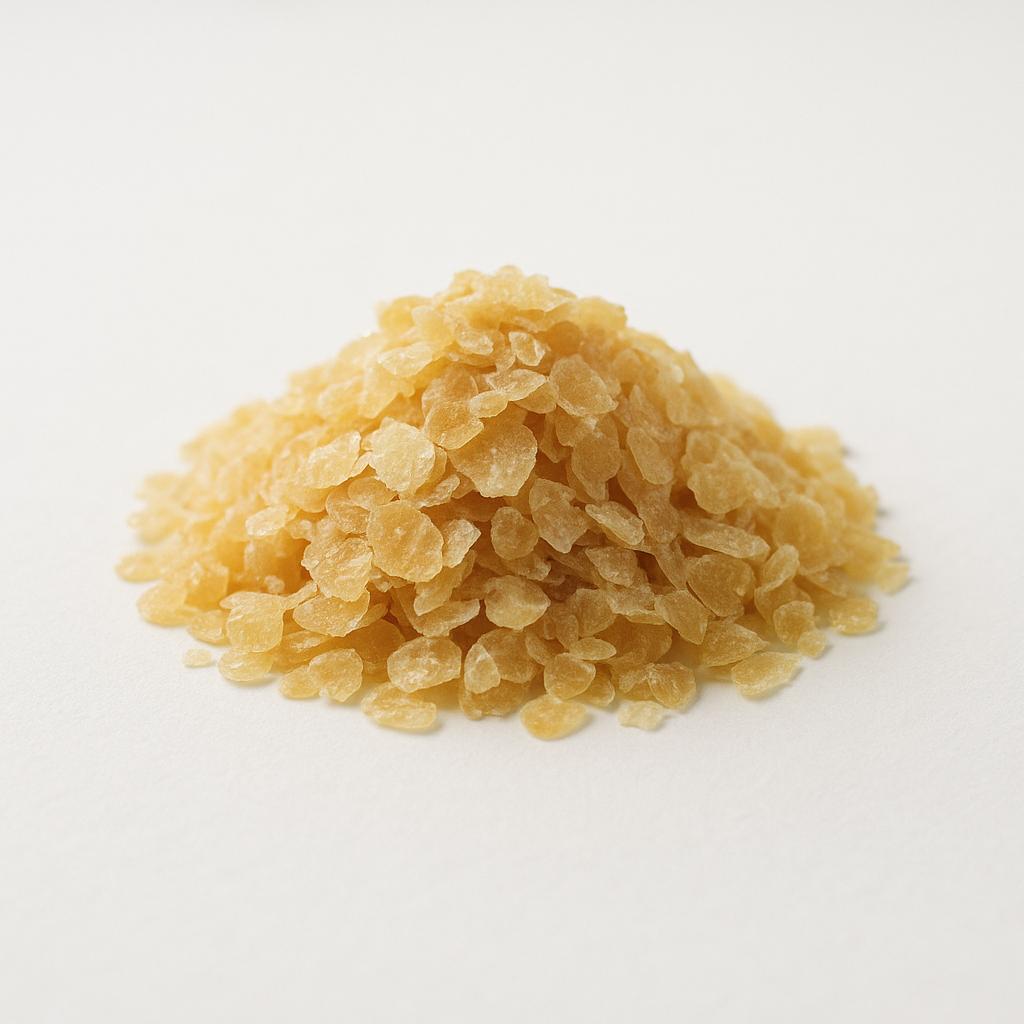
Product FormBleached refined resin (typically flakes or powder)
Industry PositionFood Additive (Glazing Agent)
Market
Bleached shellac (shellac; E904) is used in the Netherlands primarily as a functional glazing/coating ingredient in industrial food manufacturing and in pharmaceutical/nutraceutical applications. The Netherlands is not a primary producing origin for shellac; market availability is driven by imports and by the country’s role as an EU entry, warehousing, and redistribution hub. Market access is shaped mainly by EU-wide food additive authorization and purity specifications, with enforcement through Dutch and EU official controls. Key commercial dynamics are compliance-driven procurement (specification, CoA, traceability) and supply risk management tied to upstream sourcing regions.
Market RoleImport-dependent ingredient market and EU distribution hub
Domestic RoleB2B ingredient used by food and pharmaceutical manufacturers for coating/glazing applications
Specification
Physical Attributes
- Bleached/pale resin supplied as flakes or powder for dissolution and application as a film-forming glaze/coating
- Functional performance focus: film formation, gloss, and barrier properties on finished products
Compositional Metrics
- Purity and identity criteria (e.g., insoluble matter and contaminant limits) are typically managed against EU food additive specifications and/or JECFA specifications for shellac
Grades
- Food additive grade (E904) intended for food use
Packaging
- Sealed, food-grade lined drums or bags to prevent moisture uptake and contamination during storage and distribution
Supply Chain
Value Chain
- Non-EU producer refining/bleaching -> international shipment -> Dutch importer customs clearance -> warehouse storage -> (optional) blending/repacking -> delivery to food/pharma manufacturers or intra-EU distribution
Temperature
- Store cool and dry; avoid excessive heat that can soften resin and complicate handling
Atmosphere Control
- Protect from humidity; keep containers sealed to prevent moisture-related quality issues
Shelf Life
- Generally shelf-stable when stored dry in sealed packaging; quality risk increases with heat and humidity exposure
Freight IntensityLow
Transport ModeSea
Risks
Regulatory Compliance HighNon-compliance with EU authorization conditions for shellac (E904) and/or failure to meet EU purity specifications can result in detention, rejection, or recalls in the Netherlands and across the EU market served from Dutch distribution channels.Use an EU-aligned specification referencing EU additive rules for E904, require batch CoA and change-control notices, and apply incoming QC testing against key purity/contaminant parameters where risk-based.
Supply Concentration MediumSupply availability and pricing are exposed to upstream concentration in non-EU producing/refining regions; disruption can affect Dutch importers’ ability to supply EU manufacturers on contract schedules.Qualify multiple approved sources and maintain safety stock for critical customer programs; include force-majeure and substitution clauses where feasible.
Logistics MediumReliance on sea freight for imports can create lead-time variability (port congestion, route disruption), impacting planning for Dutch warehouses and just-in-time deliveries to EU manufacturers.Plan longer lead times, diversify routings/carriers, and hold buffer inventory for customer production schedules.
Consumer Acceptance MediumBecause shellac is insect-derived, downstream brand owners in the Netherlands/EU may restrict use in products marketed as vegan/vegetarian, creating demand volatility and customer-specific approval barriers.Screen customer claim requirements early, provide clear origin statements, and offer alternative glazing/coating solutions for vegan-positioned product lines where required.
Sustainability
- Upstream supply chain transparency risk: lac harvesting and shellac refining typically occur outside the Netherlands, and limited traceability to collection areas can complicate ESG due diligence for Dutch/EU buyers.
- Chemical management and waste handling expectations in refining/bleaching steps are a sustainability screening focus for buyers seeking documented responsible production.
Labor & Social
- Upstream sourcing may involve informal or smallholder-linked collection and processing in lac-producing regions outside the Netherlands; limited visibility can trigger enhanced social compliance due diligence for Dutch/EU procurement.
- Insect-derived ingredient: ethical/consumer acceptance concerns can arise in vegetarian/vegan product positioning in the Dutch/EU market.
Standards
- FSSC 22000
- ISO 22000
- EFfCI GMP
FAQ
Is bleached shellac allowed for food use in the Netherlands?Food-use shellac is regulated under EU food additive rules that apply in the Netherlands, where shellac is identified as E904. Market access depends on meeting EU authorization conditions and the applicable EU purity specifications for food additives.
What are common industrial uses of shellac (E904) in the Netherlands?In the Netherlands, shellac (E904) is mainly used as a glazing or coating ingredient supplied to confectionery, bakery/snack, and pharmaceutical or dietary supplement manufacturers, typically through specialty ingredient importers and distributors.
What documentation is typically expected by Dutch importers and EU customers buying shellac (E904) via the Netherlands?Common expectations include a batch Certificate of Analysis (CoA), a product specification demonstrating conformity with EU food additive specifications, lot-level traceability documents, and an SDS; customers may also request an origin statement because shellac is insect-derived.
Sources
네덜란드 대비 공급업체, 수출 및 가격 비교를 위한 표백 셸락의 다른 국가 마켓
네덜란드와 연관된 국가들에서 표백 셸락 공급업체 커버리지, 무역 흐름, 가격 벤치마크를 비교해 보세요.


무료 진단
네덜란드 표백 셸락, 사는 쪽이세요 파는 쪽이세요?
어느 쪽이든 몇 가지만 답해주시면 됩니다. 어디서 살 수 있는지, 누구에게 팔 수 있는지 정리해서 보내드릴게요.
'쿠키 허용'을 클릭하면 통계 및 개인 선호도 산출을 위한 쿠키 제공에 동의하게 됩니다.
개인정보 보호정책에서 쿠키에 대한 자세한 내용을 확인할 수 있습니다.