Côte d’Ivoire and Ghana's Cocoa Production Faces Uncertainty Due to Dry Weather Conditions
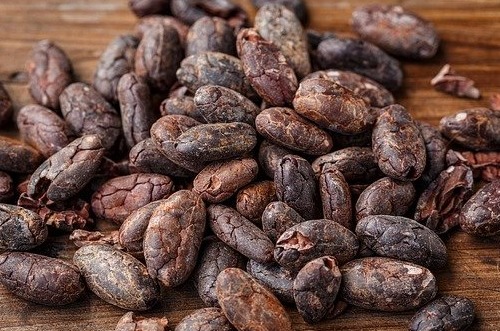
Côte d’Ivoire and Ghana are among the largest cocoa-producing countries and together account for two-thirds of the global production. Their cocoa beans are reputed for their unique, rich, and flavourful taste across the world. Both countries recorded a different start to the current 2021-22 season which started in October 2021 and is expected to run until September 2022. While Côte d’Ivoire recorded a YoY increase in production, Ghana’s cocoa production fell drastically during the same period. The cocoa production cycle is very sensitive to changing weather conditions and can heavily impact the volume of harvest. The current season is still at a very early stage; however, uncertainties in weather patterns are expected, which will give rise to unforeseen factors like pests and diseases.
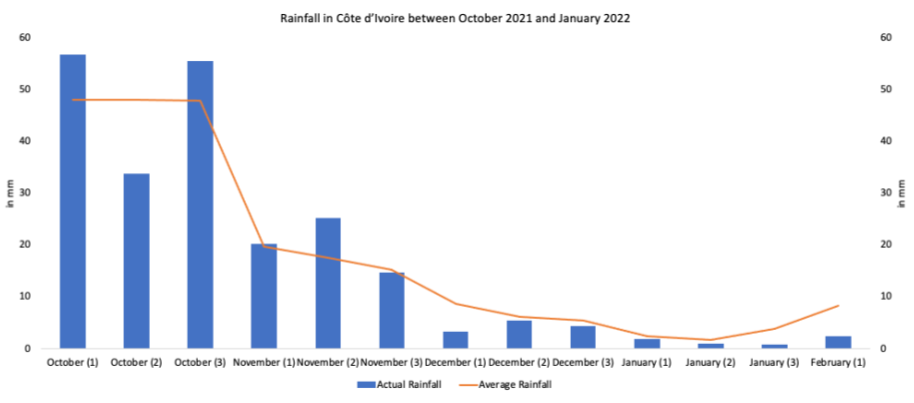
According to International Cocoa Organization (ICCO) January Market Review 2022, cocoa production in Côte d’Ivoire has increased over the last year's season but only by 1.5% compared to the same period recorded during 2020-21. However, ICCO is expecting drier weather in the coming weeks which will reduce the soil moisture content, raising concerns over the size and quality of the crop scheduled for the upcoming months in the 2021-22 season. Reuters reports that the country is already in its dry season which started in mid-November and is likely to go on till March. Côte d’Ivoire’s dry season has witnessed below-average levels of rainfall, with dry soil already causing damage to the quality of beans and even threatening to further reduce output sizes and volumes in the coming months.
Source: Food Security Analysis.
A similar situation is present in Ghana: the Ghana Cocoa Board projects cocoa production, pegged at 800 thousand mt in 2021-22, to experience a YoY decline of over 40%. Furthermore, according to the latest data released by ICCO, the overall purchases of graded and sealed cocoa beans have also fallen by over 50% in comparison to the previous year. The fall in purchases and production was driven by the disruptions in the haulage of dried fermented cocoa in the second-largest cocoa-producing region of Ghana. If similar dry winds and seasons continue in the coming months, it is expected that the overall production and purchases will only worsen, reducing the production even more.
In a nutshell, the 2021-22 season witnessed below-average rainfall in both Côte d’Ivoire and Ghana during the two countries’ main growing seasons. The season witnessed a slow start in the main crop harvest, resulting in the current YoY decline in production and purchases. Furthermore, the La Niña phenomenon has also been predicted to affect both Côte d’Ivoire and Ghana for some time, which is set to cause some unseasonal rainfall to take place at unexpected times of the year, interfering with the drying process of the cocoa pods. Cocoa production in 2021-22 is set to remain bleak, given the fact that weather uncertainties will persist.